

Iran says it will declare ‘prohibited zone’ near Strait of Hormuz in coming days
Hormuz traffic dips to lowest since May after US, Iran clashes; US energy secretary says there may not be a nuclear deal, but Iran’s ability to build bomb could be destroyed
 Add ToI as a Preferred Source on Google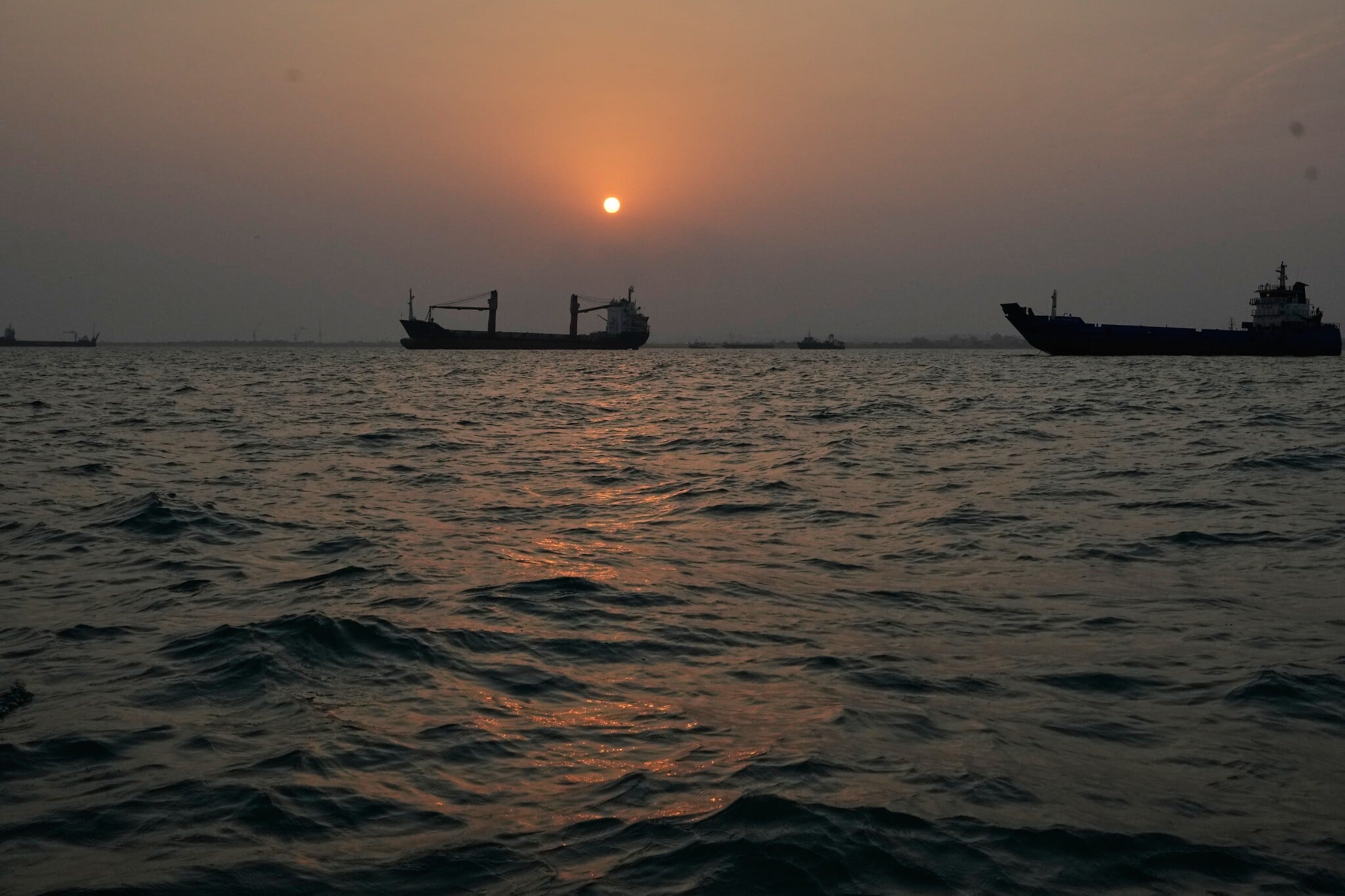
The new head of Iran’s Supreme National Security Council on Sunday said Tehran plans to announce a “prohibited zone” outside the Strait of Hormuz aimed at vessels it believes are attempting to transit the waterway, amid the United States’ attempts to squeeze Iran economically to bring it to the negotiating table.
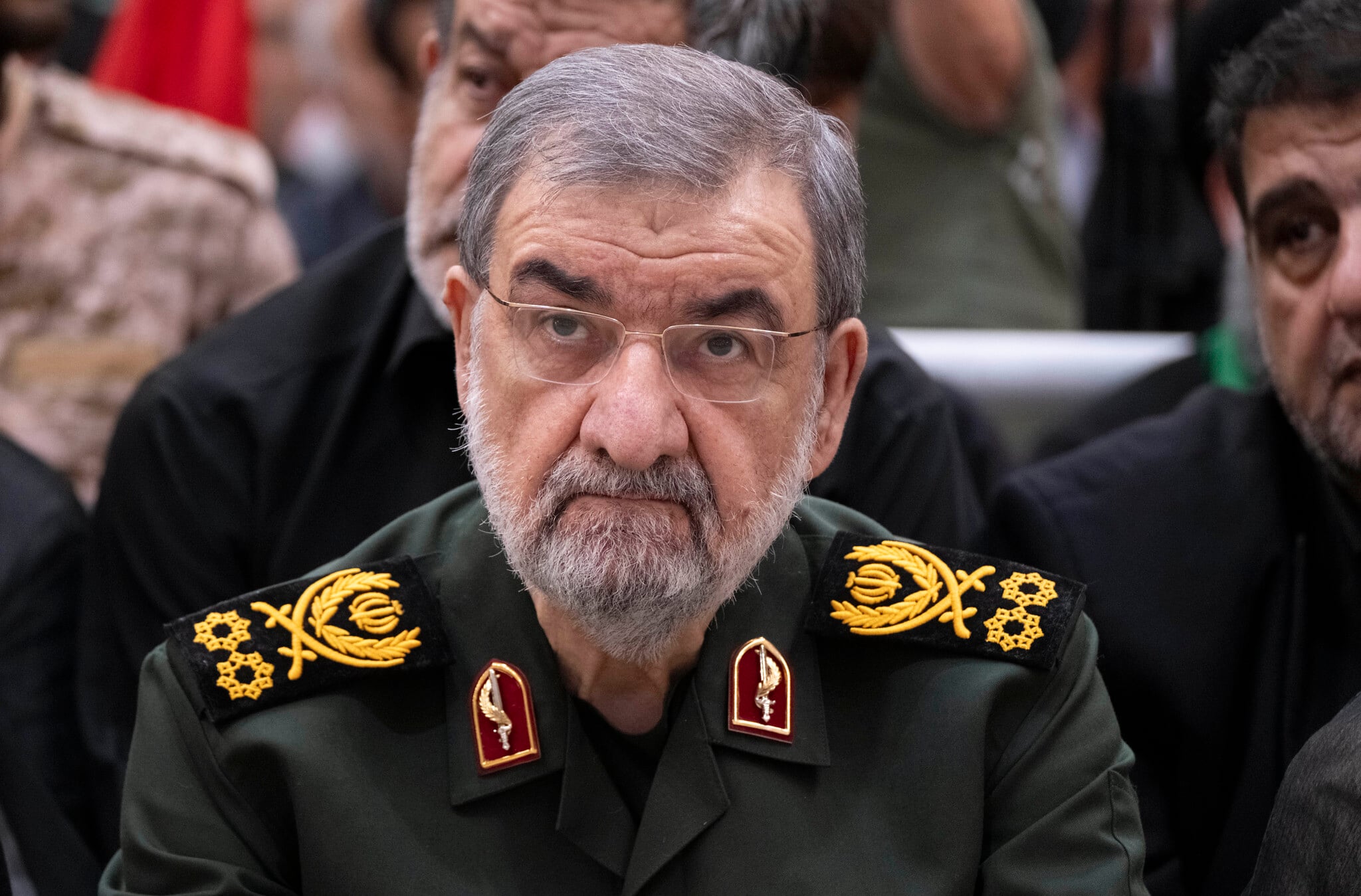
Mohsen Rezaei’s comments to Iran’s state broadcaster came with few details, a day after the US struck three Iranian oil tankers in response to Tehran launching ballistic missiles at US warships. Experts called the launches a dangerous escalation after Iran’s previous attacks at sea targeted commercial shipping.
“In the coming days, a prohibited zone will be announced outside the Strait of Hormuz. This zone will start from the US Navy’s blockade line and include areas of the Persian Gulf. Any ship entering this new zone will be placed on the sanctions list” of Iran, Rezaei told state TV.
It is not clear where Iran defines the location of the weekslong US blockade, which is aimed at Iranian ports and keeping Tehran from shipping out its oil. The US military has said over 20 warships are supporting the blockade, which as of Sunday had redirected 92 commercial ships and disabled three.
The US has been introducing new measures to increase the economic pain on Iran after negotiations collapsed and no end to the intermittent fighting appears in sight. Meanwhile, Iran continues to attack some ships trying to transit the strait, which has become an important source of leverage for Tehran in the war that began February 28 with US and Israeli strikes.
Iran earlier Sunday said it struck an unmanned US vessel trying to enter the Strait of Hormuz, a claim that the US military dismissed as a “total lie.”
An average of 10 commodity ships transited the Strait of Hormuz per day over the past 10 days, the lowest since May, according to shipping data on Monday, after US and Iranian strikes on tankers.
The 10-day moving average was 10 on Sunday, down from more than 15 on Friday and nearly 13 on Saturday, data from analytics firm Kepler found.
Only two vessels passed through the strait on Saturday, while six went through on Sunday, mostly using the Iranian route.
The US and Iran resumed attacks last week, following a month of relative calm, with the Strait of Hormuz and areas along Iran’s southern coast again being targeted. At least five people were killed earlier in the week during a US bombardment that returned attention to the area where a school was hit in the war’s opening strikes.
The Trump administration appears to have adopted a dual-prong approach to the conflict, responding militarily to attacks on the strait while going after foreign financial institutions that handle Iran’s money.
But Tehran’s hard-line new senior leaders, including Rezaei, have signaled a willingness to dig in after weathering decades of sanctions. Iran has found ways over the years to circumvent sanctions, and now the US blockade of its ports, and get its oil to buyers to help ease growing economic pressures.
On the matter of the collapsed negotiations with the US, Rezaei on Sunday expressed wariness not only of the US but also of the mediators. The memorandum of understanding that the US and Iran signed in mid-June, and which Israel is not a party to, began to fall apart within days as each side accused the other of violations.
“We had trusted our friends in Pakistan, Qatar or Oman, thinking that since they had stepped in as mediators, one of a mediator’s responsibilities is that if one side violates the agreement, they should stop them,” Rezaei said. “We are now pursuing diplomacy with guarantees.”
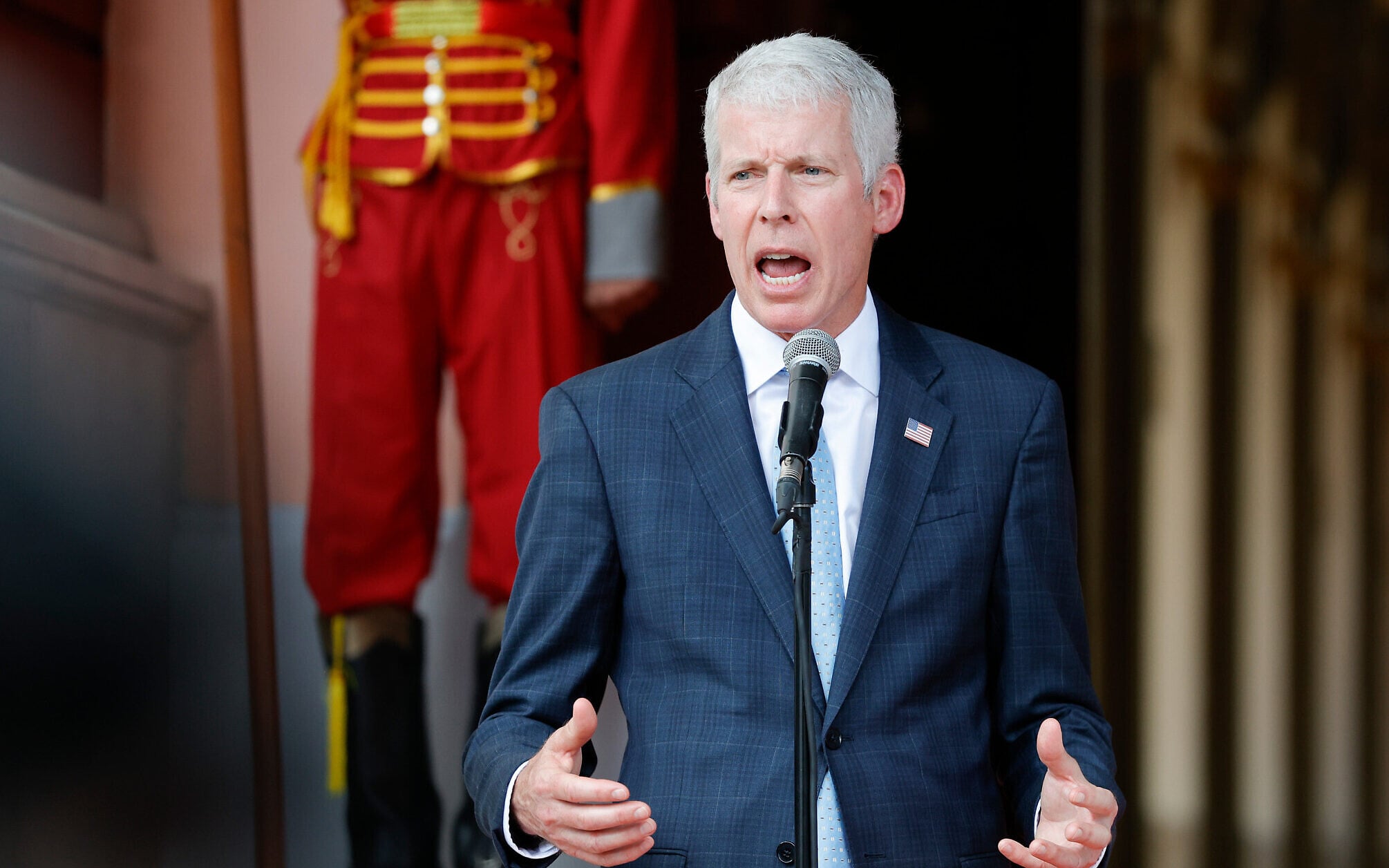
In an interview with ABC, US Energy Secretary Chris Wright said on Sunday that Washington may not reach a nuclear agreement with Iran, and that it may aim to simply destroy their ability to build a nuclear bomb.
“There may not be a nuclear agreement. It may be simply destroying their capabilities to do it [build a nuclear bomb]. An agreement may await the next administration in Iran. We simply don’t know that,” Wright told the news outlet.
Iran’s nuclear program, the issue that contributed to the outbreak of the war, was meant to be addressed in negotiations that fell apart soon after the US and Iran signed a memorandum of understanding in mid-June.
Prior to last year’s 12-day war, Iran was enriching uranium to 60 percent, according to the International Atomic Energy Agency. That is far higher than is necessary for civilian reactor levels, and a short step away from the 90 percent required to build a nuclear weapon.
Reports have said 440 kilograms (970 pounds) of highly enriched uranium stored in the facilities was buried by the strikes, but Israel reportedly believes that Iran managed to transfer some of it to the nearby Pickaxe Mountain site following that conflict.
Pickaxe Mountain was not hit then or in the latest war, although Trump has repeatedly threatened to bomb it.
Diplomats say the US, Britain, France and Germany now seek to refer Iran to the UN Security Council for failure to comply with its nuclear nonproliferation obligations.
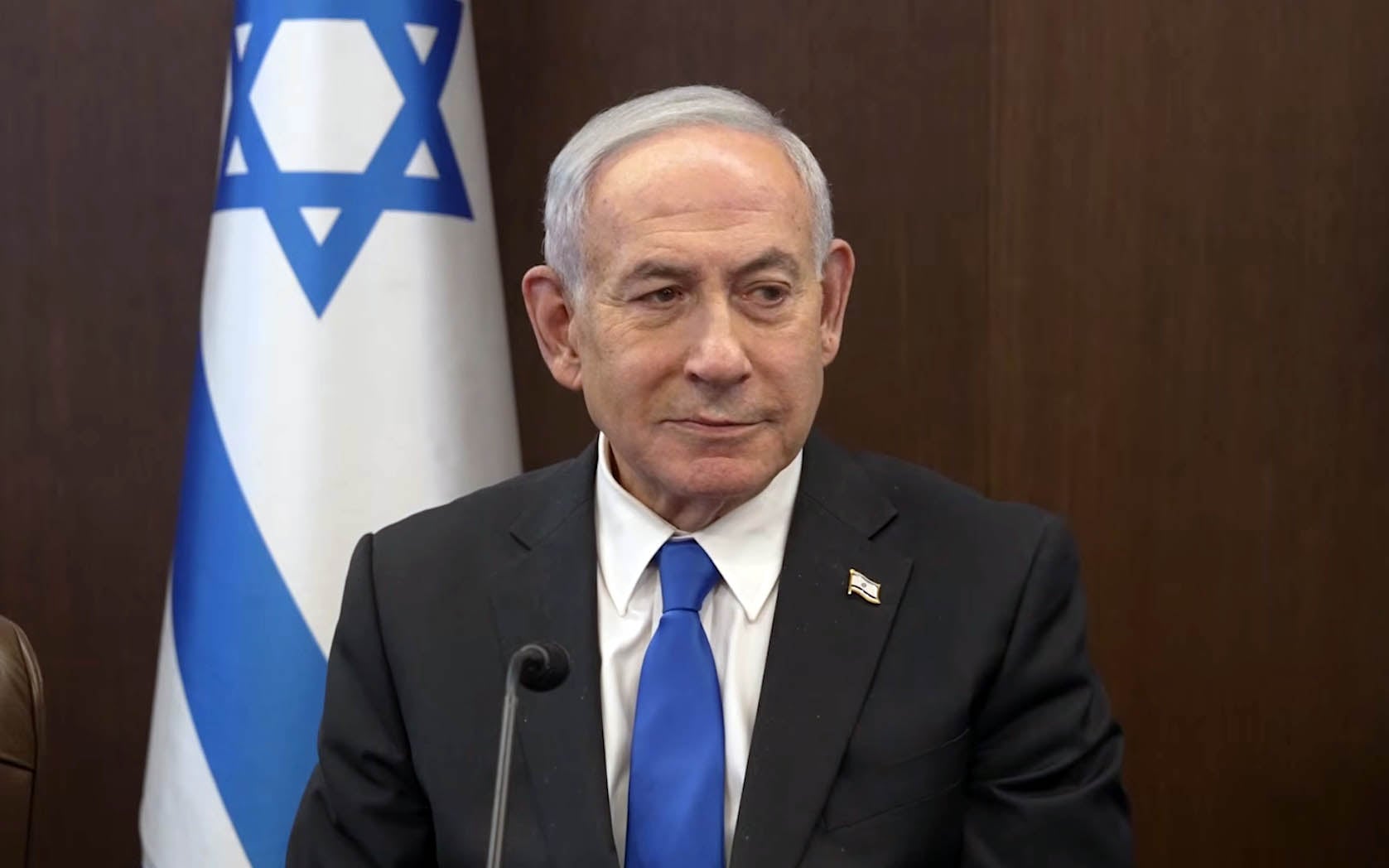
Prime Minister Benjamin Netanyahu said Sunday that the “end is near” for the Iranian regime, and asserted Israel’s determination to “complete the mission” of toppling it, in a video message released by his office ahead of the Rosh Hashanah holiday.
US says 9 million barrels of oil a day pass through the strait
The Strait of Hormuz is crucial to global oil and natural gas shipments and was seen as an international waterway before the war began.
On Sunday, Wright said that on average, 9 million barrels of oil a day are getting through the strait, which should help to relieve pressure on energy prices. His estimate appeared to exceed average flows over the past 28 days through the strait, according to TankerTrackers.com and other sources.
Wright told CNN that with oil also flowing through pipelines in the region, “we’re probably two-thirds or more of pre-conflict flows.”
But those flows depend on the presence of the US Navy to help escort tankers and provide some protection against possible Iranian attack. Wright said he expected that other countries would eventually support the Navy’s efforts.
Meanwhile, Iran’s Rezaei, in his interview with state TV, claimed that “every day we are selling one million, one and a half million (barrels), as if Iran’s oil production and trade are continuing as usual.”
Iran said to operate right-wing extremist Telegram group to recruit Israeli assets
Iran operated a right-wing extremist group on the Telegram messaging app in order to recruit Israelis to perform tasks with the aim of sowing chaos in Israeli society, the Kan public broadcaster reported on Sunday.
The group, named Bnei Haaretz, posted messages promoting the views of Rabbi Meir Kahane, who advocated for the expulsion of Palestinians and Arab Israelis, including a message reading, “The leftists who protect Arabs, understand this well — the transfer law will apply to you too,” as well as personal attacks on opposition politicians.
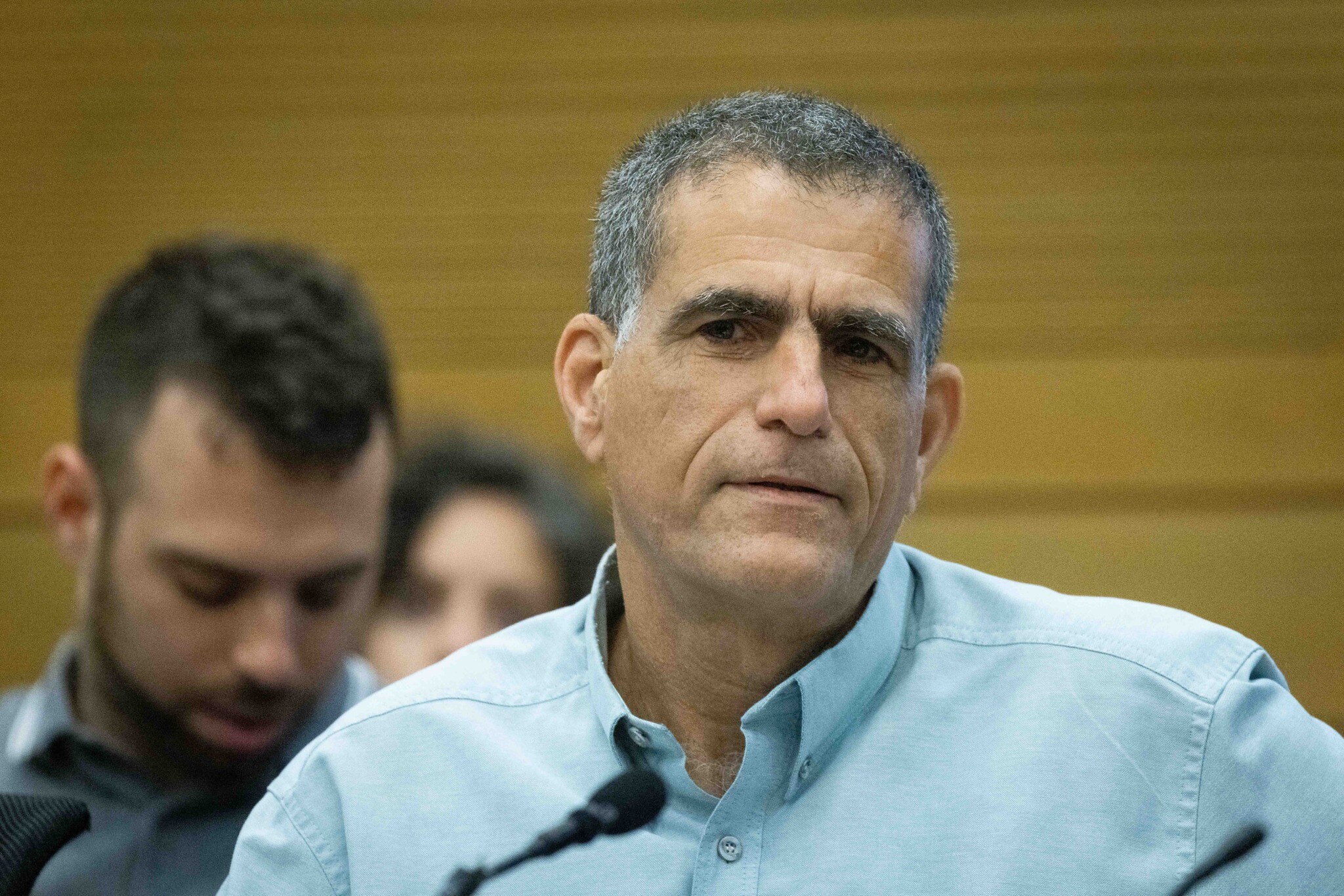
One man, Assaf Arye, from Beersheba, received a message from an Iranian agent who called himself Avi and claimed to be a right-wing activist, according to Kan.
The agent subsequently enlisted Arye to carry out various tasks, including handing out fliers and taking photographs of former left-wing lawmaker Mossi Raz’s home.
According to Kan, Arye deleted the group when he began to suspect the group was not operated by right-wing activists, after he was asked to perform activities against former Shin Bet chief Ronen Bar.
Arye was indicted in July, accused of agreeing to harm Raz in exchange for NIS 8,000.
Over the past two years, dozens of Israelis, including several soldiers and reservists, have been charged with espionage on behalf of Iran. In many cases, Iranian agents recruited Israelis via social media, specifically through Telegram.
Iranian handlers usually start their recruits with relatively mundane tasks such as vandalism or the filming of public locations, which then escalate into more severe, sometimes even violent offenses.
The growing number of Iranian agents has even prompted Israel to open up a new wing in Haifa’s Damon prison for those indicted on such spying charges. Most of the cases are still making their way through the legal system.







The Times of Israel Community.