

Putting diplomacy aside, Israeli envoys helm humanitarian push on Ukraine’s borders
With diplomats deployed from Poland to Moldova, distributing aid and helping refugees find shelter, the Foreign Ministry is handily taking on one of its largest challenges ever
 Add ToI as a Preferred Source on Google
Tal Schneider is a Political Correspondent at The Times of Israel
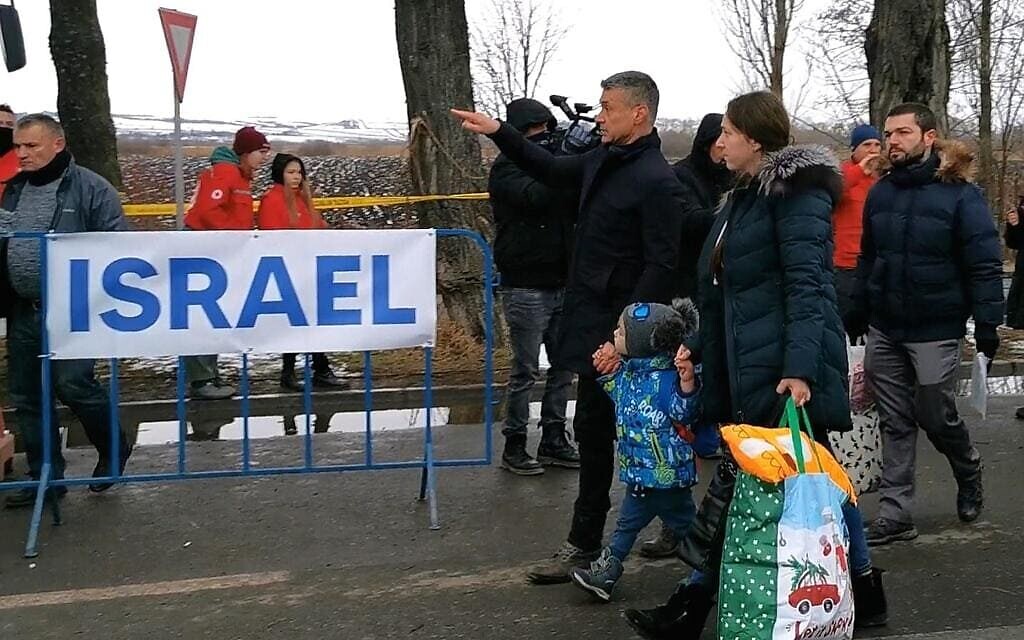
Just a few weeks ago, David Saranga was living the typical life of a diplomat stationed abroad. As Israel’s ambassador to Romania, one of Jerusalem’s friendlier allies, he was busy cultivating ties with the local Jewish community, promoting commercial collaborations between Romanian and Israeli businesses, and handling the trickle of consular affairs for Israelis visiting the East European country.
But in the past month, Saranga has left his cushy office for the border between Romania and Ukraine, where he is witness to the harrowing sights of an unfolding humanitarian crisis as hundreds of thousands of people flee Russia’s aggression against their homeland.
There, Saranga is on the front lines of Israel’s efforts to provide aid to refugees, Jewish and otherwise, stretching from Moldova to Romania to Poland.
As of March 15, over 3 million people had fled Ukraine, according to the United Nations, including some 459,000 people who have gone to Romania. At least 2 million more Ukrainians have been internally displaced.
In Siret, a normally sleepy town near the border that has become bloated with tens of thousands of refugees in the last few weeks, Saranga has been shuttling between various aid stations, refugee centers and bureaucratic offices that now dot the landscape.
There he does what he can for Israelis, Jews and anyone else he can offer aid to.
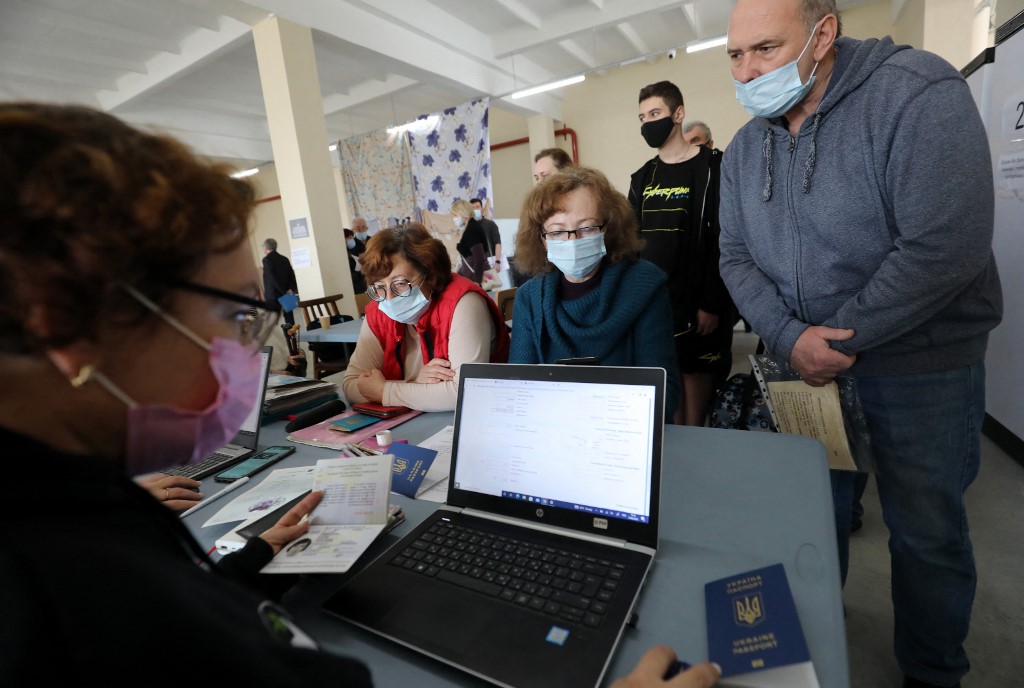
The work of Saranga and other diplomats on the border has been a rare bright spot in Israel’s efforts to deal with the Russian invasion of Ukraine, which began February 24. Other government bodies have been criticized for fumbling their way through the crisis: the Interior Ministry’s flipflopping policies on granting Ukrainian refugees shelter, and Jerusalem’s attempts to walk a tightrope between Moscow and the West have been consistent sources of scandal and handwringing.
But efforts by the Foreign Ministry and other bodies to provide aid at the borders have proven mostly successful; on Monday, the government approved plans to ramp up the mission with the construction of a field hospital somewhere inside Ukraine.
Earlier this week, Foreign Minister Yair Lapid visited Siret, offering his appreciation for Saranga and his team for the work they have done in handling what is becoming one of the biggest challenges the ministry has faced in decades.
Today, I visited the Siret border crossing. We won't close our gates & our hearts to people who've lost their whole world. We have a moral obligation to be part of the international effort to help refugees from Ukraine find a warm home & a bed to sleep in.
????: Shlomi Amsalem/GPO pic.twitter.com/0CWjKZDHCX— יאיר לפיד – Yair Lapid (@yairlapid) March 13, 2022
One of Saranga’s main tasks has been arranging flights and documents for Israeli citizens caught in the war as well as trying to help anyone else, regardless of ethnicity or nationality, with humanitarian aid.
Last week, he helped extricate 10 children in need of life-saving treatment from Ukraine and arranged for them to travel to Israel for care. Some needed cancer treatment, others dialysis.
“We won’t close our gates and our hearts to those who lost everything,” Lapid said during his visit to the Siret border crossing on Sunday. “It’s our obligation not only to be good Jews but to be good people.”
Their finest hour
The Foreign Ministry began preparing for a possible Russian invasion into Ukraine several weeks before Russian President Vladimir Putin officially dispatched troops and missiles into the country on February 24.
For two weeks prior to the invasion, the ministry urged Israelis residing in Ukraine to return to Israel immediately, with the diplomatic staff in Ukraine arranging expedited travel plans to all Israeli citizens requiring it. The warnings to leave intensified as war drums grew louder — but not all Israelis heeded the call.
When the war broke out, the Foreign Ministry focused on extricating Israelis from Ukraine to nearby countries, primarily Poland, and from there back to Israel. In total, the ministry says, about 11,000 Israeli citizens left Ukraine, 6,500 of them after the war began. According to the ministry, 1,500 Israeli citizens are still in Ukraine and do not wish to leave.
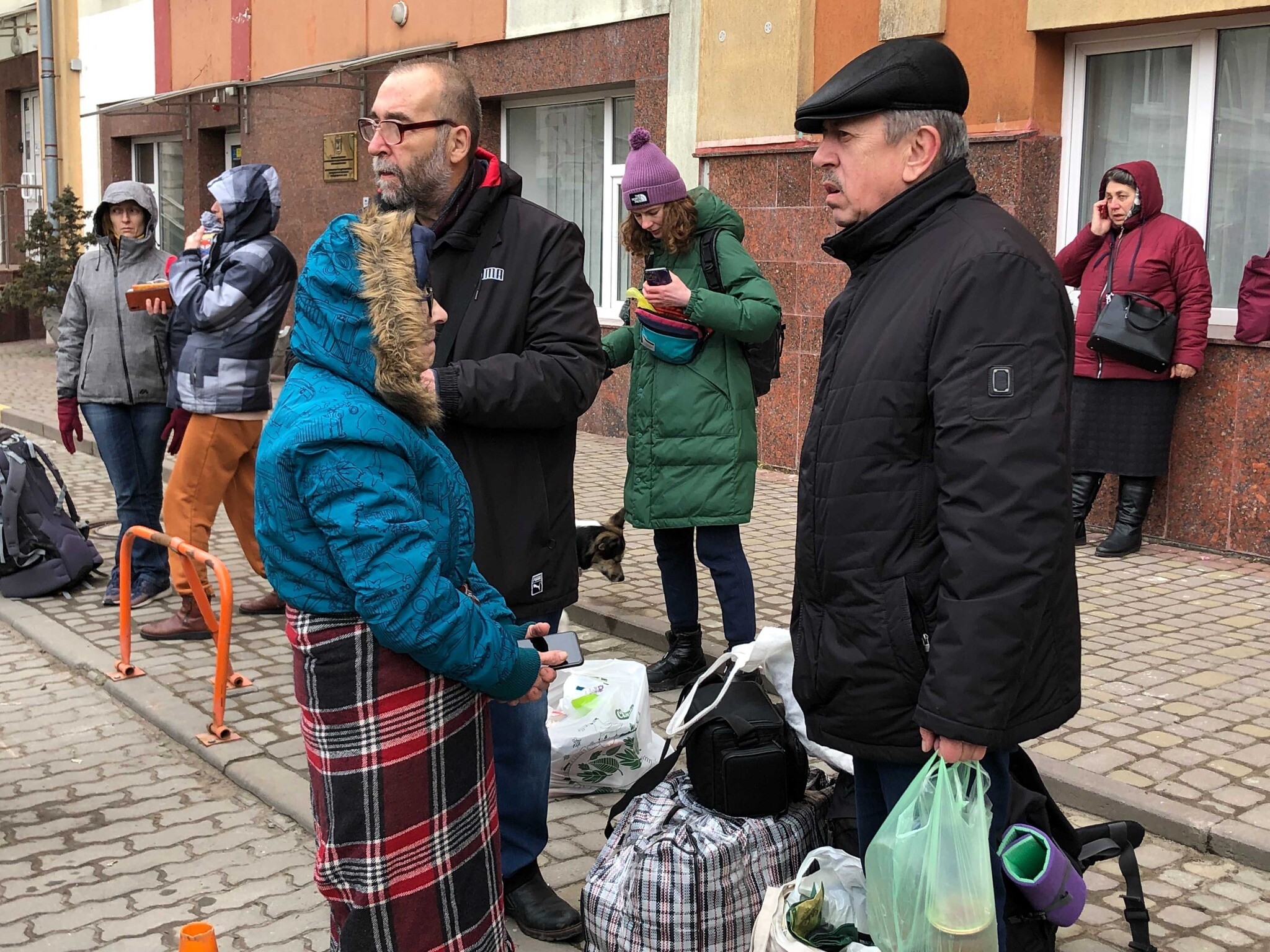
The focus of the ministry has since shifted to assisting non-Israeli or Jewish Ukrainian refugees, including those trying to reach Israel.
On Sunday, the Interior Ministry said the government would begin vetting people seeking refuge in Israel before they board flights to Tel Aviv in order to avoid distressing scenes of Ukrainian families stuck in Ben Gurion Airport or at far-off hotels. The task was instead handed to the Foreign Ministry.
Israel has agreed to take in thousands of Ukrainians who are not Jewish or eligible for citizenship under the Law of Return, though it has struggled to formulate clear policies and has changed them several times.
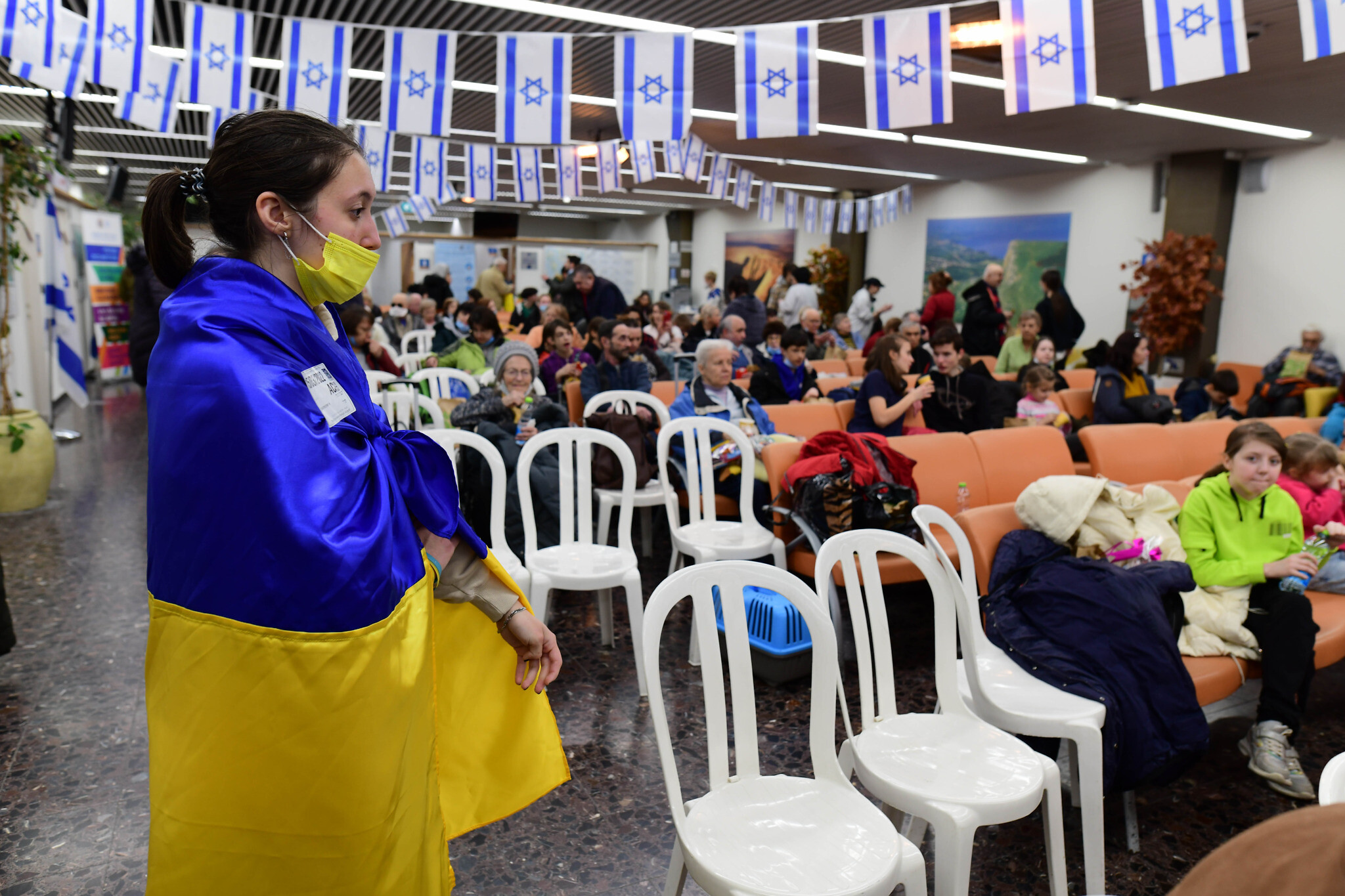
Since Sunday, the Foreign Ministry has processed 910 applications of Ukrainians while they wait in Europe, Eyal Siso, who heads the ministry’s consular affairs unit, told a Knesset panel Tuesday. He said 30 diplomats in Israel and Europe were dealing with some 1,500 applications submitted thus far.
According to Siso, 800 applicants were approved. Israel rejected 110 of the requests largely because applicants had been in Israel illegally in the past, he added.
The ministry is also spearheading efforts to collect and distribute aid pouring in from Israel for refugees who have made it to Poland, Moldova and Romania and other locations in Europe.
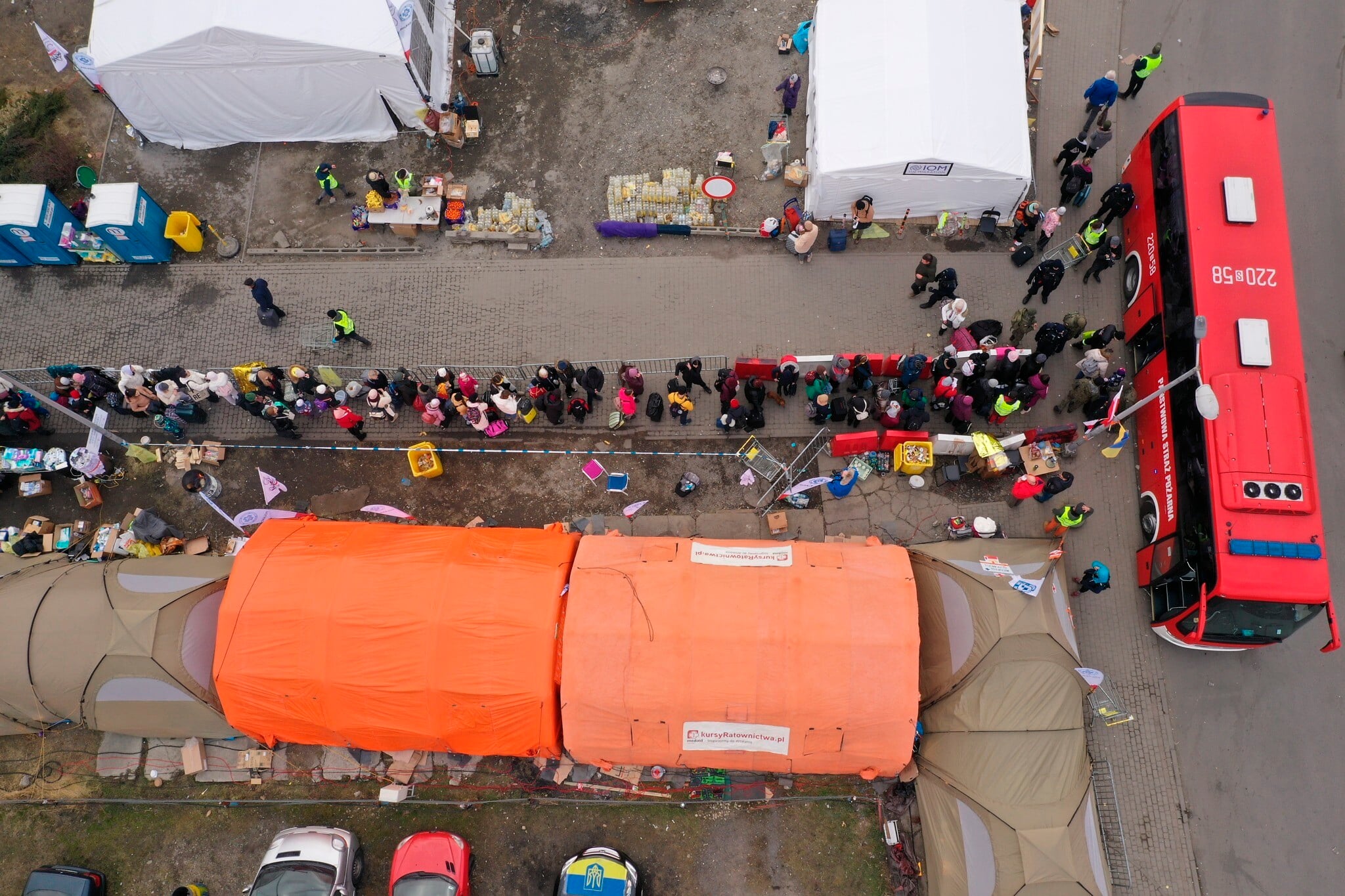
A makeshift situation room was set up to coordinate the donations, led by former ambassador to the Czech Republic Daniel Miron.
Earlier this month, Israel’s government sent 100 tons of humanitarian aid, including medical supplies, water purification systems, winter coats, sleeping bags and other items.
Prime Minister Naftali Bennett has pointed to the aid as proof of Israel’s commitment to helping Ukraine, after his government was criticized for its reluctance to fully align with Ukraine and its Western allies in condemning and confronting Putin.
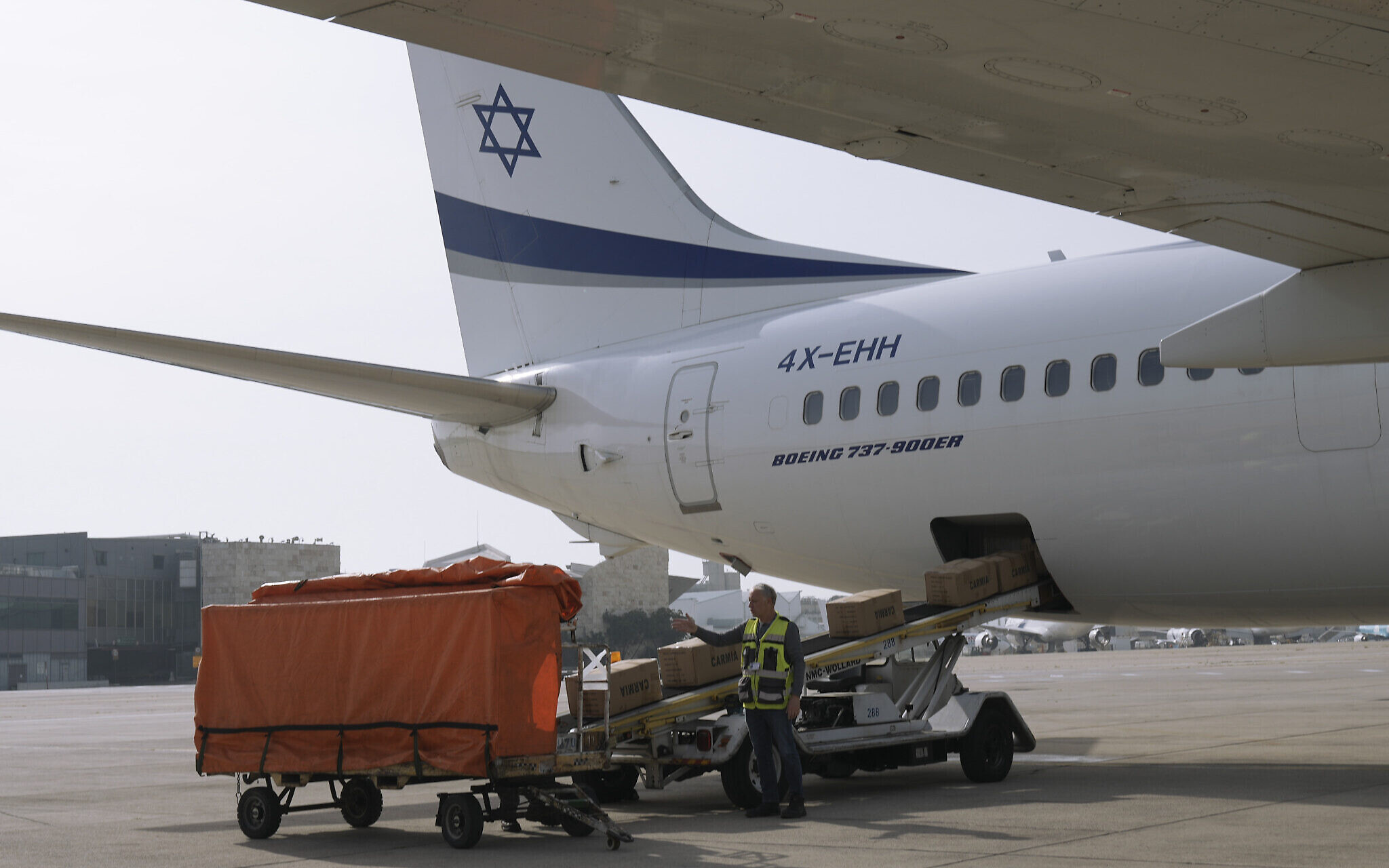
In Poland, where the vast majority of refugees fled in the first two weeks of the war, a diplomatic rift between Jerusalem and Warsaw has been put on the backburner by the war.
Six months after downgrading ties over a Holocaust restitution law, Lapid has dispatched veteran envoy Yakov Livne to be ambassador to Poland.
The move was made in order to “enhance assistance to Israeli citizens crossing the border from Ukraine to Poland, and in view of the importance of events and the central role Poland is playing in them,” the foreign ministry said.
Doctors across borders
The Foreign Ministry is also playing a leading role in what is expected to be among Israel’s largest contributions to alleviating the crisis: a field hospital to be set up inside Ukraine. On Monday, the government approved operation Kochav Meir, named after Israel’s Ukraine-born prime minister Golda Meir.
The operation, the government said in a statement, will be led by the foreign and health ministries and operated by medical staff from Sheba Medical Center, Schneider Children’s Medical Center and other healthcare system personnel.
According to the statement, the hospital will include an ER, a delivery room, an X-ray machine and other medical services for men, women and children, including options for remote treatment from doctors in Israel.
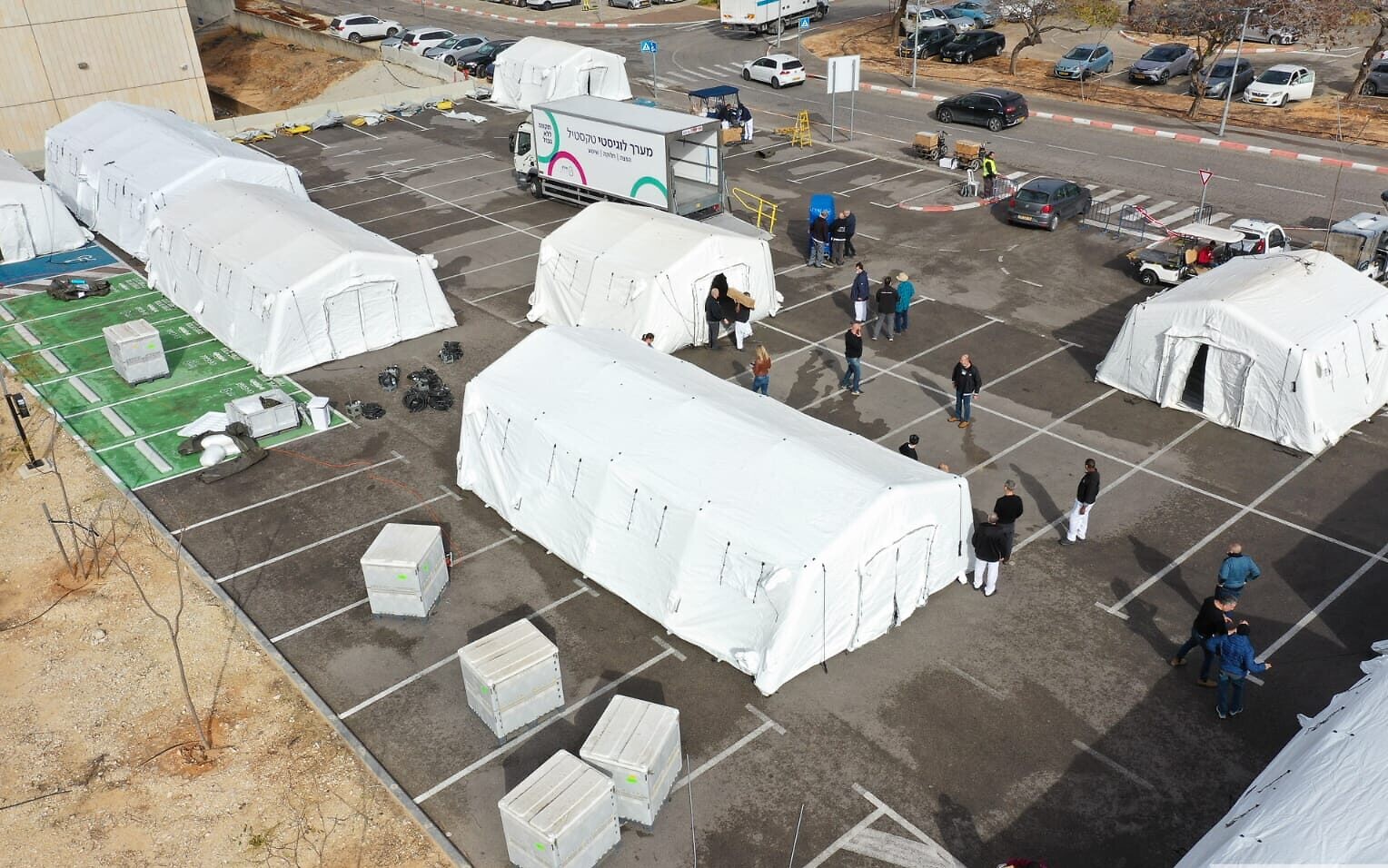
It is expected to cost NIS 21 million ($6.5 million), which will come from the government, the Schusterman Family Foundation and the Joint Distribution Committee.
In total, over 100 staff members are expected to work in the field hospital, which is slated to be active for about a month.
A team of foreign ministry and health ministry staff is already in place in Ukraine, handling preliminary logistics. Diplomats say securing the site will be a major challenge, with fears that expensive equipment and medicines could be stolen by Ukrainians facing an increasingly desperate situation.
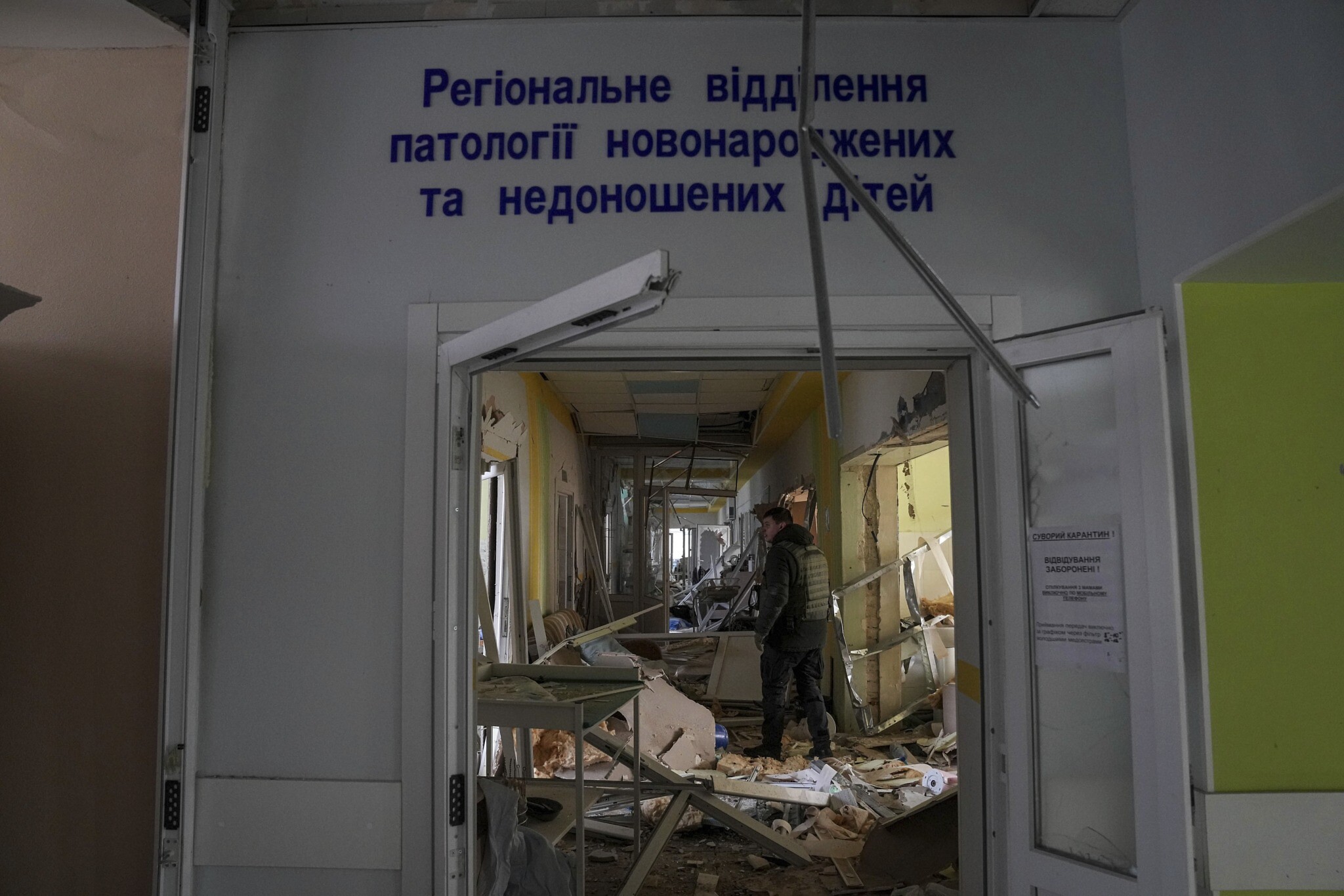
Officials emphasize that the Israel Defense Forces, which normally takes the lead in setting up field hospitals following natural disasters abroad, will have no public role in this effort, in order to avoid even a whiff of military meddling.
The ministry has refused to say where the hospital will be situated other than in a school parking lot about 11 kilometers inside Ukraine.
שמחות קטנות בים החדשות הקשות מאוקראינה. שיירת הגנרטורים העצומים שנשלחו מ-#שגרירות_ישראל_ברומא לעיר לביב, הגיעה לגבול סלובקיה-אוקראינה ונכנסת כעת פנימה.נקווה שבמהרה יחוברו בתי החולים בלביב לחשמל רציף. "…כאילו הציל עולם מלא".ותודה למש"ב ולקונסול חנוך.@IsraelinItaly@IsraelHebrew pic.twitter.com/jNVQiTE7b2
— Dror Eydar דרור אֵידָר (@droreydar) March 14, 2022
Israel has also purchased six giant electricity generators for Lviv’s main hospital Each generator weighs seven tons and transporting them has been a slow affair. Israel’s ambassador in Rome, Dror Eydar, purchased the generators in Italy and got spots for them on trucks into Ukraine on Thursday. On Monday, the trucks crossed into Ukraine from Slovakia.
“We hope they’ll quickly be connected to provide hospitals in Lviv with constant power,” Eydar tweeted, referencing an ancient Jewish teaching about the importance of saving a single life, “… it’s as if you saved the whole world.”








The Times of Israel Community.