

Red Sea tanker traffic rises as progress in US-Iran talks buoys shippers
Vessels crossing Bab el-Mandeb strait reach four-day high following Saudi-Houthi tensions, easing pressure on oil shipments with Strait of Hormuz still largely closed off
 Add ToI as a Preferred Source on Google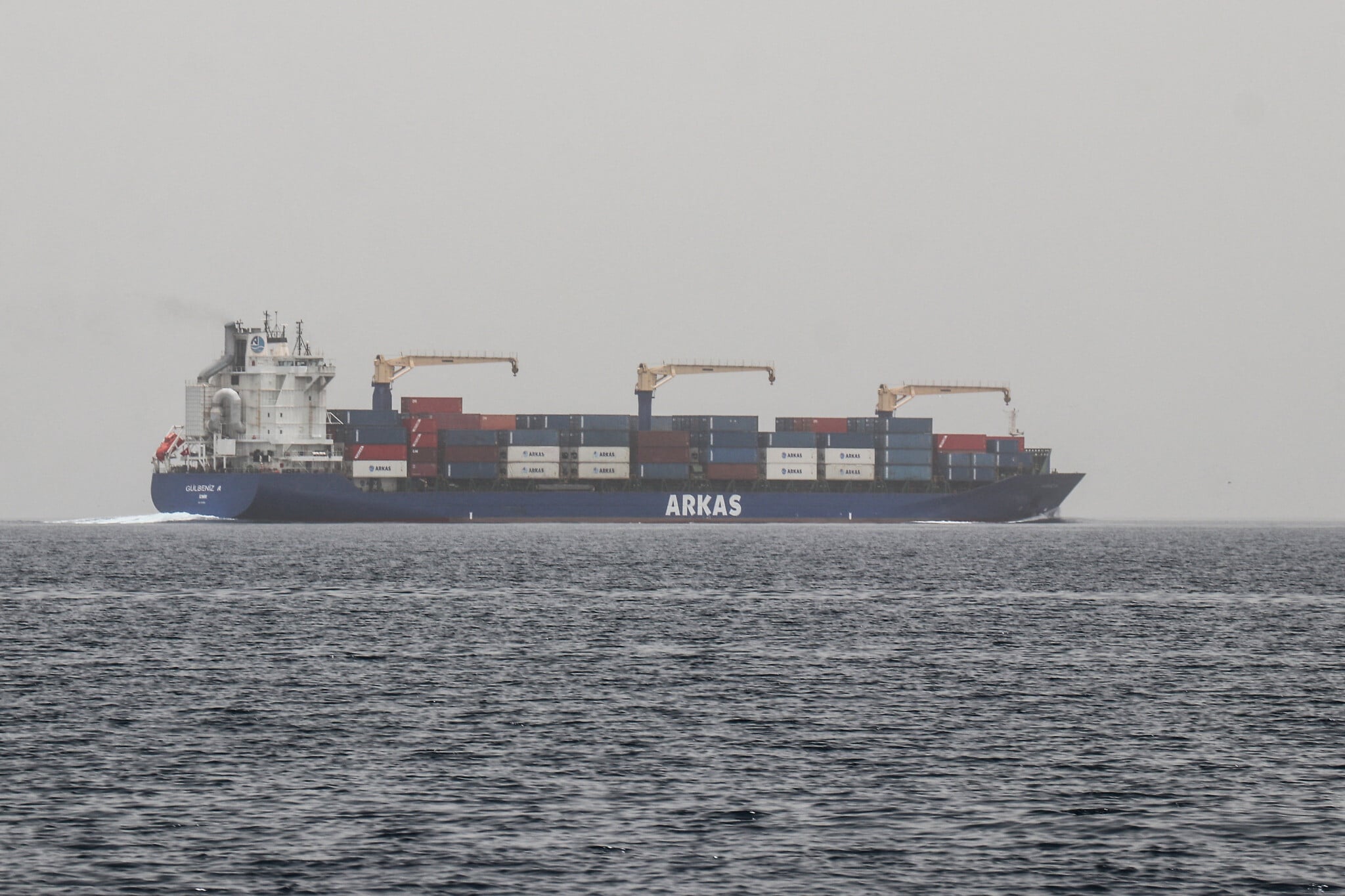
NEW DELHI, India (Reuters) — The number of vessels that passed through Bab el-Mandeb, a crucial trade route connecting the Red Sea with the Gulf of Aden, rose to 28 on Monday, while traffic through the Strait of Hormuz remained low, according to Kpler shipping data, amid optimism about a potential resolution to the US-Iran conflict.
The vital strait, which links to the Indian Ocean and the Suez Canal, has taken on increased strategic importance in recent months following Iran’s closure of the Strait of Hormuz. However, concerns had risen in recent days that Yemen’s Iran-backed Houthi rebels could shut the waterway, blocking Gulf energy supplies from reaching world ports.
Traffic through the Bab el-Mandeb strait, which passes between Yemen and Djibouti, was still below the month’s daily peak of 46 vessels recorded on July 14, the data showed.
US President Donald Trump said on Monday that Washington’s negotiations with Iran were progressing and could lead to a resolution after hostilities resumed earlier this month. But he also warned that military action, which paused over the weekend, could restart if the talks collapsed.
The threats followed disputes regarding Iran’s attacks on US ships. Iran issued similar comments about retaliation.
Of the 12 vessels that entered the Red Sea on Monday, four were oil tankers, according to data as of Tuesday morning.
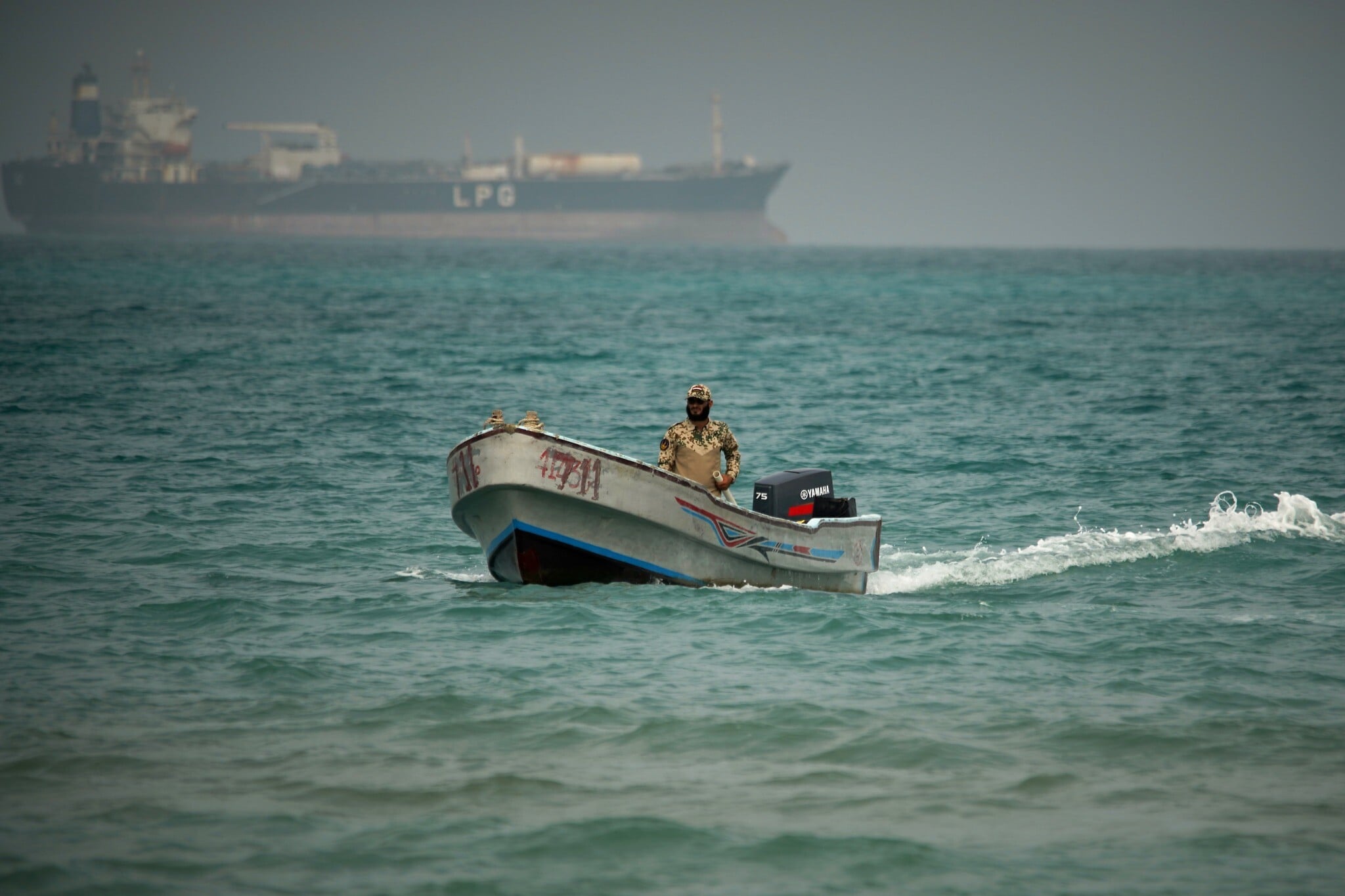
The 16 vessels that exited the Red Sea on Monday included 10 oil tankers, indicating that energy shipments formed a large share of traffic through the waterway.
Hong Kong-flagged New Pearl, carrying 2 million barrels of Saudi crude oil, exited the Red Sea for eastern China’s Zhoushan port, the fourth Chinese supertanker to leave since the Iran-backed Houthis declared a naval blockade on Saudi shipping through the strait.
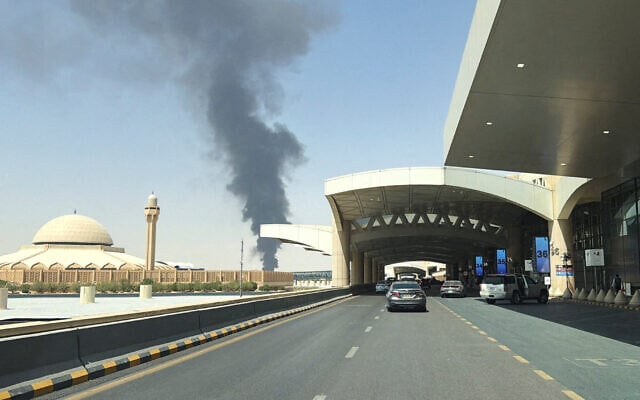
Tensions between Saudi Arabia and the Houthis escalated last week as the rebel group attacked oil tankers and Aramco facilities along the Red Sea coast.
The Red Sea has become a main conduit for Gulf oil, with Hormuz closed.
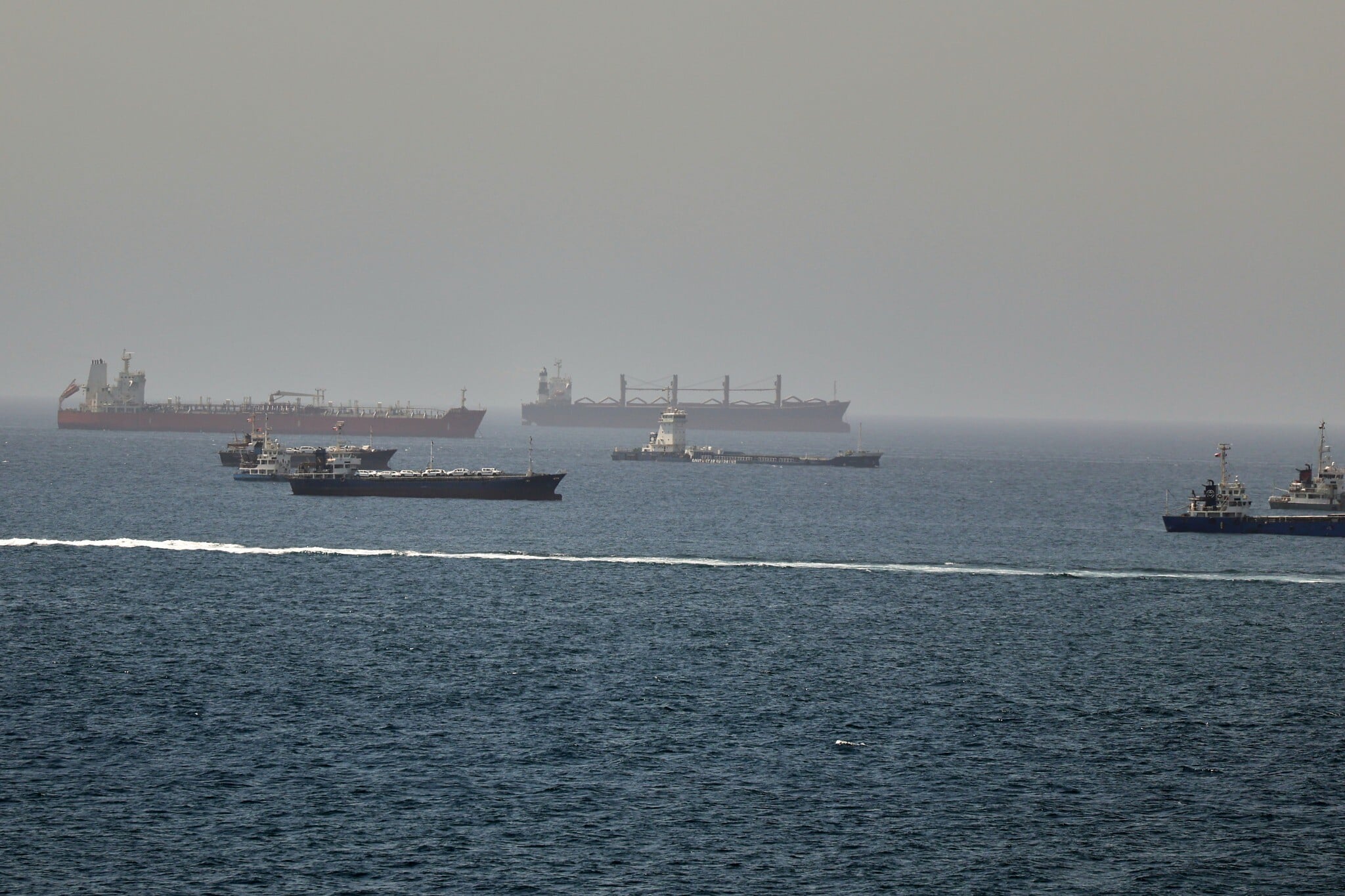
Iran closed the Strait of Hormuz in early March following joint Israeli-US strikes on Iran, sending global energy prices soaring.
The US has held talks with Iran in recent months aimed at reopening the strategic waterway, through which roughly one-fifth of the world’s oil supply normally passes, but negotiations have made little progress.
Earlier this month, the US resumed strikes on Iran in response to attacks on vessels attempting to transit the strait.
Traffic through the Strait of Hormuz remained low on Monday, with six commodity-carrying vessels transiting the waterway. They included an Iranian-linked tanker and a large crude carrier that entered with its tracking transponder switched off, making it more difficult to monitor. Four of the vessels entered the strait, while two exited.
Seven vessels transited the strait on Sunday, including three Iranian-linked oil products tankers that exited the strait.









The Times of Israel Community.