

Russia sharing satellite imagery and drone technology with Iran – report
Moscow said providing its own domestically produced components to improve strike capabilities of Iranian Shahed drones; White House says support not making any difference to war
 Add ToI as a Preferred Source on Google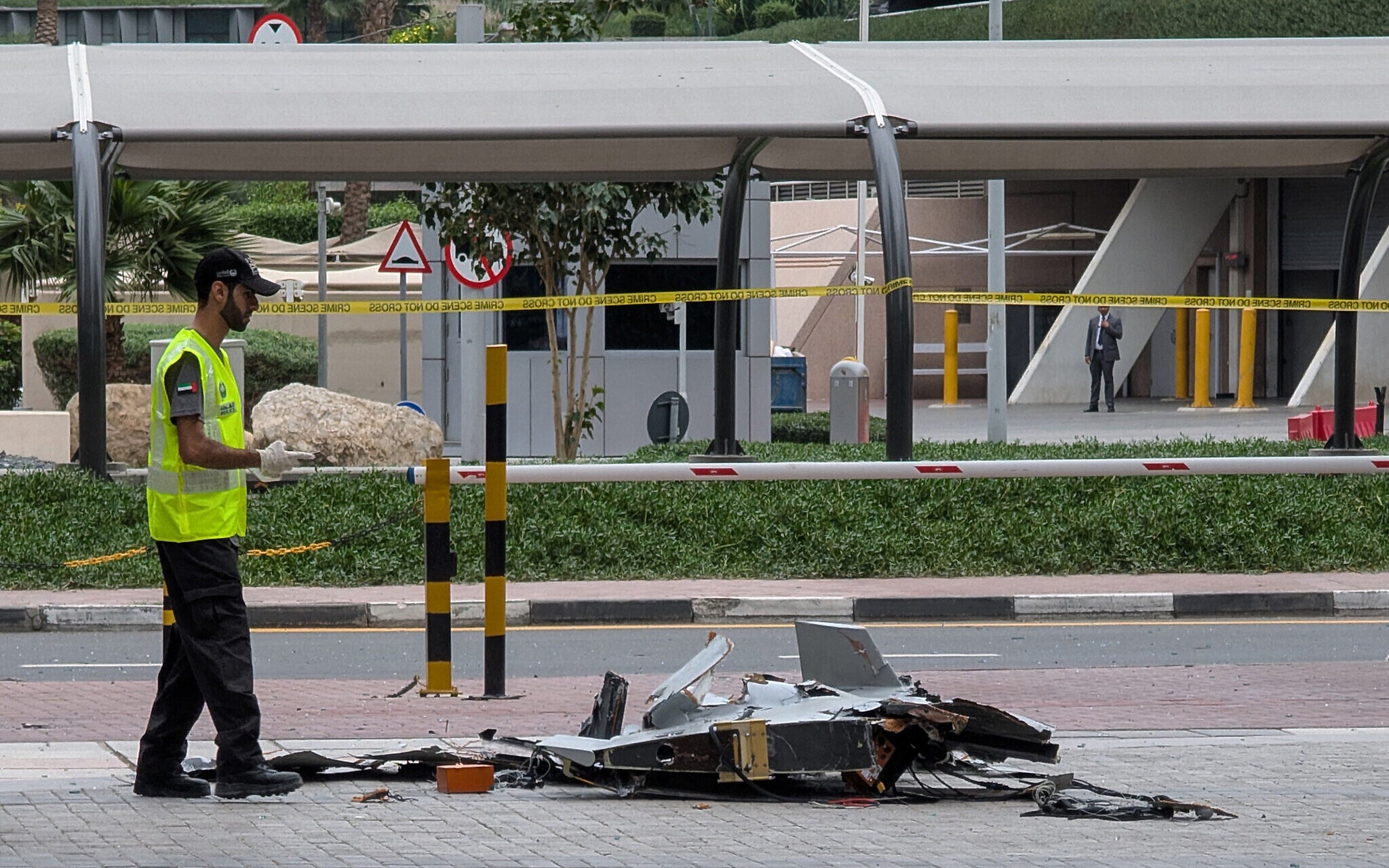
Russia has been expanding its intelligence sharing and military cooperation with Iran, providing satellite imagery and improved drone technology to aid Tehran’s targeting of US forces in the region, the Wall Street Journal reported Wednesday, citing people familiar with the matter.
According to the report, Moscow is helping its ally Iran with the aim of dragging out the war, as it has economic and military benefits for Russia.
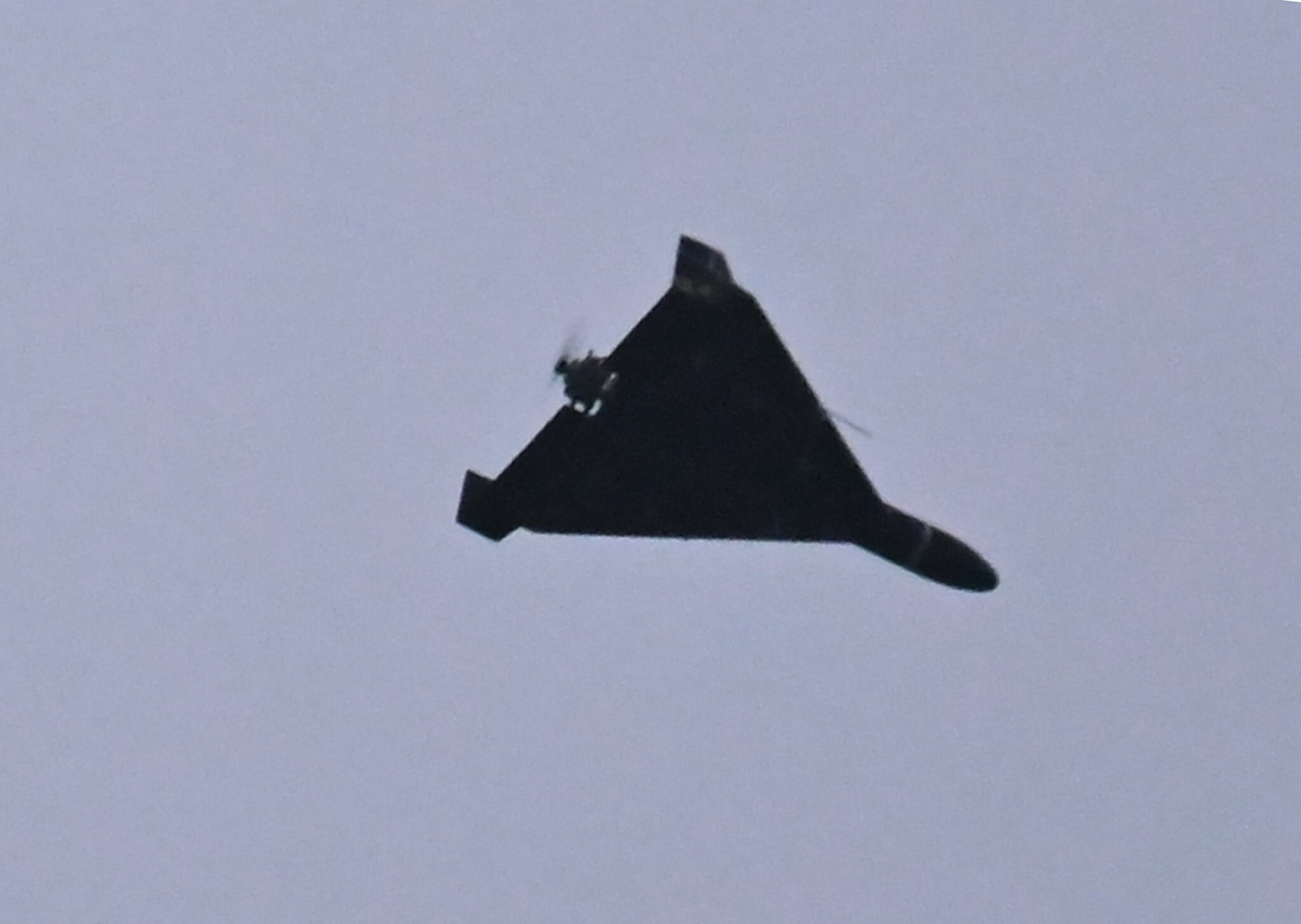
Sources, including a senior European intelligence officer, said Russia has been supplying Iran with parts to modify Shahed drones, providing them with improved communications, navigation, and targeting capabilities. Shahed drones are made by Iran, but the Russians have their own domestically produced versions. The Russians have also been sharing their experience in using the weapons against Ukraine, with advice on how best to launch attacks with multiple drones.
The Journal and the Washington Post have both previously reported that Russia was giving Iran satellite information about the location of US forces in the Middle East. Sources told the Journal in its recent report that such cooperation has further increased and is believed to have aided the Iranians in hitting US radar systems in the region.
The information is coming from satellites operated by the Russian Aerospace Forces, one official said.
The Kremlin did not respond to a request for comment.
White House spokeswoman Olivia Wales shrugged off the report, saying that Russian support to Iran is not having a significant impact on war achievements.
“Nothing provided to Iran by any other country is affecting our operational success,” she said, claiming that US strikes on Iranian assets have led to “their missile attacks decreasing by 90 percent and their drone attacks decreasing by 95%.”
Iran has launched numerous missile and drone attacks on countries hosting US bases in the region, as well as on Israeli population centers, in retaliation for the American-Israeli campaign that began on February 28 with extensive airstrikes and has continued unabated ever since.
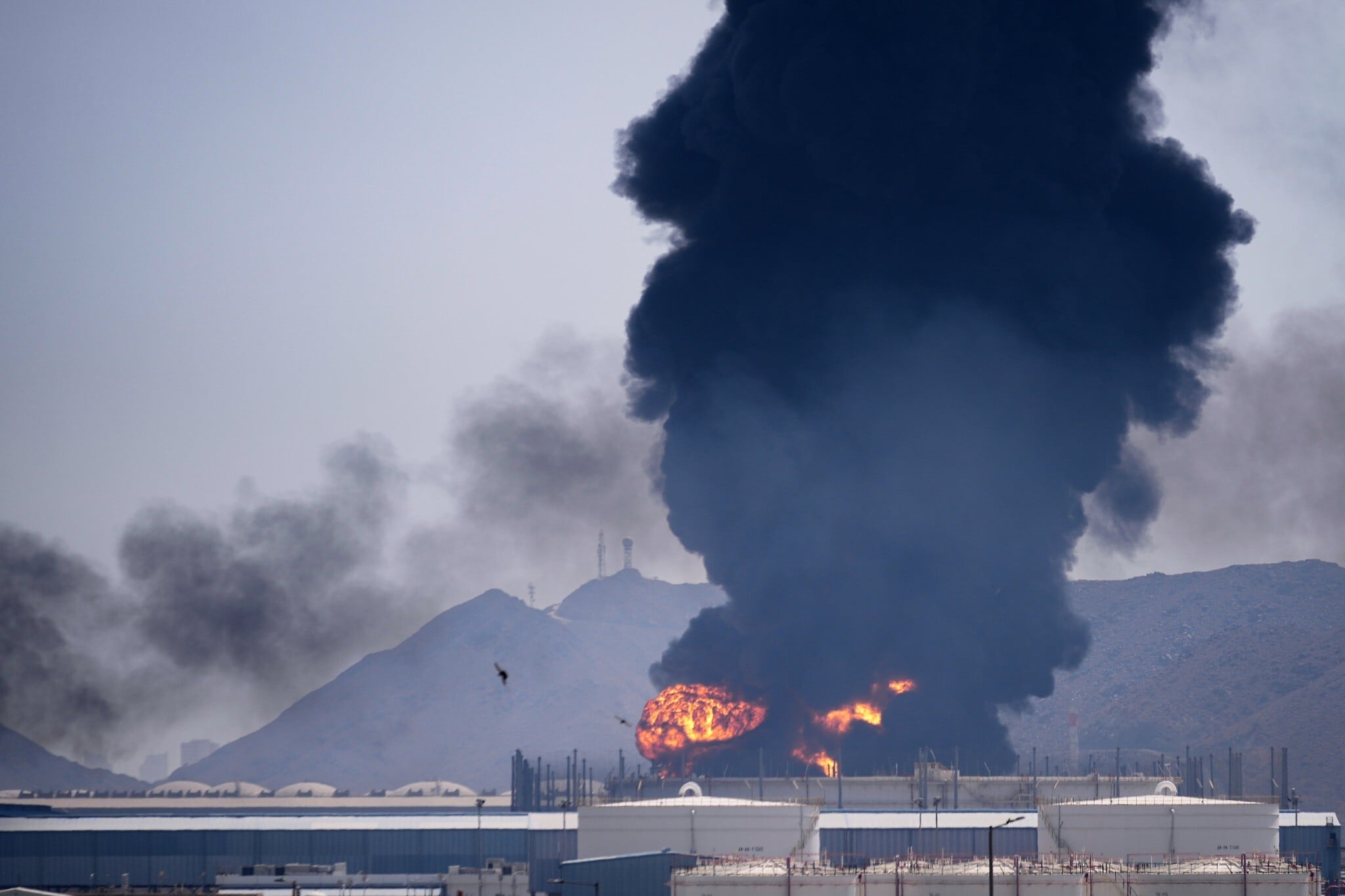
Earlier this month, CNN reported that satellite imagery shows several US radar sites in the region have been hit, impeding air defense capabilities, including one servicing a THAAD defense battery in Jordan and several radar systems in the United Arab Emirates. The New York Times reported on seven US radar and communication sites hit across the region. Drone and missiles have also hit civilian targets and oil infrastructure in Gulf countries, causing casualties and damage.
Ukraine says that Russia has used some 57,000 Shahed drones in the ongoing war between the two countries. In addition to thousands it received from Iran, Russia has also been manufacturing the drones itself, giving them improved targeting abilities and better resistance to electronic warfare jamming, the Journal said. Some of those improvements are now being shared with Iran.
Meanwhile, Kyiv has developed a range of cheap and effective drone interceptors — aerial craft designed to hit incoming attack drones mid-air. Earlier this month, the Washington Post reported that Ukrainian military personnel were expected to arrive in the Gulf to help countries there fend off Iranian drone attacks.
With Iran seeking to strangle off the Strait of Hormuz, a key oil shipping route connecting the Persian Gulf to the Arabian Sea, oil prices have risen, boosting a key element of the Russian economy. In addition, Moscow is seen to be benefitting from the US depleting stocks of interceptor missiles that the Ukrainians want for their own air defenses.
Russia and Iran have long enjoyed close ties, and in January 2025, the two countries signed a strategic partnership agreement to further improve cooperation, including military and defense partnerships.








The Times of Israel Community.