

Shay Brosh identified as ex-naval commandos head suspected in submarine affair
Commander of elite Shayetet 13 unit from 1987-1991 arrested on suspicion of accepting bribes, breach of trust
 Add ToI as a Preferred Source on Google
Stuart Winer is a breaking news editor at The Times of Israel.
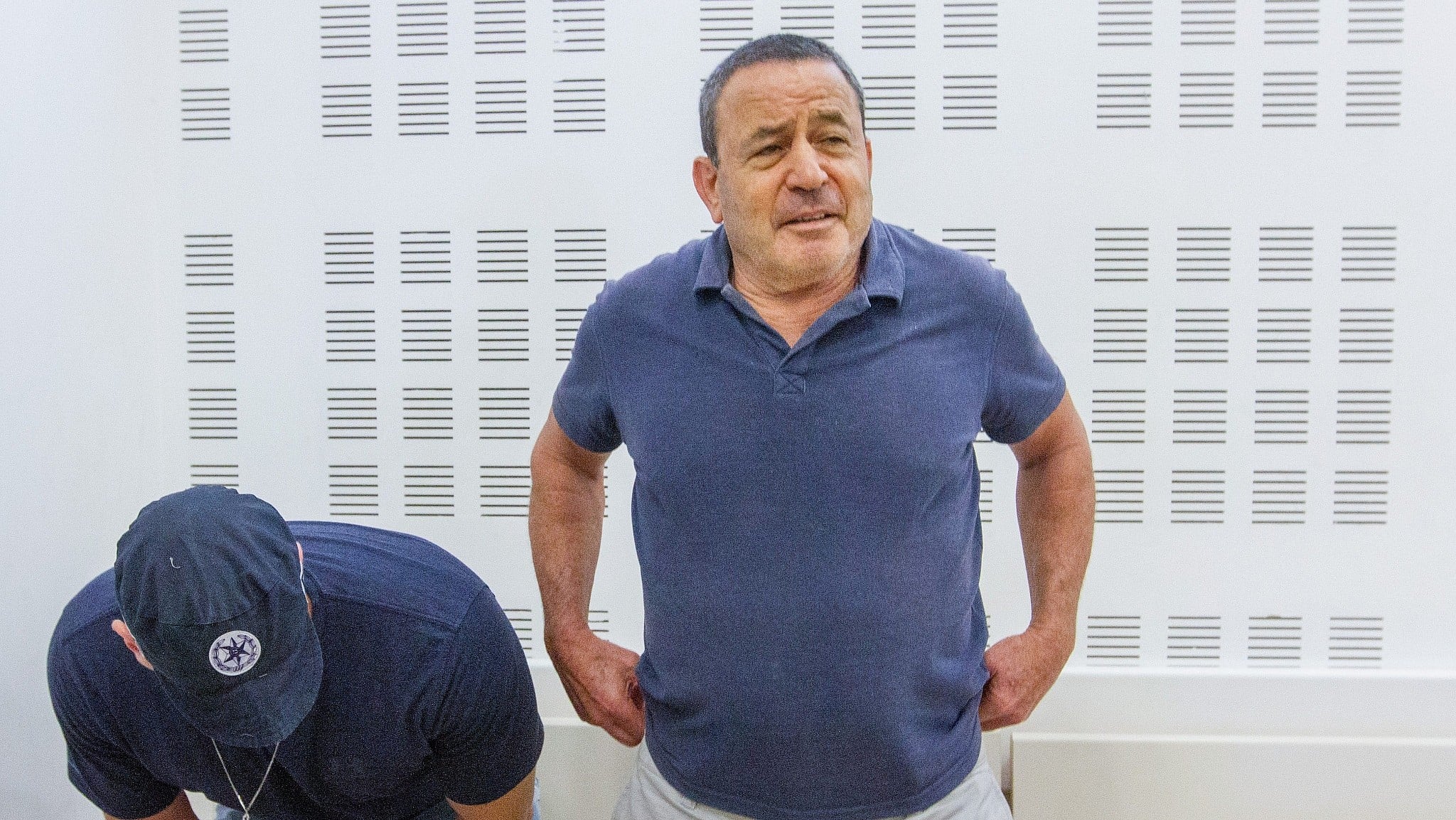
A former commander of the navy’s elite Shayetet 13 commando unit, who was arrested in connection with a major corruption investigation involving the multi-million dollar purchase of ships from a German company, was named Tuesday as Brigadier General (res.) Shay Brosh.
Brosh, 65, is suspected of taking bribes, fraud, and breach of trust. He was commander of Shayetet 13 in 1987-1991 and later headed naval intelligence.
Brosh left the position in September 1997 after a failed mission in which 11 commandos were killed in a Hezbollah ambush in Lebanon. His name, initially withheld, was cleared Tuesday for publication by the Rishon Lezion Magistrate’s Court.
Police suspect that Brosh received bribes to exploit his navy connections, by way of a company he set up with state witness Miki Ganor who is at the center of the submarine affair, dubbed Case 3000.
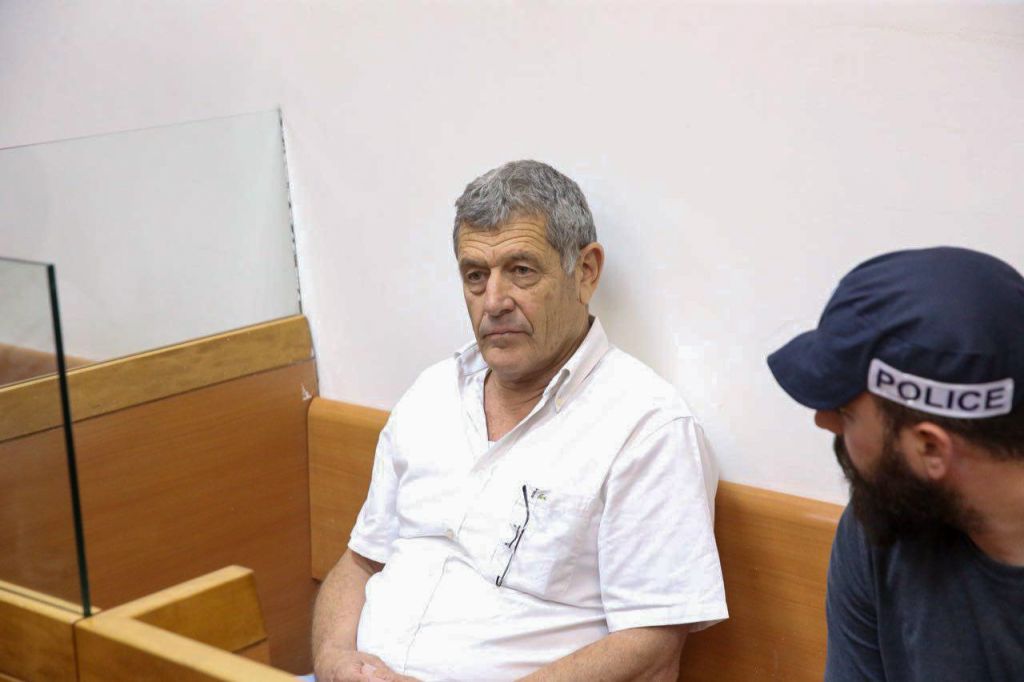
On Monday, Eliezer (Moodi) Sandberg, a former minister and associate of Prime Minister Benjamin Netanyahu was named as another suspect in the ever-expanding corruption investigation. The same day police named Rami Taib, a senior aide to Energy Minister Yuval Steinitz, as a suspect in the investigation. Taib was arrested on suspicion of bribery, money laundering, and conspiracy to commit a crime. Steinitz has not be identified as a suspect in the case, but was expected to give police testimony.
Brosh was arrested on Sunday along with five other suspects including David Sharan, who served as Netanyahu’s bureau chief from late 2014 to 2016, and who is suspected of bribe-taking, fraud, breach of trust, and conspiring to commit a crime. Also arrested were senior reserve IDF officers and strategic adviser Nati Mor, who has worked with several senior government officials.
During a court session on Sunday, Brosh’s state-appointed legal representative said his client had founded a company with Ganor based on their earlier friendship. At some point Brosh began to suspect that Ganor was hiding information from him and circumventing him on some matters so he decided to dissolve the partnership, according to a Channel 2 report.
Brosh asked for financial compensation in return for the time and effort he had put into the business and the two agreed that attorney David Shimron, also a suspect in the case, decide the amount.
Brosh insists he is completely innocent, his court representative said, and argued that Ganor is trying to save himself from justice by selling out his friends. However, the court noted that information gathered cast sufficient suspicion on Brosh and extended his arrest by four days.
On Sunday evening, it was reported that former deputy head of the National Security Council Atalia Rosenbaum, who served as the number two on the NSC from 2009 to 2010, was questioned two weeks ago as part of the probe on suspicion of mediation for bribery. After her interrogation, she was released under restricted terms.
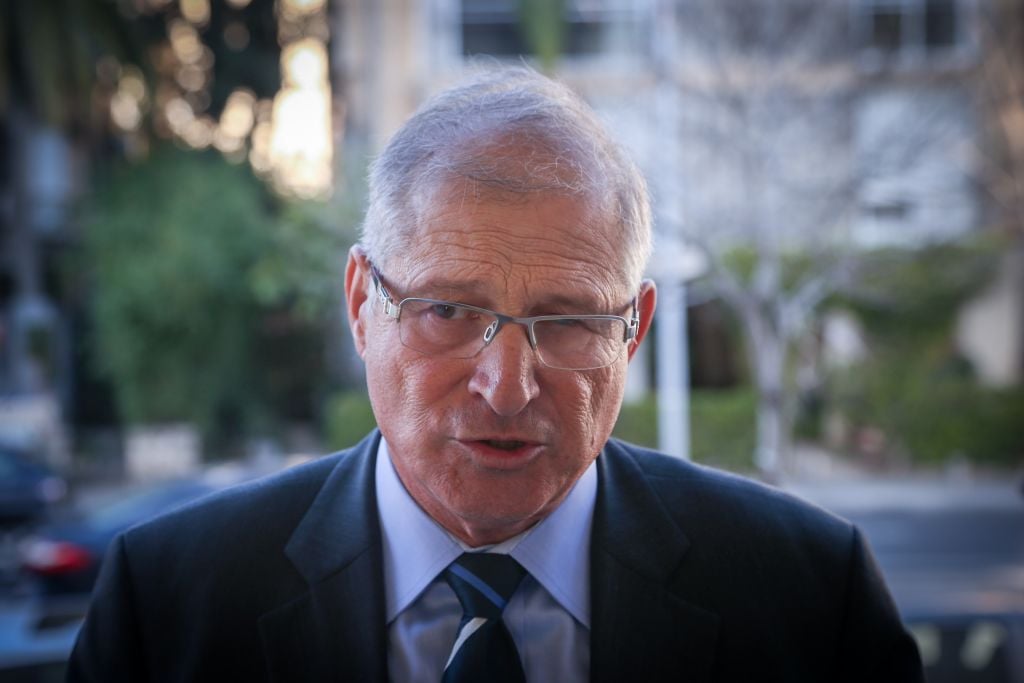
Investigators suspect that Ganor, along with former National Security Council deputy head Avriel Bar-Yosef, paid bribes in connection with the decision to buy three submarines from German shipbuilder ThyssenKrupp, despite opposition from the Israeli Defense Ministry.
They also reportedly influenced decisions to buy naval corvettes to protect Israel’s offshore gas fields and awarded ThyssenKrupp a contract to service other naval vessels.
While Netanyahu is not suspected in the case, his personal lawyer, Shimron, has been questioned several times by Lahav 433, the police anti-corruption unit.
When he turned state’s witness, Ganor was suspected of fraud, money laundering and conspiracy to commit a crime. He has reportedly been transferred to a police safe house.
Times of Israel staff contributed to this report.








The Times of Israel Community.