

Shein jacket shipped to Israel exceeds EU chemical rules by 3,269 times – probe
Greenpeace tests 56 items supplied by online Chinese-founded platform, finds 4 in 5 shipped to Israel contain hazardous materials, with two exceeding EU regulations
 Add ToI as a Preferred Source on Google
Sue Surkes is The Times of Israel's environment reporter
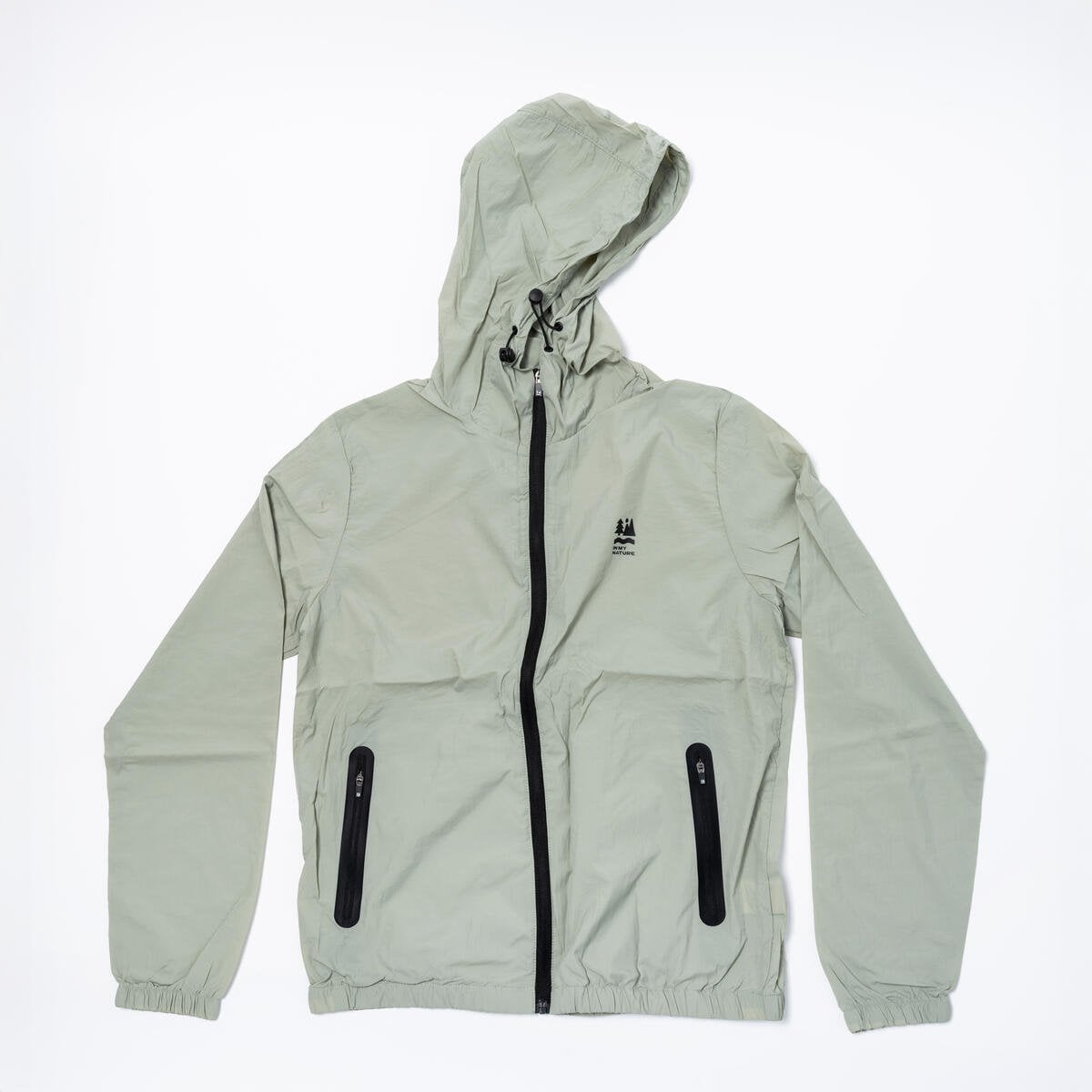
A jacket shipped to Israel by Shein, the online fashion website with the highest traffic rate in the world, contained 3,269 times the permitted levels of a group of chemicals linked to cancer, reproductive and developmental disorders in children, and immune system damage, according to an investigation by the environmental group Greenpeace.
Levels of PFAS (per- and polyfluoroalkyl substances) were found at levels of 850 milligrams per kilogram of fabric, way above the 0.26 milligrams per kilogram allowed by European regulations.
Greenpeace had 56 items of clothing from eight countries, including Israel, tested in Germany for hazardous substances.
Out of the five items bought in Israel, four contained hazardous substances, of which two exceeded the limits set by the European Chemicals Regulation (REACH).
In addition to the jacket, a pair of women’s sandals contained excessive levels of phthalates, used as softeners. These chemicals have been linked with hormonal disruptions and damage to growth, fertility and child development. They are also toxic to the marine environment.
Asked to comment, Shein had not responded by press time.

Greenpeace purchased 56 clothing items from the Chinese-founded company in eight countries this year: Israel, Germany, Portugal, Switzerland, Austria, Sweden, Spain and Thailand.
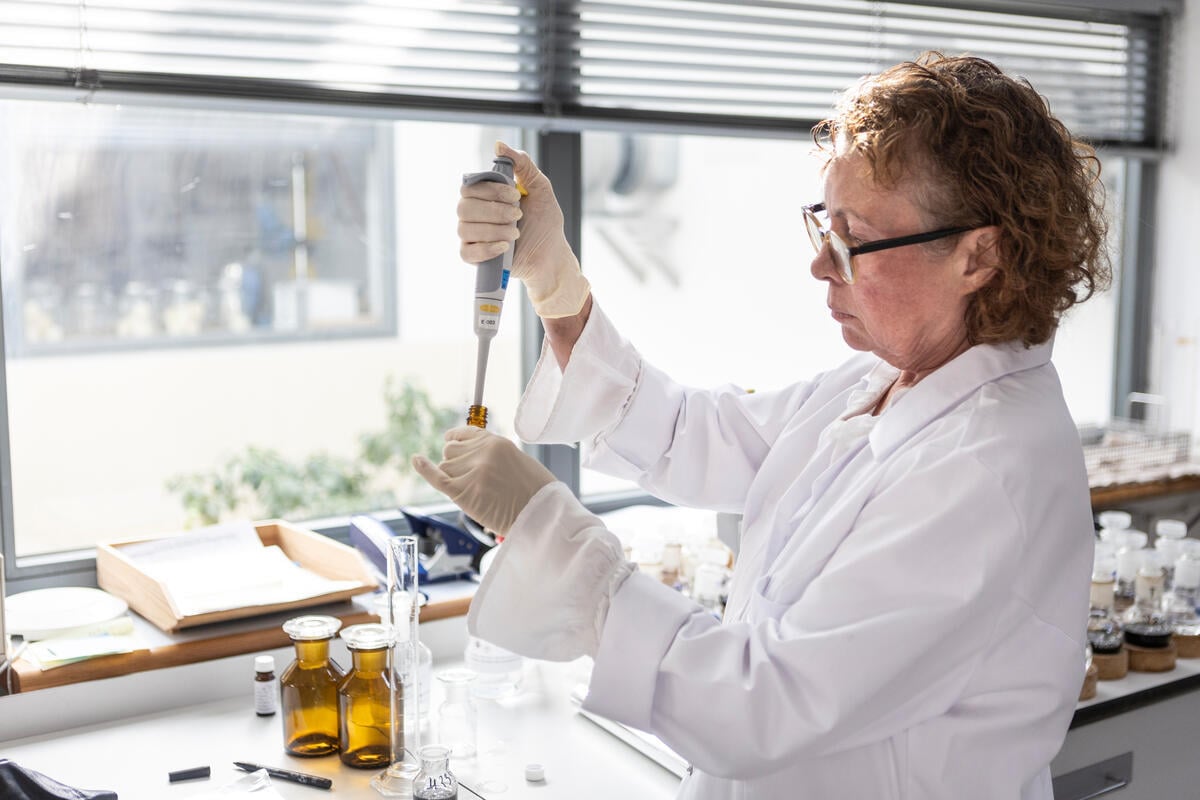
It sent them for hazardous chemicals analysis to the Bremer Environmental Institute in Germany. The laboratory looked for certain chemicals, depending on the material the item was made of.
According to the report, published Sunday, 18 of the items tested (32 percent) contained hazardous chemicals that exceeded EU regulations.
That, the report said, was despite the company’s voluntary commitments to improve chemical control in its products.
PFAS, known as “forever chemicals” for their ability to remain in the environment for a long time, are used to repel water and dirt from clothing.
When washed or discarded, the substances break down and enter water sources, soil and the food chain.
Consumers are exposed to the chemicals via contact with skin, sweat, or inhaled fibers.
Phthalates were found to exceed European regulations in 14 products, including the sandals bought in Israel.
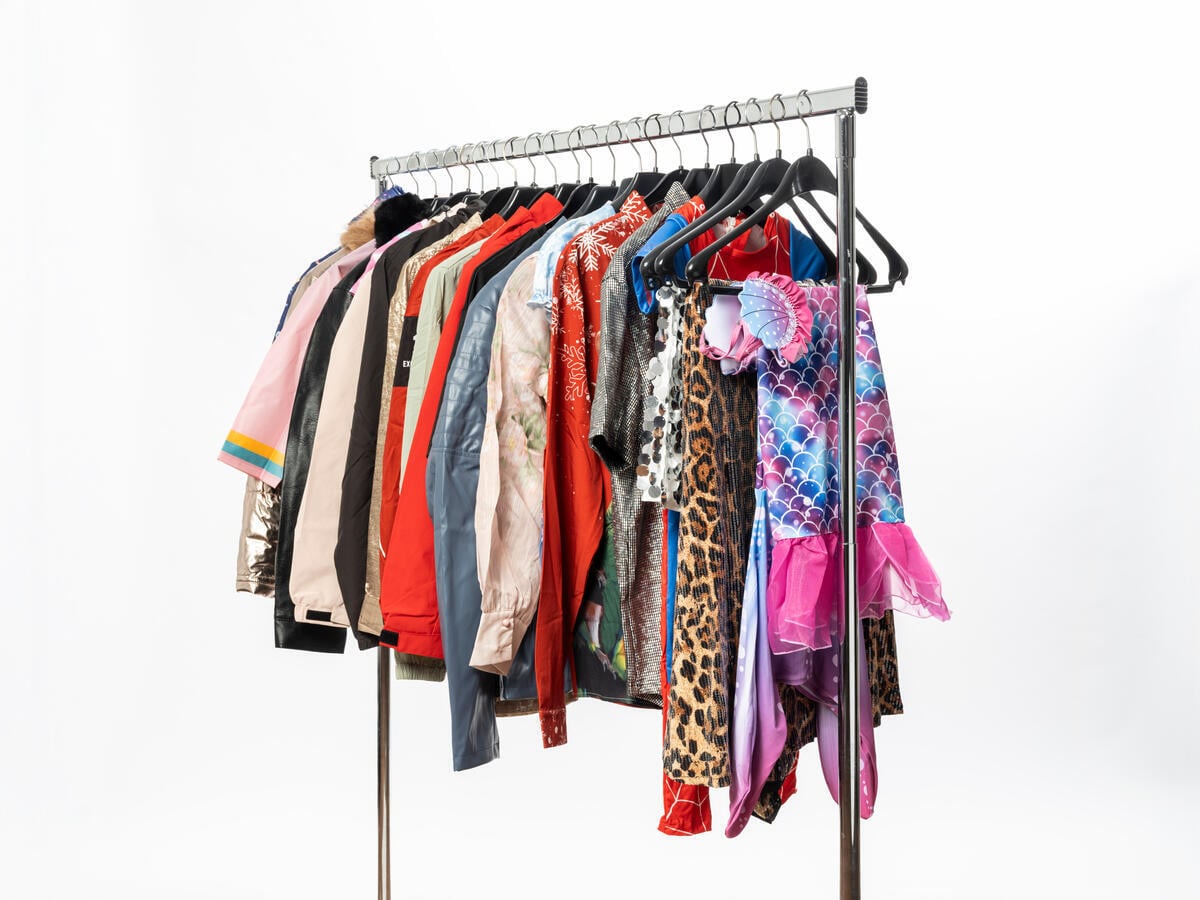
Furthermore, the heavy metals lead and cadmium were found in 28 items, including three items bought in Israel. Two items, purchased outside of Israel, exceeded what was allowed.
A Greenpeace statement said that Israel was on its way to adopting the European regulation, REACH, which stands for Registration, Evaluation, Authorisation and Restriction of Chemicals. But it added that the regulatory mechanism for implementing it was “stuck,” leading to “significant regulatory gaps and knowledge gaps regarding the chemicals in products arriving in Israel and their impact.”
Neta Shalit, head of consumer affairs at Greenpeace Israel, said that Shein represented “a broken system of overproduction and overconsumption, greed and pollution of the planet.”
She went on: “To stop the flood of clothes and finally demand responsibility from manufacturers, we need strong laws against fast fashion that will protect the Israeli consumer.”
These would make textile manufacturers and importers responsible for a product’s lifecycle, including end-of-life collection and recycling, and would oblige all online platforms selling directly to Israelis to comply with the European chemicals regulation.










The Times of Israel Community.