

Shelters erected in areas hit hard by missiles, but Arab towns again overlooked
‘NIS 100 million for the entire country is nonsense,’ says mayor of Tamra, where four members of a single family were killed in an Iranian attack
 Add ToI as a Preferred Source on Google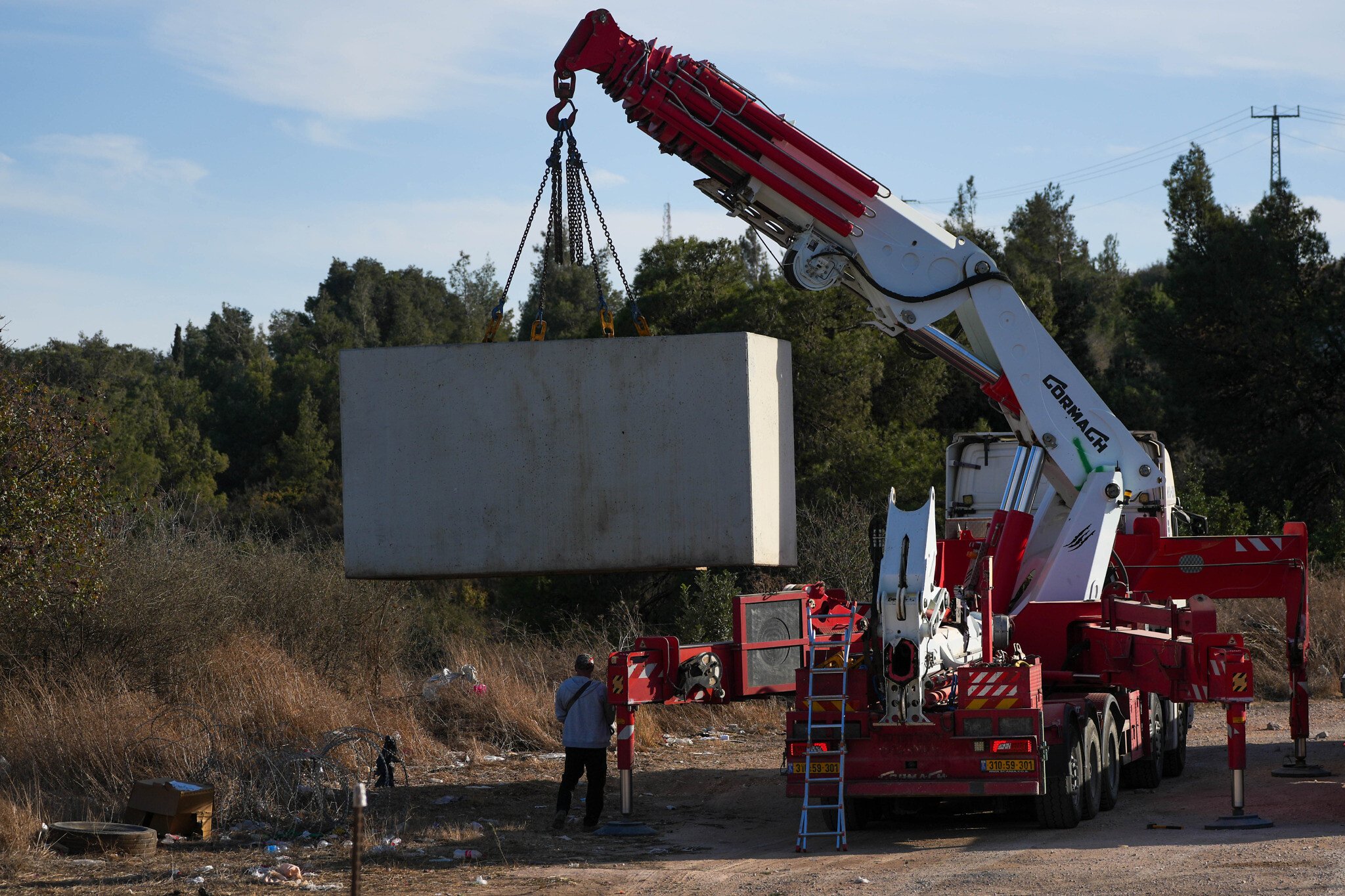
The Home Front Command and Defense Ministry have begun implementing a NIS 100 million ($29 million) plan to revamp Israel’s protective infrastructure following the war with Iran.
Half of the money is slated for the Home Front Command to build new portable shelters in areas with a shortage of protective infrastructure, while the other half will go toward renovating existing shelters, where Defense Ministry contractors will upgrade electricity, ventilation and plumbing.
The shelters have already started going up in areas surrounding Tel Aviv, including Bnei Brak, Herzliya, Ramat Hasharon and Hod Hasharon. However, Arab Israeli locales — despite a glaring shortage of protected spaces — have been largely overlooked in the campaign, said local officials.
Musa Abu Rumi, the mayor of Tamra, was skeptical that the plan would make a difference for his municipality. A home in the northern Arab town was hit directly by an Iranian ballistic missile on June 14, killing a mother, her two young daughters, and their relative.
Abu Rumi said only half of the plan’s allocated budget bears any relevance to Arab society. “The government decided that it will use NIS 50 million for the renovation of public shelters, but in Arab society there are no public shelters, so what can be renovated?” he said. “As for the remaining NIS 50 million — to spend [so little] on erecting mobile shelters for the entire country is not serious.”
He said that the Home Front Command had contacted him about the plan to erect mobile shelters, but spoke in vague terms without promising any shelters for Tamra in particular.
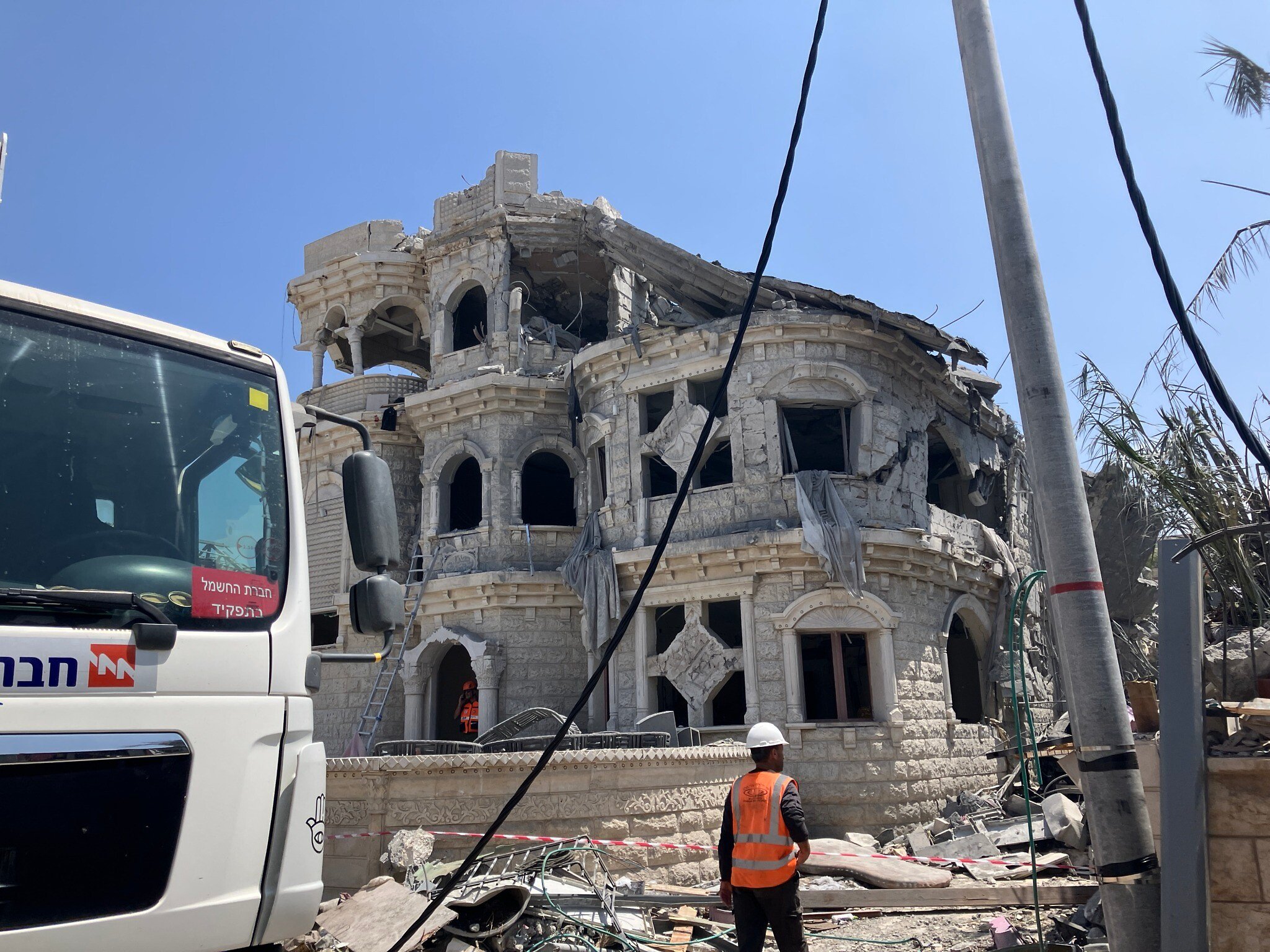
According to the Israel Democracy Institute, a 2018 report by the State Comptroller found that 46% of Arab citizens lived in buildings without protected spaces, compared to 26% of the general population. The report also found an almost total lack of public shelters in most Arab locales, including in large cities like Umm al-Fahm and Rahat.
Open war broke out on June 13, when Israel attacked the Islamic Republic with the aim of thwarting its nuclear program. Over the course of 12 days, the IDF targeted Iran’s top military leaders, nuclear scientists, uranium enrichment sites, and ballistic missile program.
Iran responded by launching over 550 ballistic missiles and around 1,000 drones at Israel, killing 28 people and wounding thousands, according to health officials. The missiles hit apartment buildings, a university and a hospital, as well as critical infrastructure sites, causing heavy damage.
Though the war ended Tuesday with a US-brokered ceasefire, Israel Defense Forces Chief of Staff Eyal Zamir warned the same day that “the campaign against Iran is not over.”
In light of the potential threat, the Home Front Command is first distributing shelters in the Dan area of central Israel. Afterwards, more will be built in the Shfela (Judean foothills) region, and then the Krayot, a cluster of suburbs just north of Haifa, the Kan public broadcaster reported last week.
Unlike the roadside rocket shelters to be found near the Gaza border in Israel’s south, the new shelters are built to better withstand ballistic missile blasts, with heavy-duty steel doors — an urgent concern sparked by the conflict with Iran.
An official in the Hod Hasharon municipality told The Times of Israel that the city had already received three shelters from the Home Front Command and expected three more in the coming days.
חשיפת "כאן חדשות": החלה הצבת מיגוניות "ארבל" במרכזי ערים במרכז הארץ במקומות ללא מספיק ממ"דים ומרחבים מוגנים. תיעוד מעכשיו מרמת השרון pic.twitter.com/G7wMlfsXIC
— איתי בלומנטל ???????? Itay Blumental (@ItayBlumental) June 18, 2025
He said that the locations of each shelter were determined in “full coordination” with the Home Front Command. They will bulk up the city’s protective infrastructure, which consists of some 30 public shelters and 40 protected spaces within schools.
But Arab municipalities have been left out of the loop regarding the distribution of portable shelters, said officials in several locales.
Ofer Tuder, the Umm al-Fahm municipality director, told The Times of Israel that the city was not contacted at all regarding the plan.
“[Regarding] the plan to distribute mobile shelters, they did not contact us… Today they gave us one mobile shelter that is said to arrive in the coming days, but this is nothing compared to the existing need,” he said.
Umm al-Fahm, one of Israel’s most populous Arab municipalities, consists of some 16,000 homes, but only about 10 percent of them have a protected space, he said, adding that there are no public shelters in the city.
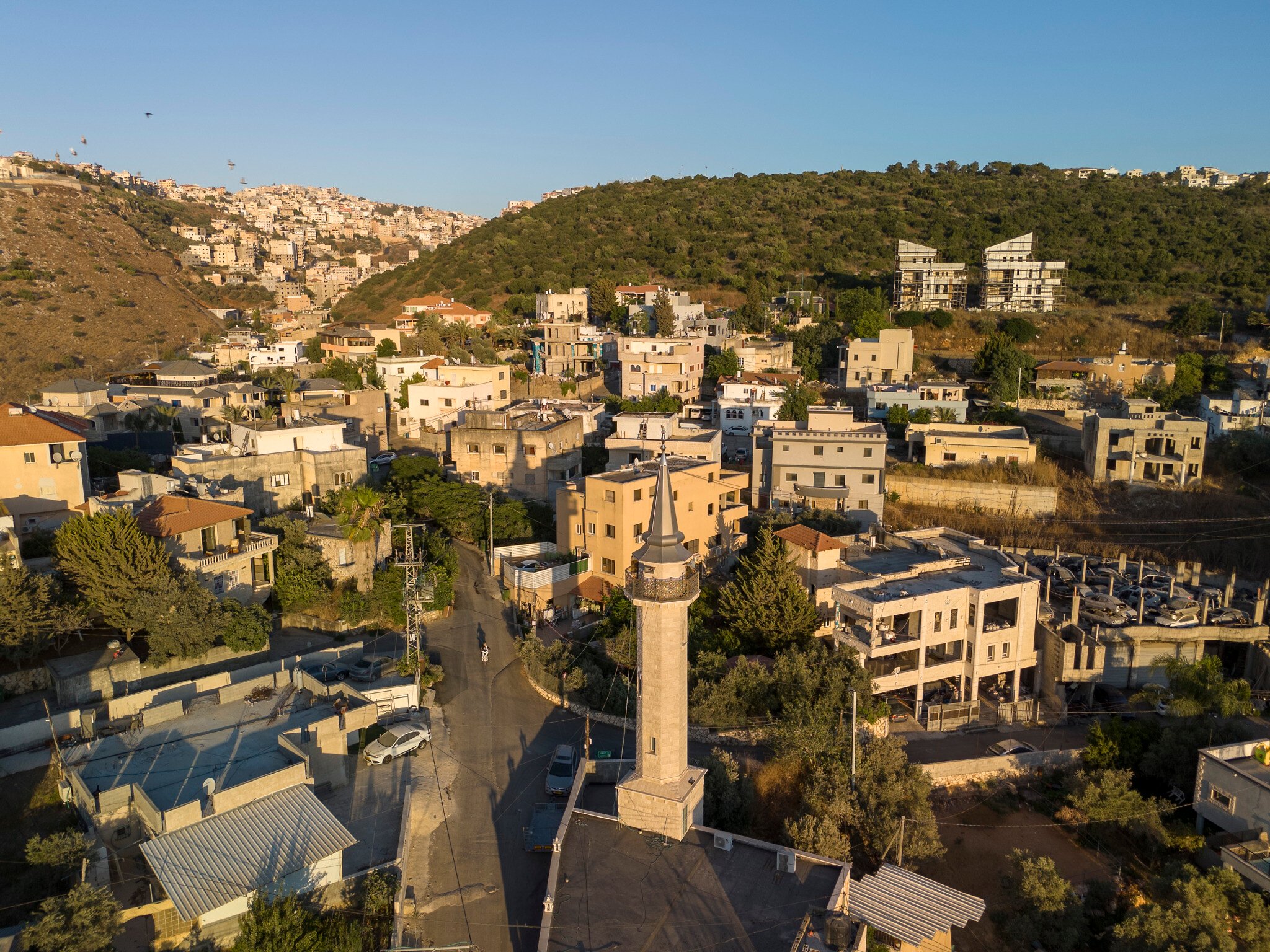
Tuder said that during a siren, most residents take cover in the protected spaces located within schools, but “there’s immense difficulty, the educational institutions aren’t able to fit the majority of the residents.”
During a Monday meeting of the Knesset State Control Committee, MK Waleed Alhwashla of the United Arab List (Ra’am) called attention to a serious shortage of protective infrastructure in Bedouin Arab society.
“We have heard about the funds that were budgeted for the local authorities by the government — NIS 100 million. We demand that a large part of this budget be directed toward Bedouin locales in order to provide protection for citizens,” he said to the committee.
Some 100,000 Bedouin citizens live in about 35 unrecognized villages across the Negev Desert, in ramshackle homes that offer no protection from rockets or missiles.
It was noted in the committee discussion that government reluctance to erect shelters in these areas stems from the worry that such structures would formalize the status of an unrecognized village. But even official municipalities, such as Rahat, have struggled to obtain proper protective infrastructure.
“We had a conversation with the Home Front Command a few days ago, and they suggested we bring sacks and fill them with sand,” Rahat Mayor Talal al-Krenawi told the committee.
“How could one possibly bring some sacks, fill them with sand and say: Here, a bomb shelter?” he asked incredulously.
The mayor was referring to the “Hesco bastion,” a type of temporary shelter often found in unrecognized villages consisting of sand-filled burlaps supported by steel nets. These structures lack roofs, leaving those seeking cover vulnerable to falling missiles and shrapnel.
In light of the government’s inaction in the south, many organizations have spearheaded their own shelter-building initiatives.
Activists with the left-wing Standing Together movement on Tuesday morning installed two portable shelters in the unrecognized Bedouin villages of Khirbet al-Watan and Umm Ratam, with funds raised from supporters.
“In the next few days, more shelters will be placed in unrecognized villages, with the goal of protecting the residents,” said a spokesman for the movement.






The Times of Israel Community.