

Memory Under Fire: Holocaust Research and Education Continues in Ukraine
Even as missiles rain on Kyiv, the Babyn Yar Holocaust Memorial Center restores names of the Holocaust victims, digitizes archives, and defends truth against both bombs and denial.
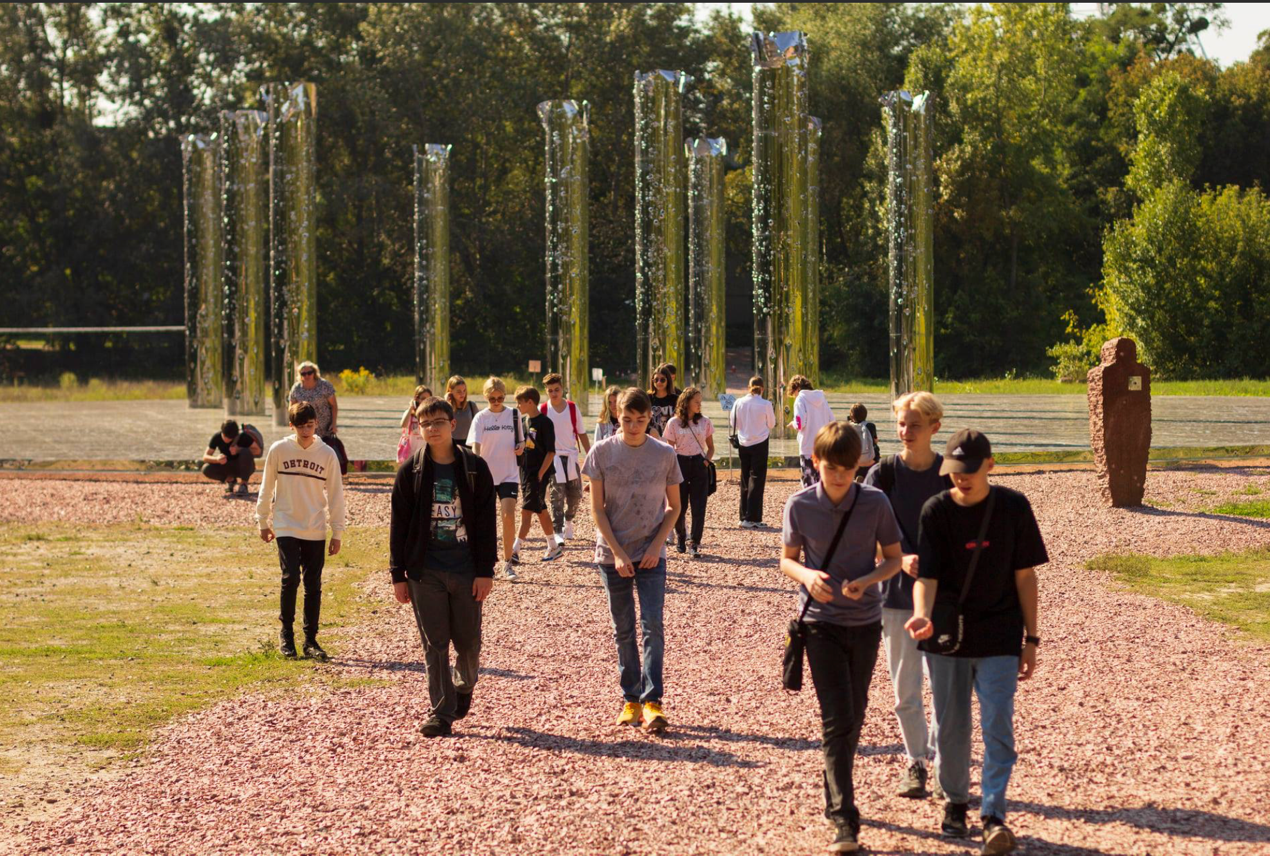
More than three years into Russia’s full-scale invasion, Ukraine lives under the shadow of relentless bombardment. Yet the Babyn Yar Holocaust Memorial Center (BYHMC) has continued its mission to preserve the memory of the Holocaust under extraordinary circumstances. Despite danger and uncertainty, the Memorial Center has carried on its work and achieved milestones that resonate far beyond Ukraine. This progress underscores a simple truth: safeguarding memory is inseparable from safeguarding democracy and human dignity.
A Massacre Remembered
At Babyn Yar, the largest mass grave in Europe and enduring symbol of the “Holocaust by bullets,” nearly 100,000 souls were silenced. On September 29–30, 1941, the eve of Yom Kippur, 33,771 Jews – men, women, and children – were murdered by Nazis gunfire in just two days. In the years that followed, tens of thousands more Jews, Roma, Soviet POWs, and Ukrainian political prisoners were executed in the ravine.
For decades under Soviet rule, their memory was suppressed, their graves unmarked, and their names erased from history. Today, through the painstaking work of the Memorial Center, 29,732 victims have been identified and restored to the record — 1,031 of them uncovered in the midst of today’s war.
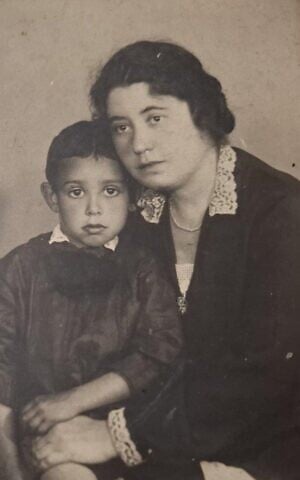
One discovery revealed the fate of Esfir Ulanovskaya and three boys. Esfir was born in Vienna around 1898, the daughter of Yosef Finkelshtein. In the mid-1920s, she married Yakov Ulanovsky, and the young family settled in Kyiv. Esfir worked at the Kyiv Knitting Factory until the birth of her children, after which she dedicated herself to raising them and caring for the household. The Ulanovskys had three sons: Adolf, born on May 4, 1927; Boris, born around 1933; and Leonid, born on November 9, 1936. In September 1941, Esfir and her three boys were murdered at Babyn Yar.
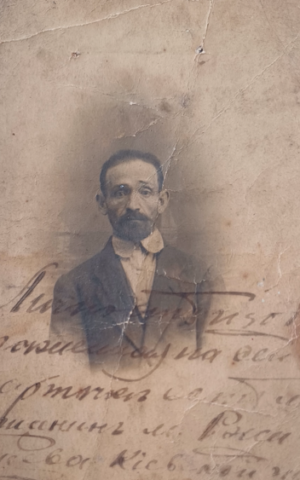
Among the new victims’ names revealed today is Yankel Krakovich. Yankel was born around 1880 in the town of Bakhmut in Kharkiv province. As a young man, he moved to Rzhyschev in the Kyiv province. After the Revolution of 1917, Yankel, together with his wife Leah and their four sons, Daniil, Erakhmiel, Moishe, and Hirsh, settled in Kyiv. They lived near Zhylianska Street, where Yankel worked as a tailor. When the war broke out, his family had the chance to evacuate, but Yankel refused to leave. He stayed behind in Kyiv while one of his sons managed to depart with his family. Neighbors remember seeing Yankel for the last time in late September 1941. He was walking with a suitcase in the direction of Babyn Yar.
Restoring Dignity
Ahead of the 84th anniversary this year, the newly discovered names were read aloud at the ravine for the first time. The Jewish Kaddish prayer was recited by Rabbi Dov Bleich. “Every name we bring back into existence contributes to the preservation of memory and restores dignity,” said Natan Sharansky, the Center’s chairman.
A Ravine of Memory
Babyn Yar has always been a complicated place. A ravine where tens of thousands were executed became a park where children played, their laughter echoing above unmarked graves.
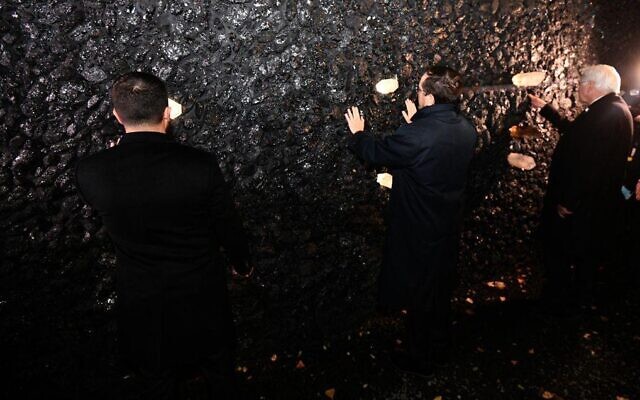
When the Babyn Yar Holocaust Memorial Center was founded in 2016, its mission was both ambitious and urgent: to uncover truth, restore names, and give the site the dignity of remembrance. By 2021, on the massacre’s 80th anniversary, the Presidents of Ukraine, Israel, and Germany gathered here to inaugurate new memorial installations.
Marina Abramović’s shimmering Crystal Wall of Crying stretched along the ravine; a symbolic synagogue, designed like an unfolding book, rose in prayer; and the Mirror Field, with its ten steel columns pierced by bullets, reflected both the horror of the past and the fragility of the present.
Then came February 2022. Russian missiles struck Kyiv. Debris scarred the memorial grounds. Once again, Babyn Yar became a place under fire.
Working Under Fire
Despite the war, the Memorial Center refused to close. “We had no choice,” said CEO Anna Furman. “If memory is erased during war, then history dies twice.”
Over the past three years, more than 300,000 people have visited the site despite the danger – among them world leaders, diplomats, and descendants of survivors. The Center has hosted over 600 educational tours for schoolchildren, held interfaith prayers, and staged commemorations even as air raid sirens blared.
Beyond the Names Project, the Center has undertaken one of the largest archival rescues in Eastern Europe. Since the invasion began, eight million documents have been digitized – seven million of them during wartime. Birth certificates, court records, and fragile photographs have been scanned and secured, pixel by pixel, safe from bombardment and decay.
This enormous effort was recognized internationally when Babyn Yar’s documentary heritage was inscribed in UNESCO’s Memory of the World Register. For Ukraine, a nation whose cultural treasures remain under direct threat, the achievement was both symbolic and practical: proof that history can be shielded, pixel by pixel, from annihilation.
Enduring Memory
Walking through the Mirror Field today, the bullet-pierced columns reflect a Kyiv skyline scarred by sirens and fire. Yet at their center rises the Tree of Life, an image of renewal.
Every digitized document, every restored name, and every visitor who pauses at the ravine is proof that memory endures. For Ukraine, Babyn Yar is a statement of resilience: even under bombardment, truth can be defended, dignity restored, and the past preserved as a guide for the future.
Today, September 29, 2025, the Babyn Yar Holocaust Memorial Center held a prayer by Chief Rabbi of Ukraine Moshe Asman and Chief Rabbi of Ukraine Yakov Dov Blaich at the massacre site in Kyiv. In Jerusalem a commemoration event was held in partnership with the International March of the Living and the National Library of Israel. Newly identified victims’ names were unveiled, followed by a panel titled “Memory in Wartime.”
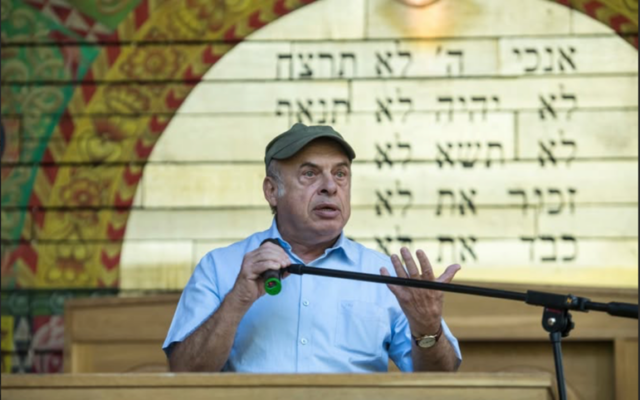
As Chairman Sharansky noted, the war in Ukraine is not only about territory, but also about history itself: “Russia seeks to bend or erase the past; Babyn Yar insists on telling it whole.” Sharansky commended the Ukrainian government for their continued support in spite of the war: “In the midst of a prolonged and difficult war, the Ukrainian authorities have continued to support our work. In times of war, the duty to protect truth becomes even more urgent.”