

State of the Union could be Trump’s best chance to sell voters on Iran plans
Annual address before Congress late Tuesday comes as US president has amassed forces in the Mideast and threatened strikes, but has yet to publicly make detailed case for an attack
 Add ToI as a Preferred Source on Google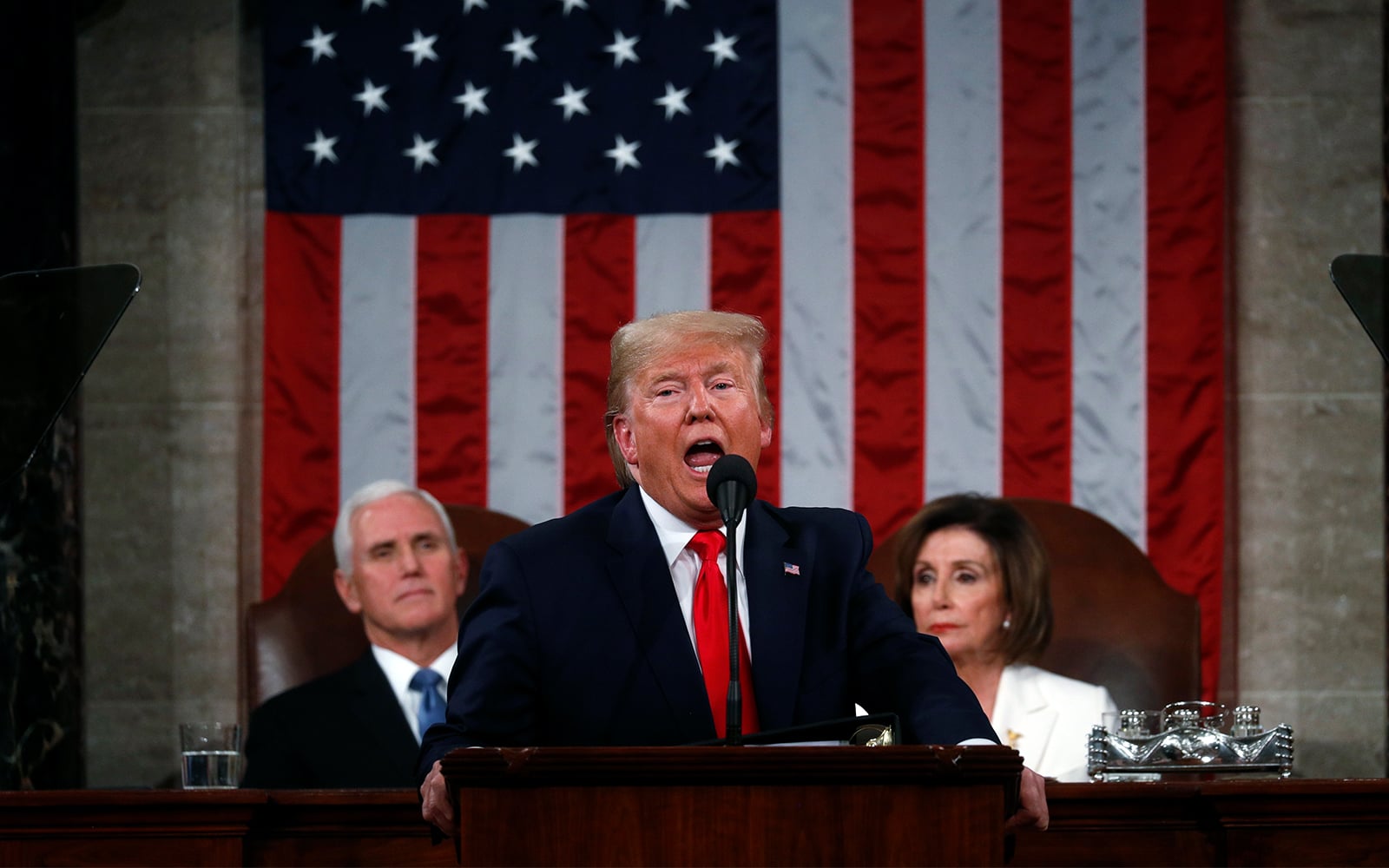
Reuters — US President Donald Trump’s State of the Union address on Tuesday provides him with a nationally televised opportunity to persuade skeptical American voters to rally behind his threatened strikes against Iran over its nuclear program and its deadly crackdown on anti-regime protesters.
Advisers have urged Trump to focus on the economy, immigration and other domestic policy issues when he takes the US House of Representatives podium for the speech at 9 p.m. Eastern Time (4 a.m. Israel time on Wednesday).
Even with midterm elections approaching in the US, that has not been his focus to date.
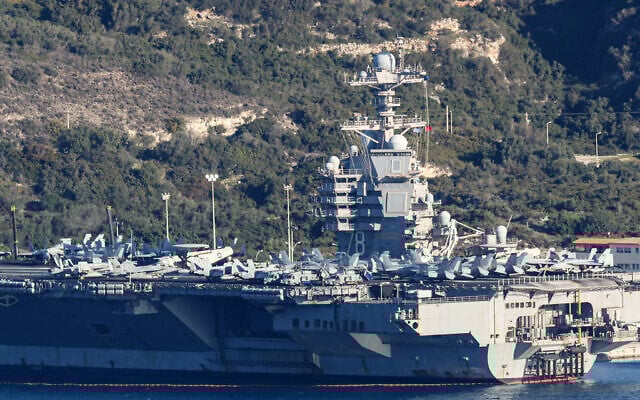
Instead, the run-up to the event has been overshadowed by a huge buildup of US military forces in the Middle East and preparations for a potential conflict with Iran that could last for weeks if Tehran does not reach a deal to solve a longstanding dispute over its nuclear program.
Trump has not laid out in detail to the American public why he might be leading the US into its most aggressive action against the Islamic Republic since its 1979 Islamic Revolution. Trump previously ordered strikes on Iran’s nuclear facilities at the end of the 12-day Israel-Iran war in June 2025.
On Monday, he dismissed talk that some members of his administration, including the chief of the US military, have doubts about going to war with Iran.
“I am the one that makes the decision, I would rather have a Deal than not but, if we don’t make a Deal, it will be a very bad day for that Country and, very sadly, its people,” Trump wrote in a social media post.
THE PEACE PRESIDENT. pic.twitter.com/bq3nMvuiSd
— The White House (@WhiteHouse) October 9, 2025
Trump rose to the top of US politics with the passionate support of a political base that embraces his “America First” policies and his vow to end an era of “forever wars” like the long conflicts in past decades in Iraq and Afghanistan.
He has also portrayed himself as the “peace president,” pointing to his efforts to obtain ceasefires, including the truce that began in October in Gaza. He has repeatedly suggested that he deserved the Nobel Peace Prize.
And Trump’s fellow Republicans took control of both the US House of Representatives and the Senate in the 2024 presidential elections, as his “Make America Great Again” message resonated with many Americans, but opinion polls show the party will struggle to keep control of Congress in the November midterms.
Polls also show that Americans are wary of foreign conflicts. A Reuters/Ipsos poll from January showed 69 percent of Americans agreed with the statement that the US should only use its military when facing a direct and imminent threat, while 18% disagreed and the rest weren’t sure or didn’t answer the question.
The risks from an Iran conflict are not merely political.
Trump and his aides have touted his successful capture last month of Venezuelan President Nicolas Maduro, whom the US accuses of narco-terrorism.
But Iran, a nation of 93 million people with a large supply of missiles that it has fired repeatedly at Israel and a US military base in Qatar, is a more formidable foe. Its leaders have threatened to attack Israel and US targets in the region in the event of an American strike.
Trump asserted in July that the US strikes on Iran the previous month had been so successful that they “obliterated” the country’s nuclear facilities, saying: “It would take years to bring them back into service.”
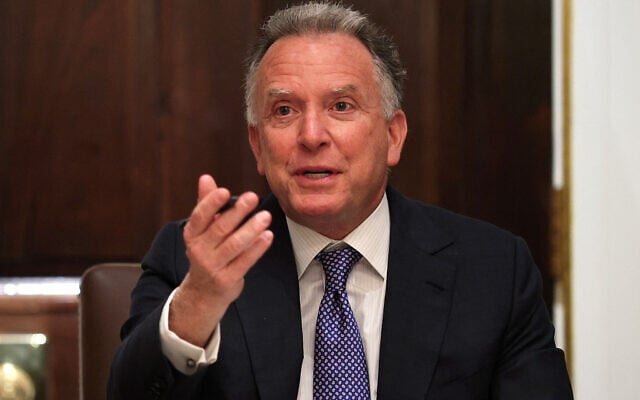
However, as US ships and other military equipment amassed near Iran, Trump’s special envoy Steve Witkoff, who leads nuclear negotiations on the US side, said on Sunday on Fox News that Iran was “probably a week away from having industrial-grade bomb-making material.”
Trump’s audience on Tuesday includes Democrats in Congress who criticized him for his 2018 withdrawal from a 2015 agreement that limited Iran’s nuclear program in return for sanctions relief, only to later threaten military action while seeking a new pact.
“Trump is bumbling his way toward war with Iran in a feeble attempt to accomplish what had already been done by a diplomatic deal that was effectively curbing Iran’s nuclear program — until Trump tore it up, over the objections of his then-Secretaries of Defense and State,” Senator Tim Kaine of Virginia said in a statement.
The Iran deal, which Israel’s leadership staunchly opposed, officially expired last year.
Times of Israel staff contributed to this report.





The Times of Israel Community.