

Turkey denies military visit to Syrian base; Damascus confirms it but refutes deployment plan
Ankara says no military delegation was at airbase ‘before or during Israel’s attack’; Al-Shaibani says Damascus told Jerusalem no Turkish troops were deploying to Abu Duhur
 Add ToI as a Preferred Source on Google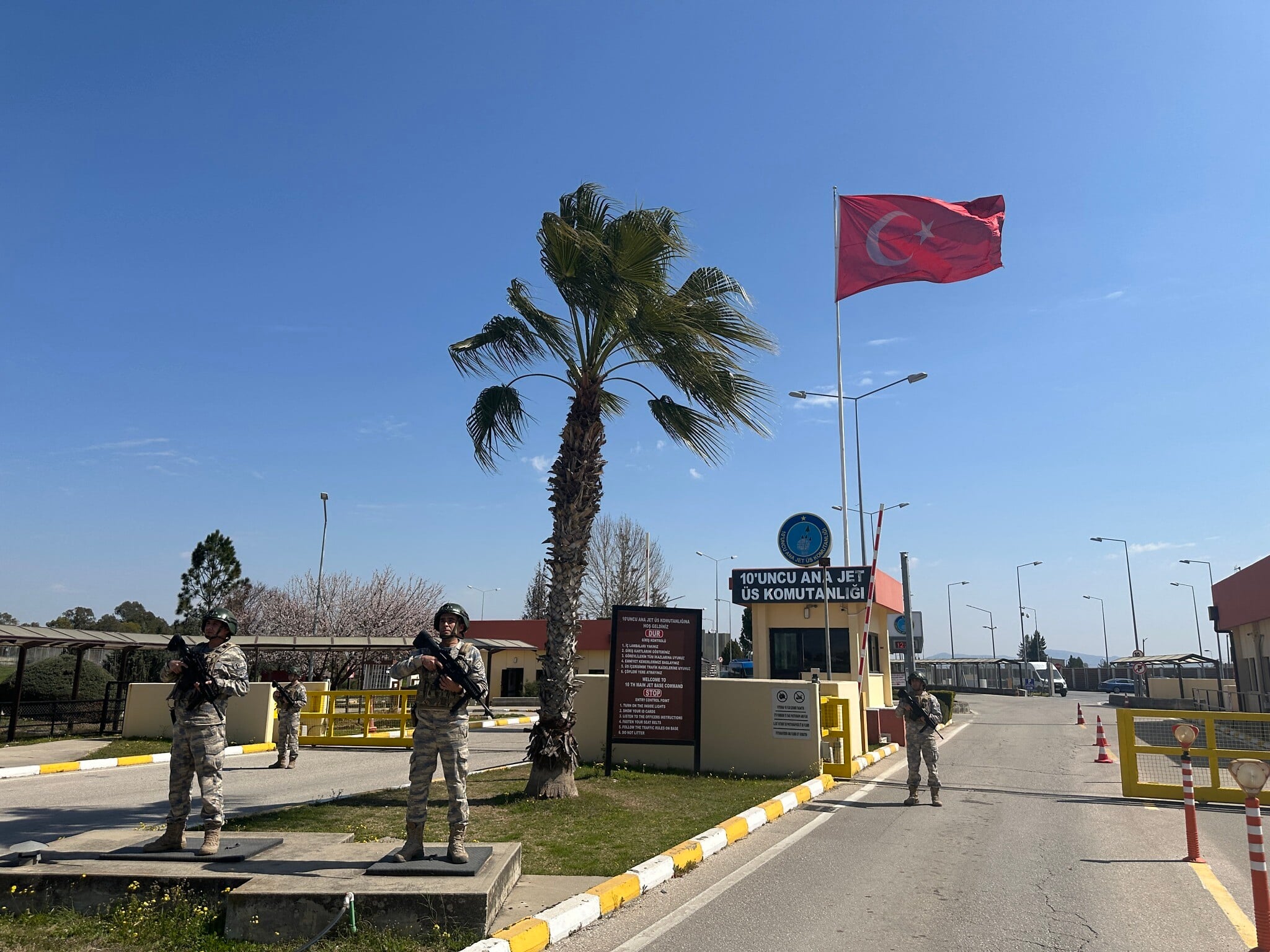
Turkey’s Defense Ministry denied Thursday that a Turkish military delegation had visited Syria’s Abu al-Duhur airbase ahead of Israel’s strikes on the site this week, a day after Syria’s foreign minister had said that such a visit took place.
“We state that there was no Turkish military delegation at the [Abu al-Duhur] airbase in Syria before or during Israel’s attack on the base,” Turkey’s defense ministry spokesperson Rear Adm. Zeki Akturk said at a Turkish-language press briefing. “For the peace and stability of both Syria and the region, it is essential that Israel ceases these reckless attacks and complies with the requirements of international law.”
Akturk called the strikes “unacceptable” and said Ankara would act “resolutely” to protect Syria’s efforts to establish post-war stability.
“Israel’s attack on the Abu al-Zuhur air base is aimed at harming Syria’s stability, security, unity, integrity and infrastructure,” he told journalists. “In this context, our efforts and contributions to protect Syria’s sovereignty and territorial integrity, and help it establish a stable and secure environment, will continue resolutely.”
Prime Minister Benjamin Netanyahu’s office accused Syria late Tuesday of being on the verge of violating a “status quo agreed with Israel in security matters” by allowing Turkish troops to deploy at the airbase, adding that such a deployment would threaten Israel’s security. Netanyahu later said Israel had also warned Turkey against any military activity in Syria ahead of the strike.
And on Wednesday, Syrian Foreign Minister Asaad al-Shaibani acknowledged that Turkish military officers had recently visited the airbase in question, but denied any plans for a Turkish military deployment.
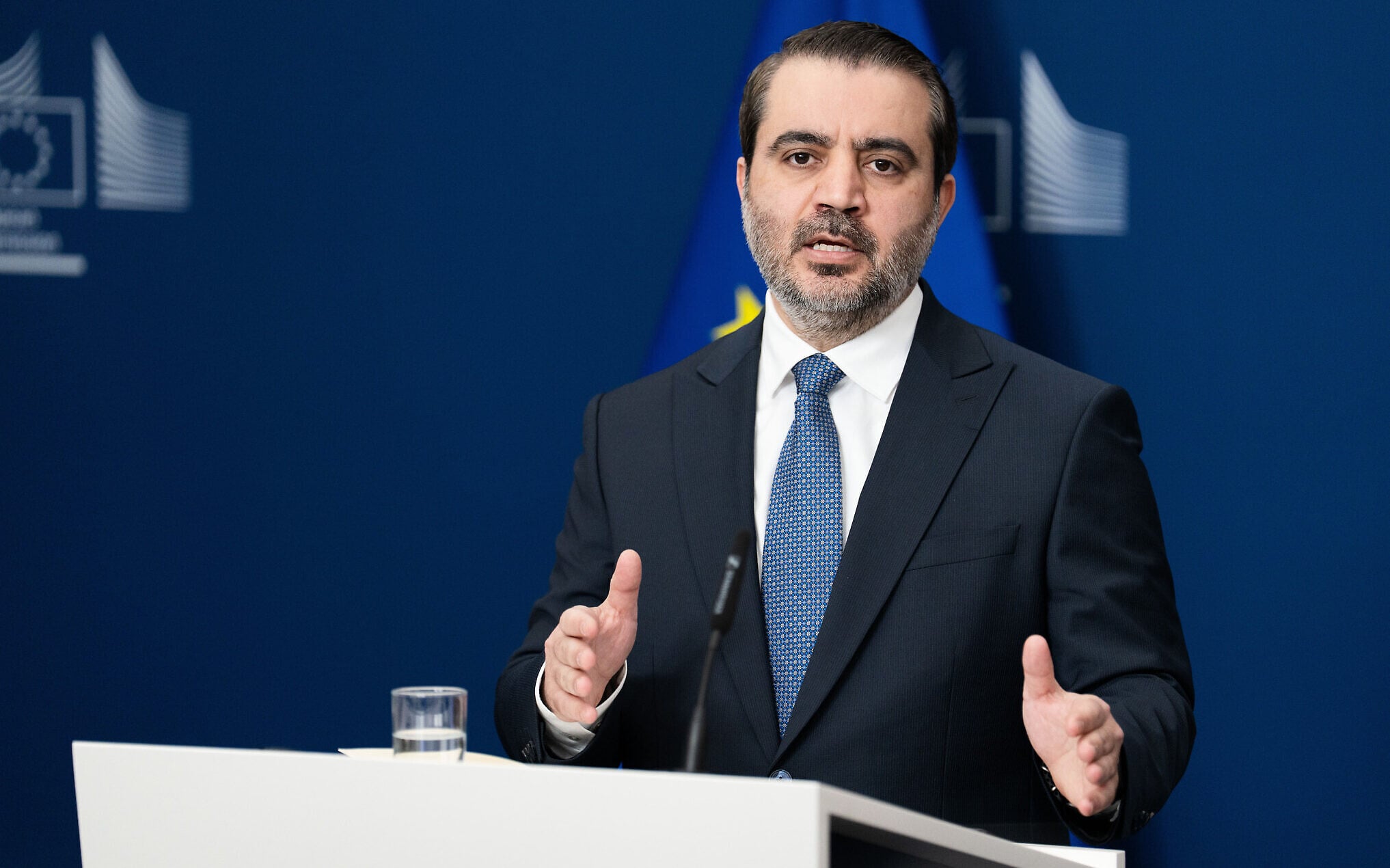
The visit by Turkish officers to the Abu Duhur airbase was nothing more than a facet of “ongoing military cooperation” between allies, al-Shaibani insisted in an interview with the Axios news site.
Al-Shaibani told Axios that “there was no Turkish military build-up at the base in any sense that would justify such an interpretation,” and said Damascus had told Jerusalem as much in the days before the attack.
“The base was, in fact, largely empty. It had not yet been fully rehabilitated or become fully operational, and the work there was still at the rehabilitation stage.”
“Therefore, linking the strike to a Turkish military presence at the base is not supported by the situation on the ground as it stood at the time,” al-Shaibani added.
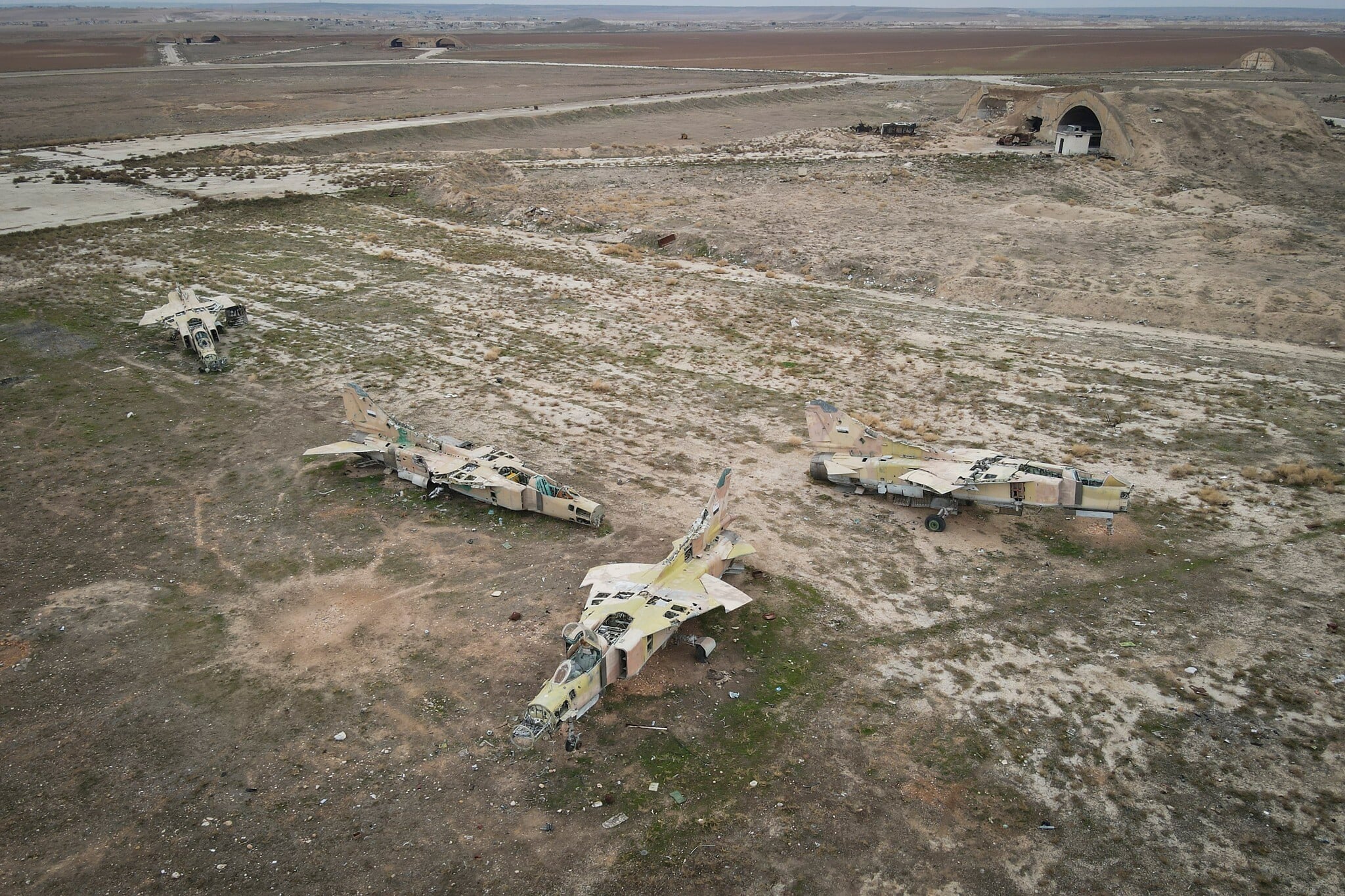
He told Axios that the visit by Turkish military officers took place in the framework of “ongoing military cooperation in the areas of training and the exchange of expertise” as Damascus works to rebuild its international standing after more than a decade of civil war ended with the overthrow of the Assad regime in December 2024.
“Syria is currently working to rebuild its military and civilian institutions and develop their capabilities,” al-Shaibani said. “It therefore benefits from cooperation and training programs with a number of countries, not Turkey alone. Similar cooperation has taken place and continues with Saudi Arabia, Jordan, Qatar and Russia.”
“Syria is a sovereign state, and it has the right to establish relations of cooperation and alliance with any country, including Turkey,” he added.
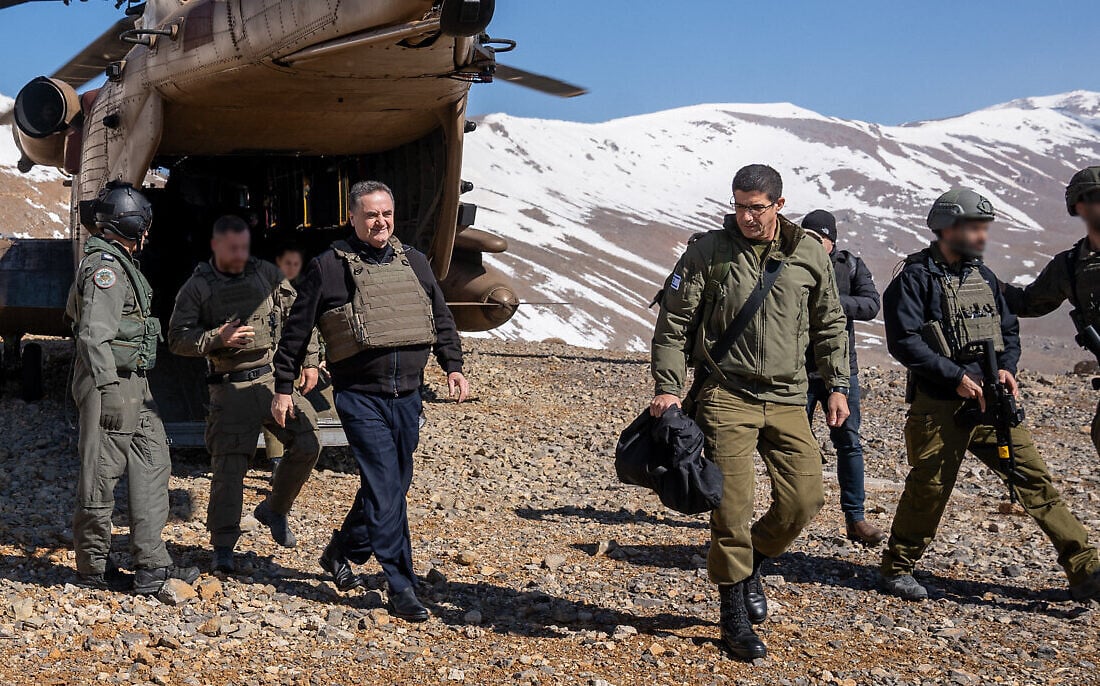
Following Netanyahu’s warnings a day earlier, Defense Minister Israel Katz said Thursday that Turkish President Recep Tayyip Erdogan was “dragging Turkey into dangerous adventures in Syria.”
“Israel will not allow any entity to threaten its security,” Katz wrote in a Hebrew-language post on X. “It is preferable for Erdogan to continue to deliver empty, delusional speeches against Israel in the Turkish parliament rather than test Israel’s resolve to defend itself.”
Meanwhile three people familiar with the matter told Reuters on Wednesday that Mossad chief Roman Gofman held a phone call last week with al-Shaibani in which the two men discussed Turkey’s military presence in Syria.
The call, which the sources said took place on August 14, marks one of the highest-level known contacts between Israel and the new Syrian government since the fall of former dictator Bashar al-Assad.
While the attack was condemned by US Ambassador Tom Barrack, who called it an “unnecessary escalation,” US President Donald Trump refrained from publicly criticizing Israel over the strike, however, telling Axios only that Washington had been briefed on the incident.
Pressed for more information, he said he “can’t talk about it,” and did not clarify whether the briefing took place before or after the bombing.
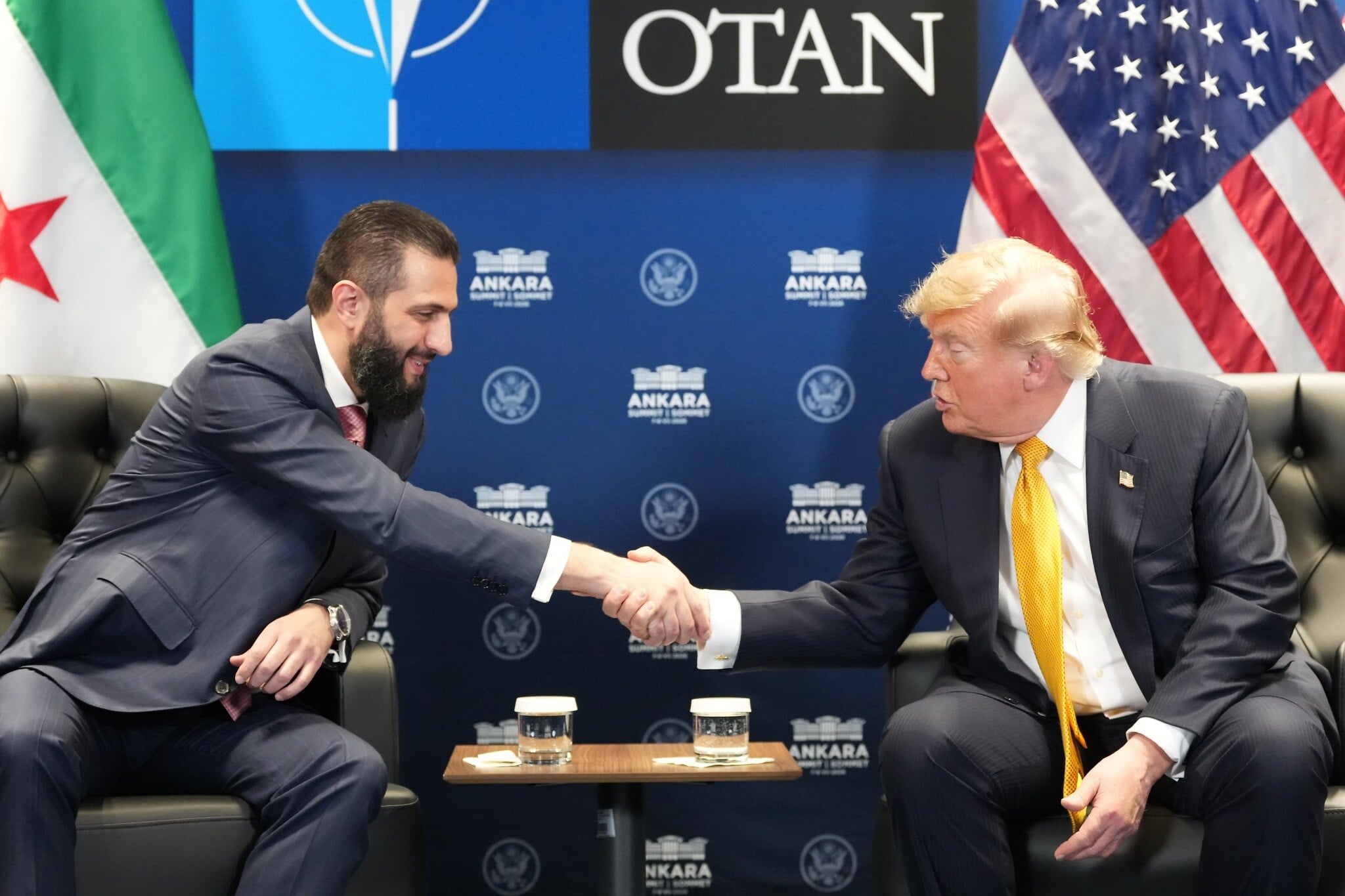
Despite tensions between the neighbors — in particular over the presence of Israeli troops in a southern Syria buffer zone — Israel and Syria’s new authorities have held several rounds of direct talks and have agreed to establish an intelligence-sharing mechanism.
Israel has launched hundreds of strikes on Syria since the December 2024 toppling of Assad by Islamist forces led by former jihadist Ahmed al-Sharaa, who relies on support from Turkey and has received enthusiastic backing from Trump. But the latest strike went much further into Syria than the so-called security zone in the south of the country.






The Times of Israel Community.