

Toy story: From teddy bears to Tiddlywinks, how Jews helped shape American childhood
New book ‘Playmakers’ by sociologist Michael Kimmel looks at how children of Jewish immigrants built the dolls, games, books and comics that became cultural touchstones in the US
 Add ToI as a Preferred Source on Google
Reporter at The Times of Israel
American kids growing up in the early 20th century had a choice of games they could play on the floor: Tiddlywinks or marbles. The former were originally called Tiddledy Winks and were made by the Transogram company, headed by first-generation American Jew Charles Raizen. As it happened, Jack Pressman, the “Marble King” of the United States who kept business booming even during World War I, was also an American Jew born to immigrant parents.
In fact, many Jewish names appear in the narrative of childhood in America during the 20th century. The chosen people — especially first-generation ones — figured prominently in the ranks of those who invented, designed and distributed toys; who wrote and illustrated children’s books and comic books; even those who addressed childhood through the emerging field of psychology.
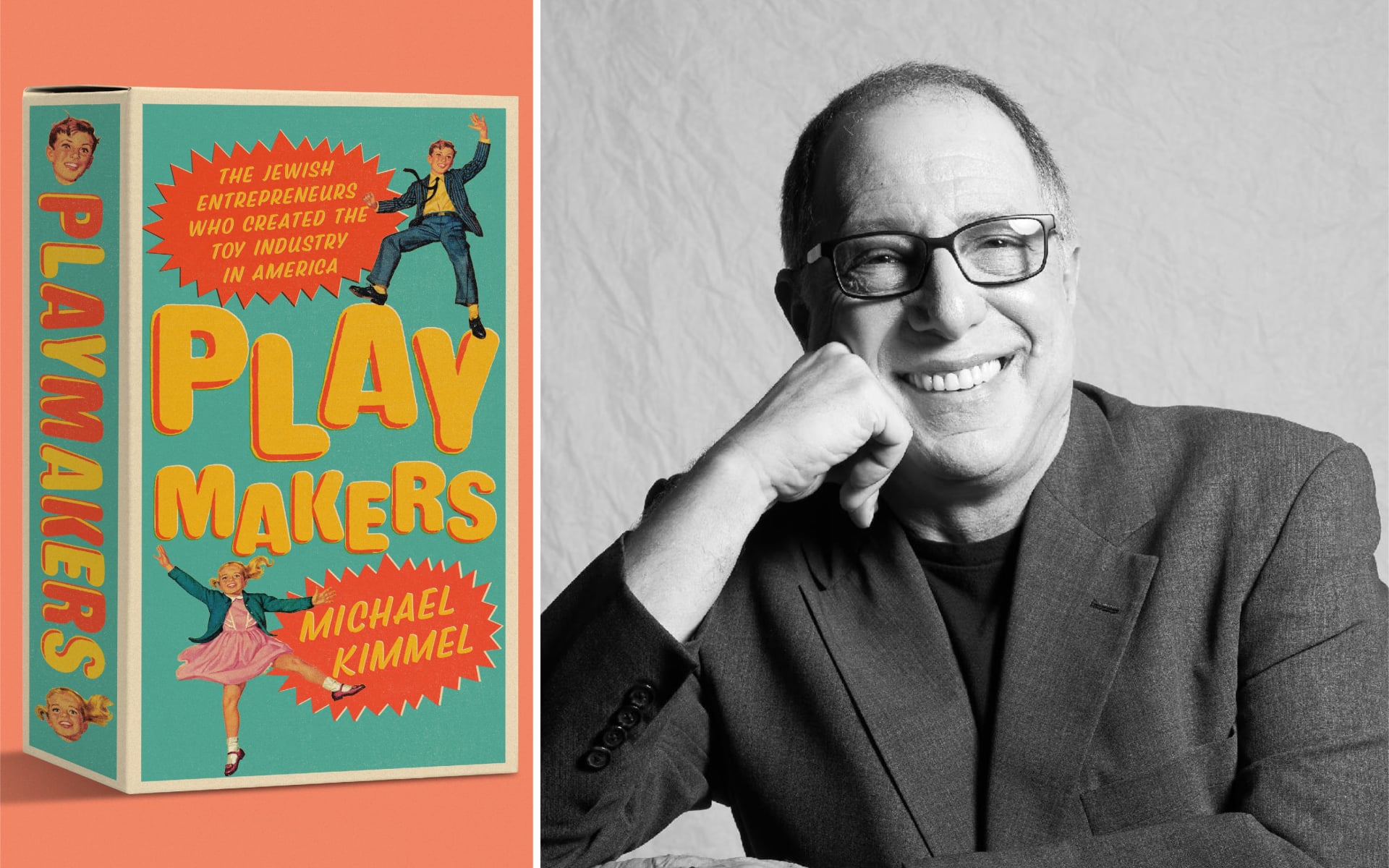
A new book puts all the puzzle pieces together: “Playmakers,” by Michael Kimmel, an emeritus professor of sociology at the State University of New York.
“Everywhere I looked, there was like this parade of Jews,” Kimmel told The Times of Israel. “Virtually all but one of the major, major toy industries in the first few decades of the 20th century were founded by first-generation Jews … How come I never read this before?”
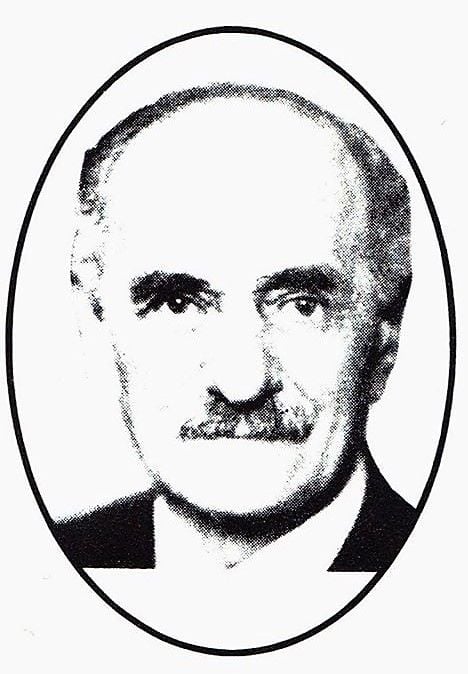
Kimmel has a family connection to the story: In the first decade of the 20th century, his great-great-uncle Morris Michtom is credited with inventing one of America’s most beloved toys, the teddy bear, which Michtom sold through the company he founded and ran, Ideal. Kimmel initially thought he would write a brief family memoir about Michtom — then he started unearthing the names of more and more Jews connected to the toy industry.
“They imagined a world where other children could have the experiences they lacked — and, in so doing, they transformed America,” Kimmel writes in the introduction. “They didn’t just transform the way we understand childhood. They invented twentieth-century American childhood.”
As noted in the book, many non-Jewish names also loom large over the narrative of childhood in 20th-century America, including Disney, Schulz and Seuss (or Geisel). And yet, the cast of Jewish characters is quite extensive.
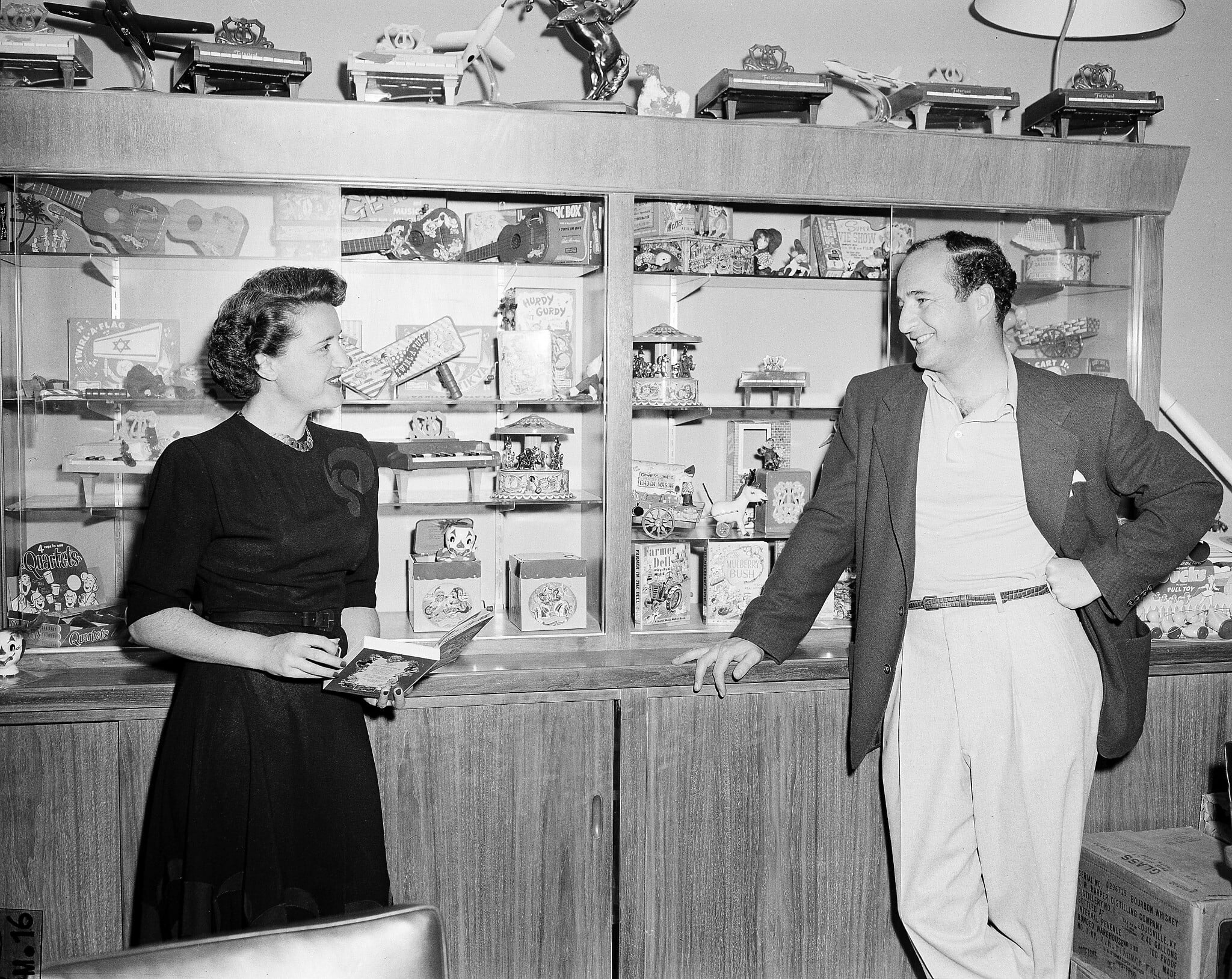
Joshua Lionel Cowen (originally Cohen) created the toy trains that continue chugging along tiny but extensive railroad tracks. Toymaker Louis Marx’s string of successes earned a comparison to Henry Ford. Three siblings, the Hassenfeld brothers, founded Hasbro, while a married couple named Ruth and Elliot Handler and their friend Harold Matson created Mattel, maker of Barbie. (Rhea Perlman played Ruth Handler in the 2023 Barbie movie.) Bernard Fleischaker and Hugo Baum built a successful doll company using the initials of their last names — Effanbee — while competitor Madame Alexander was named after its creator, Bertha Alexander Behrman.
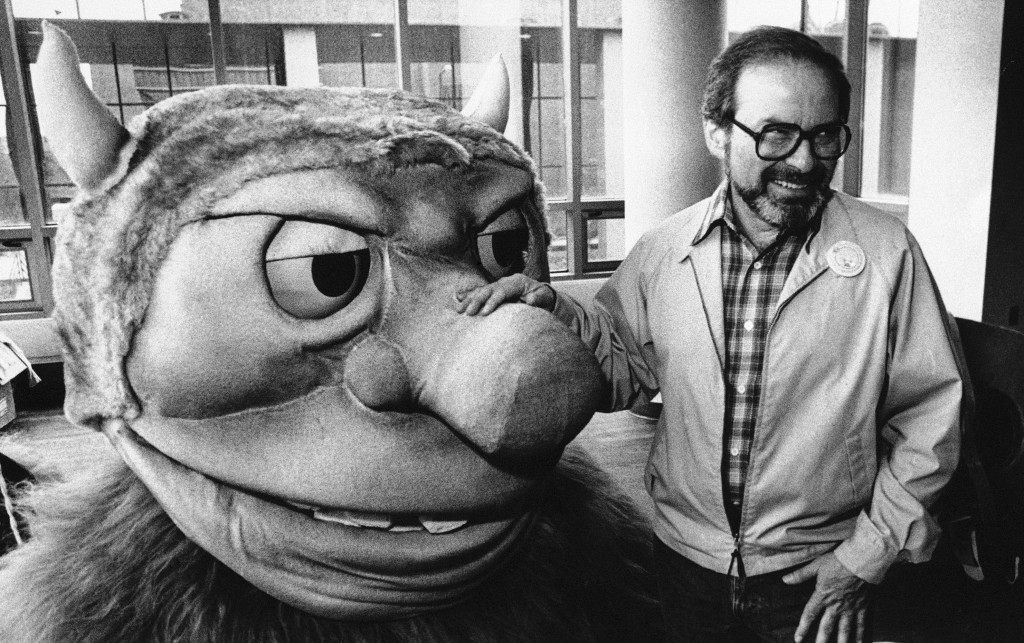
When American kids read comic strips, comic books or children’s books, there was a similar narrative of Jewish creators. Al Capp, born Alfred Gerald Caplin, delighted readers with his comic strip Li’l Abner, which Kimmel sees as a shtetl world transplanted to Appalachia. Jack Kirby, originally Jacob Kurtzburg, wandered the streets of the Lower East Side looking for scraps of cardboard to draw on before becoming one of America’s foremost comic book artists. Maurice Sendak, the Brooklyn-born son of Polish Jewish immigrants, lost extended family members in the Holocaust. A Yiddish expression common in his childhood — vilde chaya, or wild beast — reportedly inspired the title of his classic book, “Where the Wild Things Are.” Another Brooklyn native, Ezra Jack Keats, changed his name from Jacob Ezra Katz and went on to write a similarly beloved children’s book, “The Snowy Day.”
Kimmel sees the pattern of changed names as central to a larger theme. “I read this story as an assimilation story,” he said.
At the same time, he said, the many New York origins in the narrative should not make it feel parochial.
“If this is a New York story, I don’t mean it to be New York-centric,” Kimmel said. “It’s a New York story in a way that’s a distillation of the American story.”
Still, for the Michtoms, the American chapter began in New York.
The family was part of a wave of Eastern European Jews fleeing poverty and antisemitic violence for the goldene medina in the late 19th and early 20th centuries. And, Kimmel explained, these Jews often brought something extra to their new land.
“The prevailing idea of child-rearing at the turn of the 20th century [in the US] was very Protestant, dating back to the Puritans: Children are willful, and the goal of parenting is to break their will,” Kimmel said. “Yiddish-speaking Jews came here with completely different ideas of childhood: It’s precious, and a mitzvah, and a blessing. Your children are creative, curious, have to be nurtured.”
As it happened, the Puritan view of child-rearing was already being challenged from another source: the Progressive movement.
“The turn of the 20th century was already a real turning point independently of the Jews coming,” Kimmel said, noting that Progressives successfully called for more public schools and less employment of children in the workforce.
“All of these things were structured around a period of time called ‘childhood’ … It extended the idea of an actual childhood, separate from adulthood,” Kimmel said, adding that subsequently, “here come these Jews that had an idea about childhood that was quite different than the previous 19th-century idea about childhood.”
There was a poignant aspect to the Jews who promoted a gentler view of childhood: It was something they had personally not experienced, having grown up in poverty.
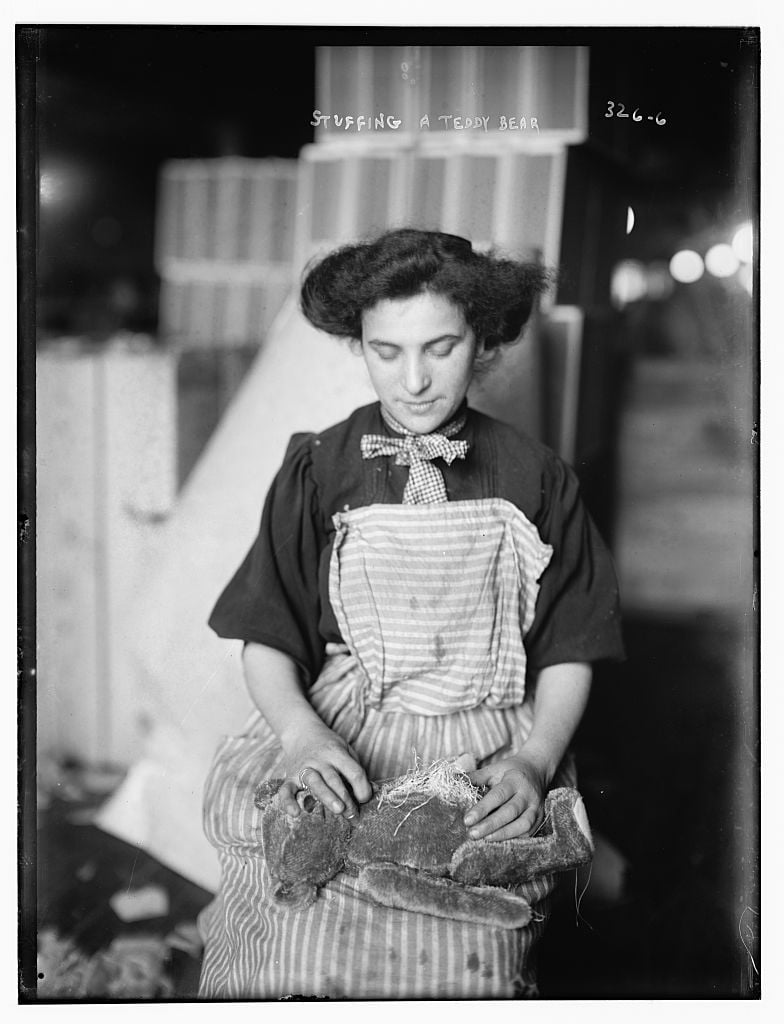
“This is, to me, the most moving … thought from researching and writing this book,” Kimmel said. “They created the material culture of the childhood they never had.”
In 1902, an incident occurred that would change Michtom’s life, along with that of the nascent American toy industry. Then-US president Teddy Roosevelt, known for both bagging big game and gladhanding with constituents, made a hunting trip-slash-campaign stop in Mississippi. Out of it came the legend that the president had spared the life of a cute bear cub, and a cartoon depicting the heartwarming scene. (What actually happened was heartrending, not heartwarming.) Michtom saw that cartoon and created the namesake Teddy’s Bear. In Germany, the Steiff toy company was also marketing a stuffed toy bear around this time, but no matter — demand for Michtom’s bear was so high that he and his wife Rose Michtom created their own company, Ideal, to make and sell it.
Kimmel also brings a family memoir element to the book, tracing how Ideal found further success with the Shirley Temple and Betsy Wetsy dolls and navigated the twin challenges of the Great Depression and World War II.
“In the Depression, Ideal did extremely well,” Kimmel said. “It was one of the only toy companies that did well. Morris said a man will go out of food before telling his daughter she would go without a doll. The last thing people would give up was toys for their children.”
During the postwar decades, the author said, Ideal produced several dolls that did not sell well — including Saralee, the nation’s first mass-produced Black doll, as well as a Baby Jesus doll — while passing on at least one concept that became a hit, a military-themed doll called GI Joe pitched by American inventor Stanley Weston (born Stanley Weinstein).
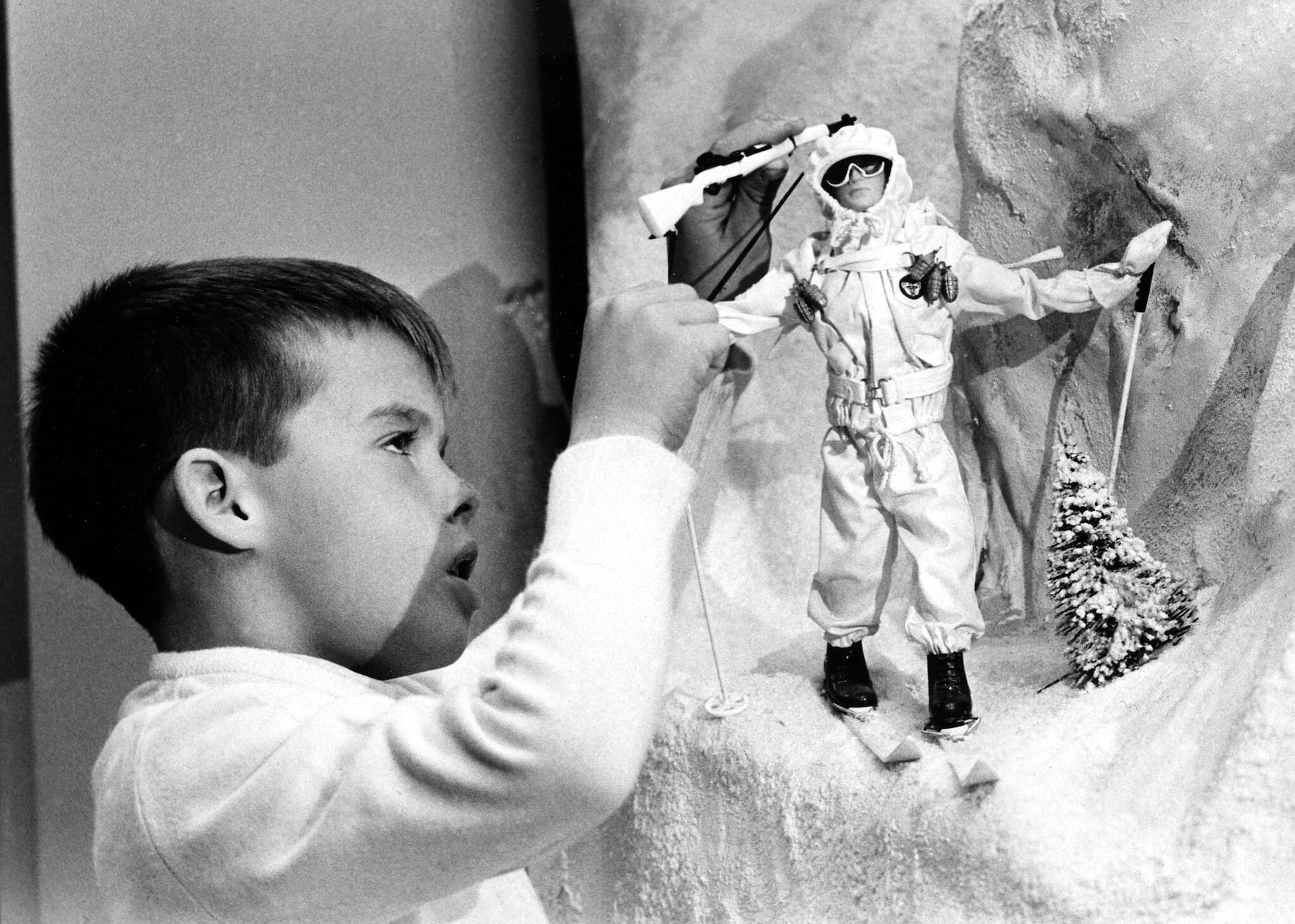
The company’s reasoning, Kimmel said, was “no, boys will not play with dolls.”
After being rebuffed by Michtom, Weston went to Hasbro. “It’s why Hasbro made GI Joe,” Kimmel said.
Today, the Hasbro company website continues to promote GI Joe alongside other longtime favorite toys such as Transformers, My Little Pony and Play-Doh.
“My guess is [the book’s] audience, some part of the audience, will be people who … will remember some of the toys and games and comic books from their own childhood,” Kimmel said. And, he added, “What parent does not read ‘Where the Wild Things Are’ to their kids, or ‘The Snowy Day?’ They’re still classics; they still sell like crazy.”
Playmakers: The Jewish Entrepreneurs Who Created the Toy Industry in America by Michael Kimmel
This article contains affiliate links. If you use these links to make a purchase, The Times of Israel may earn a commission at no additional cost to you.










The Times of Israel Community.