

Four wounded as Hezbollah pounds north with rockets, IDF strikes in Beirut
Victim hit in face by shrapnel as salvo reaches border town of Kiryat Shmona; IDF captures two Hezbollah fighters, blows up Litani River crossing; IRGC official targeted in Lebanese capital
 Add ToI as a Preferred Source on Google
Emanuel (Mannie) Fabian is The Times of Israel's military correspondent
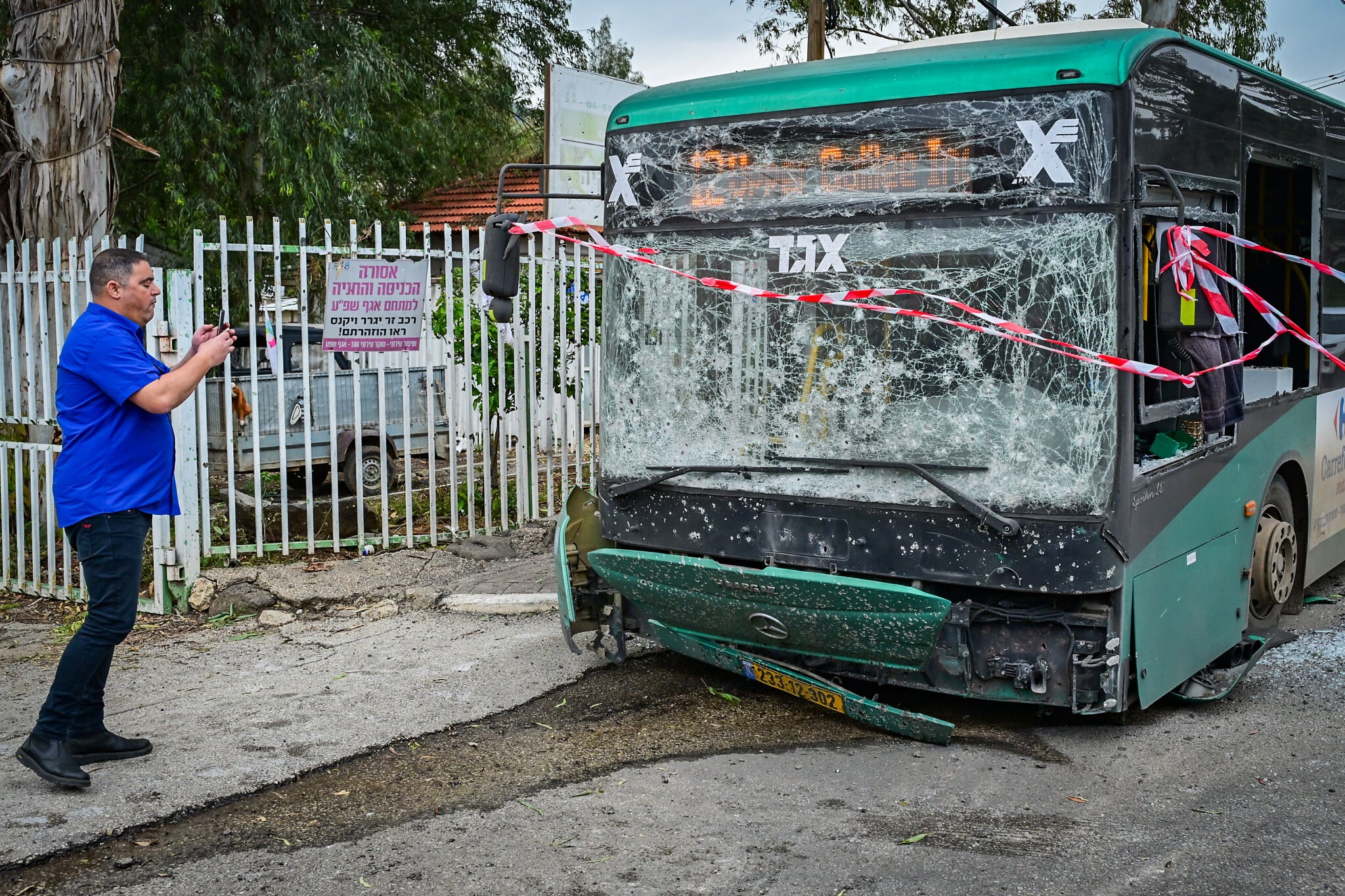
At least four people were wounded Monday by a Hezbollah rocket attack on the northern border city of Kiryat Shmona, as the Iran-backed terror group fired multiple salvos into Israel.
Three injured people were being treated at the Ziv Medical Center in Safed, the hospital said. All the injured were conscious, and their condition was described as stable.
Two of the injured had shrapnel injuries to the face and limbs.
A man in his 30s who was also injured in the strike was taken by helicopter to the Rambam Health Care Campus in Haifa.
The rocket launched from Lebanon struck a road, causing damage to a bus and injuring a man standing near it.
Several other rocket impacts were reported in the city, in what was the fourth rocket attack within an hour.
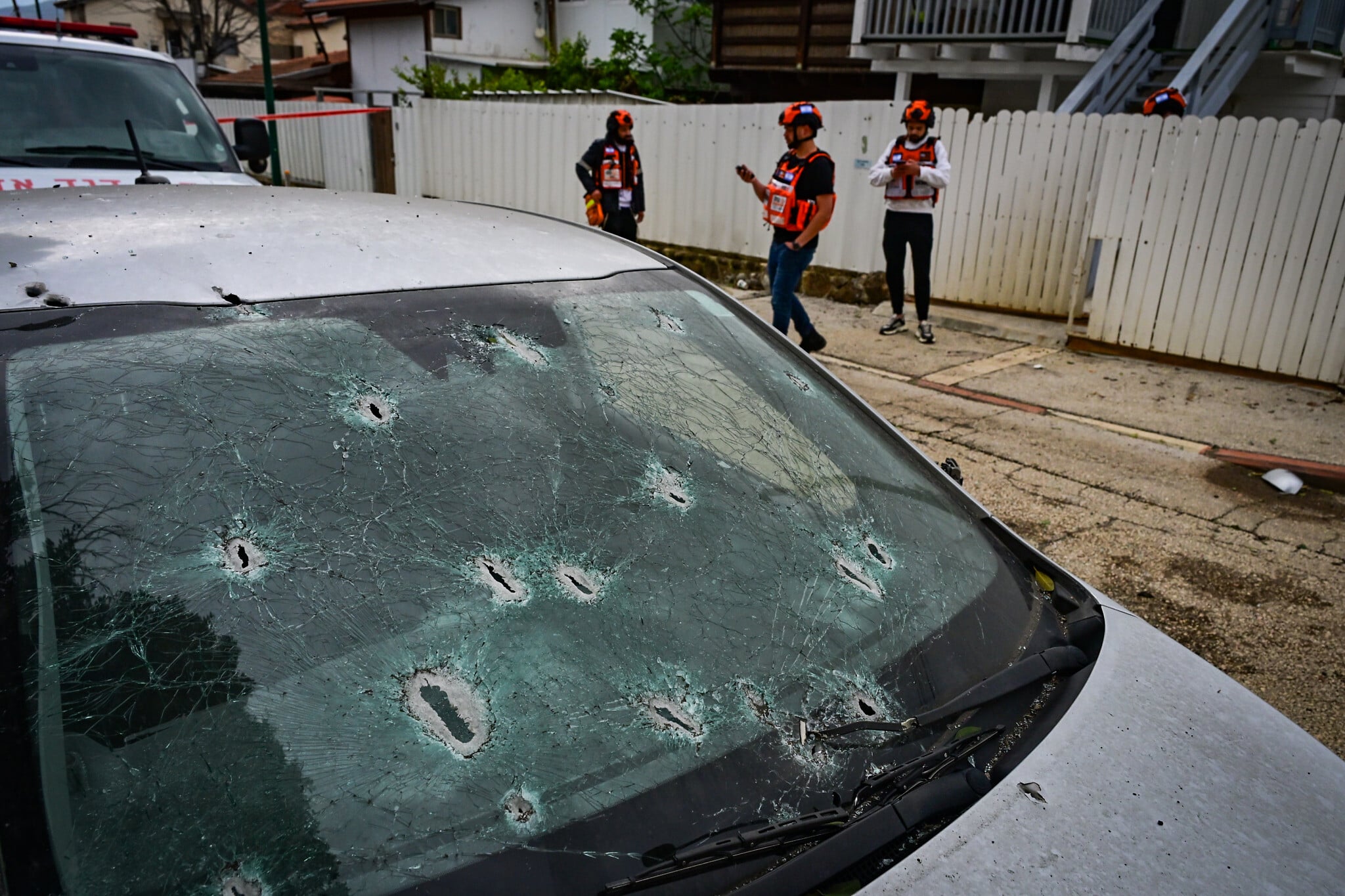
The barrages followed earlier rocket attacks and a drone infiltration.
In the afternoon, residents of communities on the Lebanon border were instructed by the military to remain close to bomb shelters, amid expectations of further rocket fire. However, the military lifted that instruction about a half-hour later, after a fresh assessment.
Later, fresh sirens sound in the Western Galilee, warning of a suspected drone attack from Lebanon.
Since it resumed its attacks on March 2, Hezbollah has been firing an average of about 150 rockets per day, according to the IDF. Roughly two-thirds of the daily rocket fire has been directed at Israeli forces operating in southern Lebanon and along the border, with the remaining third aimed at Israel.
IDF says it struck Quds Force member in Beirut
The Israel Defense Forces said Monday afternoon it had carried out a strike in the Beirut area targeting a member of the Quds Force, the extraterritorial arm of Iran’s Islamic Revolutionary Guard Corps.
No further details on the strike in Lebanon’s capital were immediately given by the IDF.
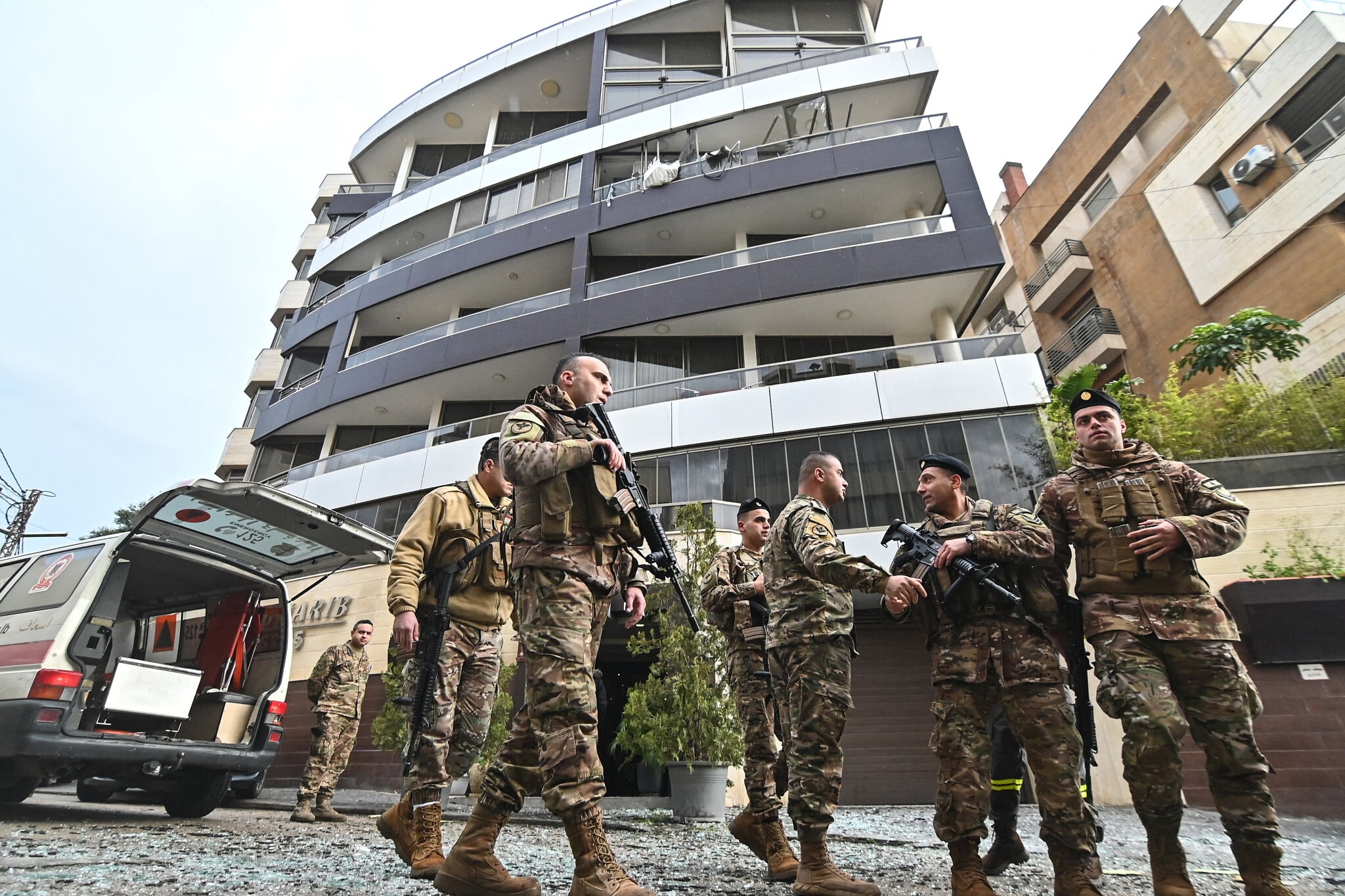
Lebanon’s health ministry said around the same time that an Israeli strike on the Hazmieh suburb killed at least one person.
Hazmieh, a predominantly Christian residential area near Lebanon’s presidential palace, hosts several foreign embassies. It was the second strike reported there amid the current round of fighting.
Later Monday, Lebanese media reported new Israeli airstrikes in Beirut’s southern suburbs.
Earlier, the IDF reiterated an evacuation warning for the area, a Hezbollah stronghold, ahead of strikes on the terror group’s sites.
The IDF confirmed having struck in the area of the capital, saying it had launched a wave of airstrikes against Hezbollah targets.
IDF: Captured two armed Radwan fighters in south Lebanon
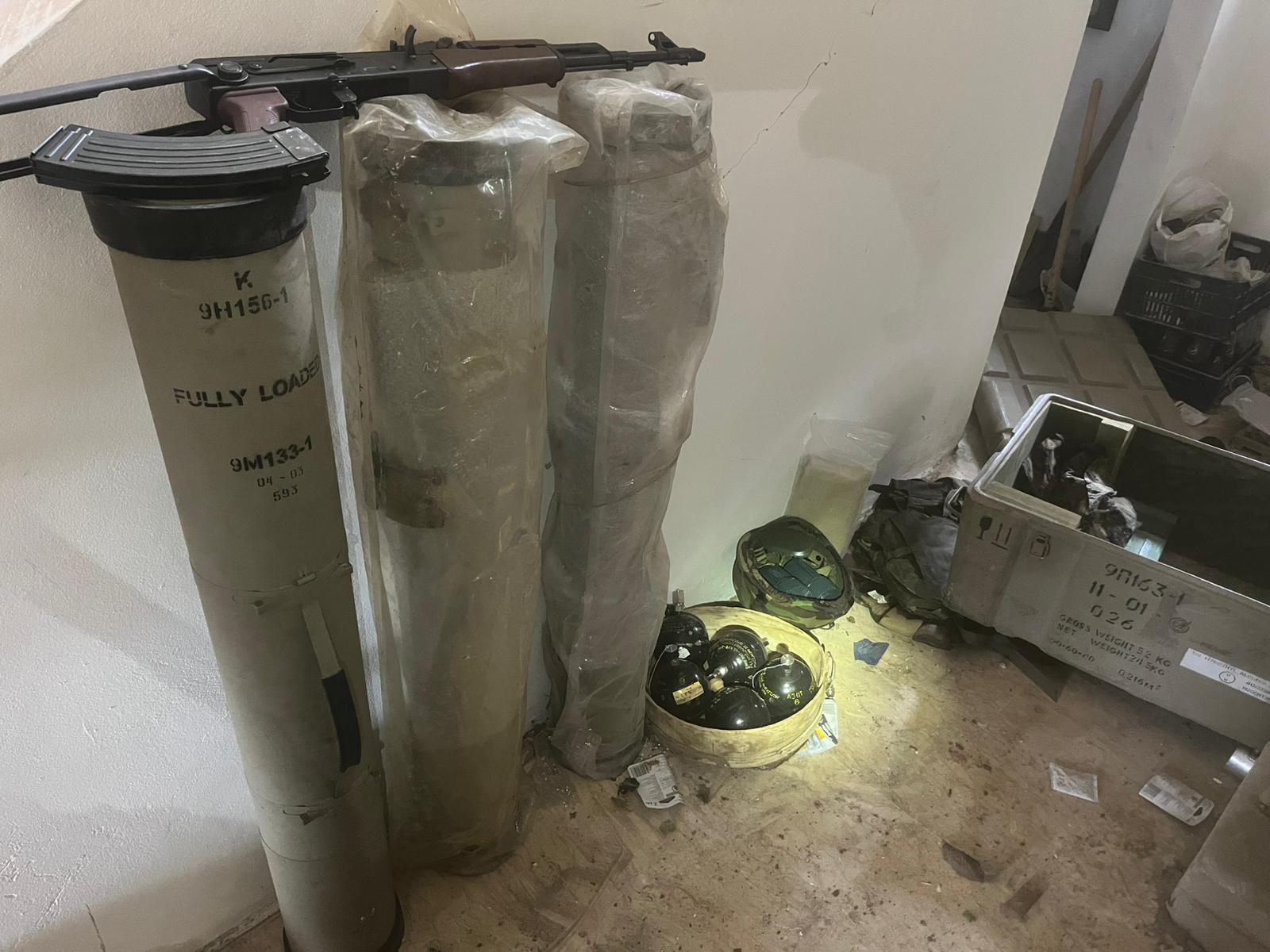
IDF troops also captured two armed Hezbollah operatives, members of the terror group’s elite Radwan Force, during operations in southern Lebanon over the weekend, the military said.
According to the IDF, troops of the Givati Brigade spotted the Radwan operatives while they were planning to launch anti-tank missiles at the forces, as well as at Israel.
A short while later, the pair surrendered to the troops, the military said, adding that the forces located weapons and other military equipment alongside the operatives.
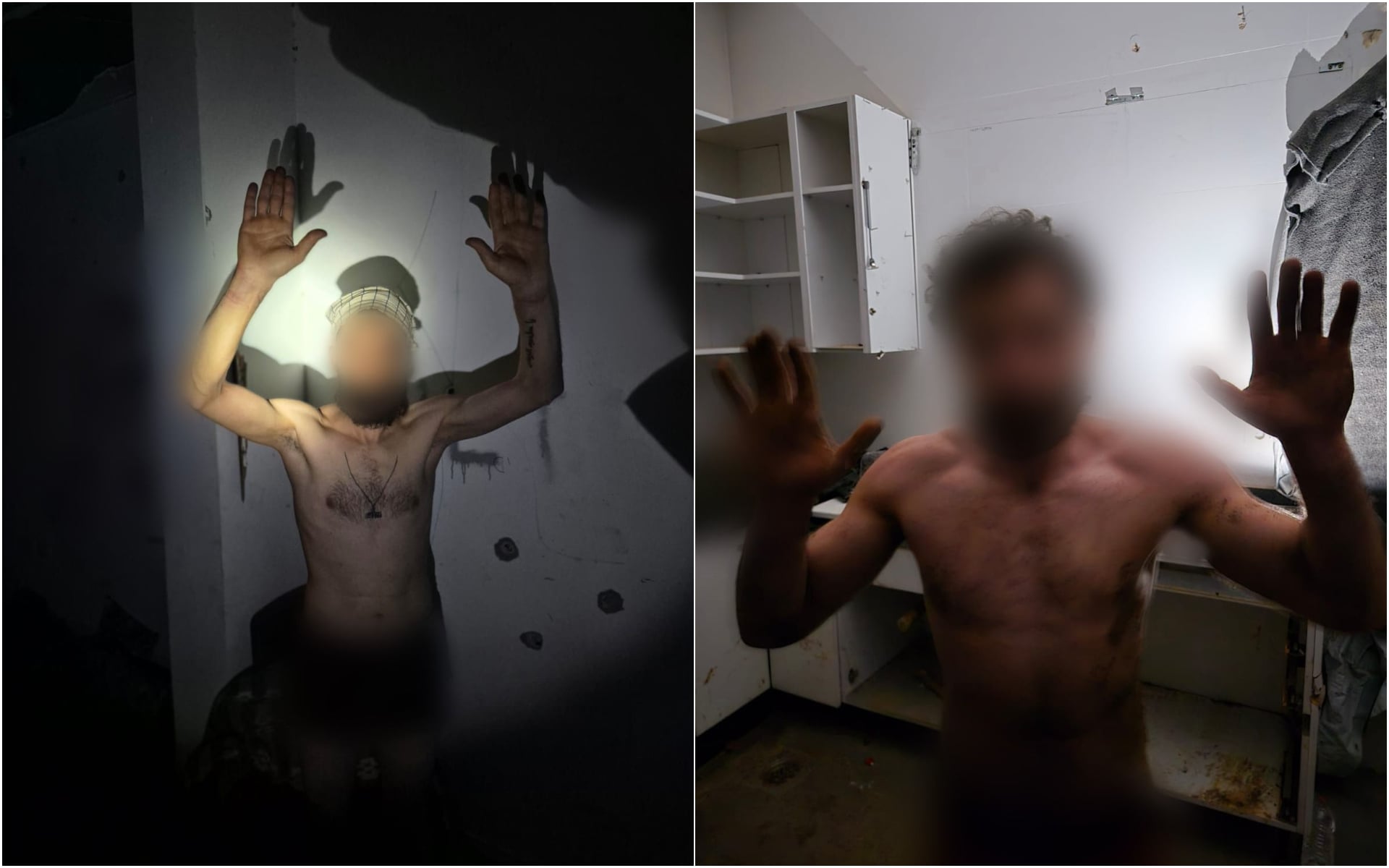
Overnight, the IDF said it destroyed the building from which the Radwan fighters had been operating.
The two operatives were taken to Israel and questioned by the Military Intelligence Directorate’s Unit 504, which specializes in human intelligence.
The IDF said that their interrogation revealed that the two Radwan operatives arrived in southern Lebanon from the Beqaa Valley area at the start of the war with Iran.
“This case once again proves that the Lebanese army failed and did not prevent the movement of terrorists and weapons south of the Litani [River],” the military said.
Israel strikes another bridge on Litani River
Israel also struck a bridge on the eastern portion of the Litani River on Monday, Lebanese state media reported.
“The Israeli army targeted the Dallafa bridge, which connects the Hasbaya-Marjeyoun region with the Jezzine-Chouf and Western Bekaa regions,” Lebanon’s state-run National News Agency reported.
The IDF had warned in advance that it would bomb the bridge to prevent Hezbollah from moving operatives and weapons into southern Lebanon.
Earlier, Lebanese media reported that the Israeli Air Force struck a different crossing that had already been bombed several days ago.
Images purported to show that the Qaaqaait al-Jisr Bridge was destroyed.
مراسلة «الأخبار»: العدو الإسرائيلي أعاد قصف جسر قعقعية الجسر ودمره كلياً بعد أن كان قد استهدفه قبل أيام pic.twitter.com/VTR2dJwK9Y
— جريدة الأخبار – Al-Akhbar (@AlakhbarNews) March 23, 2026
On Sunday, Israel blew up the Qasmiya Bridge on the Litani, the fifth crossing to be targeted by Israel since March 2. Earlier in the day, the IDF warned it intended to strike the bridge.
Defense Minister Israel Katz said earlier that he had instructed the IDF to “immediately destroy all the bridges over the Litani River that are used for terror activity, to prevent the passage of Hezbollah terrorists and weapons southward.”
UNIFIL headquarters hit by projectile from ‘non-state actor’
The UN peacekeeping force in Lebanon (UNIFIL) said Monday that its headquarters in Naqoura had been hit by a projectile, probably launched by a “non-state actor,” after Hezbollah declared it had targeted Israeli forces in the same town.
“Just before noon today, a projectile hit a building inside our headquarters,” UNIFIL said in a statement. “Peacekeepers with expertise in explosive ordnance disposal are working to deal with it. We believe it was fired by a non-state actor.”
UNIFIL’s statement came after Hezbollah claimed at least two attacks on Monday against Israeli forces in Naqura.
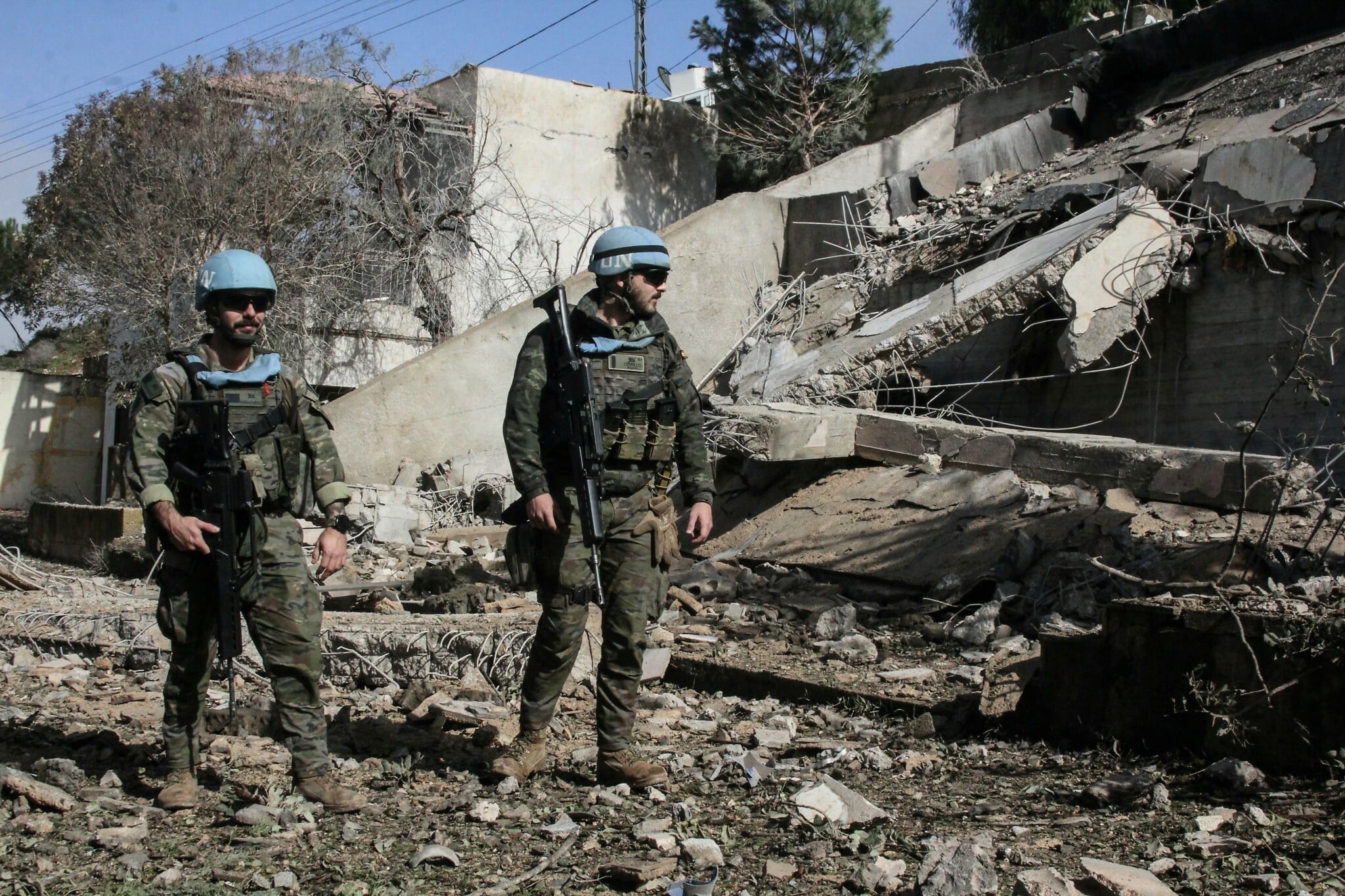
In its Monday statement, UNIFIL said it had observed over the past 48 hours “intense gunfire and explosions” in and around Naqoura, close to its headquarters.
“Bullets, fragments, and shrapnel have hit buildings and open areas inside our headquarters, putting peacekeepers at risk. As a result, peacekeepers have been restricted to shelters to avoid injury,” it said.
The force reminded “all actors of their responsibility to ensure the safety and security of peacekeepers.”
“We reiterate that there is no military solution to this conflict and urge the actors to put down their weapons and commit to working toward a long-term solution, before more people get hurt,” it said.
Diana Bletter and AFP contributed to this report.







The Times of Israel Community.