

UAE says Iran fired two missiles at it, both fell in the sea
No immediate comment from Tehran on alleged attack, two days after drone strike on UAE’s only nuclear plant; Iran-backed rebels in Yemen attack Aramco refinery in Jazan with drones
 Add ToI as a Preferred Source on Google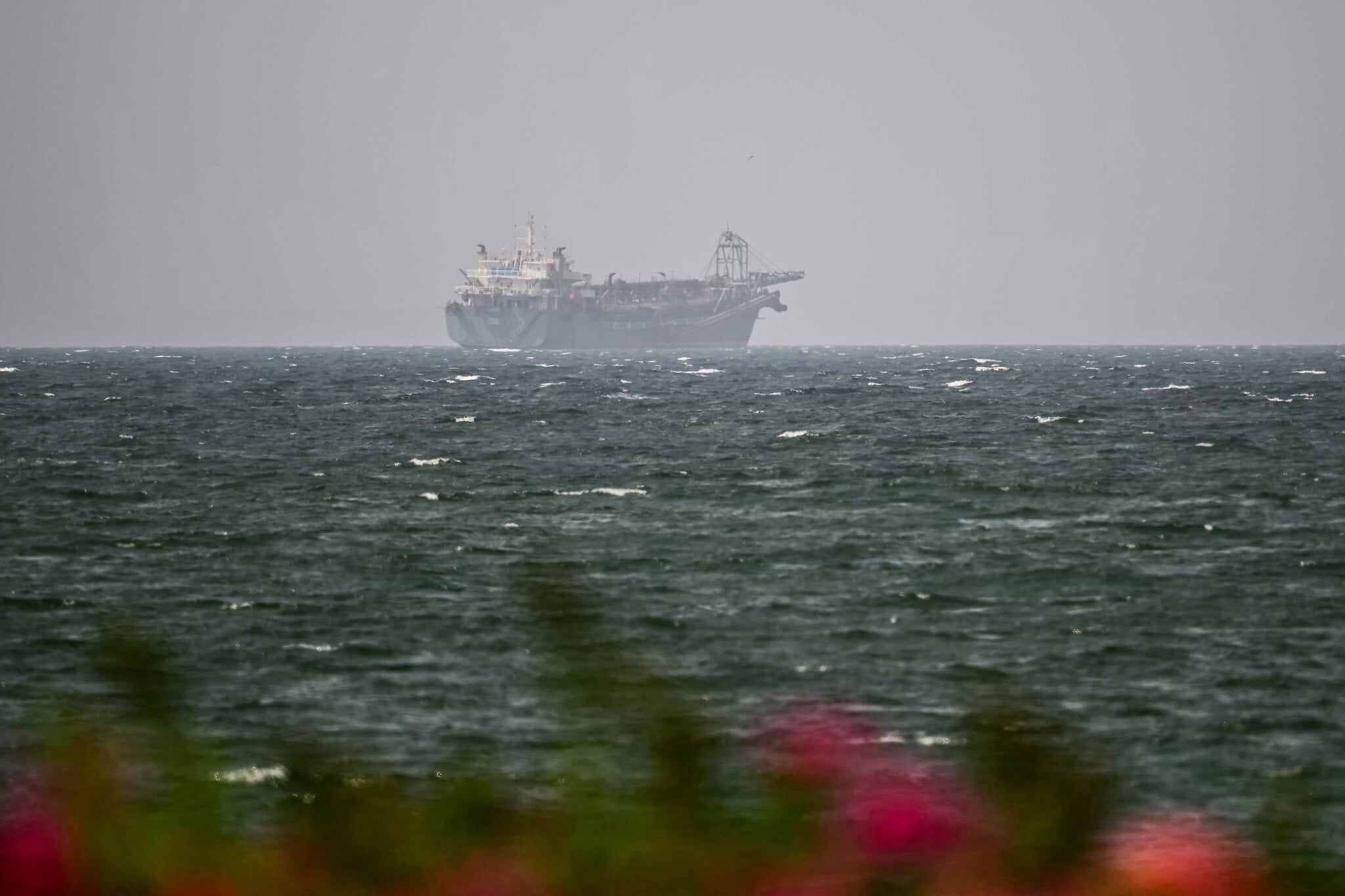
Iran fired two missiles at the United Arab Emirates on Tuesday, the country’s defense ministry said, with both projectiles falling in the sea without causing injury or damage. The missile fire, the first in months, came amid continued tensions between the US and Iran.
The UAE said both missiles fell in the sea, one inside territorial waters, one outside them, and stressed the UAE’s readiness to deal with any threats. It was the the first such incident reported since a May 4 strike on the Fujairah port.
The defense ministry said in a statement later that the missiles were targeting “maritime traffic” based on its assessments. The ministry also called on the public “to obtain all information from official authorities in the country and to avoid rumors and misinformation.”
There was no immediate comment from Iran.
The future of the US-Iran conflict is uncertain, with the 60-day ceasefire laid out in a June memorandum of understanding having expired on Monday. US President Donald Trump has said Washington and Tehran are not currently in talks and have no plans to engage in any.
The UAE’s interior ministry also sent a phone alert stating that the situation was safe and people should resume normal activities after an earlier alert warning of a missile threat.
Air Forces Detected Two Missiles Headed Toward the Country; Both Fell Into the Sea
The UAE Ministry of Defence announced that the UAE's air defence systems detected two ballistic missiles launched from Iran towards the country. The first fell outside the country's territorial… pic.twitter.com/medXz9VoXy
— وزارة الدفاع |MOD UAE (@modgovae) August 18, 2026
“The defense ministry affirms its full readiness to deal with any threats and firmly confront anything that aims to destabilize the state’s security,” it said in a statement.
On Sunday, a drone strike targeted the UAE’s sole nuclear power plant, sparking a fire.
The UAE also accused Iran recently of attacking its state-owned ADNOC vessels while transiting the Strait of Hormuz.
Iran has not claimed responsibility for the attacks on ADNOC vessels.
Iran’s Revolutionary Guards have previously threatened action against vessels transiting the strait if they are linked to Tehran’s adversaries or fail to comply with Iranian directives.
Houthis say they targeted Saudi refinery with drones
Separately on Tuesday, Yemen’s Iran-backed Houthis targeted an oil refinery on Saudi Arabia’s southern Red Sea coast, rebel media reported, as the group ramps up attacks on the kingdom after announcing a maritime blockade.
Yemen, embroiled in more than a decade of civil conflict, in July became the latest country to be drawn into the Middle East war as the Houthis upended a 2022 truce with Yemen’s Saudi-backed government, launching attacks on areas it holds as well as Saudi Arabia.
The Houthis “targeted the Aramco refinery in Jazan with a number of drones… in response to airspace violations over the governorates of Saada and Hajjah” in Yemen, Houthi news agency Saba said Tuesday, citing a military source.
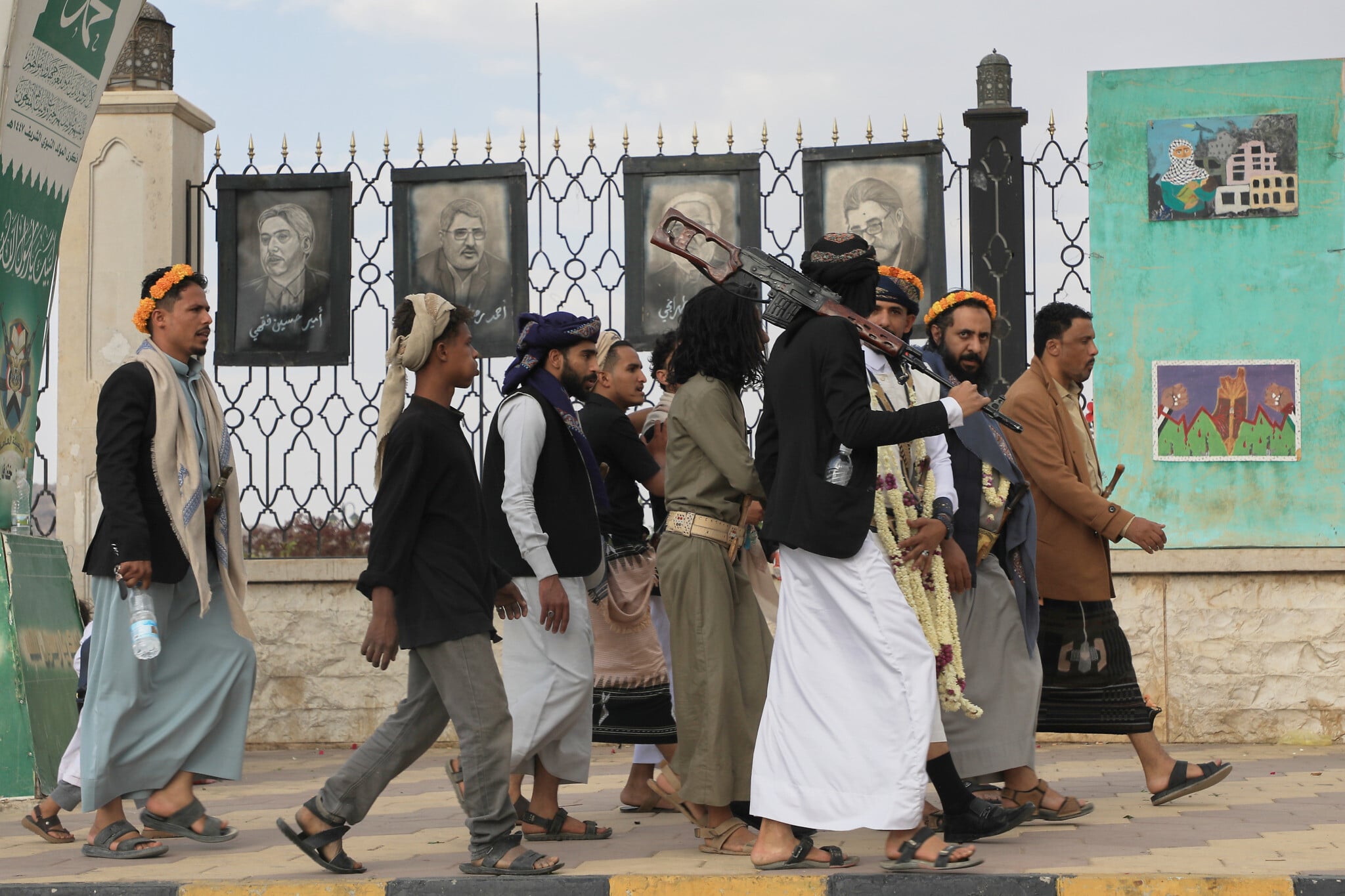
Last month, the Houthis welcomed an Iranian plane landing in Yemen’s capital Sanaa, setting off a spate of tit-for-tat attacks.
They later announced a maritime blockade of Saudi Arabia — which has led a coalition that heavily bombed Houthi areas throughout the war.
The United Nations said it was “deeply concerned” by the reported strikes.
“Such attacks risk further entangling Yemen in the wider regional confrontation, at a time when the region is already facing intense pressure and regional trade and energy flows are under severe strain,” said UN Secretary-General Antonio Guterres’ official spokesman.
The Houthis have hit Saudi tankers in the Red Sea and attacked Yemeni government forces since the latest round of fighting broke out.
They have also repeatedly targeted Saudi Arabia’s oil infrastructure and airports.








The Times of Israel Community.