

UK bans pro-Iran, anti-Israel Al Quds Day march, but static demonstration permitted
Rally organized by group that said slain leader Khamenei ‘stood on right side of history’; police note potential tensions with counter-protesters, recent foiled Iranian plots on UK soil
 Add ToI as a Preferred Source on Google
The UK government has banned a planned annual pro-Iran, pro-Palestinian and anti-Israel march organized for Sunday by a group supportive of the Iranian regime, while police said there was no law to prevent a static demonstration being held.
Al Quds Day, named after the Arabic name for Jerusalem and marked on the last Friday of the Muslim holy fasting month of Ramadan, originated in Iran and has been held annually since the 1979 Islamic Revolution. Marches are held in cities worldwide.
In a statement, police noted that previous marches in London have seen arrests for support for terror organizations and antisemitic hate crimes, but said the ban this year was due to the possibility of “extreme tensions” with counter-protesters, and the threat posed by Iran.
British Home Secretary Shabana Mahmood said late Tuesday she had approved the rare police request to prevent “serious public disorder” if the Al-Quds Day march and counter-protests had gone ahead in London on Sunday.
It is the first time a protest march has been banned since 2012 but a stationary protest will be permitted, according to London’s Metropolitan police.
Mahmood said she was “satisfied” a ban on the march was “necessary” due to “the scale of the protest and multiple counter-protests, in the context of the ongoing conflict in the Middle East.”
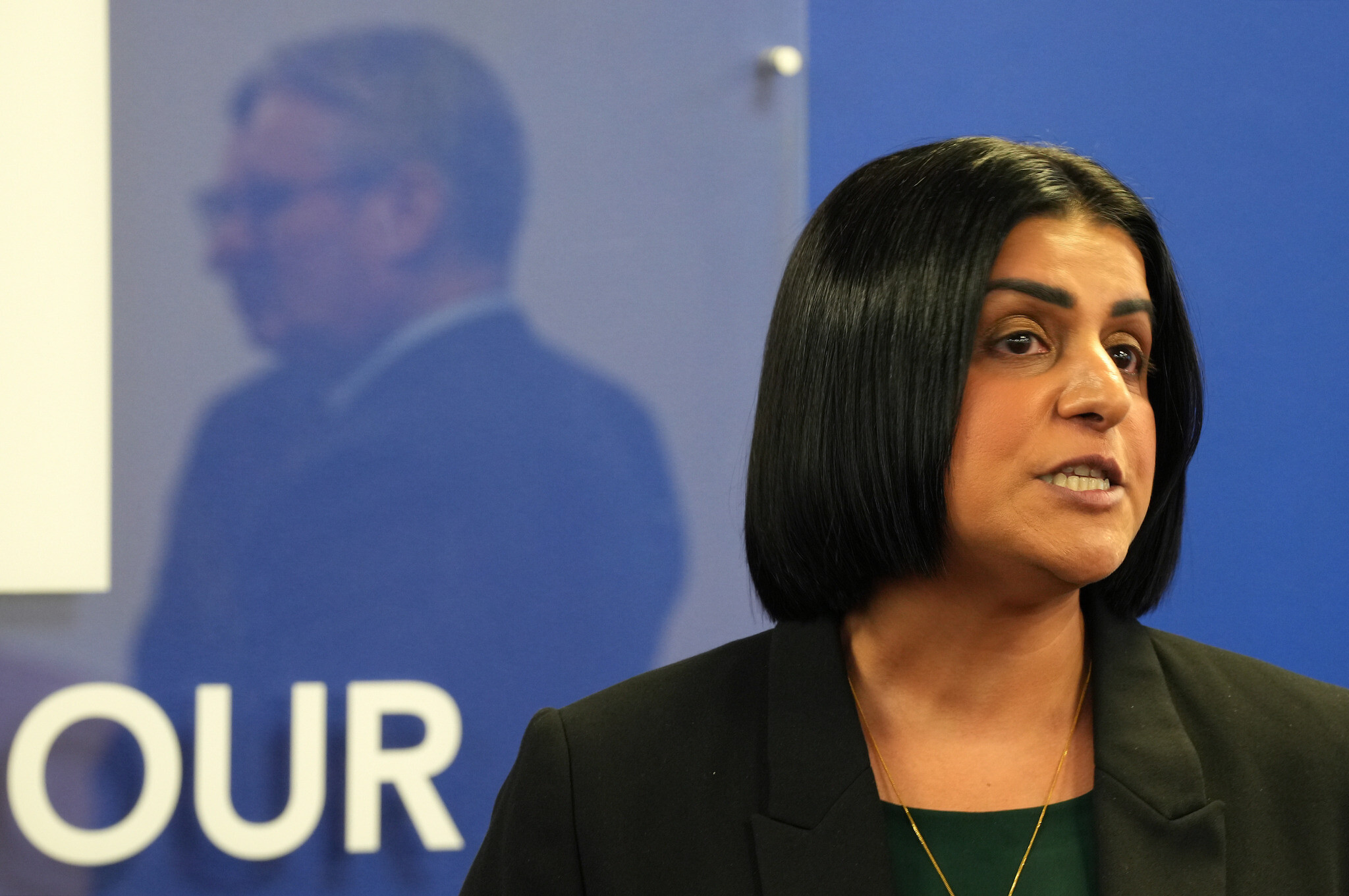
The minister added that she expected to see “the full force of the law applied to anyone spreading hatred and division.”
Metropolitan Police noted that “security services have been publicly clear about the threats we are facing on UK soil from the Iranian regime.”
“In the last year MI5 and Counter Terrorism Policing have foiled over 20 Iranian state-backed attacks on the UK,” the police statement read. “Last week counter-terrorism officers arrested four people under the National Security Act after they allegedly spied on Jewish communities for the Iranian regime and, separately, at the weekend a man was reportedly stabbed by someone who had opposing views on the Iranian regime.”
They also noted that “we have taken into consideration the likely impact on protests of the volatile situation in the Middle East, with the Iranian regime attacking British allies and military bases overseas.”
Police said that there was “no law or power to ban a static assembly,” and that it would be strictly policed if held.
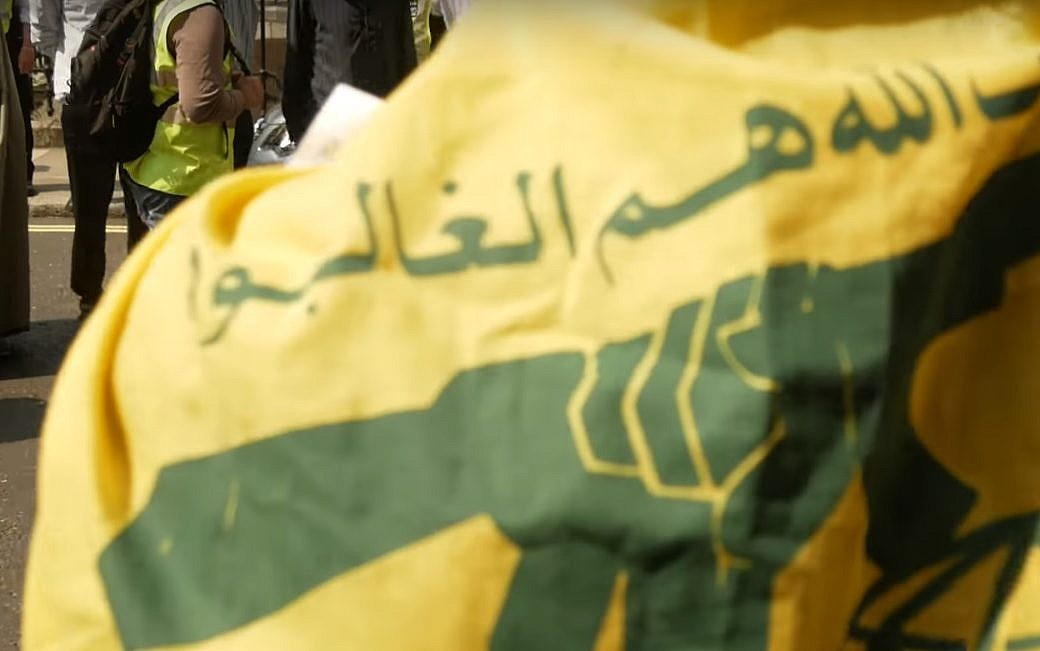
The Met’s Assistant Commissioner Ade Adelekan said the Al Quds Day march was “uniquely contentious having originated in Iran.”
“The threshold to ban a protest is high and we do not take this decision lightly,” Adelekan said.
He noted the Met has “a proven track record” of permitting free speech and protest rights at dozens of major demonstrations in recent years. British police have faced heavy scrutiny relating to those regular, large pro-Palestinian and anti-Israel protests in London.
“But in our assessment this march raises unique risks and challenges,” he said. “We must consider the likely high numbers of protestors and counter protestors coming together and the extreme tensions between different factions.
The Islamic Human Rights Commission (IHRC), which organizes the annual march in London, is supportive of Tehran and last week said in a statement that Iranian former supreme leader Ali Khamenei was killed as he “stood on the right side of history” and that his death would be “mourned by freedom loving people all over the world.”
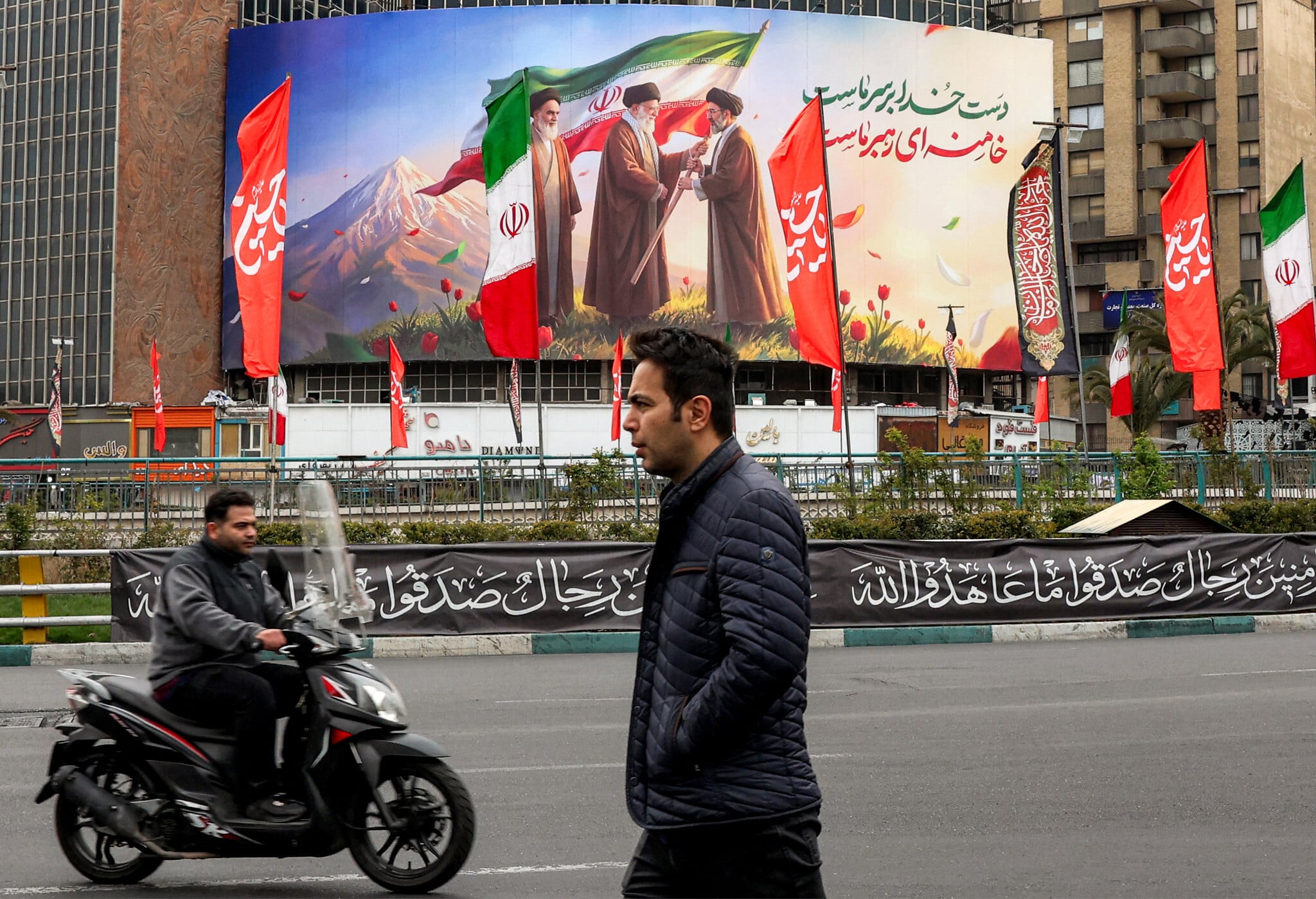
On Wednesday it said it “strongly condemns” the decision to ban the march, which it called “politically charged,” and said that it would hold a stationary rally.
“We are seeking legal advice and this decision will not go unchallenged,” it added, accusing the Met of having “brazenly abandoned their sworn principle of policing without fear or favor.”
It said the London force “unashamedly regurgitate Zionist talking points about the IHRC “without a shred of evidence.”
The ban on the march and any associated counter-protest marches is valid for a month starting Wednesday.








The Times of Israel Community.