

UK begins striking in Syria, hours after parliament vote
RAF planes based in Cyprus conduct first raids against Islamic State targets, following lawmakers’ decisive backing for Cameron
 Add ToI as a Preferred Source on Google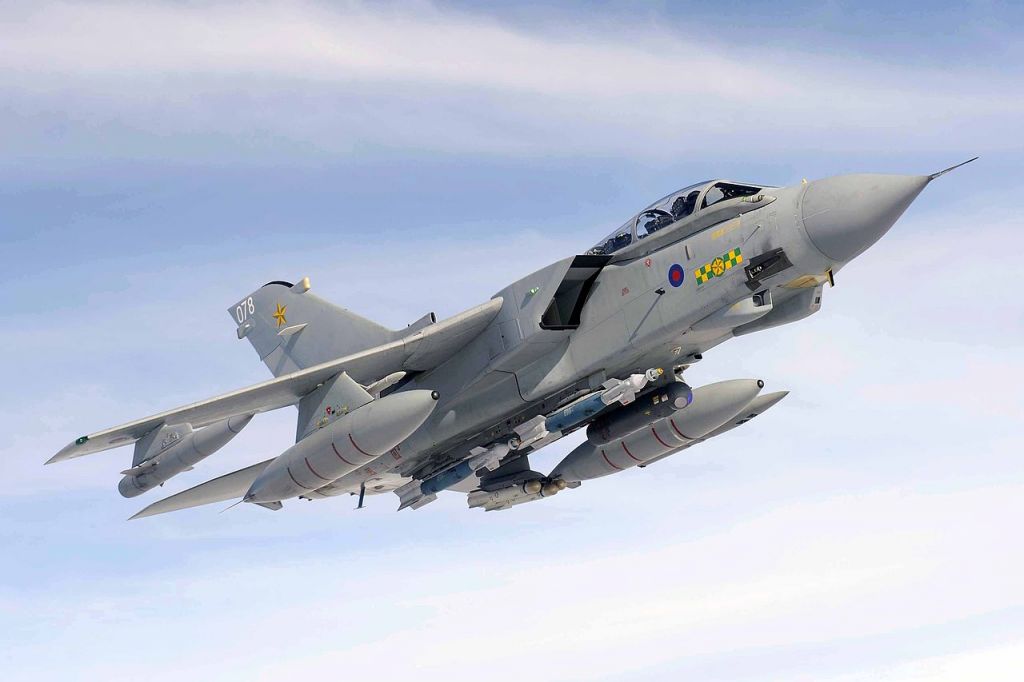
British warplanes carried out their first airstrikes in Syria Thursday, hours after Parliament voted to authorize air attacks against Islamic State group targets there.
Four Royal Air Force Tornados took off from a British air base in Akrotiri, Cyprus, shortly after the vote.
A Ministry of Defense spokesman told the AP the planes had conducted strikes in Syria, and details about their targets would be provided later Thursday.
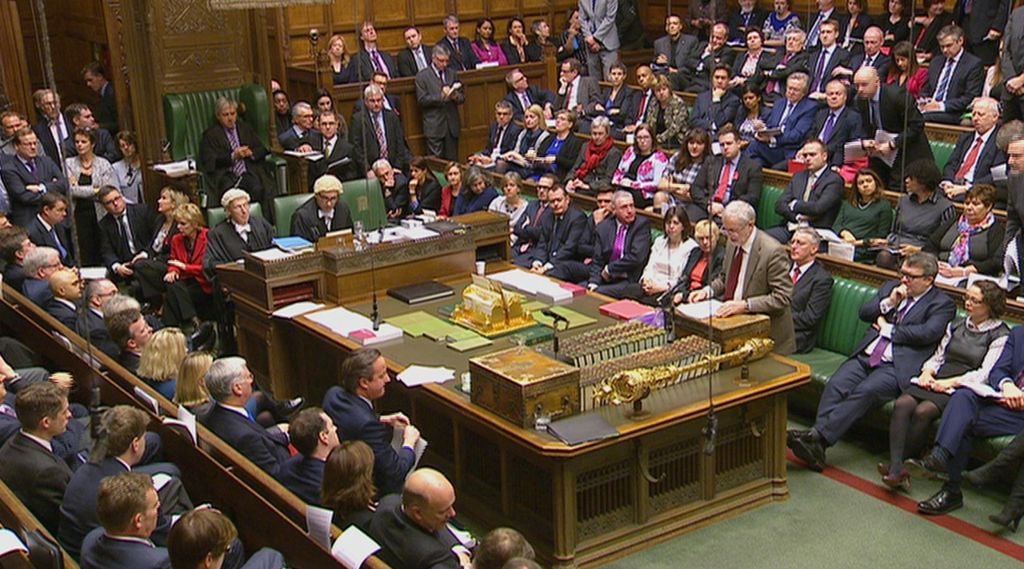
Prime Minister David Cameron’s government was backed by 397 lawmakers compared to 223 who opposed the bombing, giving him at 174 the strong mandate he said was essential for military action.
Cameron welcomed the result of the House of Commons vote, writing on Twitter: “I believe the house has taken the right decision to keep the UK safe — military action in Syria as one part of a broader strategy.”
It was also immediately hailed by US President Barack Obama, who said the US would “look forward to having British forces flying with the coalition over Syria.”
But during the debate, a wide range of MPs from all parties including main opposition Labour leader Jeremy Corbyn spoke out against air strikes.
Some 2,000 anti-war protesters also held a “die-in” outside parliament ahead of the vote during their second consecutive night of protest.
Corbyn condemned Cameron’s “ill thought-out rush to war” and said his proposals “simply do not stack up.”
However, Labour was also deeply split on the issue. Some 67 of its 231 MPs reportedly voted in favour of bombing, including 11 members of Corbyn’s frontbench team.
“Tornados at dawn” was the front page headline on Britain’s top-selling paper, The Sun, while The Times ran with: “PM wins huge backing for war.”
Britain already has eight Tornado fighter jets plus drones involved in the US-led coalition striking IS targets in Iraq and will now deploy more jets.
But experts question how much Britain, which has been wary of joining foreign conflicts in recent years after unpopular wars in Afghanistan and Iraq, would add to the campaign against IS in Syria.
“It will not make a big operational difference,” said Professor Malcolm Chalmers of military think-tank the Royal United Services Institute (RUSI).
“It is important symbolically, useful operationally, but not transformative.”
Tim Eaton and Chris Phillips of foreign affairs think-tank Chatham House accused ministers of “knee-jerk reactions… not part of a well-considered long-term strategy to defeat and degrade IS.”
“It is understandable that the British government doesn’t want to stand by as IS continues to terrorise or as Syria continues to be consumed by chaos but reaching for a quick military option like the one proposed is not the answer,” they wrote in an article for Prospect magazine.
Cameron has pledged that Britain joining air strikes on Syria will be matched by a major diplomatic push to resolve the crisis.
The last Syria peace talks in Vienna held last month brought together 17 countries including Russia, the United States, Saudi Arabia and Iran.
It set a fixed calendar for a ceasefire followed by a transitional government in six months and elections one year later. Syrian opposition figures have called this unrealistic.
During the debate, the government also faced a string of questions about whether joining the international military action on Syria could make Britain more vulnerable to attack from IS.
The last major plot to hit British soil was the July 7, 2005 attacks in which 52 people died.
And in June this year, 30 Britons were among 38 tourists killed in an attack at a holiday resort in Tunisia claimed by IS.
Officials say seven plots have been foiled by intelligence services in the last year alone. Cameron said this figure showed it was right to take immediate action.
“These terrorists are plotting to kill us and radicalize our children right now,” he said. “They attack us because of who we are, not because of what we do.”




The Times of Israel Community.