

UK’s Starmer says he’s sorry but won’t resign after facing MPs on Mandelson-Epstein scandal
British premier admits appointing ex-envoy to US ‘was wrong,’ says ‘I take responsibility’; sacked official Olly Robbins reports ‘atmosphere of pressure’ to greenlight appointment
 Add ToI as a Preferred Source on Google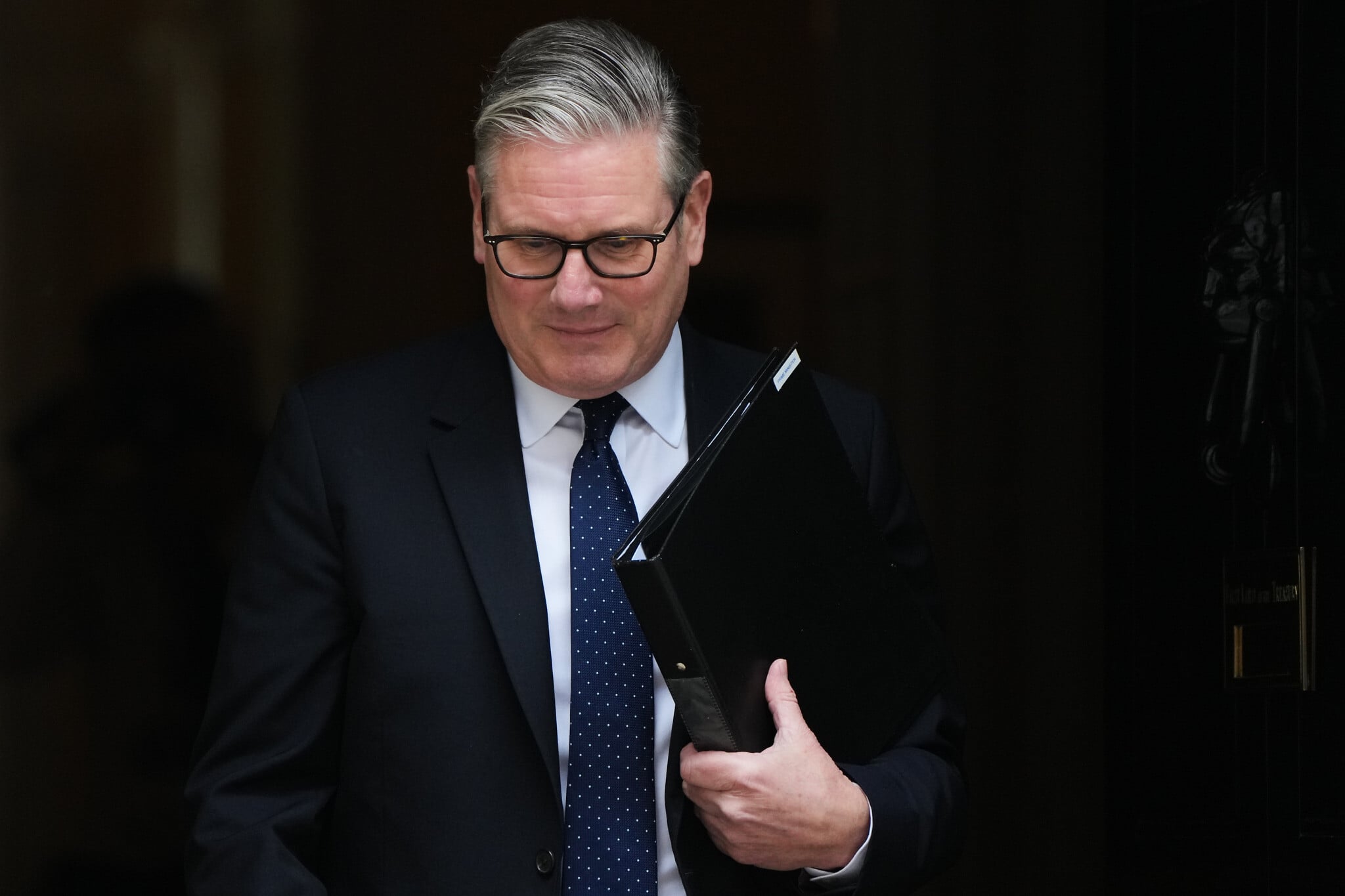
LONDON (AP) — British Prime Minister Keir Starmer acknowledged Monday that he made an error in judgment when he picked Jeffrey Epstein’s friend Peter Mandelson as the UK’s ambassador to Washington, batting away a barrage of calls to resign over a scandal that has left his leadership teetering.
Starmer said he would have withdrawn the appointment if he’d known Mandelson had failed security checks, as he tried to explain why Mandelson was given the UK’s most important diplomatic post. Starmer placed blame squarely on Foreign Office officials who, he said, failed to tell him about the security concerns and approved Mandelson’s appointment despite them.
Starmer told lawmakers in the House of Commons that ”I would not have gone ahead with the appointment” had he known the truth. He called it “frankly staggering” that officials didn’t tell him about the failed vetting.
“At the heart of this, there is also a judgment I made that was wrong,” Starmer added. “I should not have appointed Peter Mandelson.”
He added, “I take responsibility for that decision, and I apologize again to the victims of the pedophile Jeffrey Epstein, who were clearly failed by my decision.”
Starmer fired Mandelson in September, nine months into the job, when new details emerged about his friendship with Epstein, a convicted sex offender who died in prison in 2019.
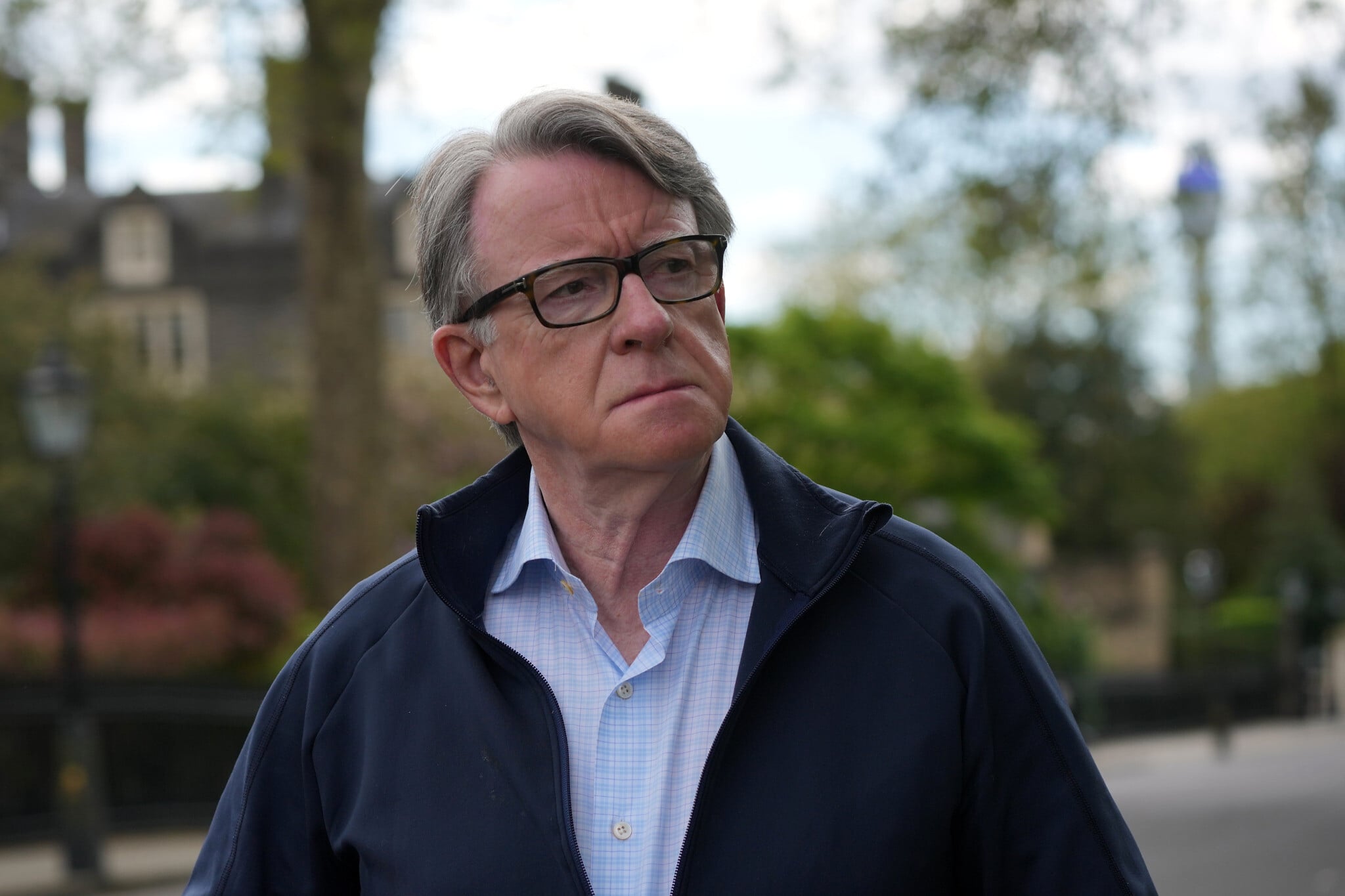
His explanation was greeted with jeers from opposition lawmakers, incredulous that the nation’s leader hadn’t known about the failed security vetting.
Conservative Party leader Kemi Badenoch said Starmer’s lack of curiosity was hard to believe.
“It doesn’t appear that he asked any questions at all. Why? Because he didn’t want to know,” she said.
Starmer was attempting to set the record straight after previously telling lawmakers that “due process” was followed when Mandelson was appointed.
Though he apologized for his error of judgment, he denied misleading Parliament, which is usually considered a resigning offense in the UK.
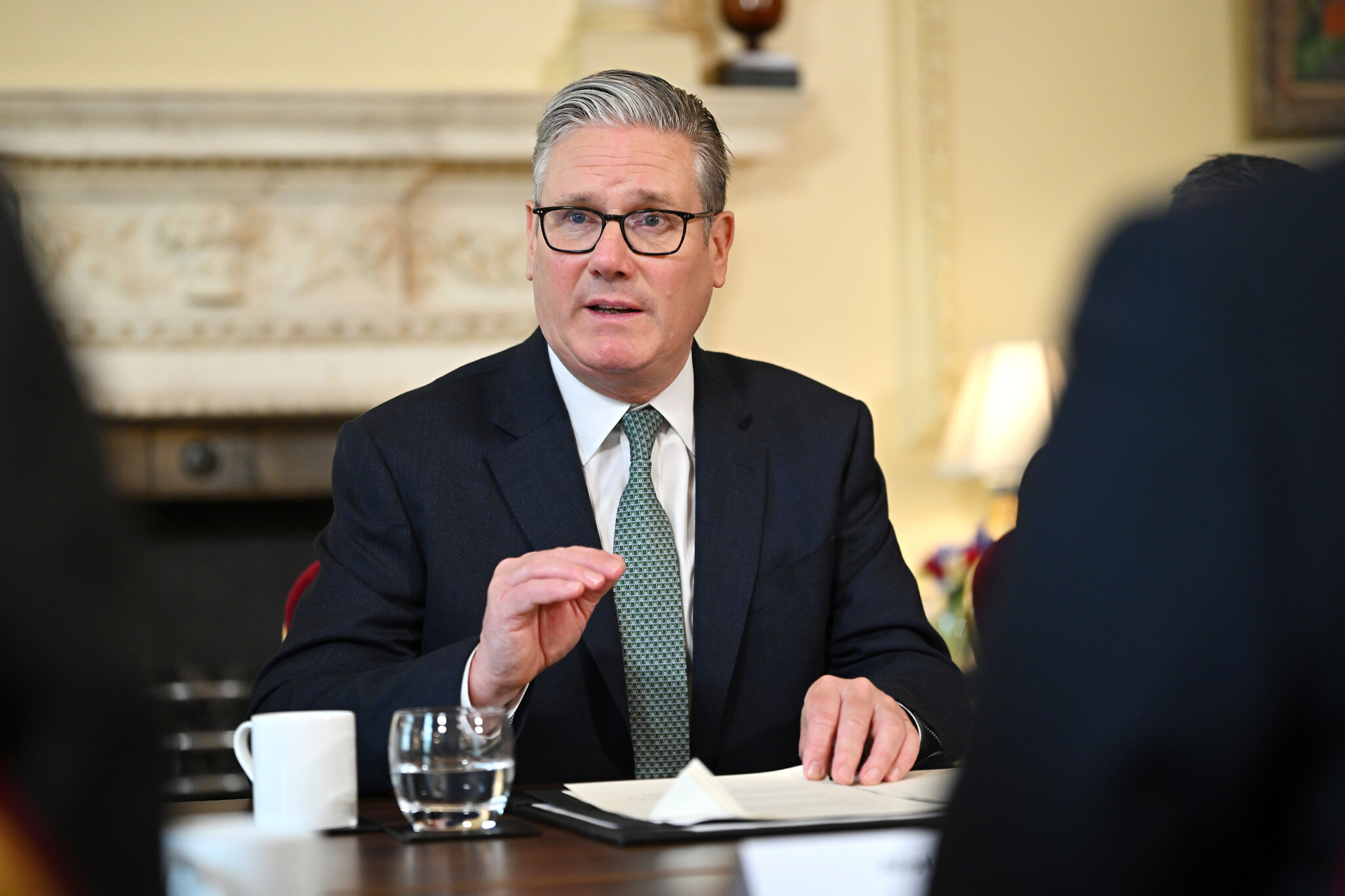
Fired official: Mandelson was ‘borderline case’ security-wise
Starmer fired the top Foreign Office civil servant, Olly Robbins, within hours of the revelation about Mandelson by The Guardian last week.
But Robbins said the rules bar details of the sensitive vetting process from being shared except in “exceptional circumstances.”
Robbins told the House of Commons Foreign Affairs Committee on Tuesday that there was an “atmosphere of pressure” coming from Starmer’s office to approve the appointment so Mandelson could be in hid position at the start of President Donald Trump’s second term.
He said there was “a very, very strong expectation” that Mandelson “needed to be in post and in America as quickly as humanly possible” and “a generally dismissive attitude” to the security vetting from Starmer’s office.
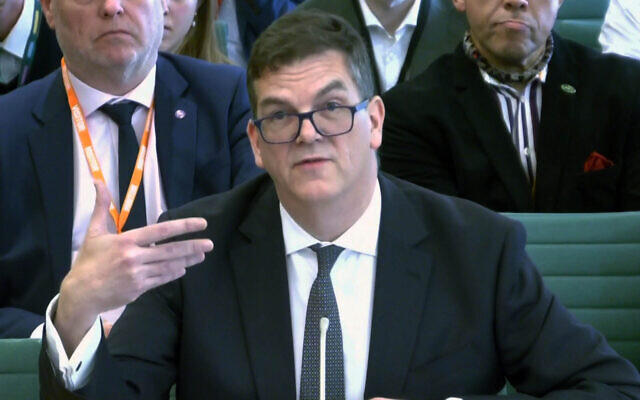
Robbins said there were concerns about Mandelson, but that they did not relate to his relationship with Epstein. He declined to say when questioned by lawmakers what led the government’s vetting agency to flag Mandelson as a potential security risk.
Robbins said the vetting agency considered Mandelson a “borderline case” and was “leaning toward recommending against” giving him security clearance. He decided to clear him anyway.
Robbins said he was “very conscious” that refusing Mandelson security clearance would have caused “a real problem for the government and a problem for the country” in relations with the Trump administration.
Robbins insisted his department “did not bow to that pressure.” He said his decision to grant Mandelson clearance was based on security advice that the risks could be managed.
Opposition Conservative Party leader Kemi Badenoch said Robbins’ testimony “is devastating to Keir Starmer.”
She said “it is now absolutely clear that ‘full due process’ was not followed. Keir Starmer has misled the House” of Commons.
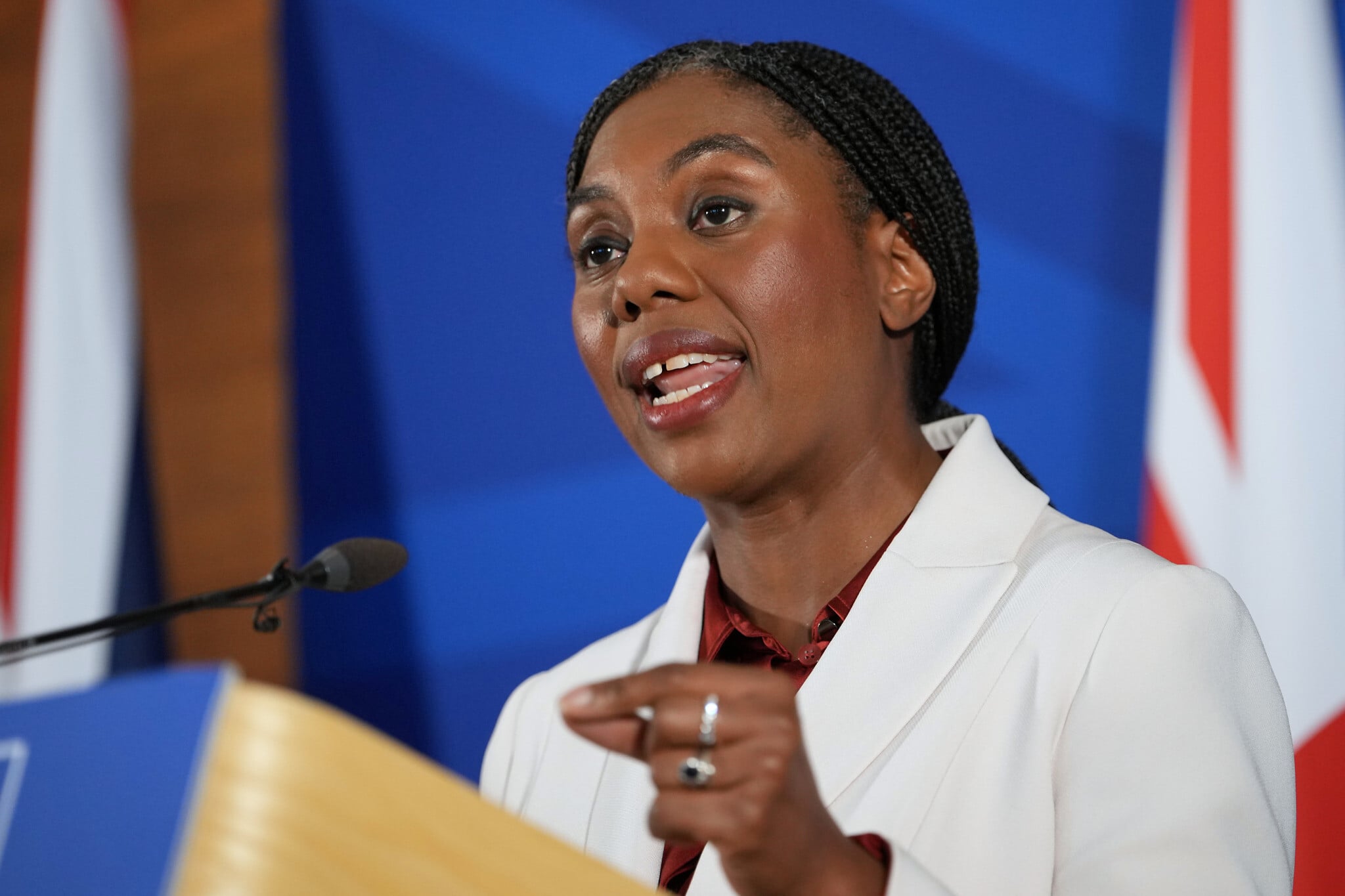
Leader of the UK Conservative Party Kemi Badenoch speaks during a press conference in London, on April 17, 2026. (AP Photo/Kin Cheung)Ed Davey, leader of the centrist Liberal Democrats, said Starmer “gives every impression of a prime minister in office but not in power.” Davey said appointing Mandelson was “a catastrophic error of judgment. And now that it’s blown up in his face, the only decent thing to do is to take responsibility.”
Senior government colleagues have defended the prime minister. Deputy Prime Minister David Lammy said that if Starmer had known about the failed security vetting, “he would never, ever have appointed him ambassador.”
But lawmakers in Starmer’s center-left Labour Party, already anxious about its dire poll ratings, are restive. Starmer already defused one potential crisis in February, when some Labour lawmakers urged him to resign over the Mandelson appointment.
He could face a new challenge if, as expected, Labour takes a hammering in local and regional elections on May 7, which give voters a chance to pass a midterm verdict on the government.
Warnings about Epstein ties went unheeded
Critics say the Mandelson appointment is more evidence of bad judgment by a prime minister who has made repeated missteps since he led Labour to a landslide election victory in July 2024.
Starmer has struggled to deliver promised economic growth, repair tattered public services and ease the cost of living, and has been forced into repeated policy U-turns.
He picked Mandelson as ambassador despite being warned by his staff that Mandelson’s friendship with Epstein exposed the government to “reputational risk.”
Mandelson’s business links to Russia and China also set off alarm bells. But his expertise as a former European Union trade chief and contacts among global elites were considered assets in dealing with US President Donald Trump’s administration.
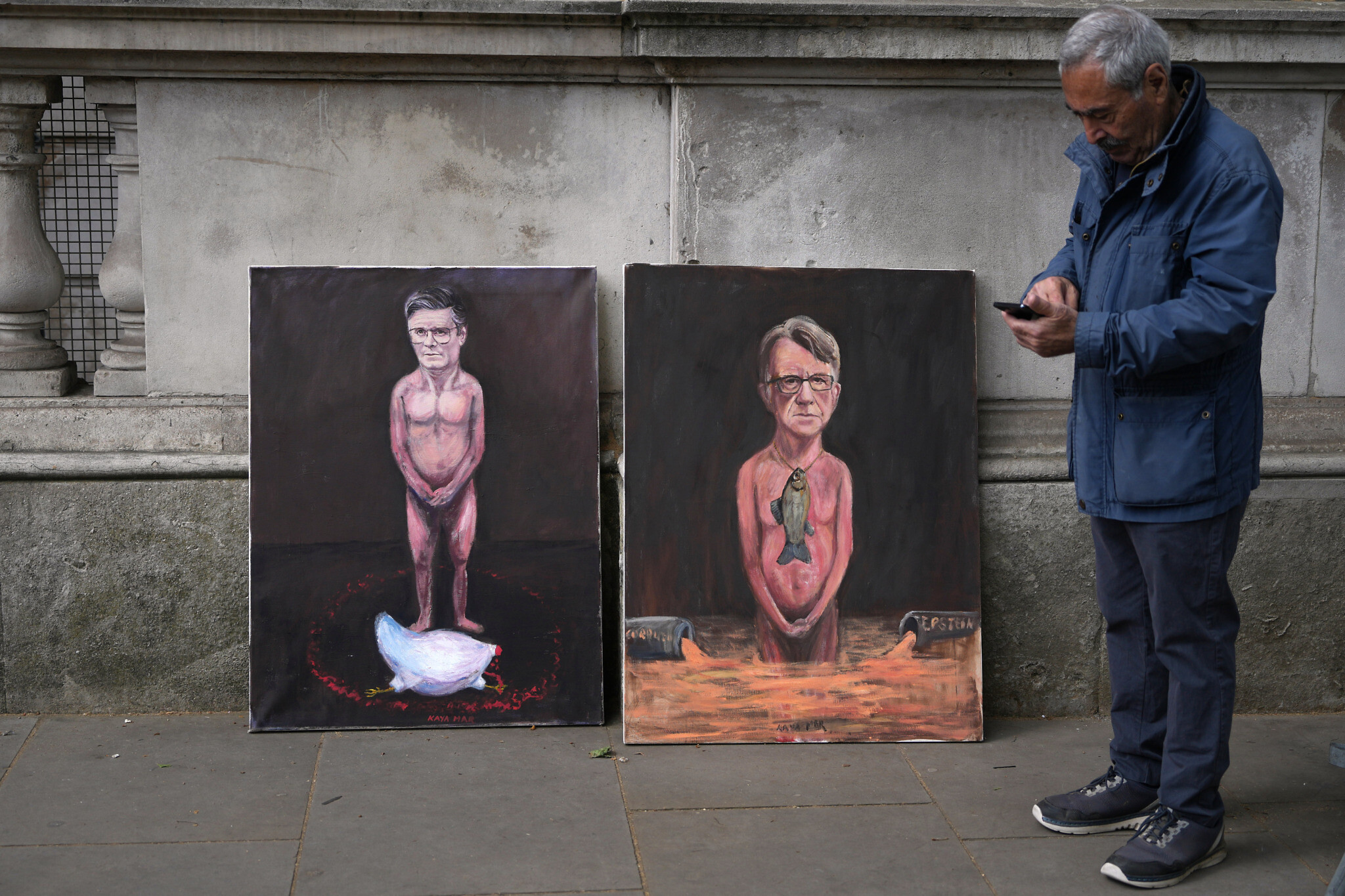
A trove of Epstein-related documents released by the US Department of Justice in January included emails suggesting Mandelson had passed on sensitive, and potentially market-moving, government information to Epstein in 2009, after the global financial crisis and Epstein’s conviction.
British police launched a criminal probe and arrested Mandelson in February on suspicion of misconduct in public office. Mandelson has previously denied wrongdoing and hasn’t been charged. He does not face allegations of sexual misconduct.
Starmer said he had ordered a review into any security concerns arising from Mandelson’s access to sensitive information while ambassador.
Many questions remain unanswered after Starmer’s 2.5-hour question-and-answer session, including why exactly Mandelson failed the vetting.
Several lawmakers asked why Starmer chose Mandelson for the job despite red flags.
“I’m interested in his judgment,” said Scottish National Party lawmaker Stephen Flynn. “Does he believe himself to be gullible, incompetent or both?”





The Times of Israel Community.