

Underground art, literally: War takes Tel Aviv museum’s tours to the basement
The Tel Aviv Museum of Art’s curators guide visitors through the New Objectivity exhibit, rehung in its dressing rooms
 Add ToI as a Preferred Source on Google
Jessica Steinberg, The Times of Israel's culture and lifestyles editor, covers the Sabra scene from south to north and back to the center
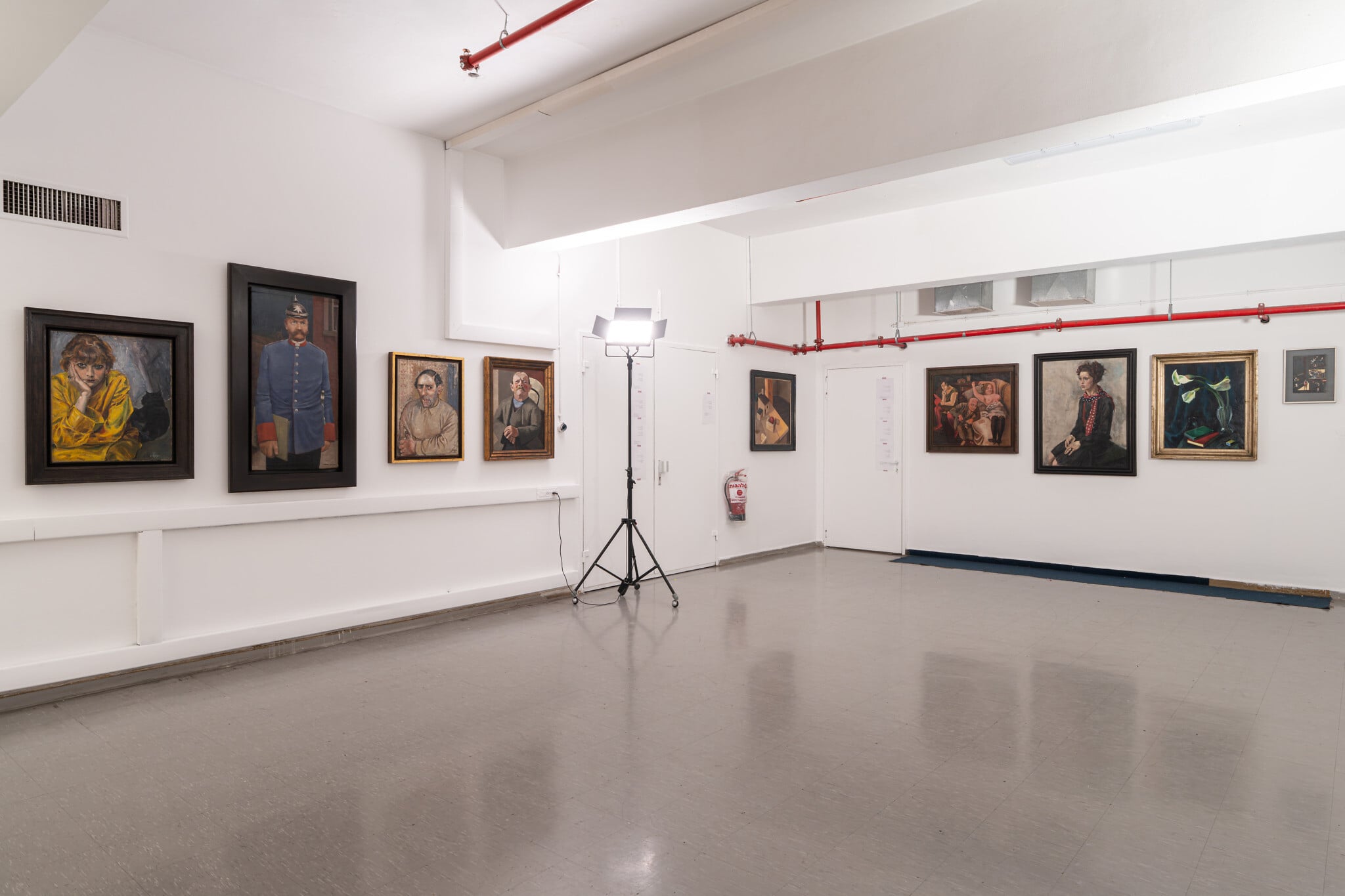
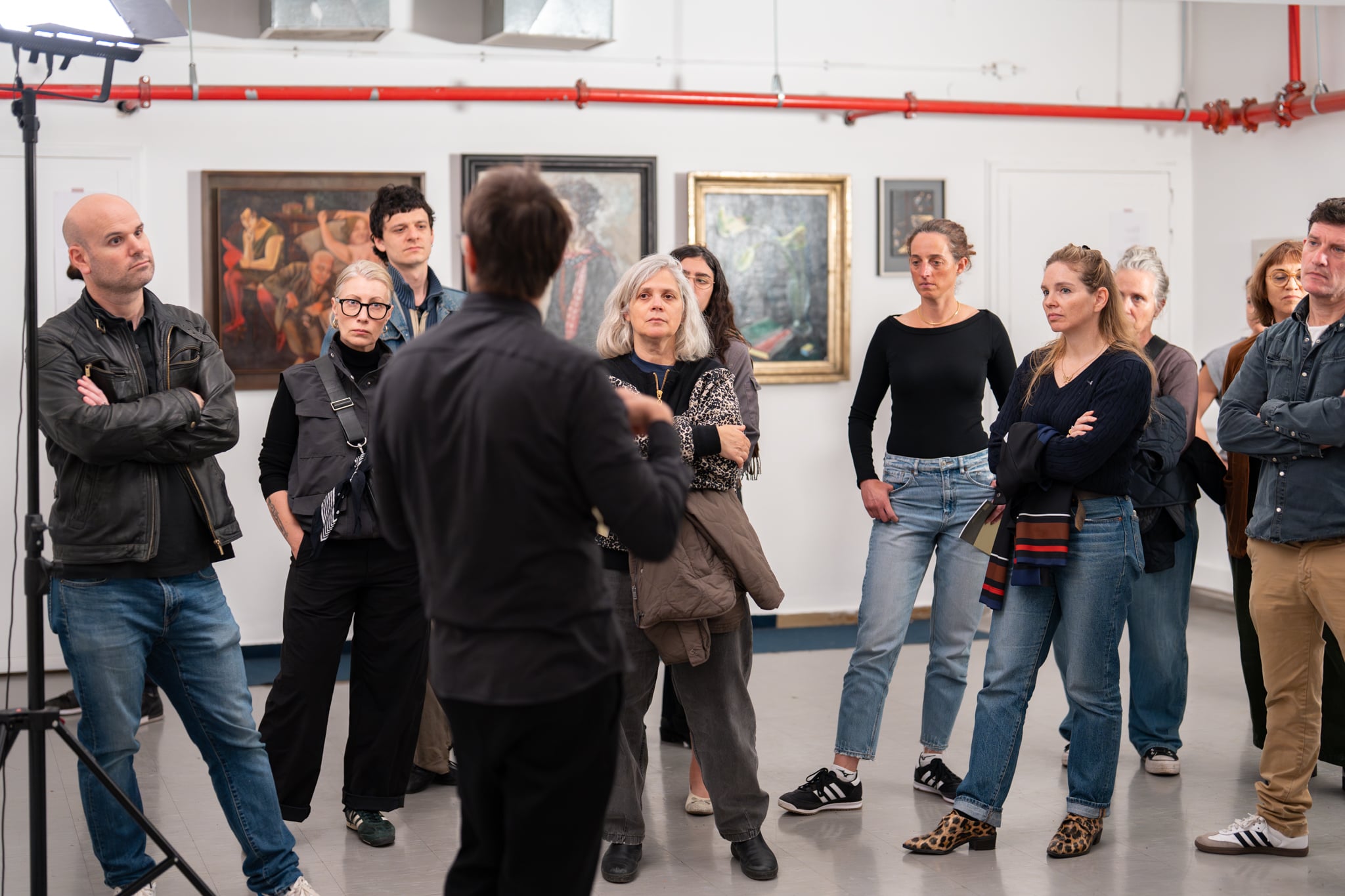
The Tel Aviv Museum of Art has remained mostly closed to the public since February 28, when the US-Israeli war with Iran began and the threat of missile strikes sent Israelis to shelters — and much of its art underground.
The museum plans on reopening this weekend amid the current two-week ceasefire, but in the meantime has been offering tours in the institution’s basements, a rare behind-the-scenes tour featuring artworks that were removed from display due to the war.
Small groups of 25 can sign up for “The Event Has Not Ended / Emergency Tour in the Museum’s Underground Spaces,” which begins in the empty galleries of the exhibition “End of the Day: One Hundred Years of the New Objectivity Movement.”
The tour’s title is a play on the message the IDF Home Front Command sends to residents when they can leave bomb shelters after a rocket or missile siren: “The event has ended.”
Assistant curator Naama Bar-Or guided one group on a recent afternoon, pointing out the blank spots on the wall where pieces from the rare private collection had been displayed for the exhibit that opened on December 16.
The show features a selection of artworks from the private holdings of German collector Jan Fischer, all exposing the “New Objectivity” art period of extreme upheaval in German society between the two World Wars.
“It was a very unstable period and future,” said Bar-Or. “These paintings offered a way of looking at things, offering a mirror on the situation.”
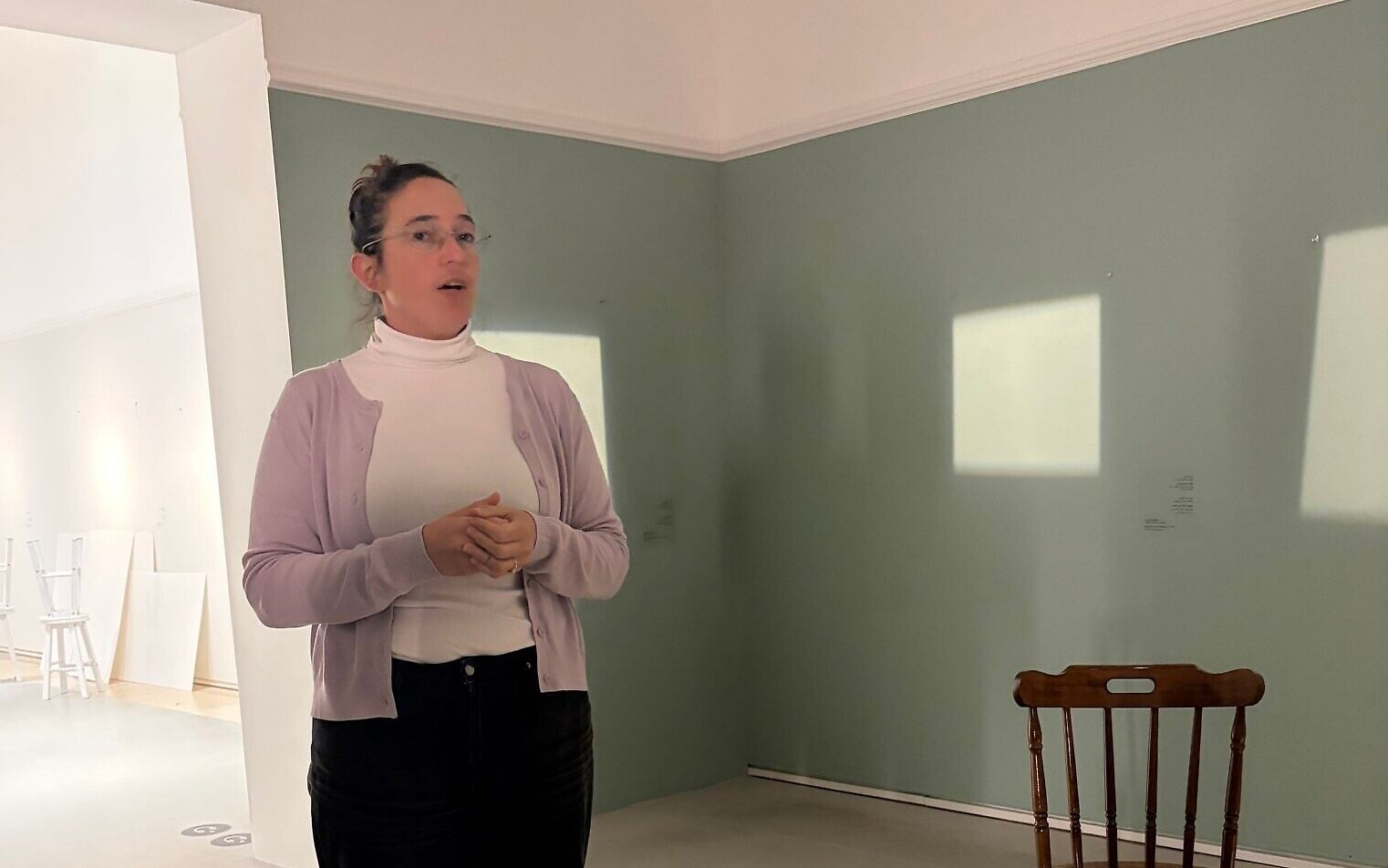
Bar-Or then steered the group through the empty galleries of the exhibit into the museum’s auditorium and onstage, where a pianist performed as the visitors waited to be divided into smaller groups and then guided down a narrow stairwell into the museum’s basement.
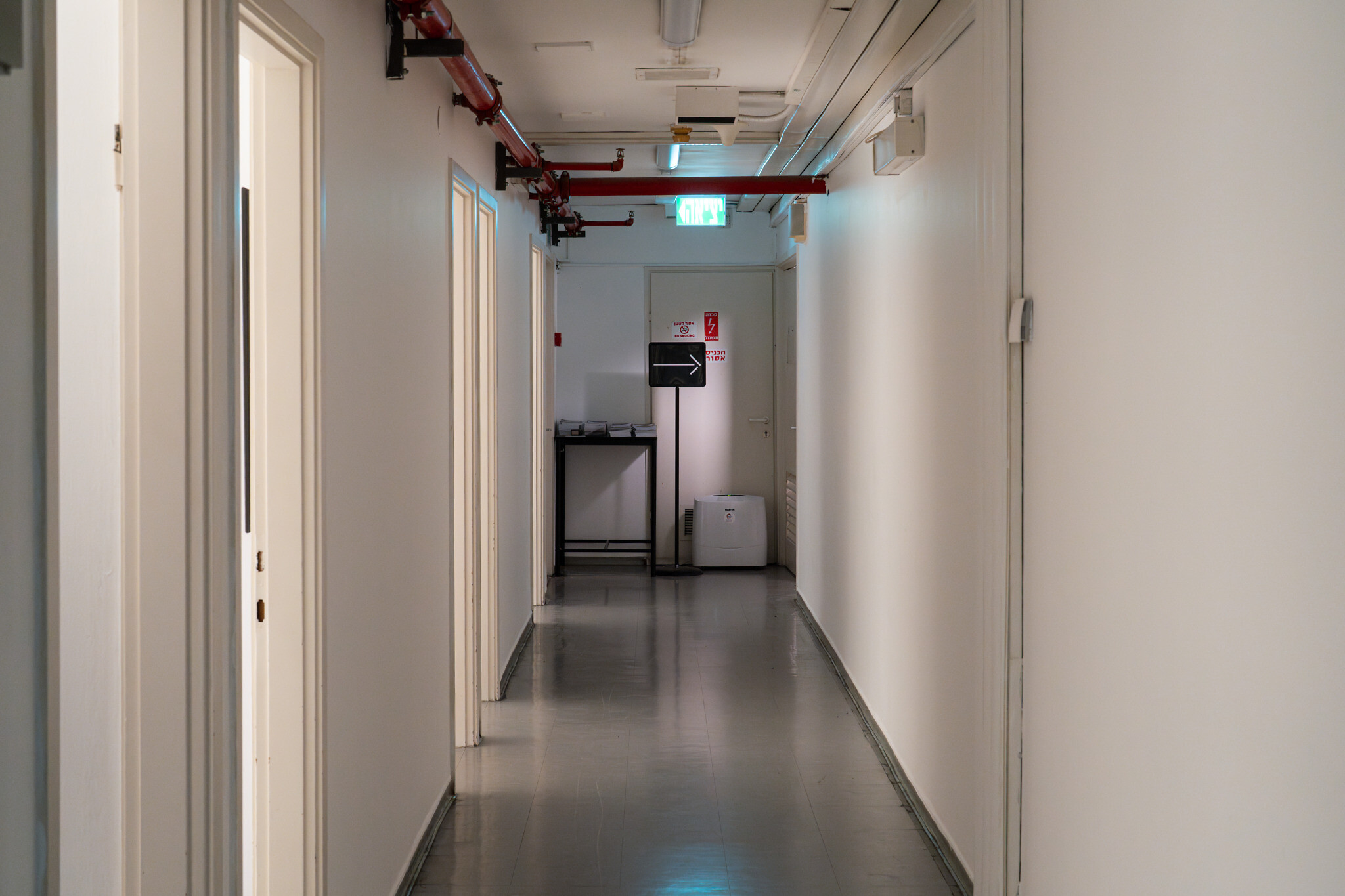
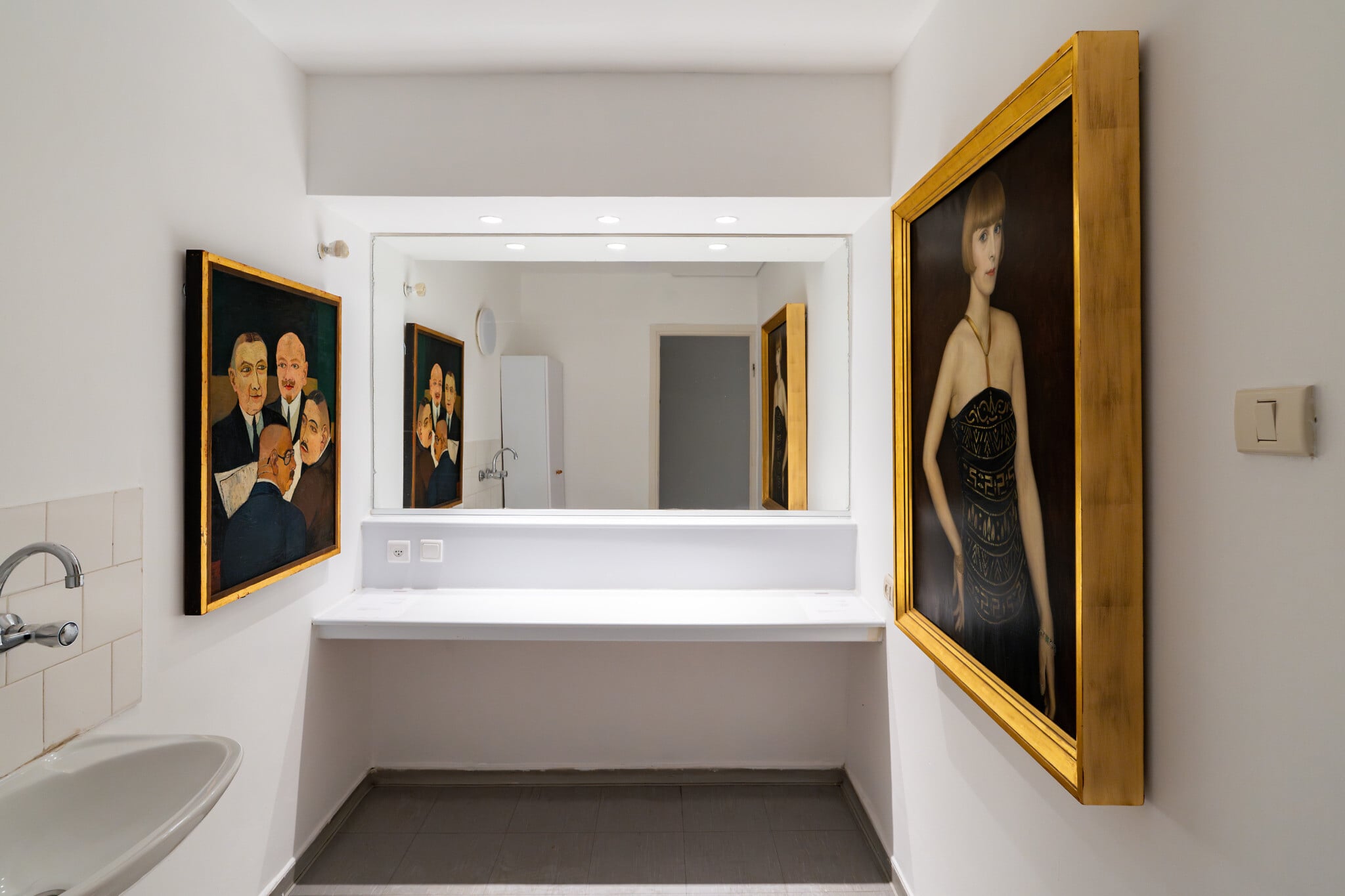
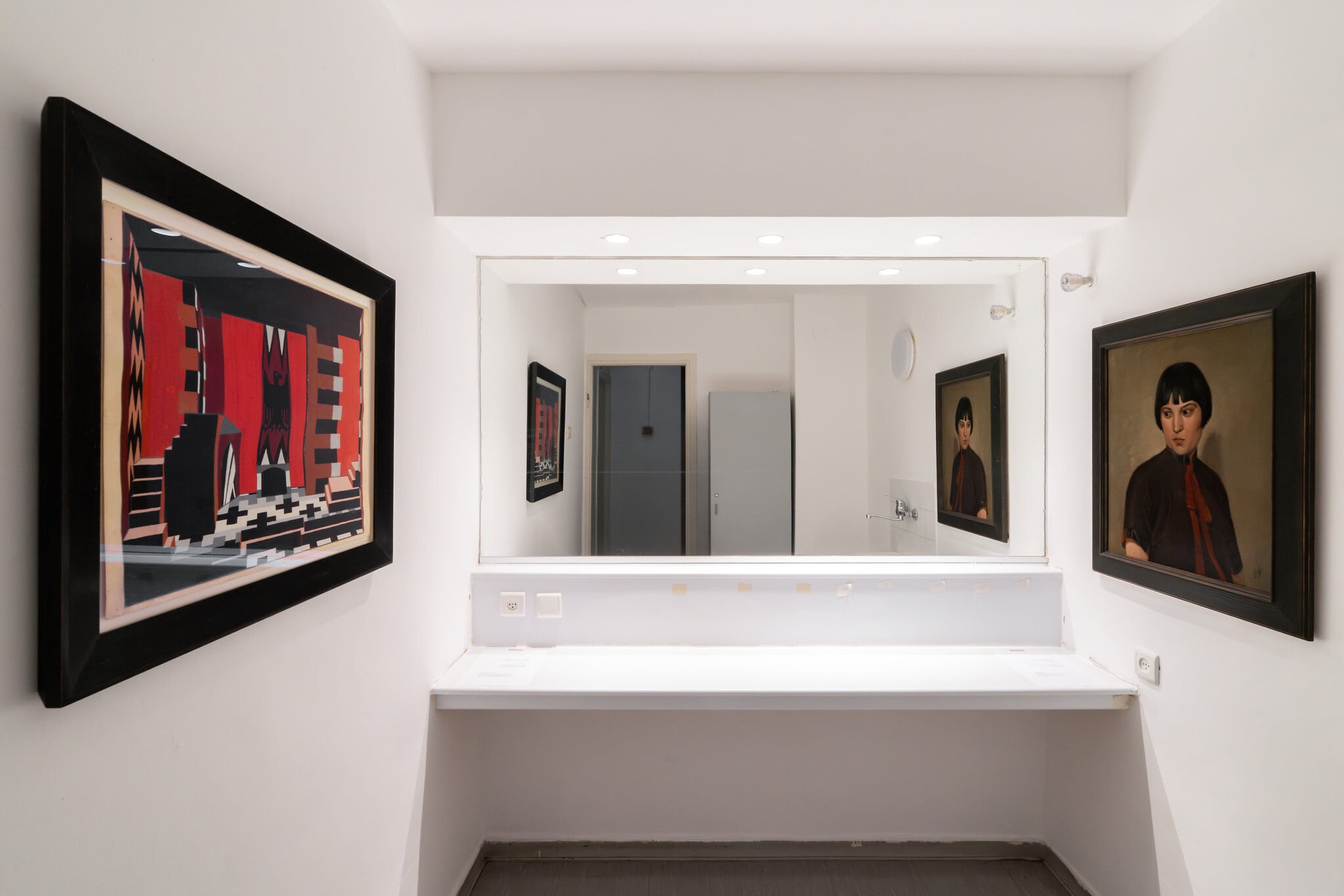
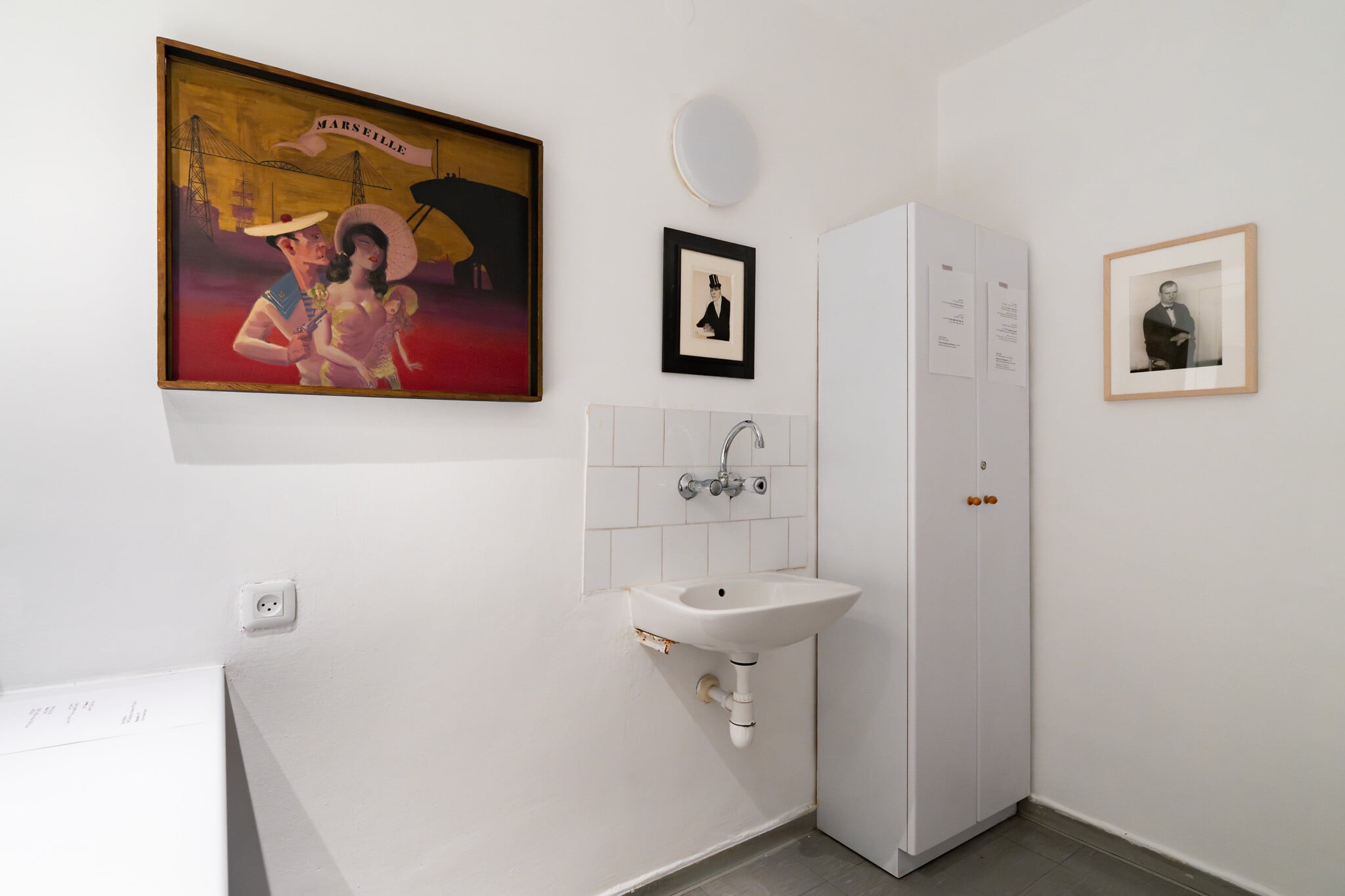
Some 40 of the 120 artworks from the “End of the Day” exhibit were hung in several of the dressing rooms used by performers at the museum.
“This is a first,” said Bar-Or. “We’re crossing red lines of how to show art, hanging these works in rooms lined with water pipes and electrical sockets.”
Some of the individual dressing rooms contain sinks as well, and it would ordinarily be taboo to hang a painting near a water source, said Bar-Or.
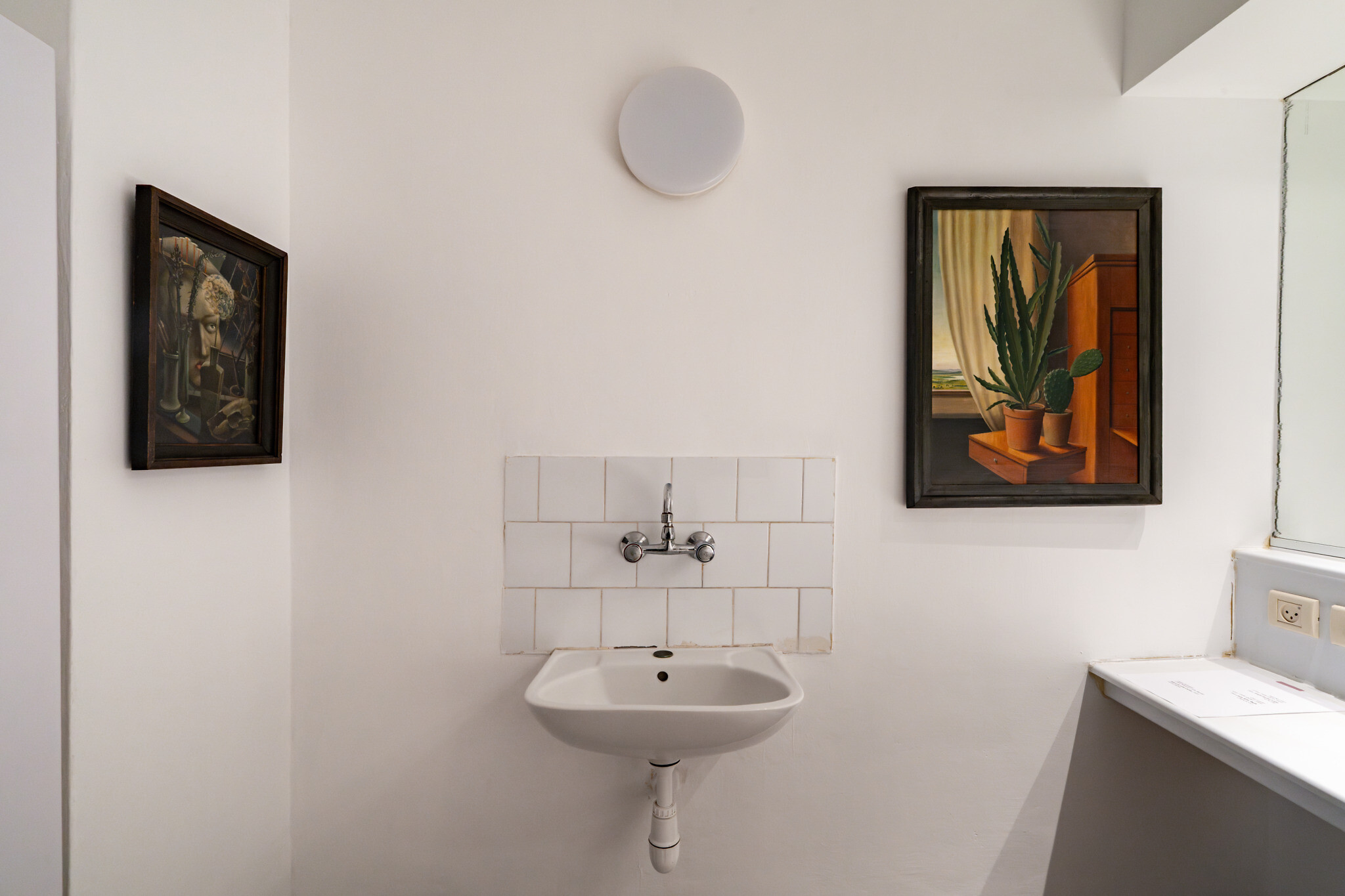
“It’s an unconventional setup, but it just shows the urgency of this activity,” she said.
The exhibit had only been open for a short while before the war broke out.
As the war lengthened in days and then weeks, the museum staff decided to show some of the artworks in the underground rooms, which double as safe spaces.
In a brief overview in one of the larger rooms, hung with around a dozen artworks, many of them portraits, Bar-Or noted that the New Objectivity artists strove to reflect reality as it truly was, without any embellishments, often painting portraits that did not always enhance their subjects, but rather reflected the realities at hand.
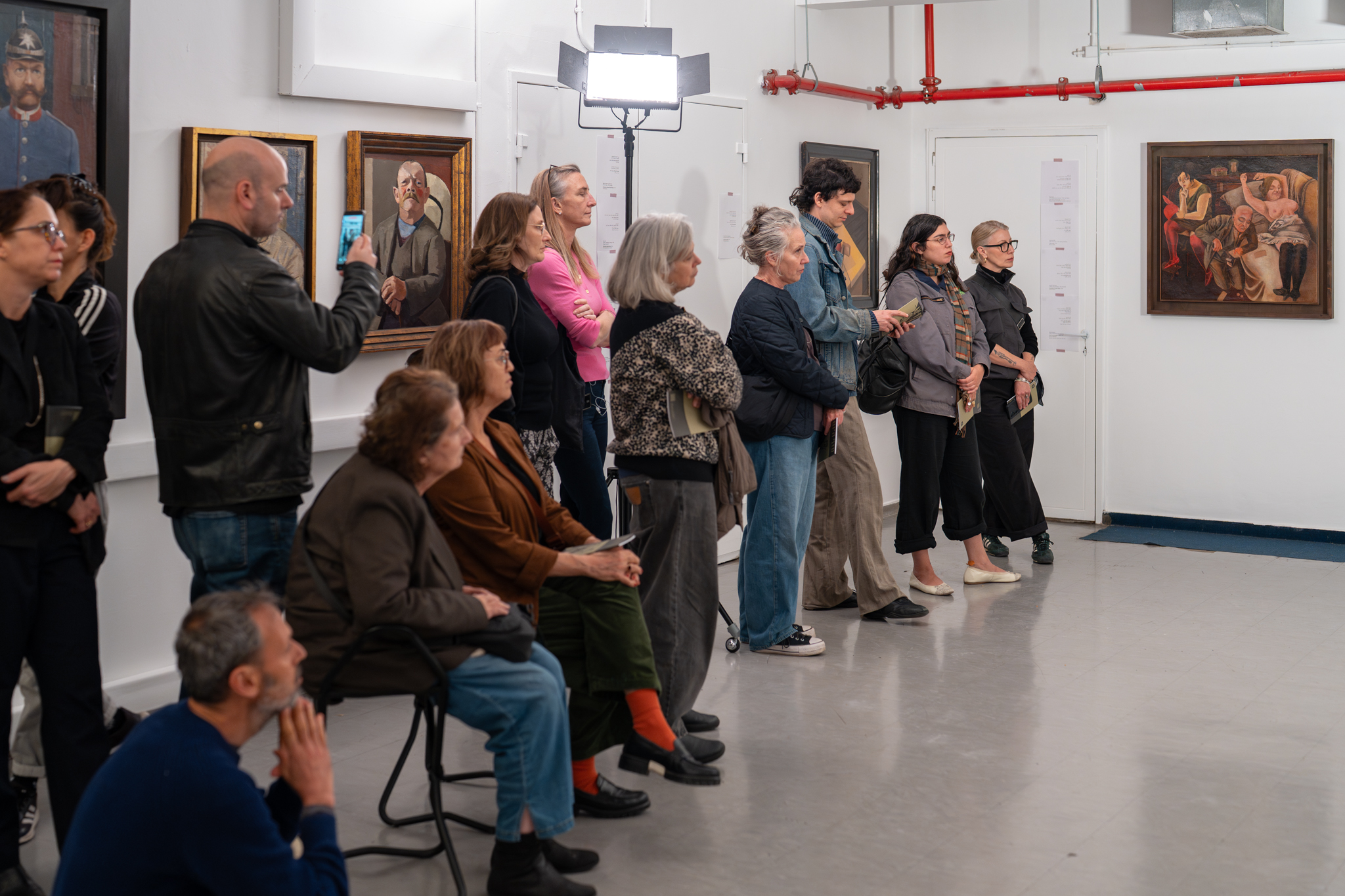
“It’s more than a little bit like our situation today,” said Bar-Or, before ushering the group back up the stairs and out a little-known back entrance of the museum.
Tours will be held on Thursday for “The Event Has Not Ended / Emergency Tour in the Museum’s Underground Spaces.” Tickets are available online; the tour is offered in Hebrew and English.






The Times of Israel Community.