

Undeterred by war, foreign students at universities learned what it means to be Israeli
As many international students stayed put despite constant missile fire, Israeli resilience became second nature – as did the routine of running from lab to safe room and back again
 Add ToI as a Preferred Source on Google
Reporter at The Times of Israel
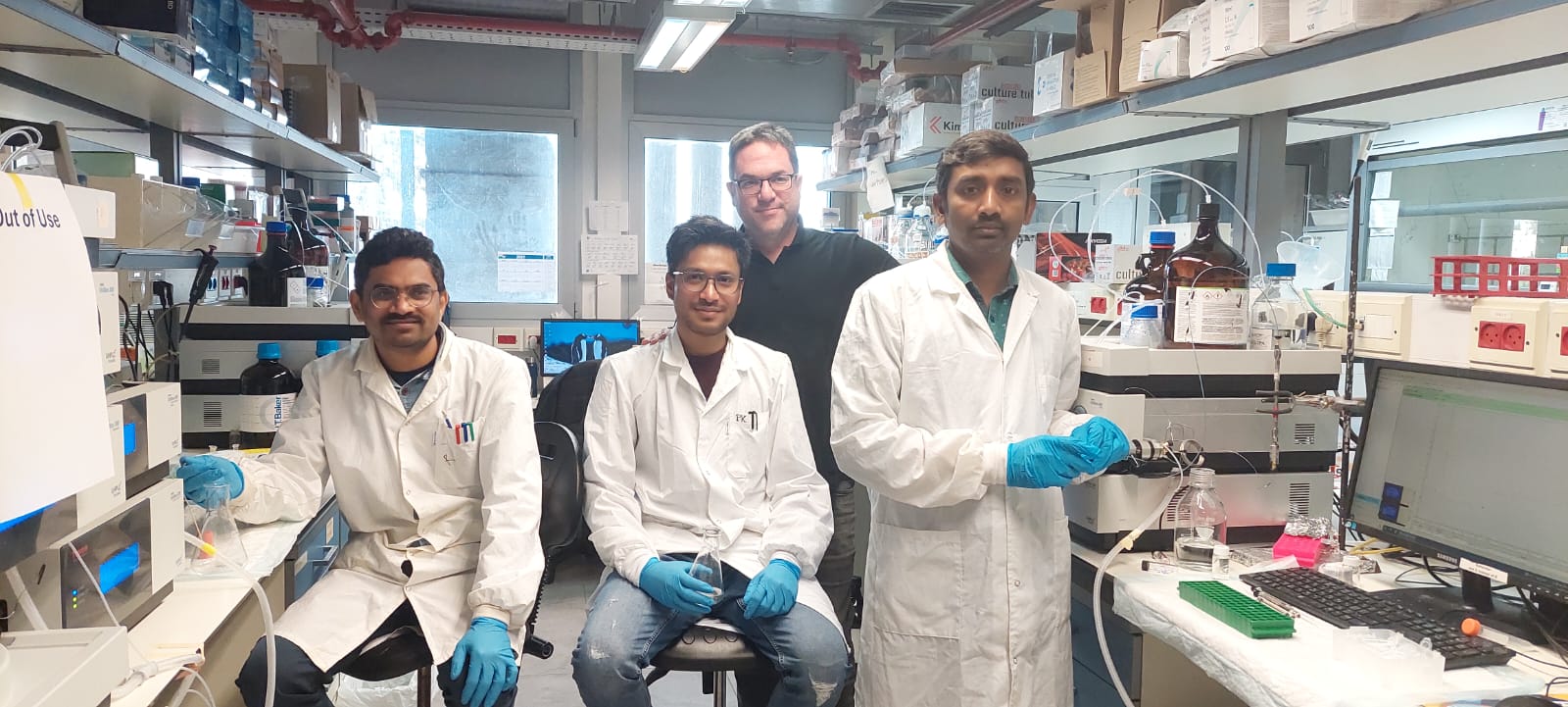
On a recent morning at the Shulich Faculty of Chemistry at Haifa’s Technion-Israel Institute of Technology, three post-doctoral students from India were immersed in their research experiments. The lab was crowded with glass beakers, bottles, test tubes, and syringes.
Suddenly, a siren blared, indicating a possible incoming Iranian ballistic missile.
The students calmly filed out of the Ashraf Brik lab, as though this drill were part of normal procedure, and headed for the protected room down the hall. One didn’t bother to take off his white lab coat and gloves.
After about 10 minutes, the students returned to the lab and resumed their work. This time, there was no damage.
However, two days later, on March 26, another Iranian missile barrage struck the campus. Nobody was hurt, but the campus sustained damage to one of its libraries, several other buildings, infrastructure, and equipment.
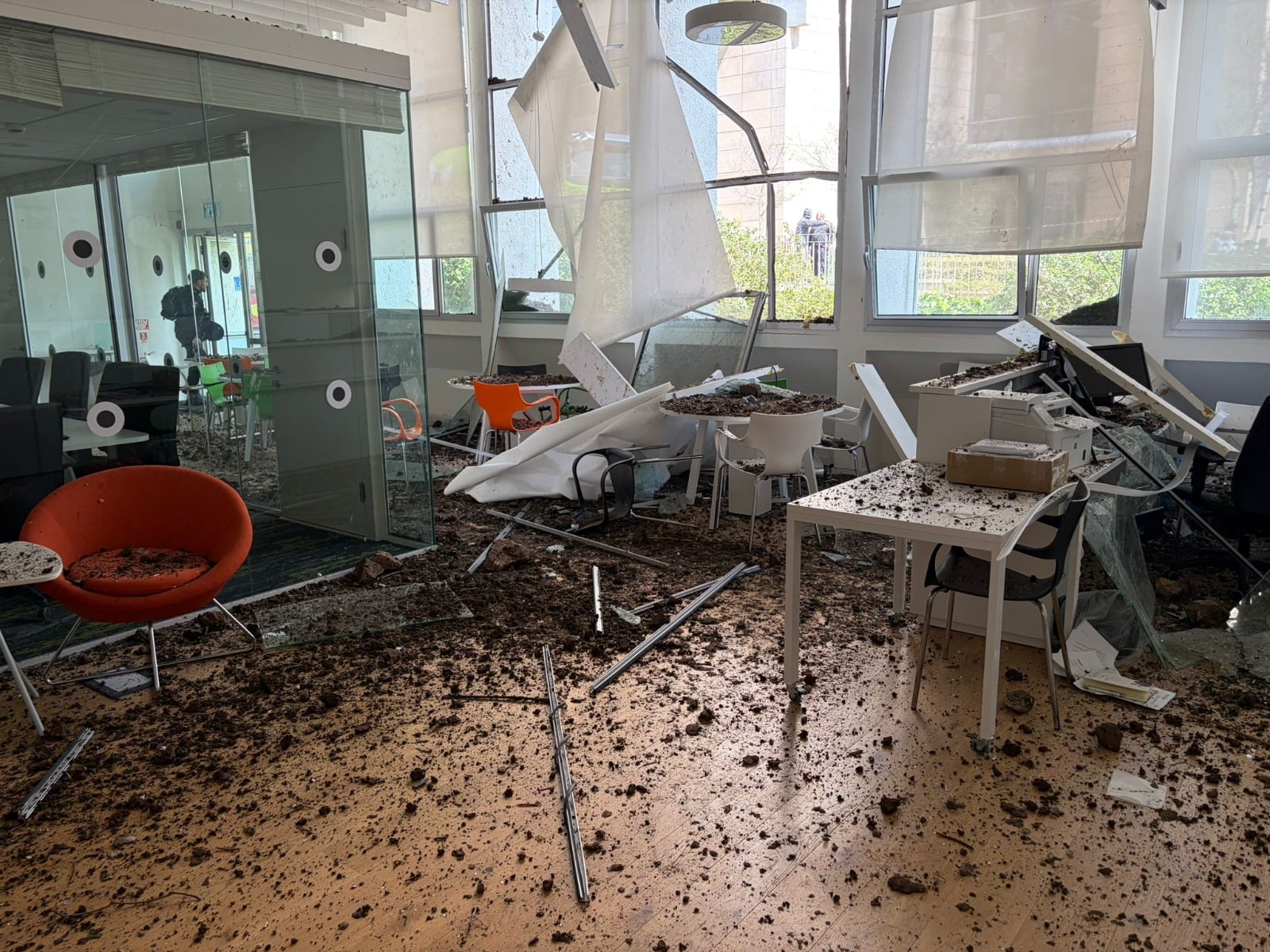
“I heard the impact and felt the vibrations, which were very frightening and left me feeling shocked,” Ashok Donthoju, 37, one of the Indian students, told The Times of Israel after the attack. “But we’ve been trained to protect ourselves.”
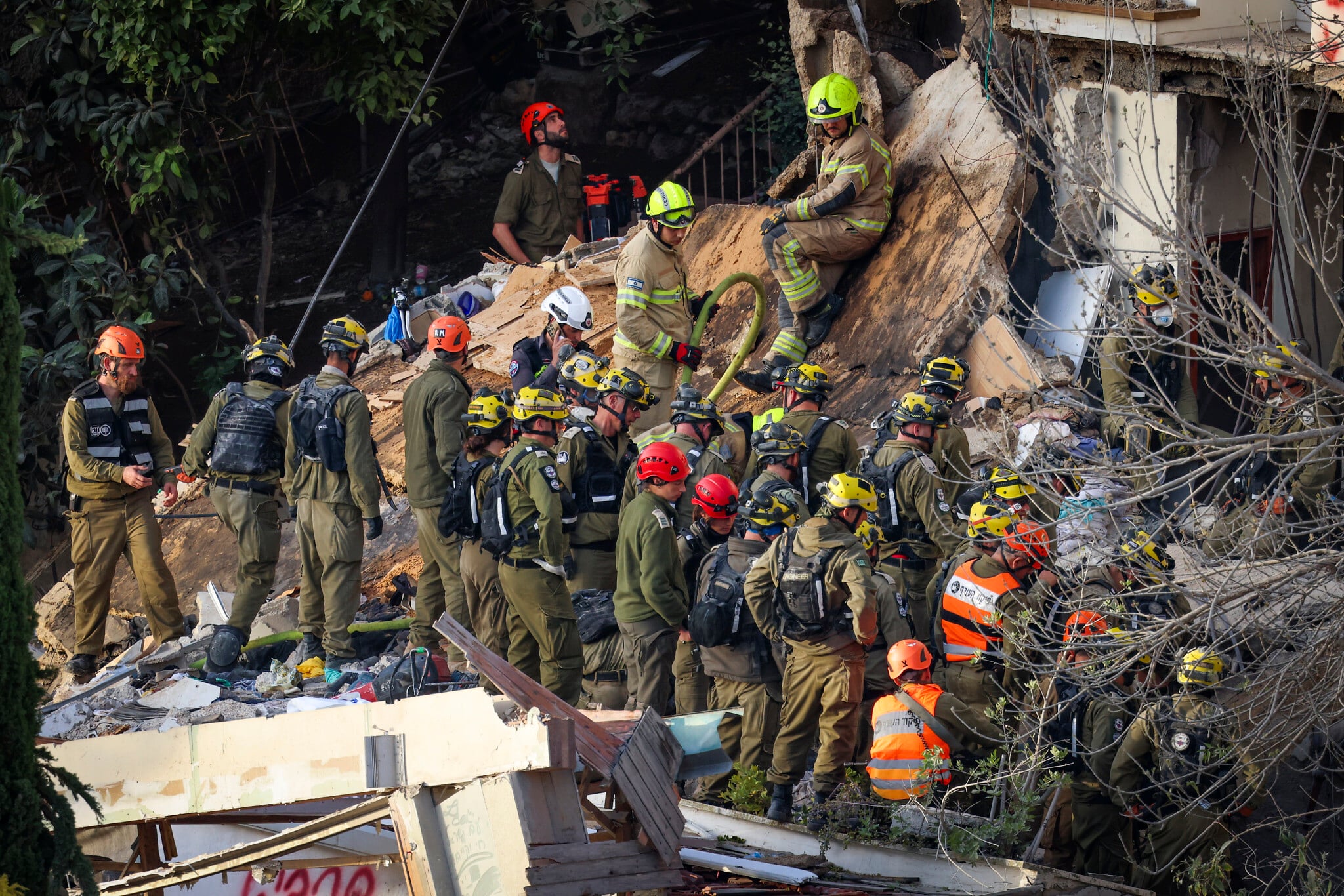
That strike was followed by another Iranian ballistic missile attack on Haifa this Sunday that killed four people who were buried under the rubble at the site, rescue services said Monday. A fresh barrage targeting the same area lightly wounded four people and caused additional damage.
US President Donald Trump announced on Tuesday that Washington had agreed to a two-week ceasefire, potentially ending the war against Iran launched by the US and Israel on February 28.
The students’ ability to move seamlessly from the lab to the nearest protected room and back again is characteristic of many foreign students at the Technion and other Israeli universities who have stayed put since the ongoing war with Iran and Hezbollah began on February 28. Before that, even after the bloody Hamas invasion of October 7, 2023, many foreign students remained in universities around the country, despite the dangers.
In reply to a query, a spokesperson at Ben-Gurion University in the Negev said that about 530 foreign students continue to study at the university, which has about 20,000 enrolled students. There are also over 250 foreign students at Tel Aviv University, with some 30,000 students overall.
At Bar-Ilan University in Ramat Gan, about 1,000 of the roughly 22,000 students are foreign, while a Technion spokesperson said that approximately 550 foreign students are among the 15,000 currently at the Institute. Some live on campus while others are in city apartments.
Life in a split screen
“Honestly, it’s been an amazing experience,” said Rajesh Pallava, 37, speaking to The Times of Israel with the two other post-doctoral students from India. He paused and then added, “Except for the war.”
“My wife gets the Home Front Command alert on her phone in India, and she always wants to make sure I’m okay,” said Donthoju.
Pallab Karjee, 32, said that when he returned to India for a visit last year, he received a Home Front Command alert on his phone.
“Everyone was standing around me, and I thought, ‘Why aren’t people going into a shelter?’ That’s when I remembered I was in India, not Israel,” he said.
The three students will spend about 18 months working in Brik’s lab, which focuses on creating custom-made molecules to control how certain enzymes work in the body. The research contributes to the development of treatments for various diseases.
“Israel is known for innovation, and it’s one of the world’s experts in this field,” said Pallab Karjee, 32.
All three plan to return to work in the pharmaceutical industry in India, where they will reunite with their wives and families.
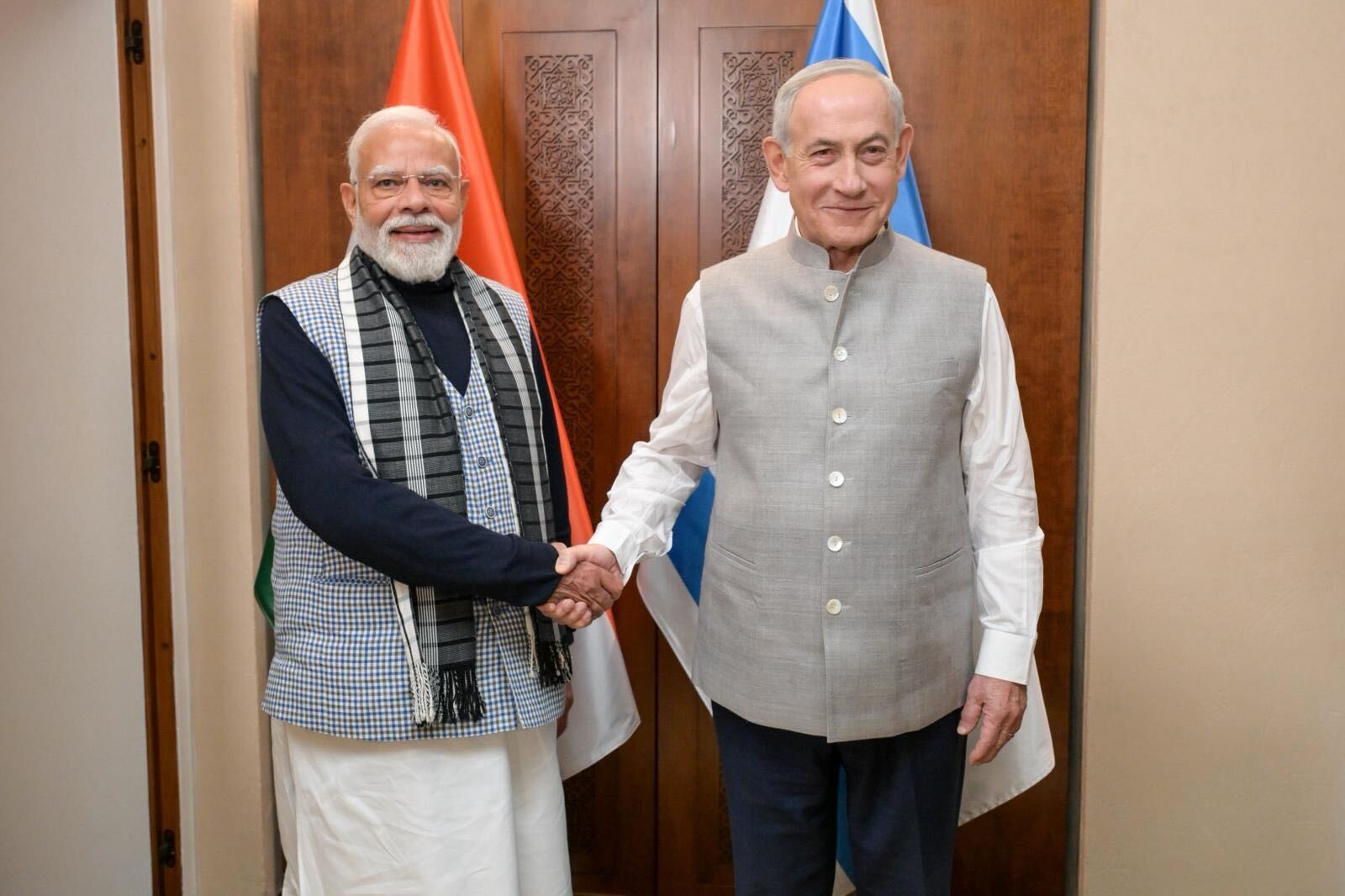
The three said they “never saw” any hatred toward Israel in India. Referring to Prime Minister Narendra Modi’s recent February visit to Israel, they added that they hope the Technion will invite him when he returns.
Pallova and Donthoju are both from southern India, with parents who farm rice and mangoes.
They speak to each other in Badaga, but use English with Karjee, who is from India’s East Bengal region, as they don’t understand Telugu.
Karjee said that when he walks around, people in Israel often say to him, “Namaste, India!”
Lab manager Guy Kamnesky said that in addition to the three Indian students, there are six doctoral students at the lab. All told, he said the students speak Hebrew, Arabic, English, Russian, and the two Indian languages.
“We have all genders, ethnicities, and nationalities,” Kamnesky said.
“Our chemistry is good,” said Karjee, joking.
Israel is ‘my second home’
Dr. Mulate Zerihun Workeneh, a doctoral student at Bar-Ilan University’s Azrieli Faculty of Medicine who comes from Addis Ababa, told The Times of Israel that after four years at the university, “This is like my second country, my second home.”
Workeneh is familiar with conflict — he has family in northern Ethiopia where civil war is raging — but had never experienced it firsthand before coming to Israel.
There are nine other Ethiopian students in the faculty, Workeneh says, who all enjoy meeting Ethiopian Jews in Israel “because they can speak our language.”
Workeneh says he has just completed his PhD in medical science at Prof. Nir Qvit’s lab, which designs peptide-based molecules to develop new treatments for cardiovascular diseases.
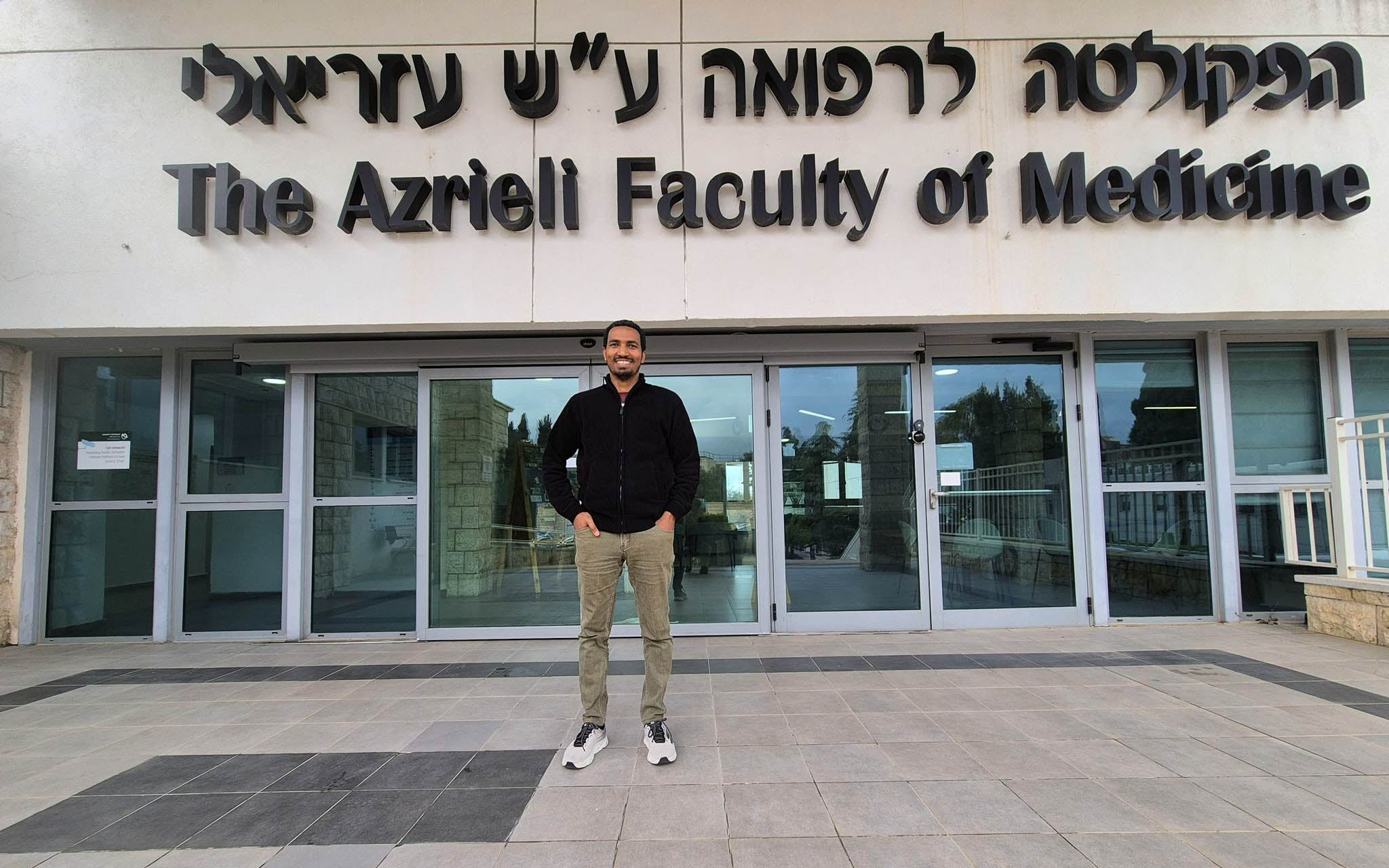
His focus is on drug discovery and investigating how cardiovascular diseases interact with sepsis, an extreme form of infection.
“Despite the war, we’ve never stopped going to the lab,” Workeneh said. “To be honest, this is just the third round of the war for me. I’ve been here since before October 2023.”
“I really appreciate how Israelis manage this bad situation,” he said.
His wife is in Ethiopia with their children, aged six and four.
“She makes me call her in the morning, afternoon, and night to make sure I’m okay,” he said.









The Times of Israel Community.