

Unsatisfied with protests, anti-Zionist Jewish Voice for Peace aims to sway US elections
With support at a high after Oct. 7 Hamas atrocities, group asks members to donate to a new entity not bound by current restrictions on partisan activity
 Add ToI as a Preferred Source on Google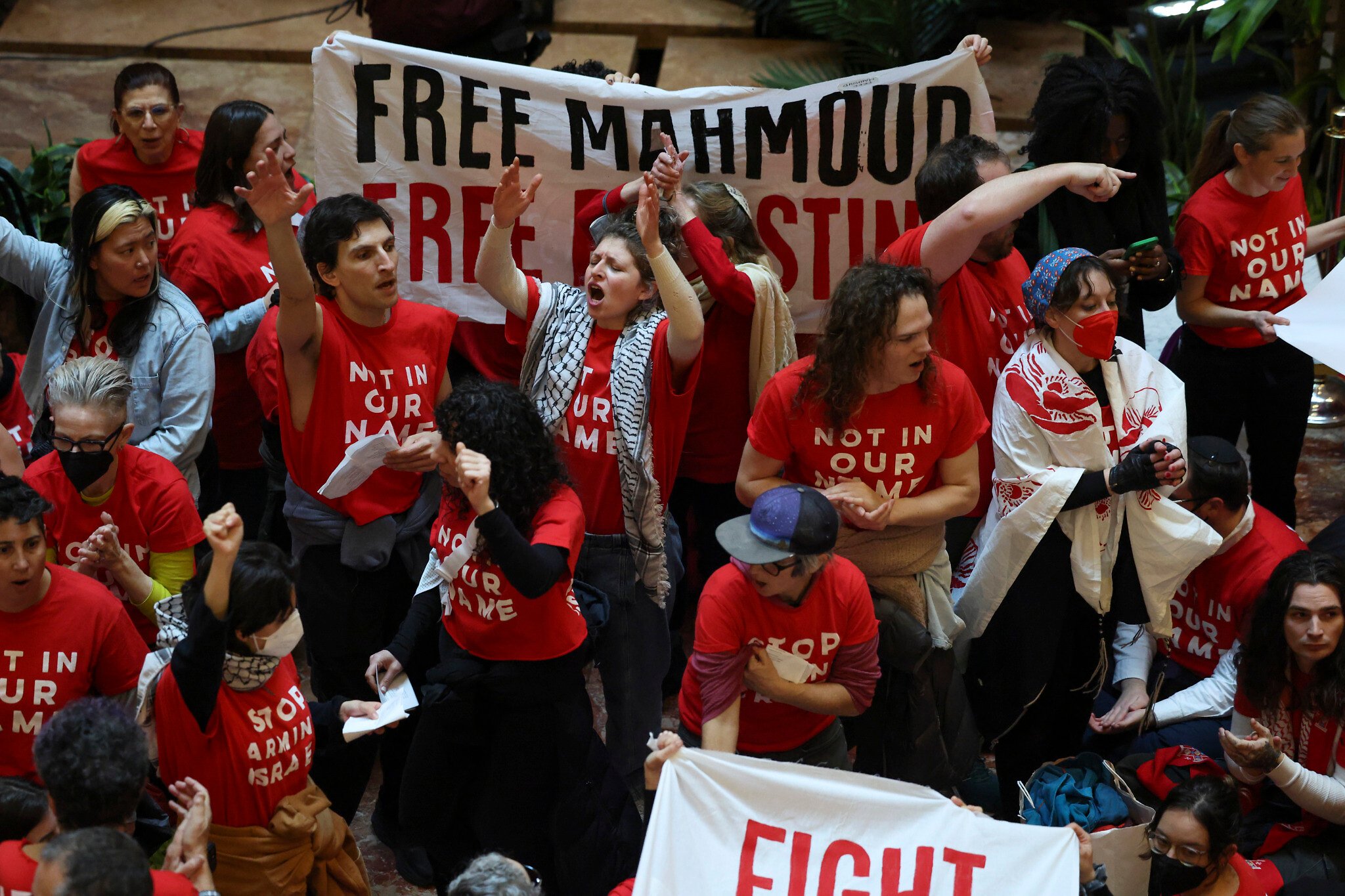
JTA — Half a year into the Israel-Hamas war that began with the bloody Hamas-led invasion of Israel in October 2023, the executive director of Jewish Voice for Peace (JVP) might have been riding high.
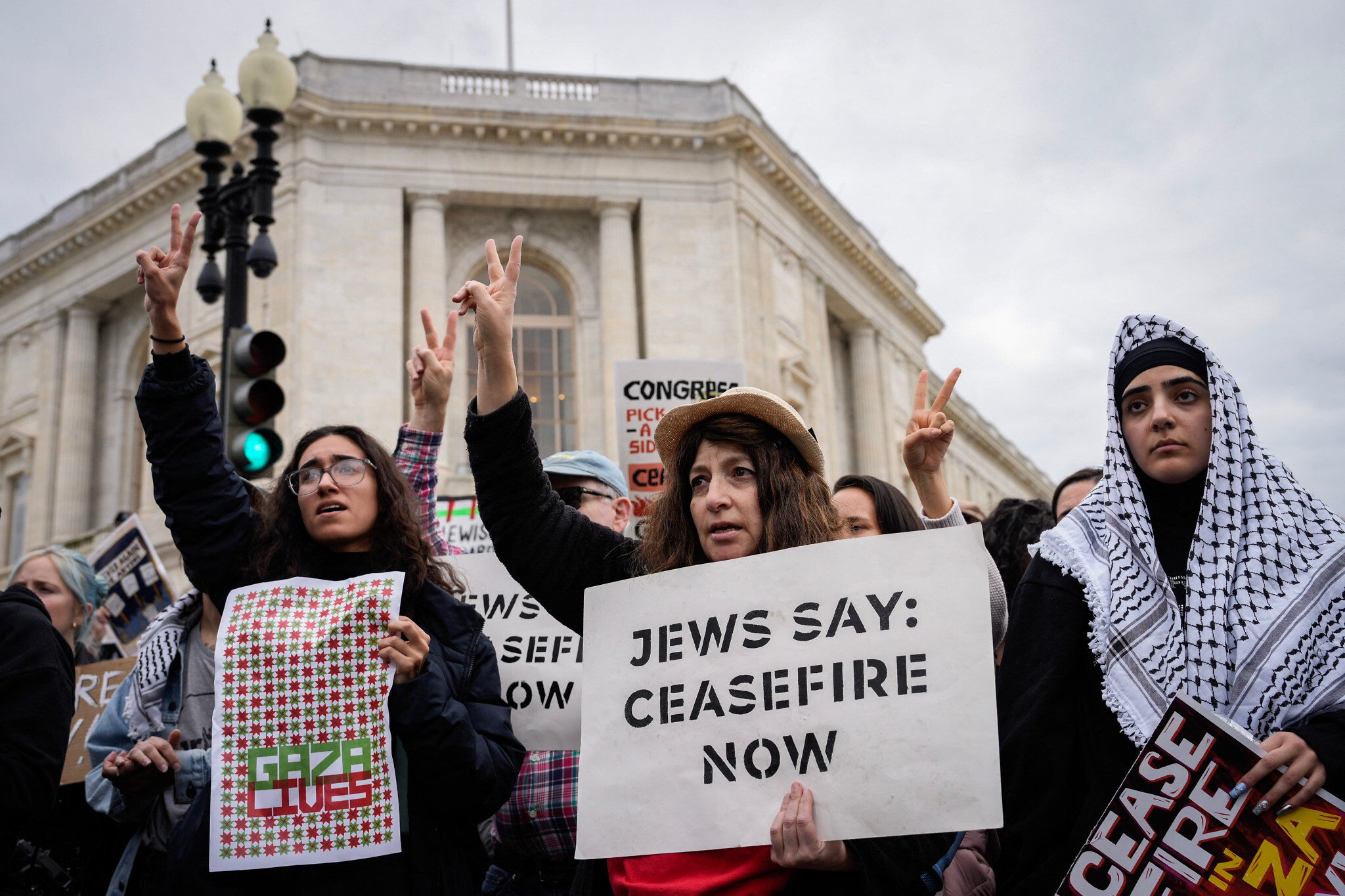
Attention and support for JVP, now three decades old, were way up. New chapters were forming and the anti-Zionist group’s social media following had tripled, ringing in at 1.3 million on Instagram alone. Suddenly, there were 32,000 dues-paying members — many of whom were glad to attend events and protests to broadcast their opposition to Zionism and support for the Palestinian cause. People were writing articles about getting involved in pro-Palestinian activism after encountering JVP protests on the street.
Yet Stefanie Fox, JVP’s top official since 2020, wasn’t satisfied. “We’ve had an unprecedented show of our values, our principles,” she told the Jewish Telegraphic Agency at the time. “And it still hasn’t translated to the very baseline of a ceasefire and a negotiated exchange of hostages and prisoners.”
That’s still true more than a year later. Despite another temporary ceasefire that broke down in March of this year with Israeli airstrikes on Hamas targets in Gaza, the war is ongoing. And JVP is changing its structure and strategy.
Under a new arrangement, the Berkeley, California-based organization will now be able to dedicate more of its resources to lobbying for specific policies and supporting or opposing candidates for elected US office. The change signals a belief that influencing dynamics in the Middle East will require more than protests and grassroots organizing.
“There is unprecedented, mass support for Palestinians. Our movement has already grown larger, and more quickly, than many of us thought possible. But it’s clear we have not begun to tap our full potential,” JVP wrote in an explanation of the shift, which was first reported on by Jewish Insider. “The US government has not budged from its commitment to sponsor Israel’s genocide. Public polling and public displays of opposition alone will not shift US policy. Our movement must contend for real power.”
JVP is urging its members — donors who give at least $18 a year — to shift their membership from the group’s original nonprofit to a newer entity that isn’t bound by the same legal restrictions on partisan activity. The tradeoff: Donations to the new organization are not tax-deductible.

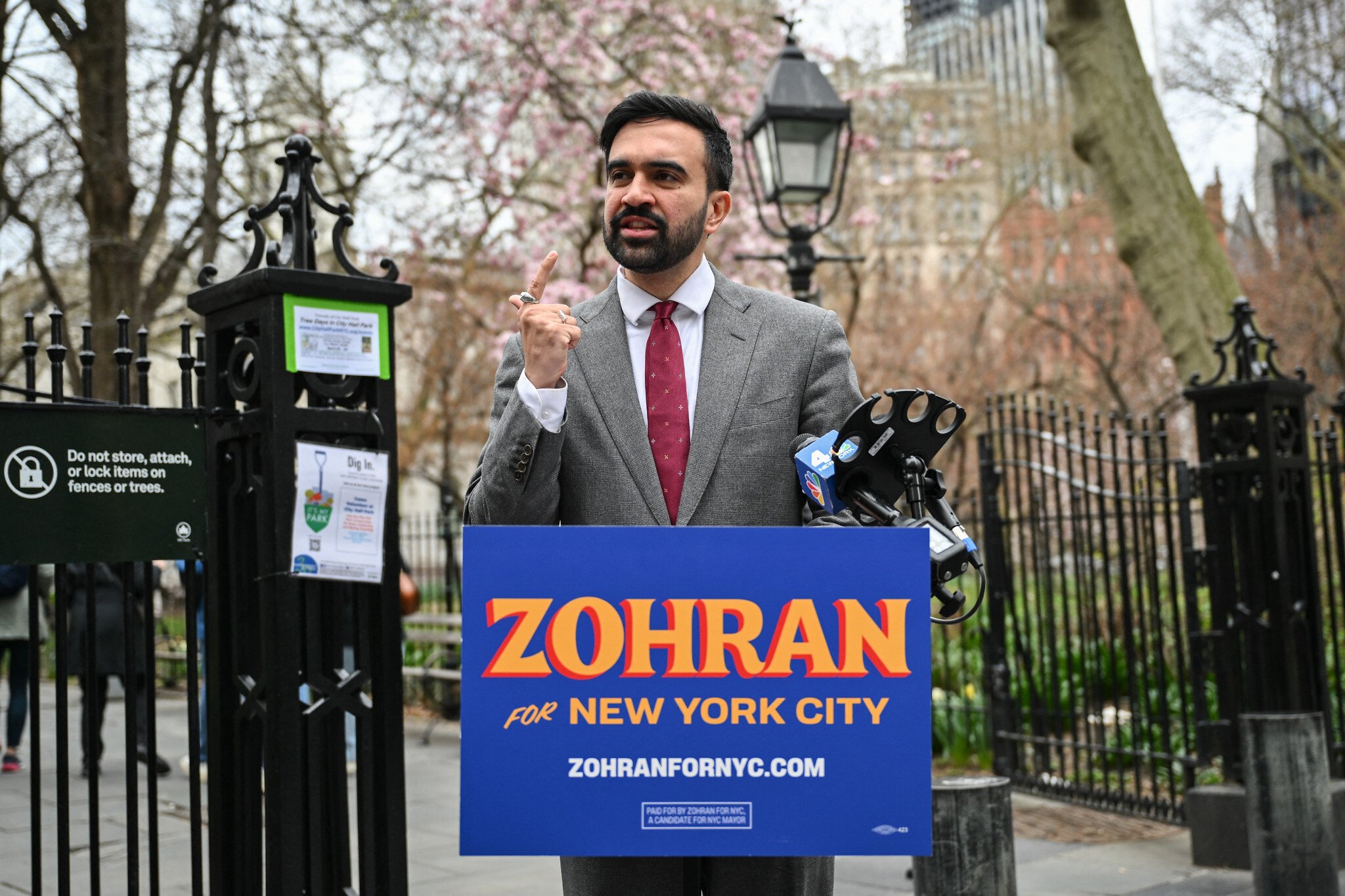
The strategy shift, which has been in the works for some time, comes amid increasing signs that opposition to Israel is no longer a deal-breaker in the Democratic political sphere in the United States. In New York City, Democratic mayoral candidate Zohran Mamdani, a longtime proponent of the movement to boycott Israel, won the primary last month despite declining to denounce the phrase “globalize the intifada,” which is associated with the pro-Palestinian demonstrations that Jewish Voice for Peace has organized and participated in, and is considered by many to be a call to violence against Jewish and Israeli targets around the world.
An added benefit of the strategy shift for JVP is that it does not depend on legions of foot soldiers.
Atalia Omer, an Israeli-American scholar at the University of Notre Dame who studies Jewish anti-Zionist organizing and participates in it herself, told JTA last year that she was observing a mounting crisis within the movement a year after the Hamas-led October 7, 2023, atrocities that saw some 1,200 Israelis brutally slaughtered and 251 abducted to the Gaza Strip.
“People are right now in despair. There is a sense of: How much more mobilization can we do?” she said, adding, “The situation remains urgent, but it’s very hard to sustain emergency mobilization for a full year.”
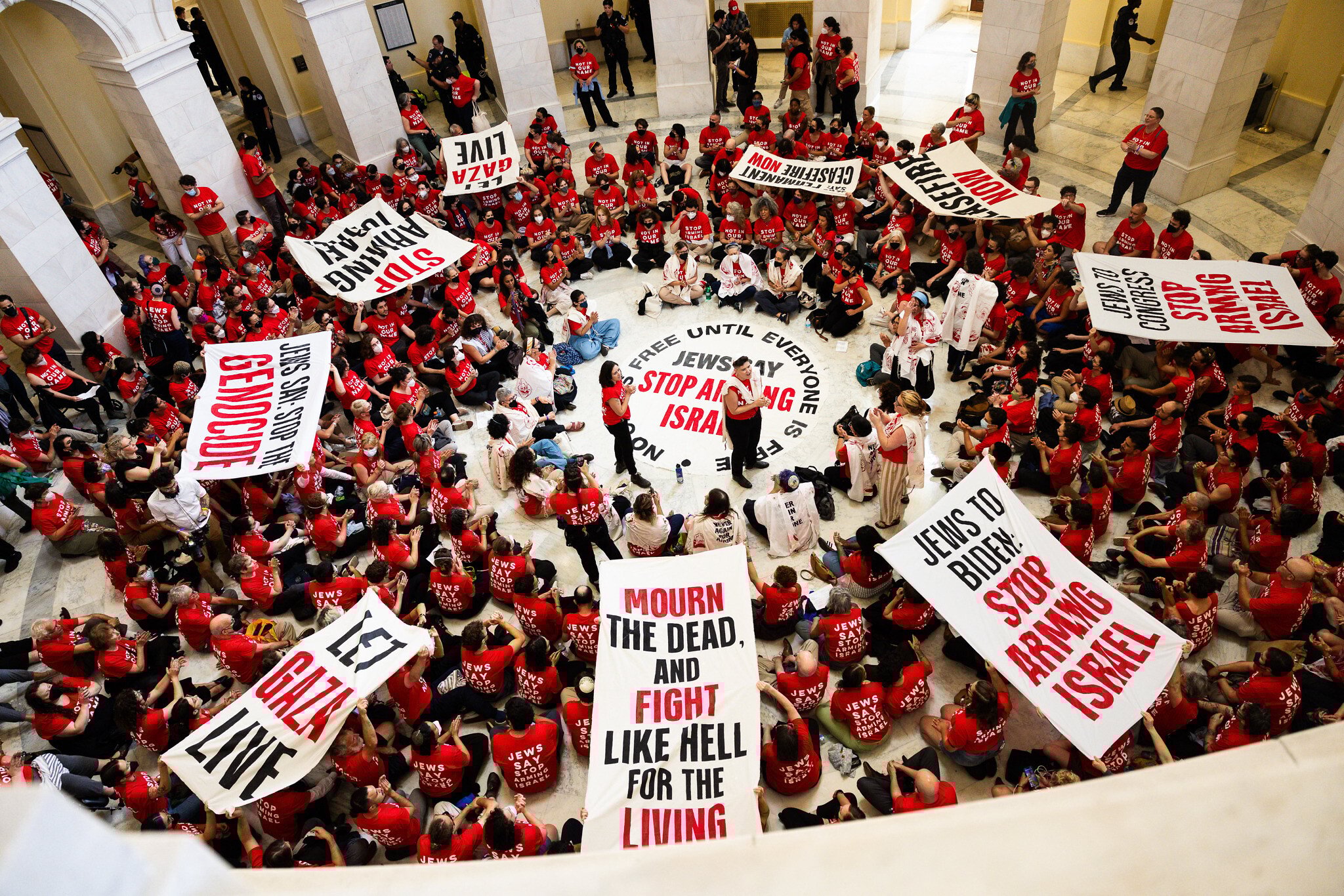
Now, JVP will focus its efforts on electoral campaigning, an arena where money is at least as important as bodies. The period following October 7 brought an unprecedented fundraising bonanza for JVP. The group had been raising between $3 million and $4 million annually before Hamas attacked Israel. Its most recent tax filing, covering June 2023 to July 2024, discloses about $11 million in contributions.
The strategy shift is unlikely to dampen the considerable antipathy that JVP elicits from most mainstream Jewish leaders and organizations, which are reeling from Mamdani’s electoral success in New York City.
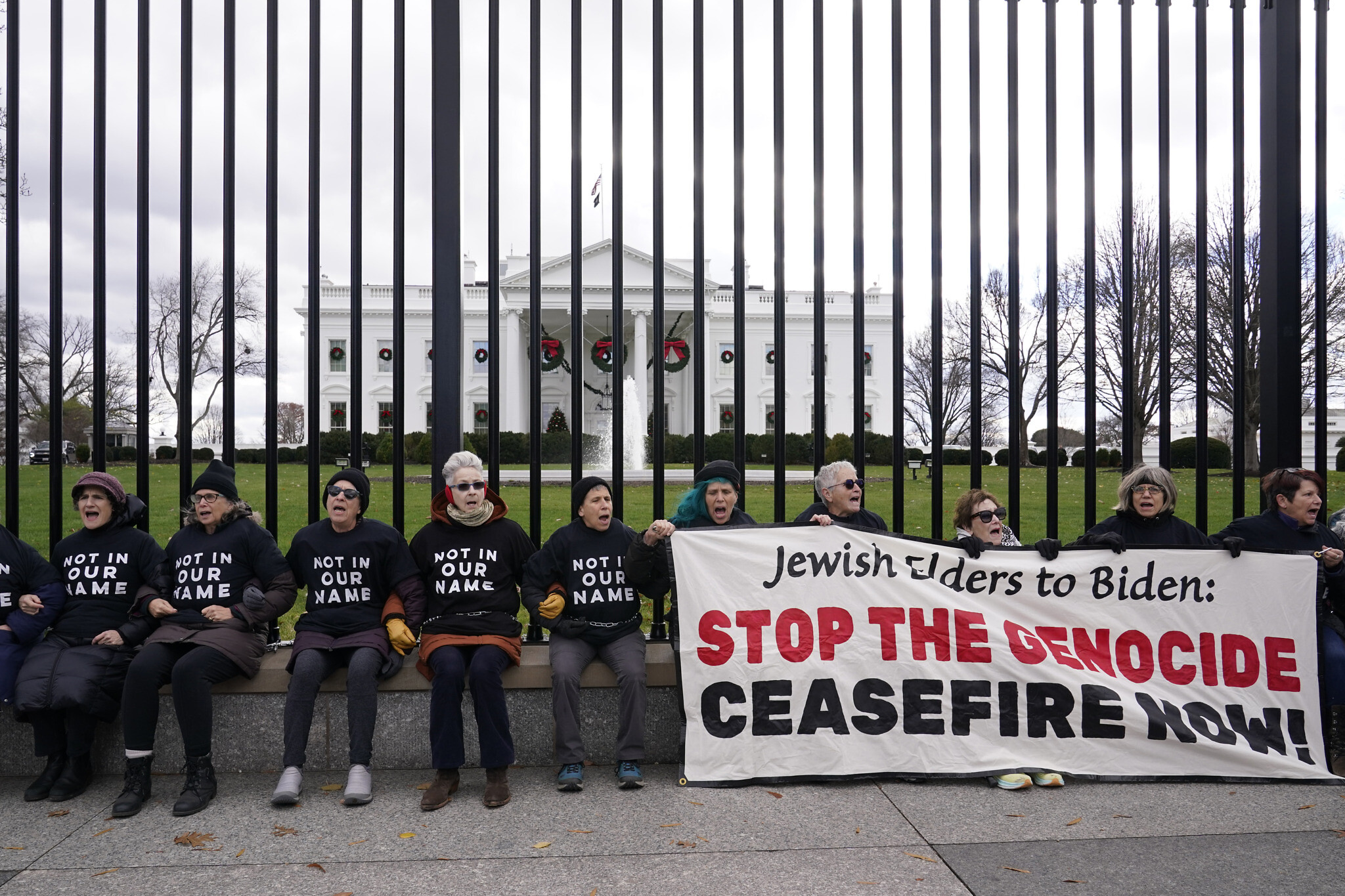
The group’s many critics say JVP enables a fringe of American Jews to act as tokens in a pro-Palestinian movement that ultimately seeks to harm the Jewish people by destroying the country created as a refuge for Jews facing persecution. (The group has up to now taken no official stance on what should happen in the region, saying that Palestinians should set the agenda.)
The Anti-Defamation League, which argues that anti-Zionism is a threat equal to antisemitism, for example, calls JVP “radical,” says its ideas “can help give rise to antisemitism,” and declares that it “does not represent the mainstream Jewish community.”
Concern that JVP claims to speak for American Jews has spurred the formation of a new group called the Jewish Majority, led by AIPAC veteran Jonathan Schulman. The group’s website says it is dedicated to “fighting extremists.”
“Fringe groups weaponize the Jewish identity of some of their members to call for policy recommendations that are rejected by the overwhelming majority of the Jewish community,” the group’s page says.
The Jewish Majority releases polling to make its case, including a recent survey billed as evidence that most American Jews reject JVP and its tactics.
Some of JVP’s critics have questioned the degree to which it is driven by Jews. Unlike some other Jewish groups that are sharply critical of Israel, non-Jews are invited to join as members, and some chapters have non-Jewish leaders.
A string of gaffes and surprising choices — including backwards Hebrew lettering at a California seder and a rejection of Hebrew as “traumatizing” in a 2021 guide — have fueled such critiques. But JVP’s leaders and adherents reject the criticism.

“I think a lot of people would just like to disappear the fact that there are so many Jews that we represent,” said Fox, who said she could not say what proportion of the group’s members are Jewish because it does not ask. “It would be very convenient if they could just say that we’re not Jews. But there’s an uncomfortable reality that we are.”
This war is not the first time that the group has experienced outsized growth — and been frustrated by its impact. During Israel’s war with Hamas a decade ago, which lasted 50 days and resulted in the deaths of more than 2,000 Gazans, as well as about 70 Israelis, new members flocked to JVP, the group’s then-executive director Rebecca Vilkomerson noted at a September event launching a book she wrote about her activism.
That experience positioned JVP to act quickly when it became clear on October 7 that another such moment had begun. There was already a playbook for action, a loyal membership, and an understanding that aggressive action would yield new adherents.
“If you dial back to October and see JVP’s response, they were ready,” Rabbi Andrue Kahn, who now leads an organization aimed at advancing opposition to Zionism within the Reform movement of Judaism, said last year. “It was masterful, the way that they immediately drove forward. … It was big and fast.”
Yet Vilkomerson, who is no longer involved in the organization’s leadership, was already saying at her book event that the explosive growth was not sufficient to challenge the entrenched ideas and structures of power that JVP seeks to undo. (In a sign of one peril facing the movement, her book, “Solidarity is the Political Version of Love,” drew criticism online from some pro-Palestinian voices because its author is a white woman with personal ties to Israelis.)
“The growth of the movement,” Vilkomerson said, “which is in some ways beautiful, is also not enough.”










The Times of Israel Community.