

US approves $230 million for Lebanese forces amid push to disarm Hezbollah
Funds aimed at ramping up pressure on Iran-backed terror group to lay down its weapons, as Israeli drones target its fighters in southern Lebanon, killing three operatives
 Add ToI as a Preferred Source on Google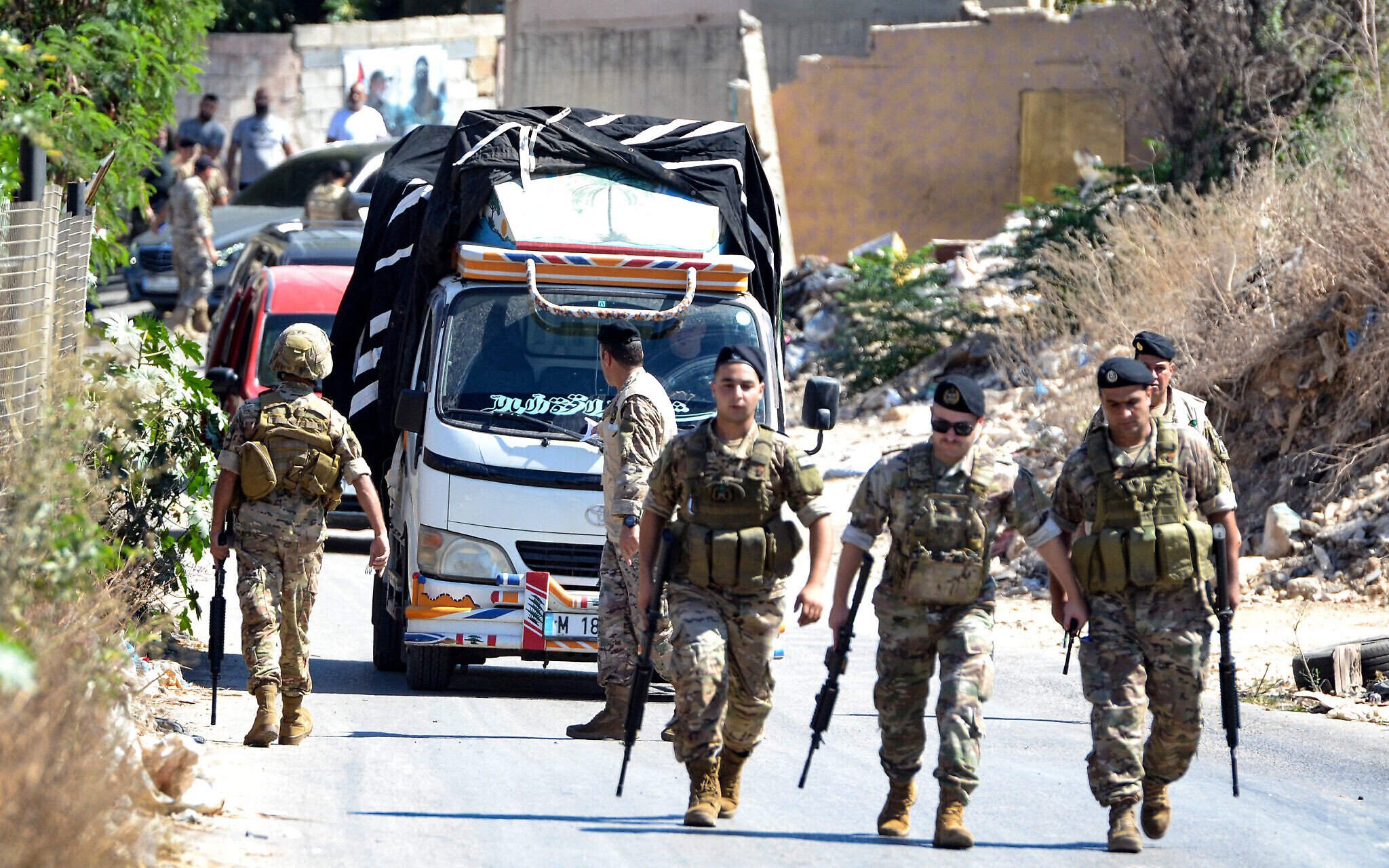
US President Donald Trump’s administration approved $230 million for Lebanon’s security forces this week as they push to disarm Hezbollah, sources in Washington and Beirut said Thursday.
The funds will likely bolster Lebanese forces in their campaign to defang the once powerful Iran-backed terror group, which sustained heavy losses during its war with Israel that ended last November.
Democratic US congressional aides said the funds for Lebanese forces had been released just before Washington’s fiscal year ended on September 30.
“For a small country like Lebanon, that’s really, really significant,” one of the aides said on a call with reporters, requesting anonymity in order to speak freely.
A Lebanese source familiar with the decision said the funding included $190 million for the Lebanese Armed Forces and $40 million for the Internal Security Forces. The budget would allow the Internal Security Forces to take over internal security so the LAF can focus on other critical missions, he added.
The US State Department did not respond to a request for comment. The funding was released at a time when the Republican president’s administration has been slashing many foreign assistance programs, saying that its priority in spending taxpayer dollars is “America First.”
The release of the funds appeared to reflect the priority Trump has put on trying to resolve the conflict in Gaza and the wider region.
War with Israel badly battered Hezbollah last year — upending a power balance that had long been dominated by the Shi’ite Muslim group — and left swathes of Lebanon in ruins.
Since a US-brokered truce took effect last November, the Lebanese army has regularly collected caches of weapons and ammunition from the area south of the Litani River, from which Hezbollah has largely withdrawn, but the group’s heavier missiles and drones have remained hidden.
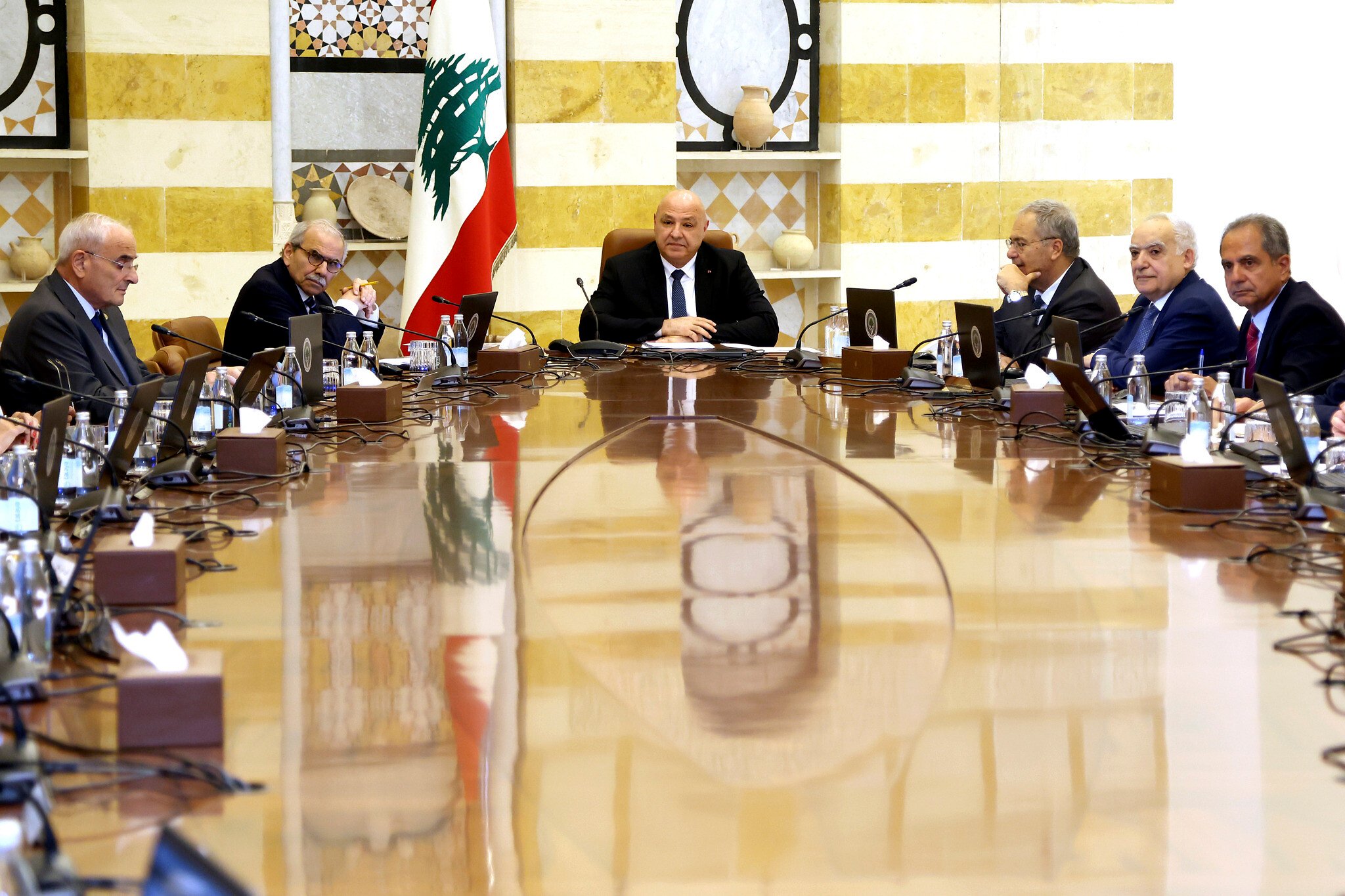
Lebanese President Joseph Aoun and Prime Minister Nawaf Salam asked the US-backed army on August 5 to devise a plan to ensure that all arms across the country would be in the hands of security forces by the end of the year.
Israel continues targeting Hezbollah operatives in southern Lebanon
As the US approved funds for Lebanese government forces, Israel’s military announced that it had killed three Hezbollah operatives over the past day in drone strikes over southern Lebanon.
A strike in Kafra on Wednesday afternoon killed Ali Mohammed Qarouni, who served as Hezbollah’s local representative in the town.
Qarouni “acted to seize private property for the organization’s military needs, such as renting homes for storing weapons and conducting surveillance,” the army said.
A separate strike Thursday in Kfar Reman killed two more Hezbollah operatives, who the IDF said were engineering operatives involved in restoring the terror group’s infrastructure in the Mount Dov and Khiam areas.
במהלך יום כיפור: צה״ל חיסל שלושה מחבלים מארגון הטרור חיזבאללה בדרום לבנון
אתמול, צה״ל תקף וחיסל בהובלת אוגדה 91 ובאמצעות כלי טיס של חיל האוויר, את המחבל עלי מחמד קרעוני מארגון הטרור חיזבאללה, במרחב כפרא שבדרום לבנון.
המחבל שימש כנציג המקומי של ארגון הטרור חיזבאללה בכפר כפרא… pic.twitter.com/9AsK2SVUe0
— צבא ההגנה לישראל (@idfonline) October 2, 2025
Under the ceasefire provisions, Hezbollah and Israel were both required to withdraw from south Lebanon, though Israel has kept forces in several areas it deems strategic. It continues to conduct strikes across Lebanon in response to what it says are ceasefire violations.
Israel has said its strikes aim to prevent Hezbollah from rearming and to protect residents of its northern border area, and will withdraw from sites in Lebanon that its troops still occupy if Hezbollah lays down its weapons.
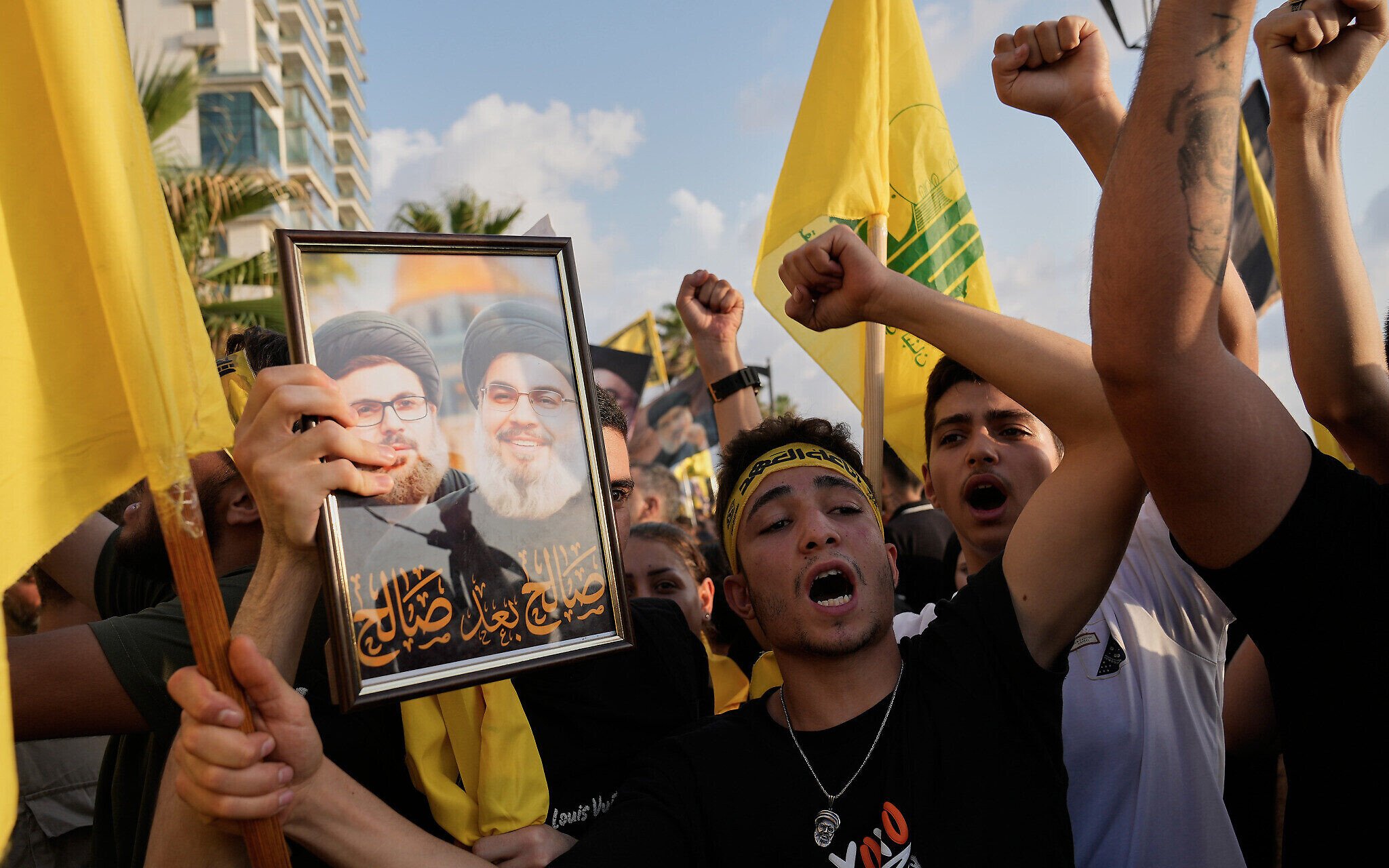
Hezbollah has rejected calls to disarm since the devastating war with Israel. But the Iran-backed group is under pressure to give up its weapons from its rivals in Lebanon and from Washington.
The conflict between Israel and Hezbollah erupted when the Iranian-backed terror group began launching rockets at northern Israel in support of Hamas after it led the October 7 massacre in southern Israel that killed some 1,200 people and saw 251 taken hostage to Gaza.
It eventually escalated into open war between Israel and Hezbollah by September 2024, which lasted until November that year.






The Times of Israel Community.