

US had secret backchannel with IRGC, learned it supports Iran’s negotiators – report
Axios says then-intel chief Tulsi Gabbard contacted top Iraqi Kurdish official in May to ascertain Revolutionary Guard’s position on talks; Iran sets $30,000 bounty for US soldiers
 Add ToI as a Preferred Source on Google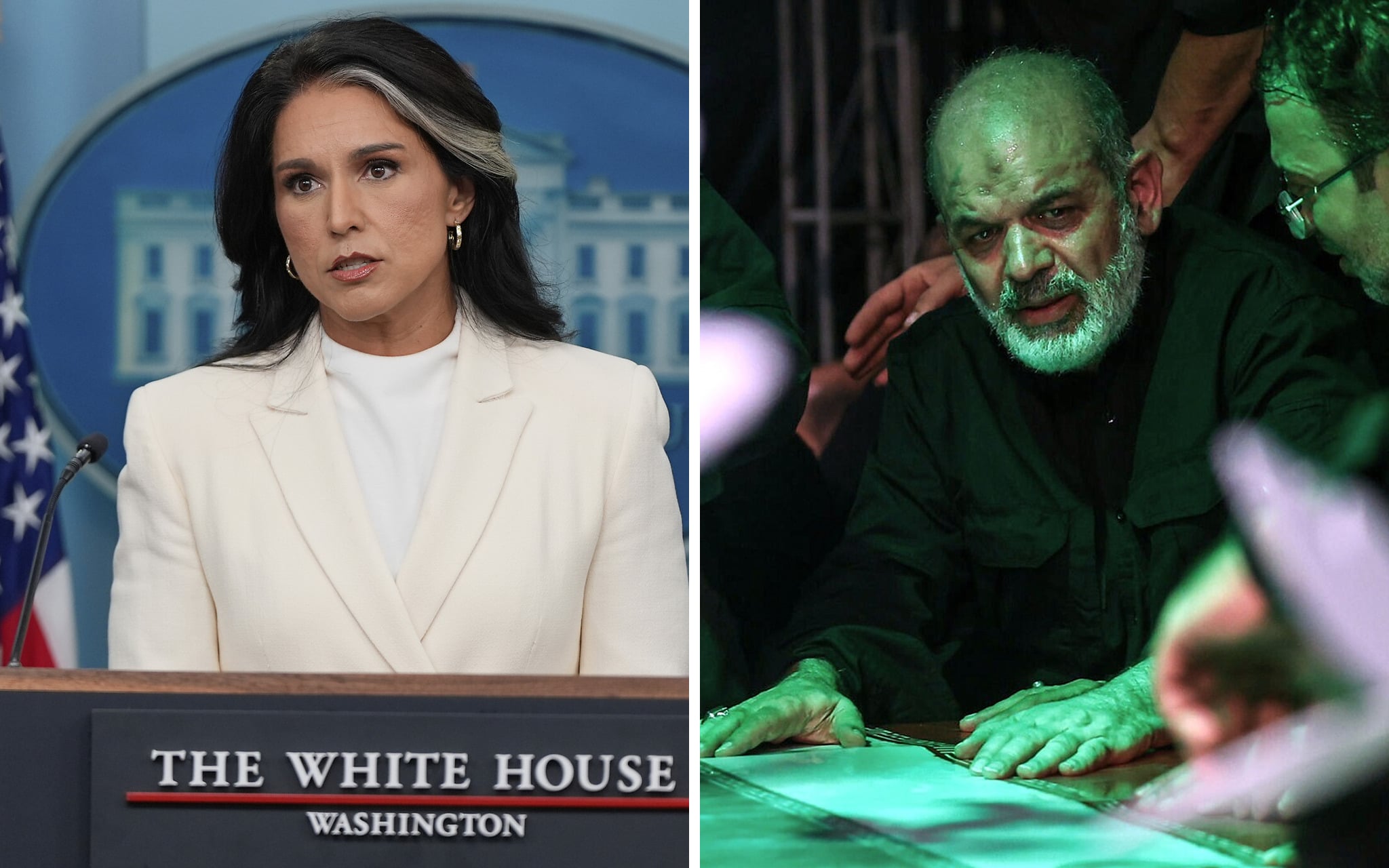
The White House established a secret backchannel with Iran’s Islamic Revolutionary Guard Corps, according to a Sunday report, which said that the United States has been informed that the IRGC stands behind the positions of the Iranian negotiators in their talks with Washington.
According to Axios, citing three unnamed sources, US officials feared that talks with Foreign Minister Abbas Araghchi and Parliament Speaker Mohammad Bagher Ghalibaf were liable to be undermined by the IRGC, which is thought to be the most powerful group behind Iran’s leadership.
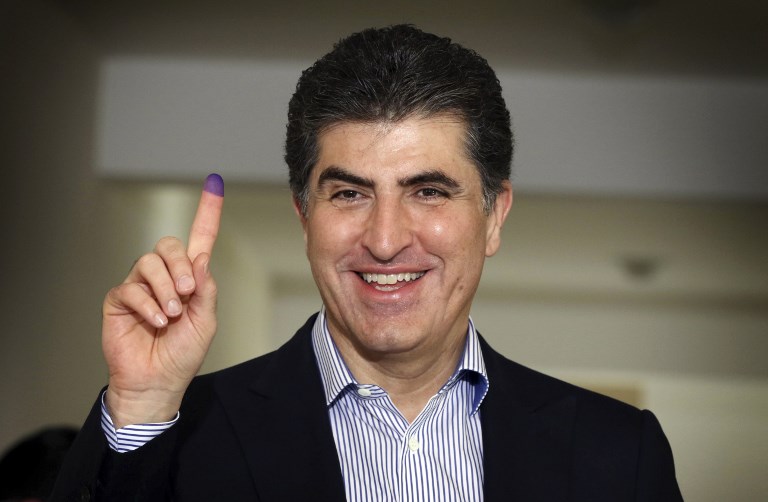
In May, three months into the war launched by the US and Israeli strikes, then-director of National Intelligence Tulsi Gabbard reached out to Nechirvan Barzani, the president of the Kurdistan region in Iraq, who has close ties to the IRGC, to attempt to find out the position of its leader, Gen. Ahmad Vahidi.
A few days later, Barzani arranged a phone call with Vahidi, during which the general assured him that the IRGC backed Araghchi and Ghalibaf, the report said.
“I fully support them and this is also the position of the IRGC. We prefer to solve this crisis through negotiations,” Axios quoted him as saying. His message was quickly passed to the White House via Gabbard.
The Trump administration sought to expand Barzani’s role by having him host direct talks between the US and Iran in Erbil, Iraq, but the Iranians declined due to fears that representatives would be targeted by Israel, which was thought to have a strong intelligence presence in Kurdistan, the report added.
That meeting never took place, but Iranian and US officials attended a summit the next month, where they signed a framework for peace talks, which have since collapsed.
Gabbard has also since left her position.
Iran and the United States have since traded fire sporadically, with fighting mainly centered in southern Iran and around the strategic Strait of Hormuz, and US President Donald Trump has said that he would “low key” the negotiations and focus on ramping up economic pressure on Tehran to force it to abandon its recently emboldened demands.
Iran said last week that no talks are currently being held with the US, nor are there any plans for such talks to restart, though Tehran is still in contact with mediators Qatar and Pakistan.
As negotiations have all but completely stopped, Axios reported that Barzani recently told the White House that he could try to restart direct talks with Iran, citing a source familiar with the matter.
Top US general visits Middle East
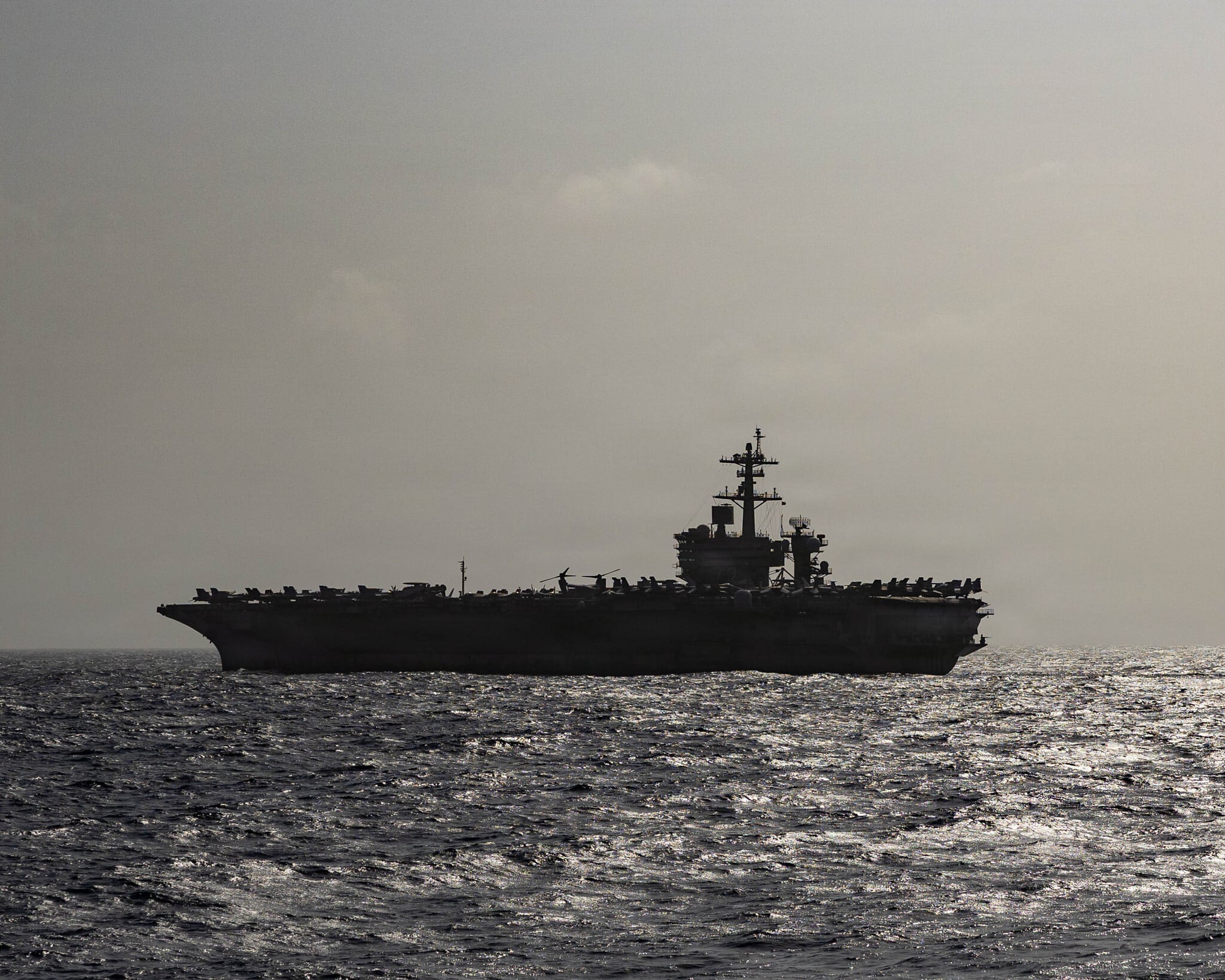
Meanwhile, Adm. Brad Cooper, the top US military commander in the Middle East, visited the USS Lincoln aircraft carrier in the Arabian Sea during a 10-day tour in the region that concluded on Saturday, US Central Command (CENTCOM) said Sunday.
The visit came as reports have emerged of mental health and supply issues aboard the long-deployed aircraft carrier.
The Lincoln arrived in the Middle East in January and has been supporting the US war against Iran, including the blockade on Iranian ports. Its deployment has included a record-setting uninterrupted time at sea of more than 240 days. Extended deployments of carriers — which can have more than 5,000 sailors and Marines on board — have raised concerns about the impact not only on the ships but on service members.
“History will record this deployment as one of the most operationally intense and consequential of the modern era,” Cooper said of the Lincoln strike group in a statement released Saturday.
Cooper also went to Bahrain, Iraq, Israel, Jordan, Saudi Arabia, and the United Arab Emirates to meet with civilian and military leaders, according to the Central Command statement.
$30,000 bounty on US soldiers
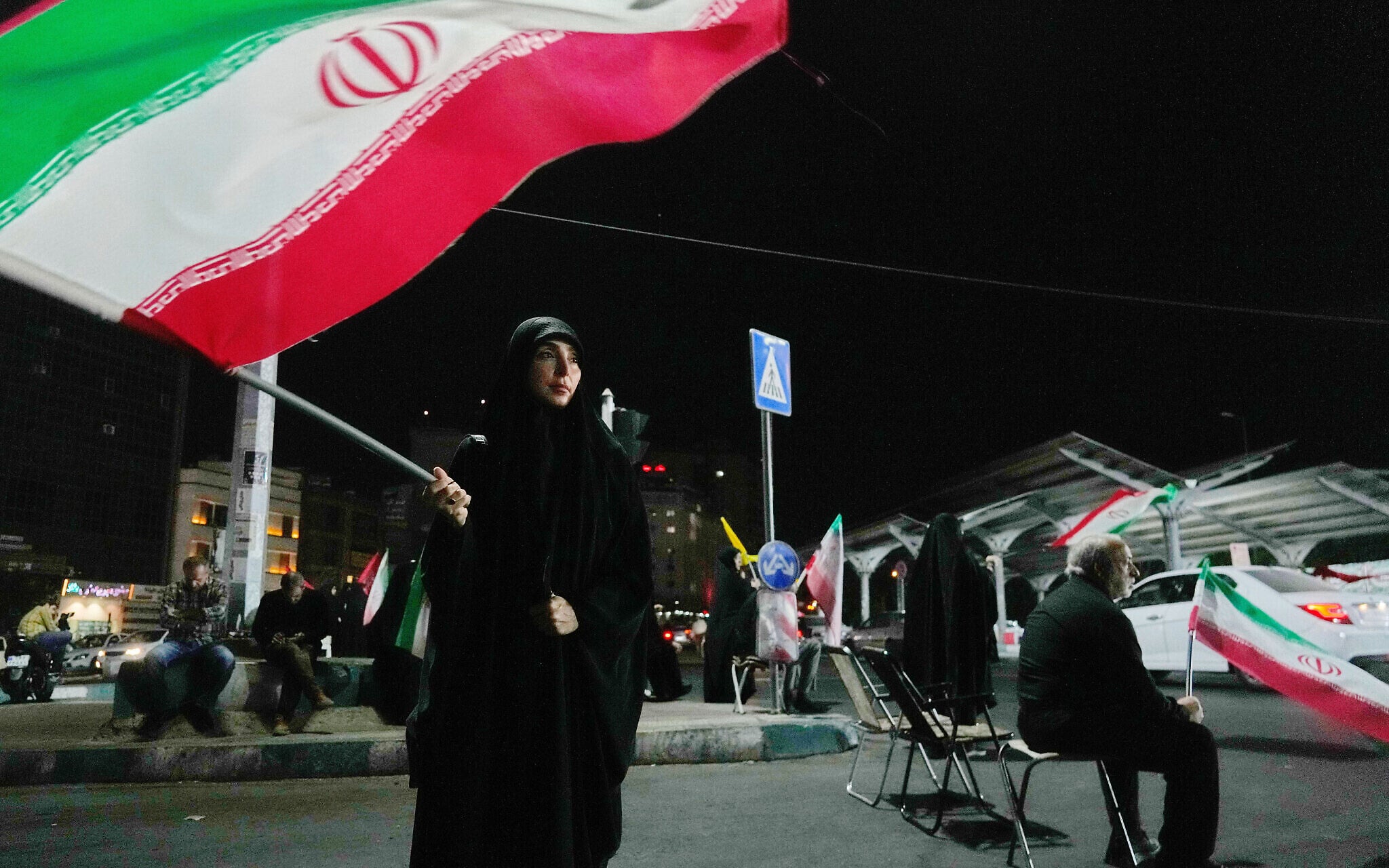
As the top US regional commander visited the Middle East, Iran’s military announced on Sunday that it was offering a bounty equivalent to $30,000 for killing or capturing US soldiers, with the reward doubled if carried out by a woman.
Army chief Amir Hatami said the plan had been drawn up following “the large number of requests” to participate in the financial support, according to the IRNA state news agency.
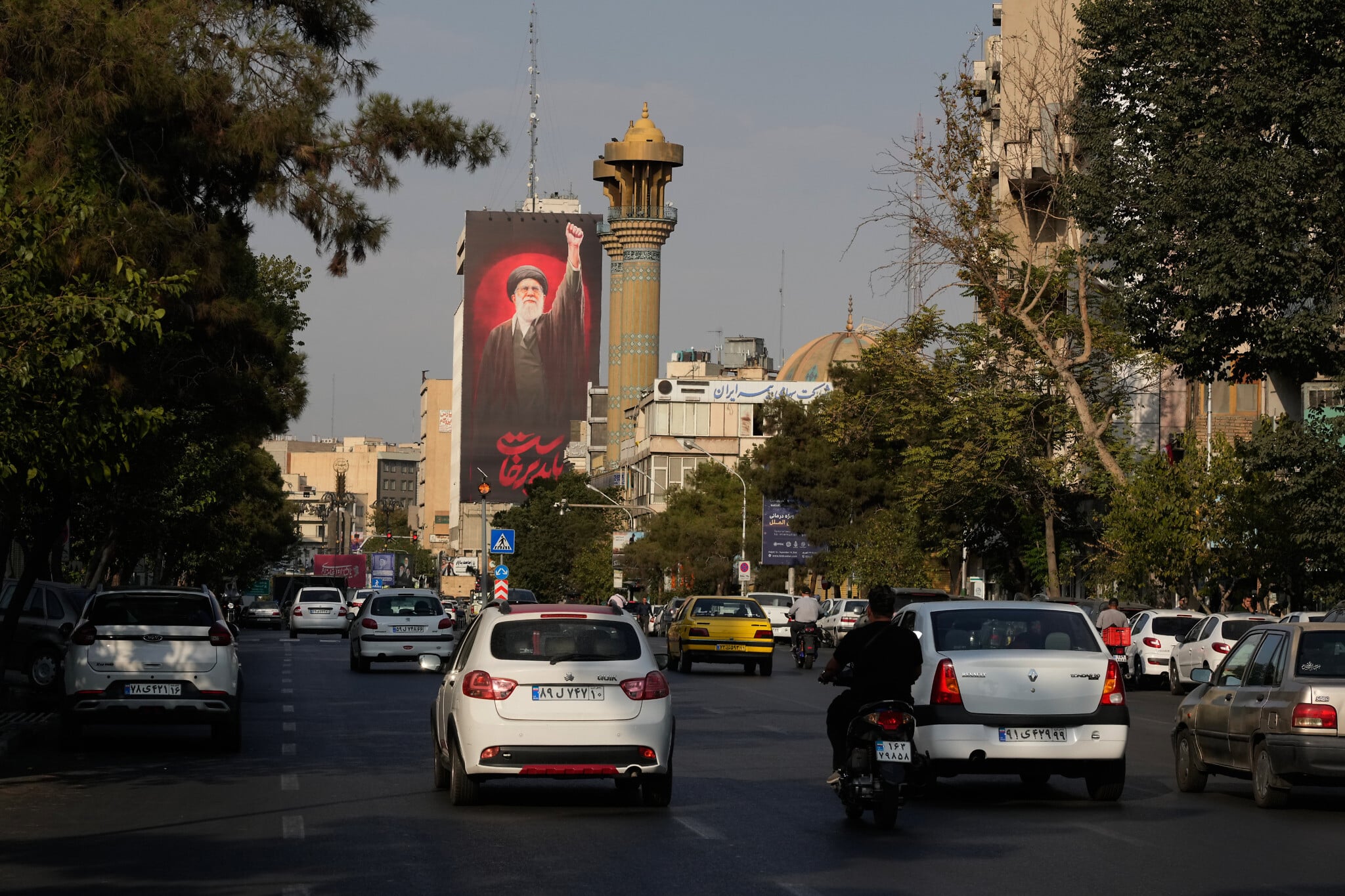
There has been no known deployment of US ground forces in Iran during the Middle East war, with the exception of a rescue mission in April for a downed American pilot.
Hatami did not provide any details on where or when the killing or capturing of US soldiers was expected to take place.
“Anyone who kills or captures and hands over an invading American military personnel will receive a reward equivalent to $30,000 or 5 billion tomans from the Islamic Republic of Iran’s Army,” Hatami said, using an informal unit equivalent to 10,000 Iranian rials.
“Courageous Iranian women who carry out such an action will receive double the reward,” he added.








The Times of Israel Community.