

US mediating prisoner exchange talks between Damascus and Druze — source
Talks aim to free over 60 civilians from Druze-majority Sweida, where sectarian clashes broke out last year, prompting Israeli intervention, in exchange for 30 government personnel
 Add ToI as a Preferred Source on Google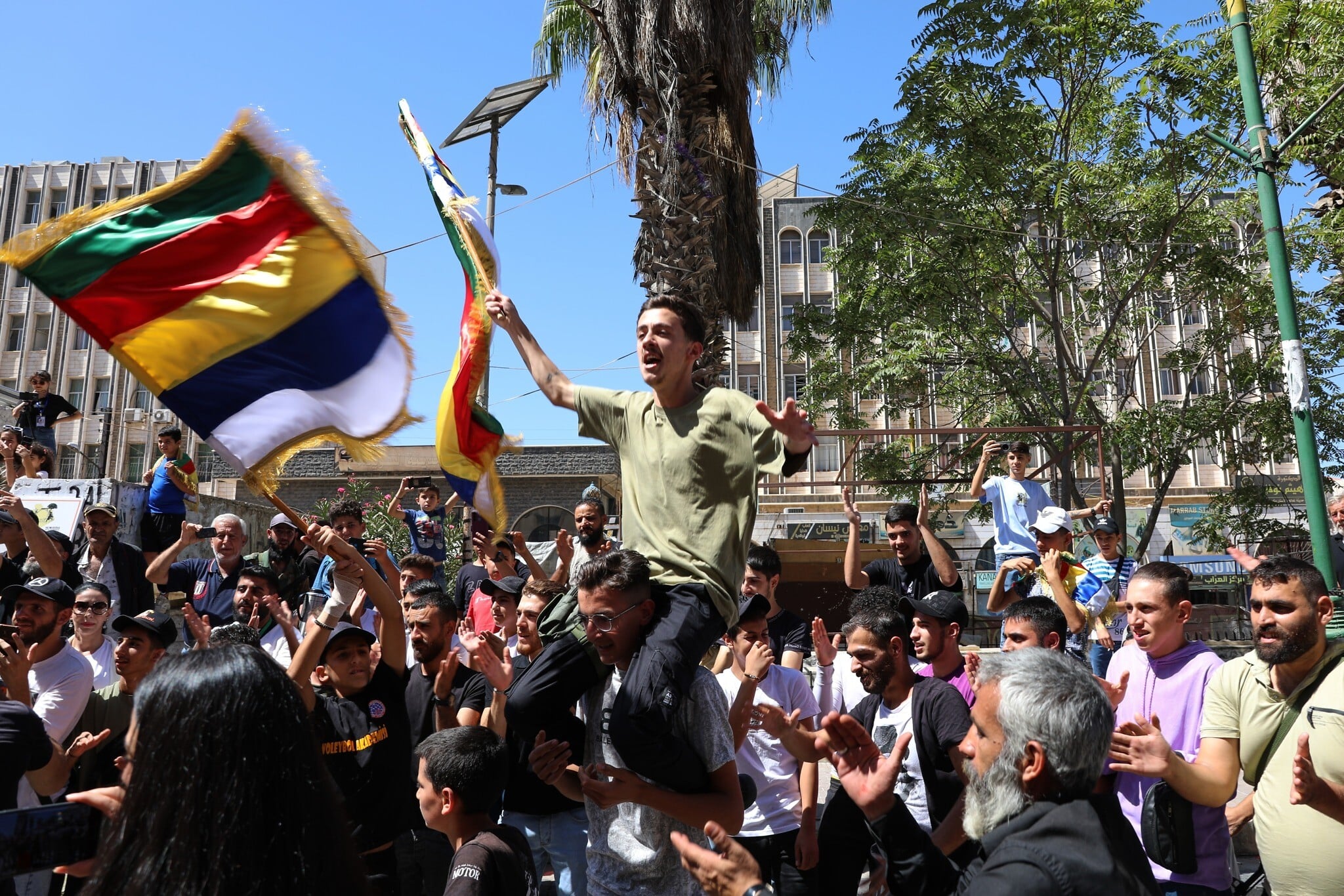
The US is leading negotiations between a prominent Druze leader and the Syrian government to secure an exchange of prisoners held since sectarian clashes in the Druze-majority province of Sweida last year, a source with knowledge of the matter told AFP Tuesday.
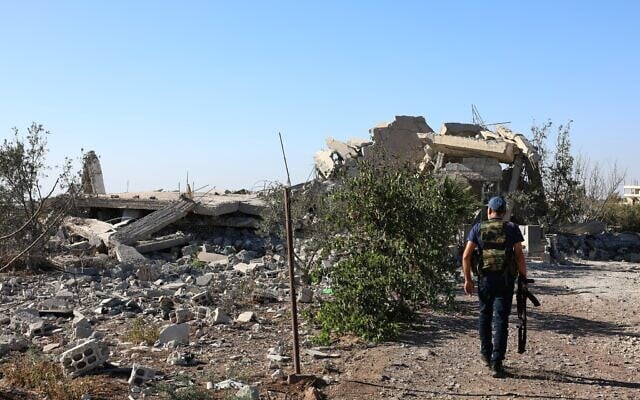
Thousands are estimated to have been killed when clashes erupted in July between Druze fighters and Sunni Bedouin tribes in Sweida.
The Syrian government in Damascus said its forces intervened to stop the clashes, but witnesses and monitors accused them of siding with the Bedouin against the Druze.
The Syrian Observatory for Human Rights, an opposition-aligned body, claimed the fighting in Sweida left more than 2,000 people dead, including 789 Druze civilians who were “summarily executed by Defense and Interior Ministry personnel.”
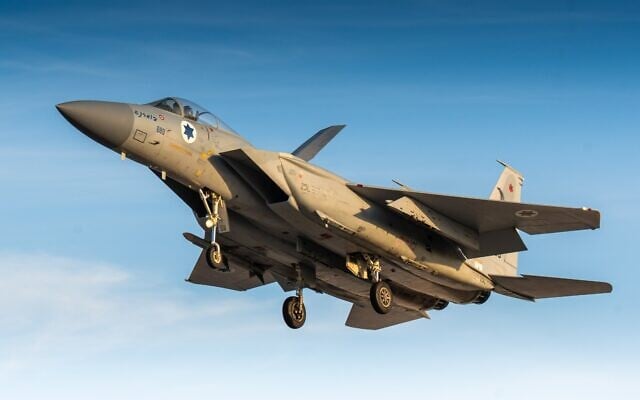
Israel bombed Syria during the violence, striking the Syrian army headquarters and near the presidential palace, saying it was acting to defend the Druze, who have communities in Israel.
While a ceasefire was reached later in July, the situation has remained tense, and the province has remained difficult to access.
The Druze source, who requested anonymity, told AFP that “there are currently negotiations mediated by the United States between Sheikh Hikmat al-Hijri,” a prominent Druze leader, “and the Damascus government.”
The talks, said the source, aim to “get the authorities to release 61 civilians from Sweida who have been detained… since the events of July, in exchange for 30 personnel of the Interior and Defense Ministries” held by the National Guard, the armed group that operates under Hijri.
Residents accuse Syrian authorities of imposing a siege on Sweida, which Damascus denies, and tens of thousands of people remain displaced from the violence.
Aid trucks have entered the province several times since July.
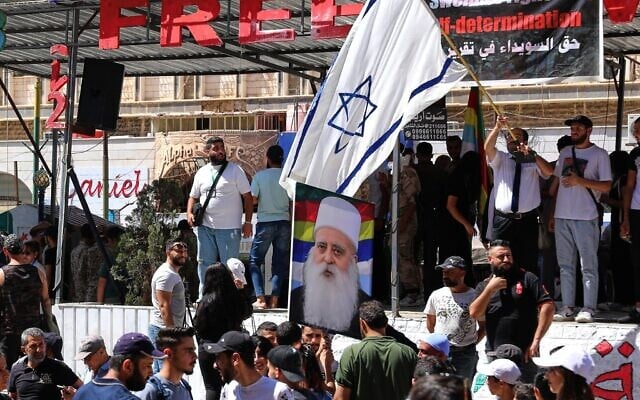
In August, dozens of small factions in Sweida announced they would join the National Guard, seeking to unify military efforts under Hijri, who is considered the Druze figure most hostile to Damascus.
Hijri has since demanded the creation of a separate region for his minority community, and has formed a de facto authority in Sweida city and its surrounding areas outside of the central government’s grasp.
And in September, Reuters reported that Israel was working to unite splintered Druze factions in Syria’s Sweida area, providing them with arms and paying salaries of militia members.
Two senior Syrian Druze figures, who requested anonymity due to the sensitivity of the matter, said at the time that since July’s deadly fighting in Sweida, Israel had been helping to unify splintered Druze factions and had delivered military supplies, including guns and ammunition, to them.
The two Druze commanders and a Western intelligence source said that Israel was also paying salaries for many of the roughly 3,000 Druze militia fighters.
Reuters was not able to independently confirm the munitions supplies or the payments at the time. The offices of Prime Minister Benjamin Netanyahu and then-Strategic Affairs Minister Ron Dermer likewise did not respond to Reuters’ questions on support for the Druze militia.
The IDF has been deployed to nine posts inside southern Syria for more than a year, since the fall of the Bashar al-Assad regime in December 2024. They are mostly within a UN-patrolled buffer zone on the border between the countries. Two posts are on the Syrian side of Mount Hermon.
Troops have been operating in areas up to around 15 kilometers (nine miles) inside Syria, aiming to capture weapons that Israel says could pose a threat to the country if they fall into the hands of “hostile forces.”



The Times of Israel Community.