

US official: Iran funneled some $1 billion to Hezbollah this year, despite sanctions
Undersecretary for terrorism and financial intelligence says Washington wants to cut Tehran’s funding to terror group so ‘the Lebanese people could get their country back’
 Add ToI as a Preferred Source on Google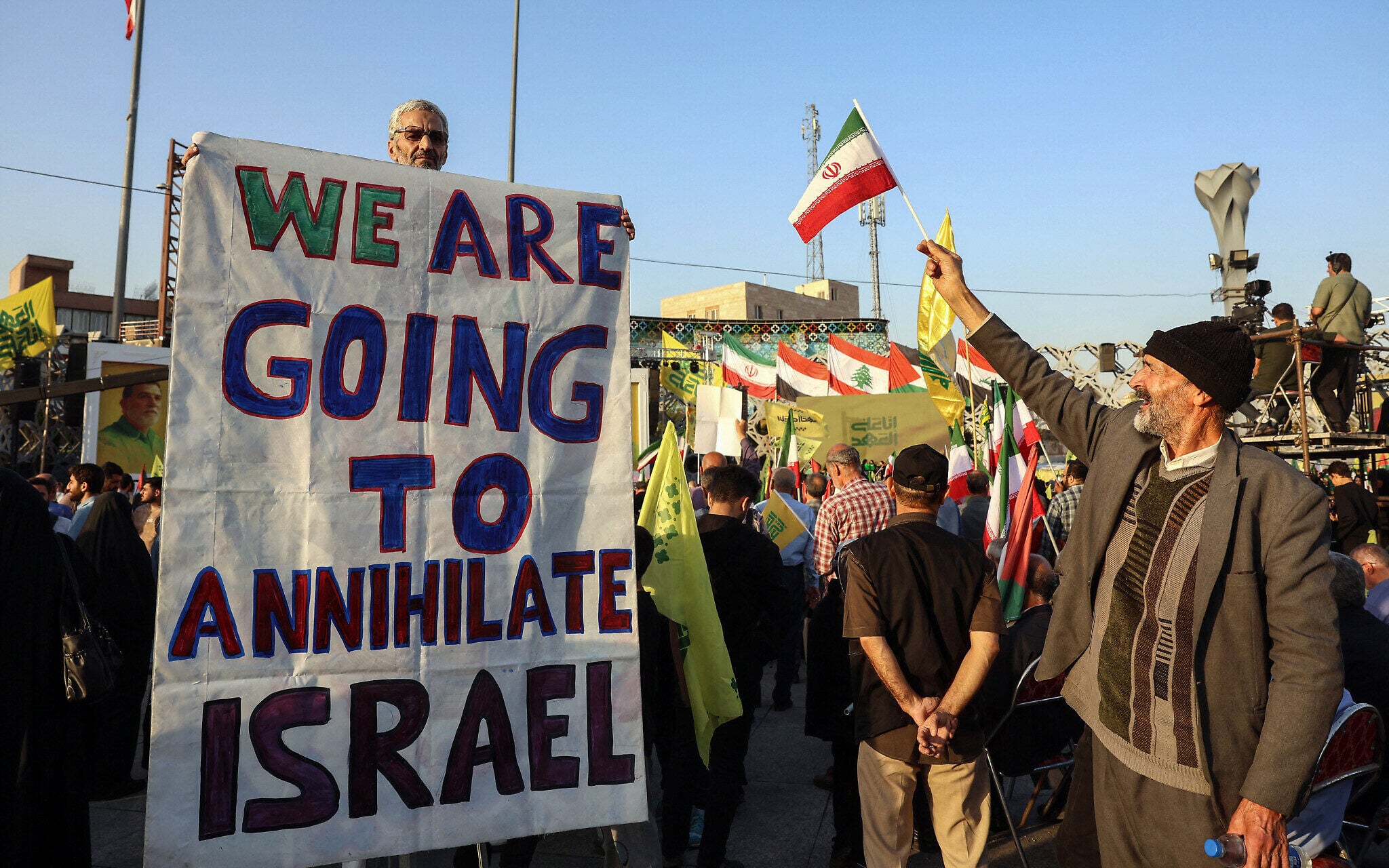
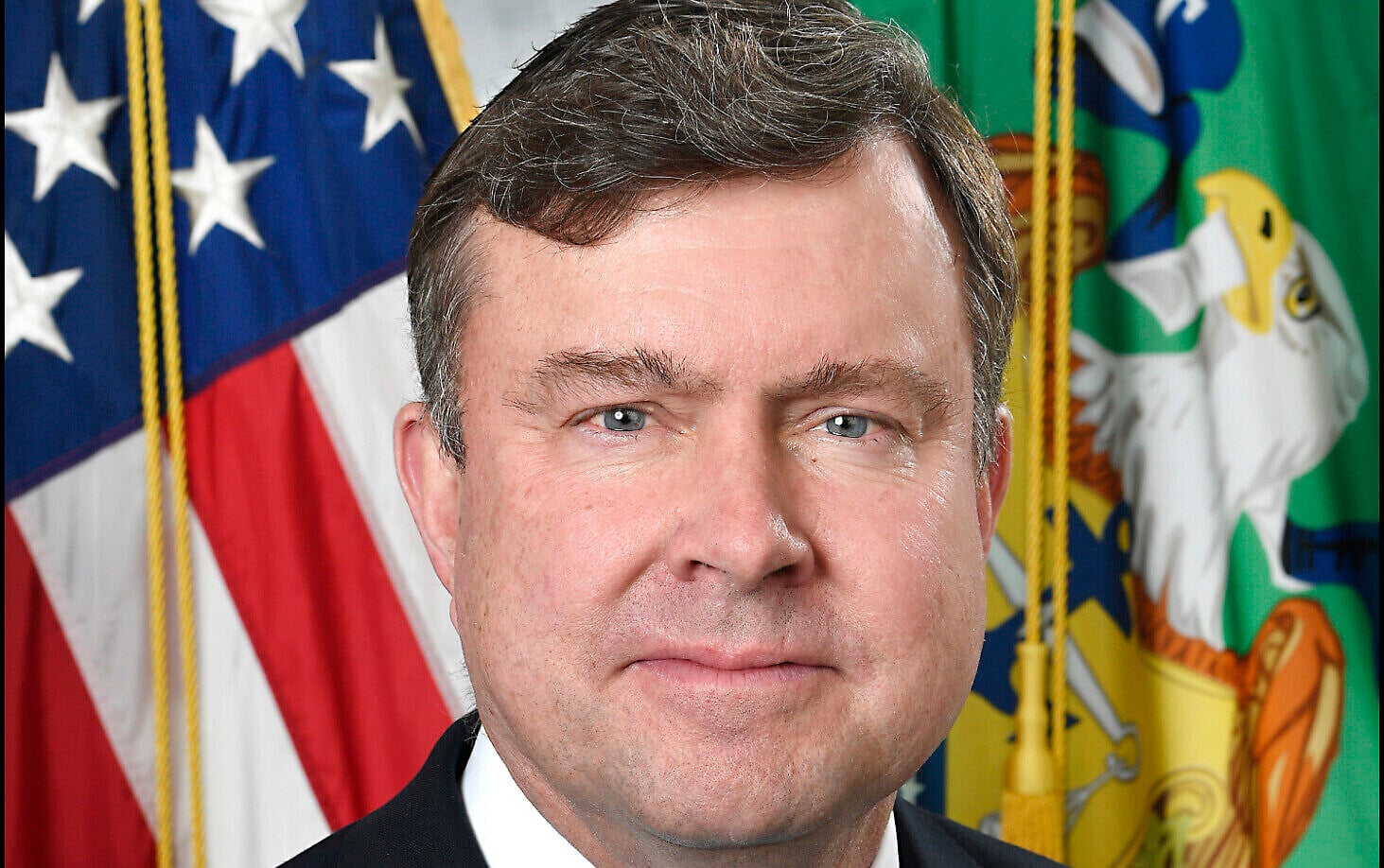
ISTANBUL — The United States seeks to take advantage of a “moment” in Lebanon in which it can cut Iranian funding to Hezbollah and press the terror group to disarm, the US Treasury Department’s top sanctions official said.
In a late Friday interview, John Hurley, the undersecretary for terrorism and financial intelligence, said Iran has managed to funnel about $1 billion to Hezbollah this year despite a raft of Western sanctions that have battered its economy.
The US has adopted a “maximum pressure” campaign on Tehran meant to curb its uranium enrichment and regional influence, including in Lebanon where the Iran-backed terror group Hezbollah is also weakened after Israel shattered its military power in a 2023-24 war.
Late last week Washington sanctioned two individuals accused of using money exchanges to help fund Hezbollah.
“There’s a moment in Lebanon now. If we could get Hezbollah to disarm, the Lebanese people could get their country back,” Hurley said.
“The key to that is to drive out the Iranian influence and control that starts with all the money that they are pumping into Hezbollah,” he told Reuters in Istanbul as part of a tour of Turkey, Lebanon, the United Arab Emirates and Israel meant to raise pressure on Iran.
Tehran has leaned on closer ties with China, Russia and regional states including the UAE since September, when talks to curb its nuclear activity and missile program broke down, prompting the reinstatement of United Nations sanctions.
Western powers accuse Tehran of secretly developing nuclear weapons capability, having enriched uranium to levels that have no peaceful application, obstructed international inspectors from checking its nuclear facilities, and expanded its ballistic missile capabilities — actions that led to the June war between Israel and Iran.
Tehran, whose economy now risks hyperinflation and a severe recession, claims its nuclear program is wholly for civilian power purposes.
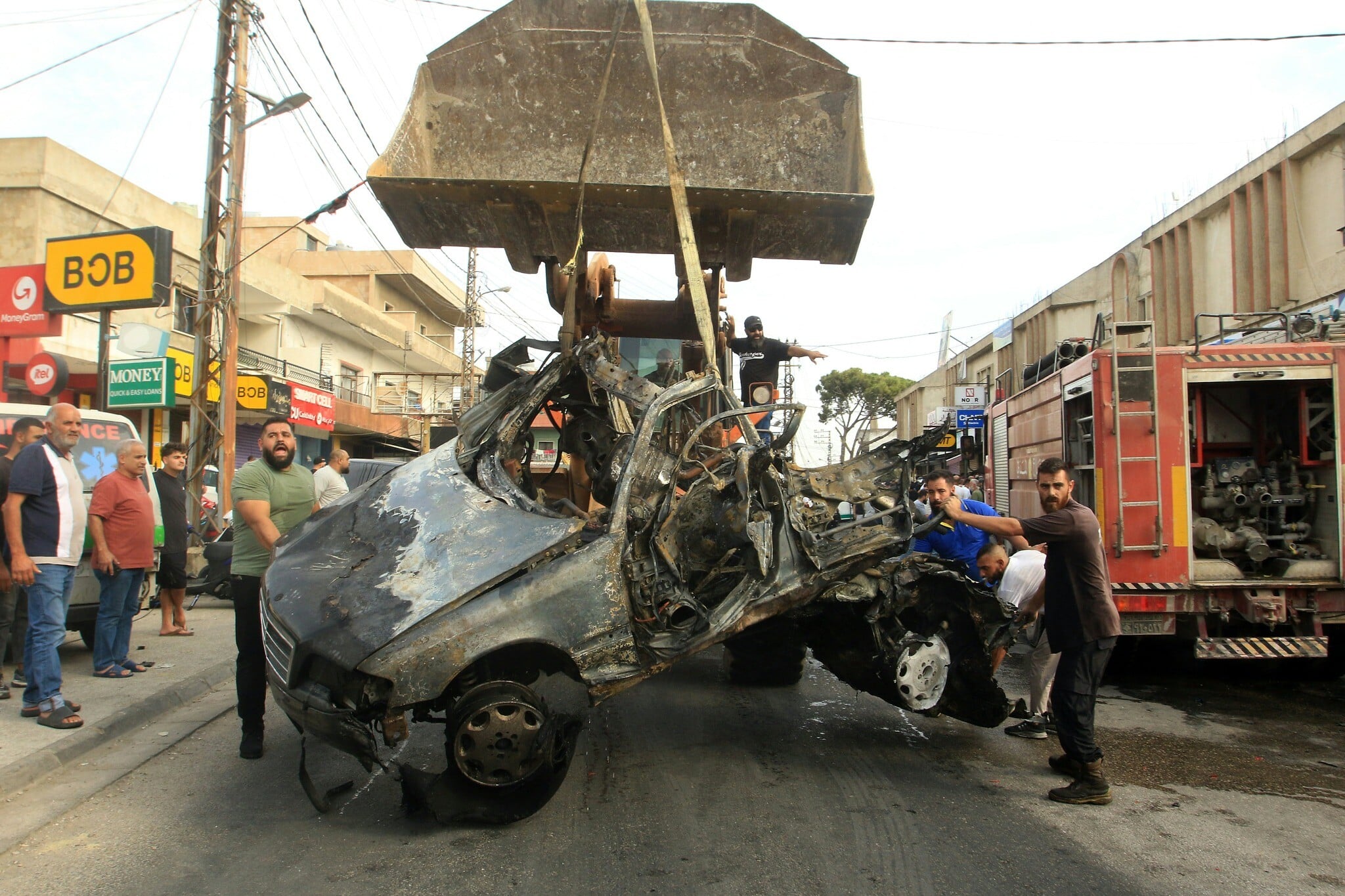
Meanwhile, Israel says Hezbollah is trying to rebuild its capabilities and is carrying out airstrikes at an apparently growing pace on what it says are sites and operatives from the terror group.
Lebanon’s government has committed to disarming all non-state groups, including Hezbollah, which was founded in 1982 by Iran’s Revolutionary Guards. Hezbollah spearheaded the Iran-backed “Axis of Resistance” and began firing at Israel on October 8, 2023, the day after Hamas carried out its devastating attack.
While Hezbollah, which is also a political force in Beirut, has apparently not directly obstructed Lebanese troops confiscating its weapons caches in the country’s south, it has rejected disarming in full.
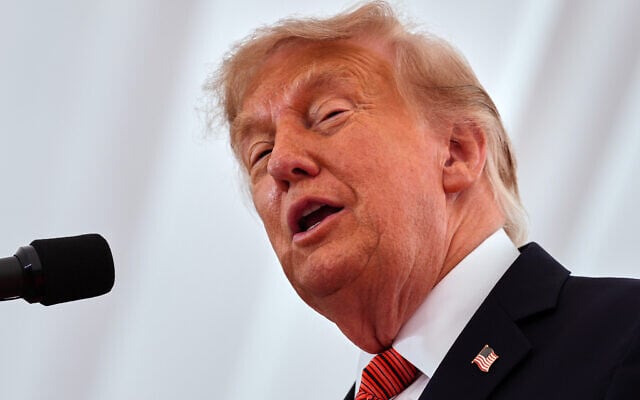
Hurley, in his first trip to the Middle East since taking office under US President Donald Trump’s administration, has pressed the case against Iran in meetings with government officials, bankers and private sector executives.
“Even with everything Iran has been through, even with the economy not in great shape, they’re still pumping a lot of money to their terrorist proxies,” he said.








The Times of Israel Community.