

US indicates Lebanese army deploying to ‘pilot zones,’ including one IDF will withdraw from
Washington lists 3 locations where Lebanon’s military to deploy; Israeli forces reportedly to make first pull out from one area on Tuesday, but timeline for full withdrawal unclear
 Add ToI as a Preferred Source on Google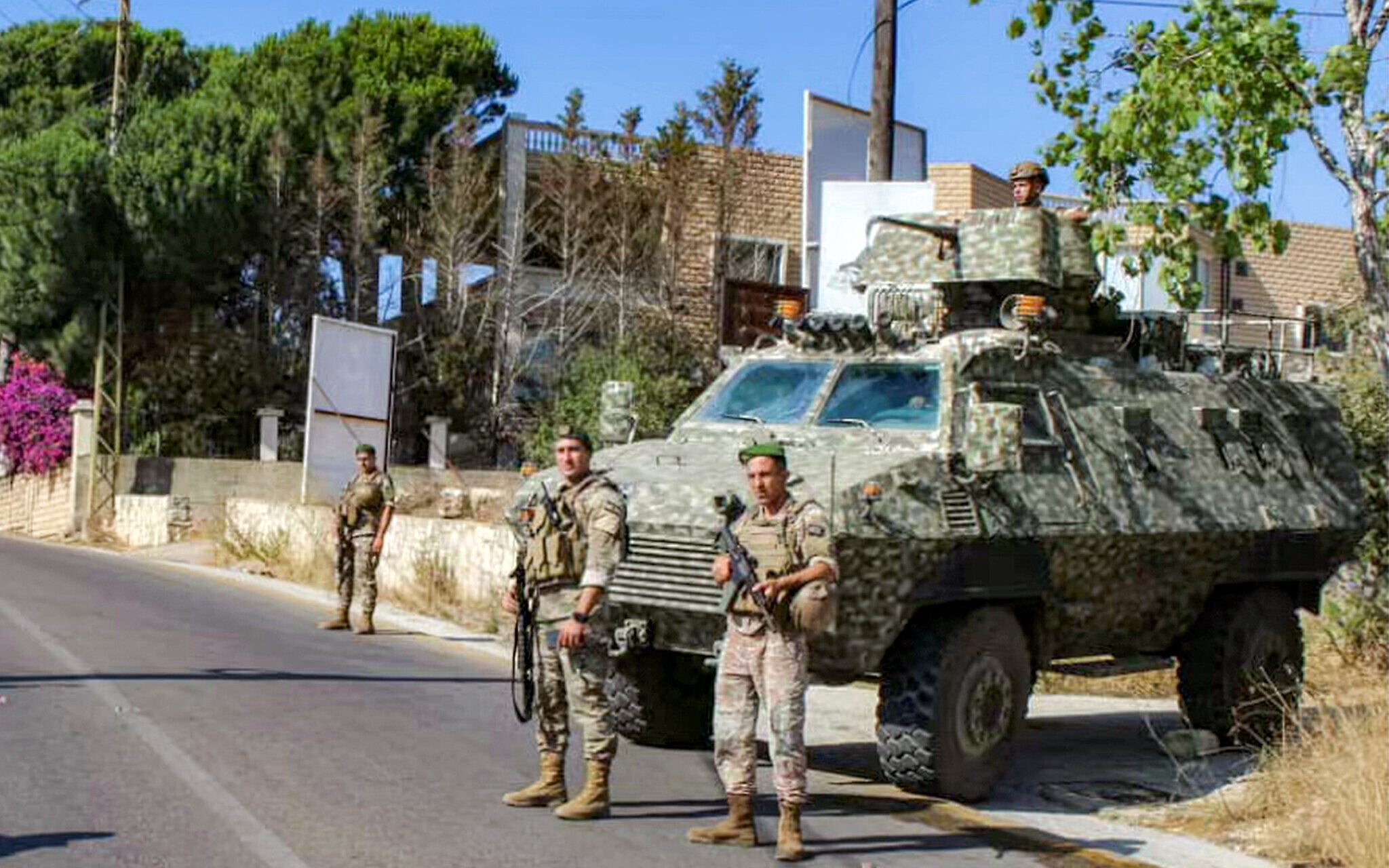
The Lebanese army began preparations to take charge of security in three southern villages Monday, as a deal to eventually secure an Israeli withdrawal from south Lebanon and the disarmament of Hezbollah faced its first test on the ground.
The US State Department announced the commencement of “pilot zone operations,” where Lebanese Armed Forces are slated to deploy in place of withdrawing Israeli troops. Notably, two of the three villages mentioned do not have Israeli forces located in them.
An unnamed senior Israeli official told the Axios outlet that the Israel Defense Forces will make its first withdrawal on Tuesday. The IDF is set to withdraw and redeploy forces in one of the two pilot zones, in the Zawtar al-Gharbiya area, to enable the Lebanese army to enter.
“Today, pilot zone operations began in the villages of Froun, Srifa, and Zawtar Al-Gharbiya, in accordance with the Trilateral Framework and under the auspices of the Military Coordination Group for Lebanon,” the US State Department said in a statement.
Froun and Srifa are located in the first of two pilot zones earmarked for the LAF’s deployment, as part of the framework deal Israel and Lebanon reached last month. That pilot zone is located outside of the IDF’s buffer zone in southern Lebanon, meaning that no Israeli troops will need to withdraw.
The second pilot zone straddles both sides of the IDF buffer zone. Zawtar Al-Gharbiya is inside Israel’s buffer zone. Israeli forces currently stationed there will be required to withdraw under the agreement.
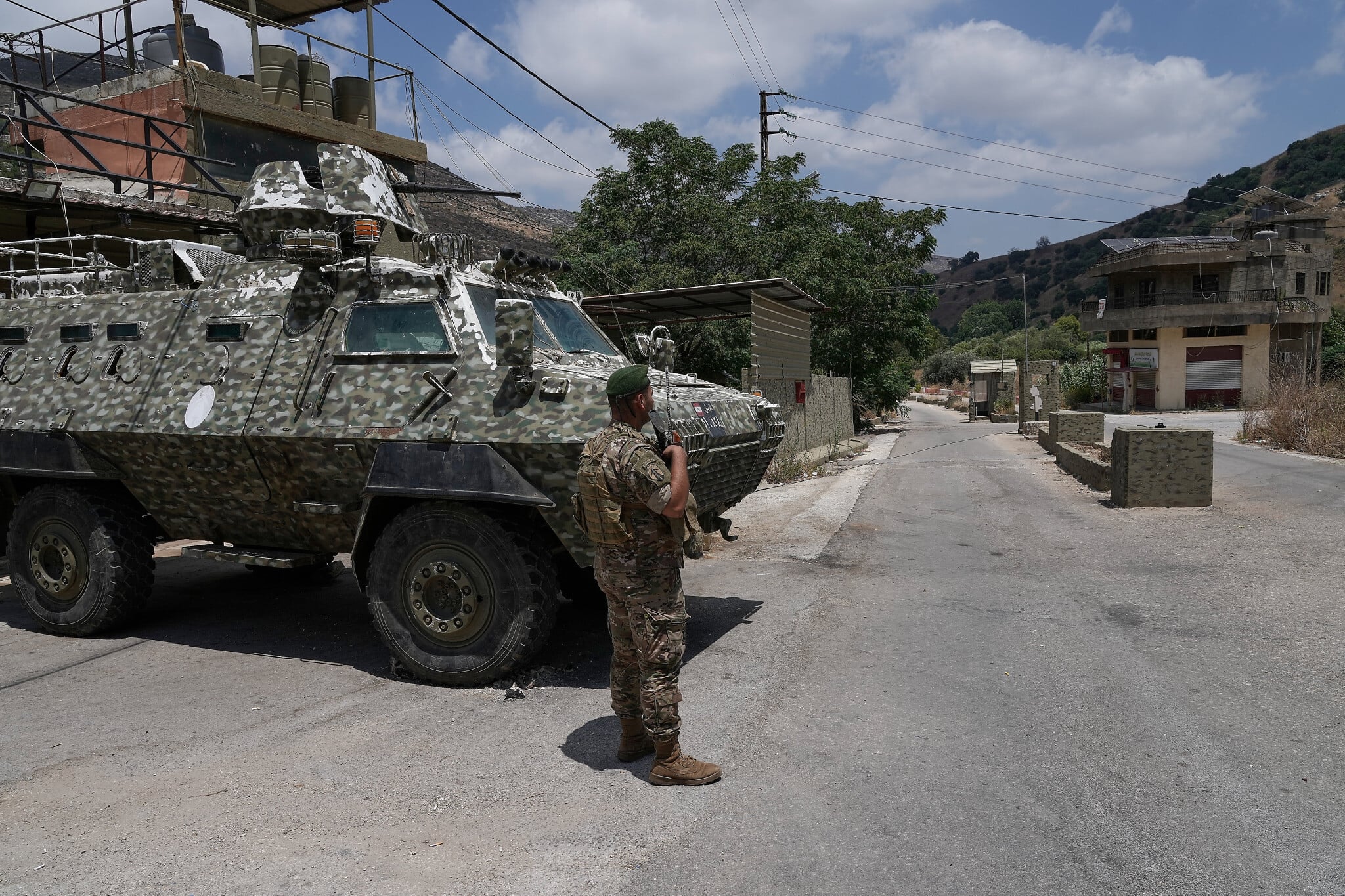
In a statement, the IDF said it was conducting “coordination and planning” with the US military and LAF as part of the pilot program in southern Lebanon. “In accordance with the directives from the political echelon, the “Safe Zone” pilot program began today (Monday) in southern Lebanon, in cooperation with the U.S. military (CENTCOM) and the Lebanese Armed Forces,” the IDF said.
It added that as part of the pilot, “teams from the IDF, the US military, and the Lebanese Armed Forces are conducting coordination and planning for the continued implementation of the agreement.”
The LAF, in its own statement, said that “coordination is underway” with the US-led trilateral Military Coordination Group for Lebanon for the deployment of its forces in Zawtar al-Gharbiya, “following the withdrawal of the Israeli occupation from it.”
It also warned Lebanese civilians not to head to the town “and to comply with the instructions of the deployed military units to ensure their safety.”
The Lebanese army said it was also continuing to carry out patrol missions in Froun and Srifa.
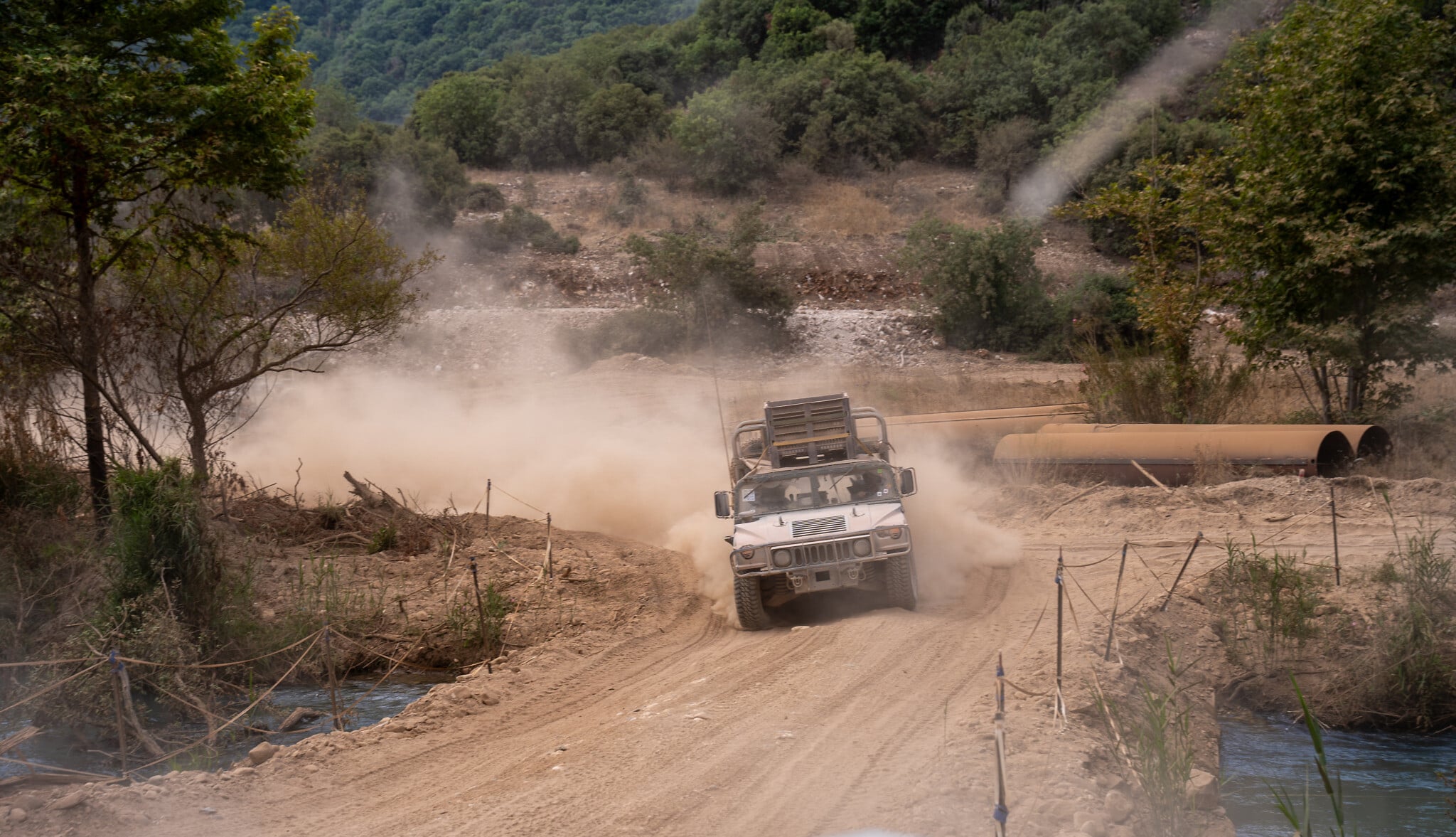
The State Department did not specify what it meant by pilot zone operations beginning, but was apparently referring to the deployment of LAF forces in those three villages.
“This milestone is a direct outcome of last week’s discussions between Israel and Lebanon in Rome. The United States will continue working closely with both parties to implement the framework to a successful conclusion,” the State Department statement said.
The framework, signed by Lebanon, Israel, and the United States on June 26, after several rounds of direct negotiations, envisions a phased Israeli pullback from positions in south Lebanon.
In exchange, the Lebanese Armed Forces are to assume sole security control of vacated areas and certify that they have been cleared of Hezbollah weapons and infrastructure.
The pilot zones are intended to try out the approach in a handful of villages straddling the Litani River before it is extended to other areas.
The Israeli military sees the pilot program as a test of sovereignty for the Lebanese army.
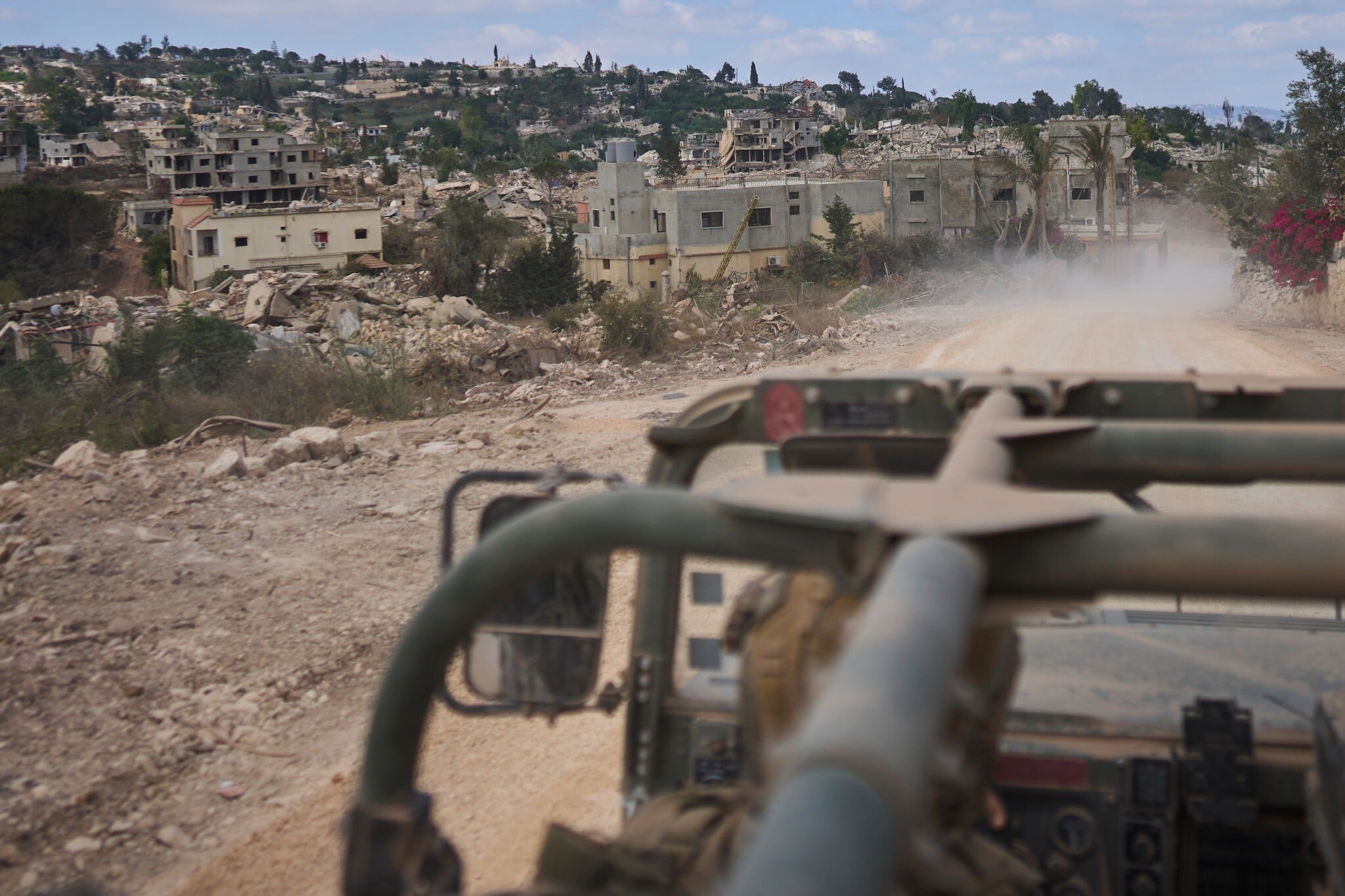
Hezbollah’s forces long held sway in southern Lebanon before the area was taken by the IDF. The Iran-backed terror group has rejected the framework, insisting any arrangement in Lebanon be linked to wider negotiations between Washington and Tehran. It has not said whether it will resist implementation of the pilot zones in the designated areas.
In the event of violations of the ceasefire by Hezbollah, the IDF said it will work with a US-led coordination cell to resolve them.
The agreement does not set a timetable for Israel’s withdrawal, and the process of the withdrawal itself has not yet been decided, according to a military official.
While Israel agreed to withdraw troops from the second pilot zone as part of the framework deal, it has yet to do so, with military officials previously saying they have not received a directive from elected leaders to pull out of the area.
The Israeli foot-dragging on the withdrawal has marred negotiations with Lebanon, which briefly threatened to boycott last week’s talks in Rome, before the US managed to talk Beirut down with assurances that progress would be made on the issue.
Israeli officials have vowed that their forces will remain in a “security zone” 10 kilometers (six miles) deep along the frontier for as long as Hezbollah remains armed.

The talks in Rome came ahead of Lebanese President Joseph Aoun’s planned meeting with US President Donald Trump in Washington on Tuesday.
Lebanon and Israel, which have no formal relations, started negotiations after Hezbollah drew Lebanon into the US-Israeli war with Iran by attacking Israel in March.
The framework agreement was reached amid a fragile ceasefire in the Israel-Hezbollah war.
Israel still launches occasional strikes in southern Lebanon and carries out detonations in villages it occupies near the border. Hezbollah and Israel fought a previous round of conflict in 2023-2024, after Hezbollah began firing at Israel in the wake of the Hamas-led October 7, 2023, onslaught.






The Times of Israel Community.