

US to buy Iran’s heavy water, mulls more sanctions relief
Washington announces $8.6m purchase despite GOP efforts to bar Tehran from any use of US dollar, financial system
 Add ToI as a Preferred Source on Google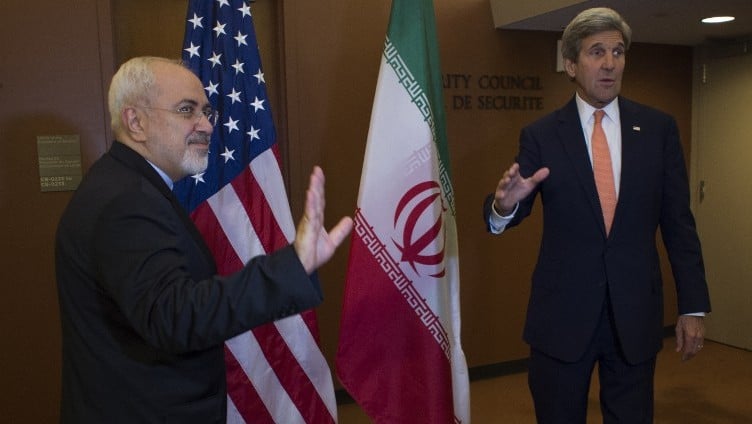
NEW YORK (AFP) — The United States said Friday it would buy heavy water from Iran despite angry claims at home that it has already gone too far in granting Tehran nuclear sanctions relief.
Officials said the purchase would cost $8.6 million, even as Republican lawmakers pressed for Iran to be excluded from any use of the US dollar or financial system.
The deal was announced as Secretary of State John Kerry was to meet his Iranian counterpart to discuss ways of ensuring Tehran benefits from the nuclear deal it signed last year.
Kerry was to see Foreign Minister Mohammad Javad Zarif on the sidelines of the United Nations as the agreement came under sustained attack from critics in both countries.
Hardliners in Tehran argue that President Hassan Rouhani has been tricked into surrendering control of Iran’s nuclear program without getting much in return.
And in Washington, President Barack Obama’s critics claim he plans to allow an unreformed Iran access to US finance despite separate sanctions remaining in place.
Heavy water deal
Nevertheless, the State Department said the United States will buy 32 tonnes of heavy water from Iran.
“This transaction provides US industry with a critical product, while also enabling Iran to sell some of its excess heavy water,” spokesman John Kirby said.
Kirby said the purchase came after Iran met its obligations under the nuclear accord implementation process, known as the Joint Comprehensive Plan of Action or JCPOA.
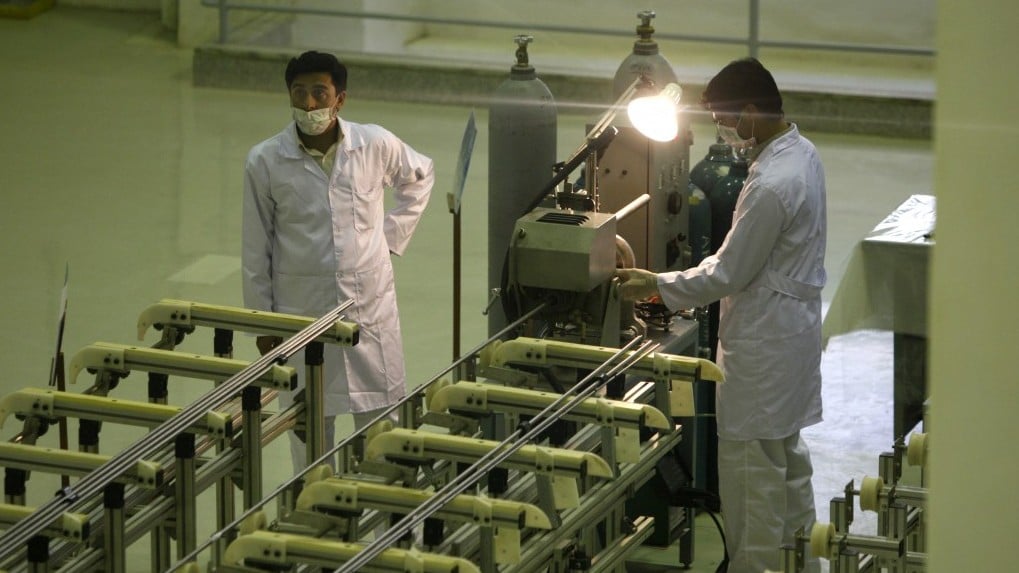
“Our purchase of the heavy water means that it will instead be used for critically important research and non-nuclear industrial requirements,” he said.
“Iran’s compliance with the JCPOA meant that this material had already been removed from Iran, ensuring it would not be used to support the development of a nuclear weapon.”
The heavy water purchase immediately came under attack in Washington as another concession to Tehran and a crack in the wall barring Iran from the US financial system.
“Once again, the Obama administration is handing Iran’s radical regime more cash,” declared Ed Royce, chairman of the House foreign affairs committee.
“US purchase of this sensitive material goes well beyond what is required by the nuclear agreement.”
House Speaker Paul Ryan did not mince his words.
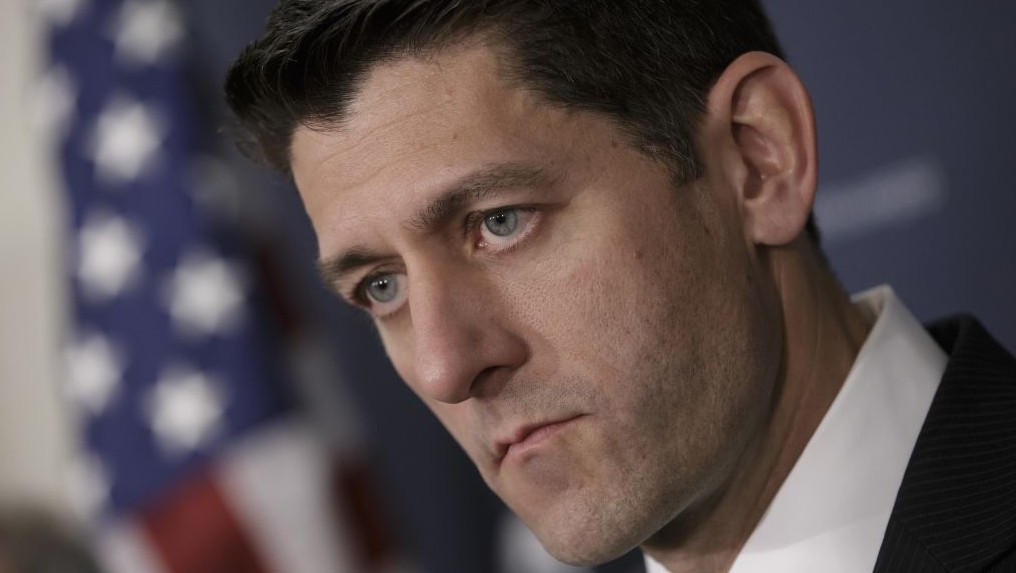
“This purchase — part of what appears to be the administration’s full-court press to sweeten the deal — will directly subsidize Iran’s nuclear program,” he said.
“It’s yet another unprecedented concession to the world’s leading state-sponsor of terrorism.”
But a US official, speaking on condition of anonymity, insisted the transaction did not break any rules.
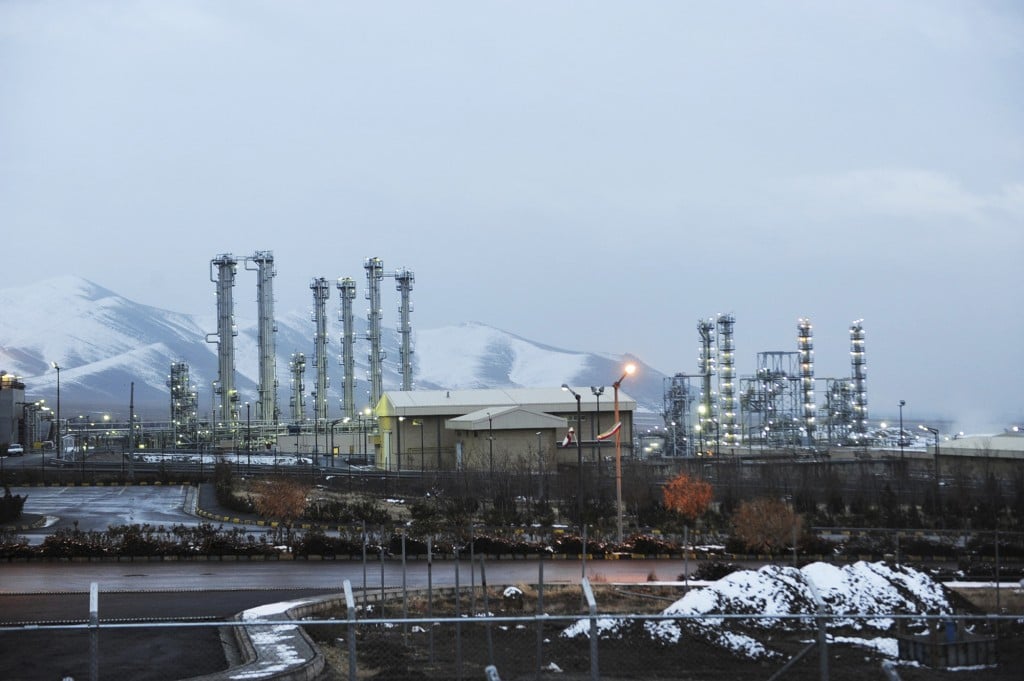
“Regardless of whether or not this is in US dollars, this licensed transaction is limited in scope,” he said.
“This routing through third-country financial institutions is similar to the mechanism that has been used for years to allow other authorized transactions, such as for exports of food and medicine, between the United States and Iran.”
Kerry, whose meeting with Zarif is his second in a week, is trying to walk a diplomatic tightrope between the attacks on the JCPOA from critics in Washington and Tehran.
Frozen billions
The top US diplomat admitted this week that Iran has thus far been able to access only around $3 billion of the $55 billion the State Department estimates that it is owed.
US sanctions still exist to punish Iran for its missile program and sponsorship of Middle East terrorist groups, and Washington officials’ hands are partly tied.
Washington had hoped that European and Asian banks would free up the frozen funds and allow Rouhani’s government to show its people the benefits of international cooperation.
But European officials have told AFP their bankers fear they could face fines or even criminal cases against their US subsidiaries if they rush in.
The US scrambled expert teams — “akin to a roadshow,” in spokesman Kirby’s phrase — to reassure international bankers that they can do business.
Enraged Republicans
But the spectacle of American officials effectively working to promote foreign business engagement with the Islamic republic has enraged Obama’s Republican opponents.
Lawmakers have threatened to pass renewed bars on Iranian interaction with the US financial system, through which many dollar-denominated transactions pass.
But officials feel the credibility of the nuclear deal, which was implemented in January, depends on Iran’s moderates being able to point to economic progress.
In theory, the European Union lifted its nuclear-related sanctions against Tehran at the same time as Washington.
But Iran’s Revolutionary Guards, still under sanctions for their role in sponsoring attacks by Middle East terror groups, have extensive business interests.
And any private sector investment or financial services provided to Iran that was found to be linked to the Guards could expose European banks to US prosecution.





The Times of Israel Community.