

After Israeli strikes, West urges Iran to stand down as Muslim nations slam Jerusalem
Washington says Islamic Republic must end ‘cycle of fighting,’ as official signals approval of Jerusalem’s ‘targeted and proportional’ response to Iran’s Oct. 1 missile attack
 Add ToI as a Preferred Source on Google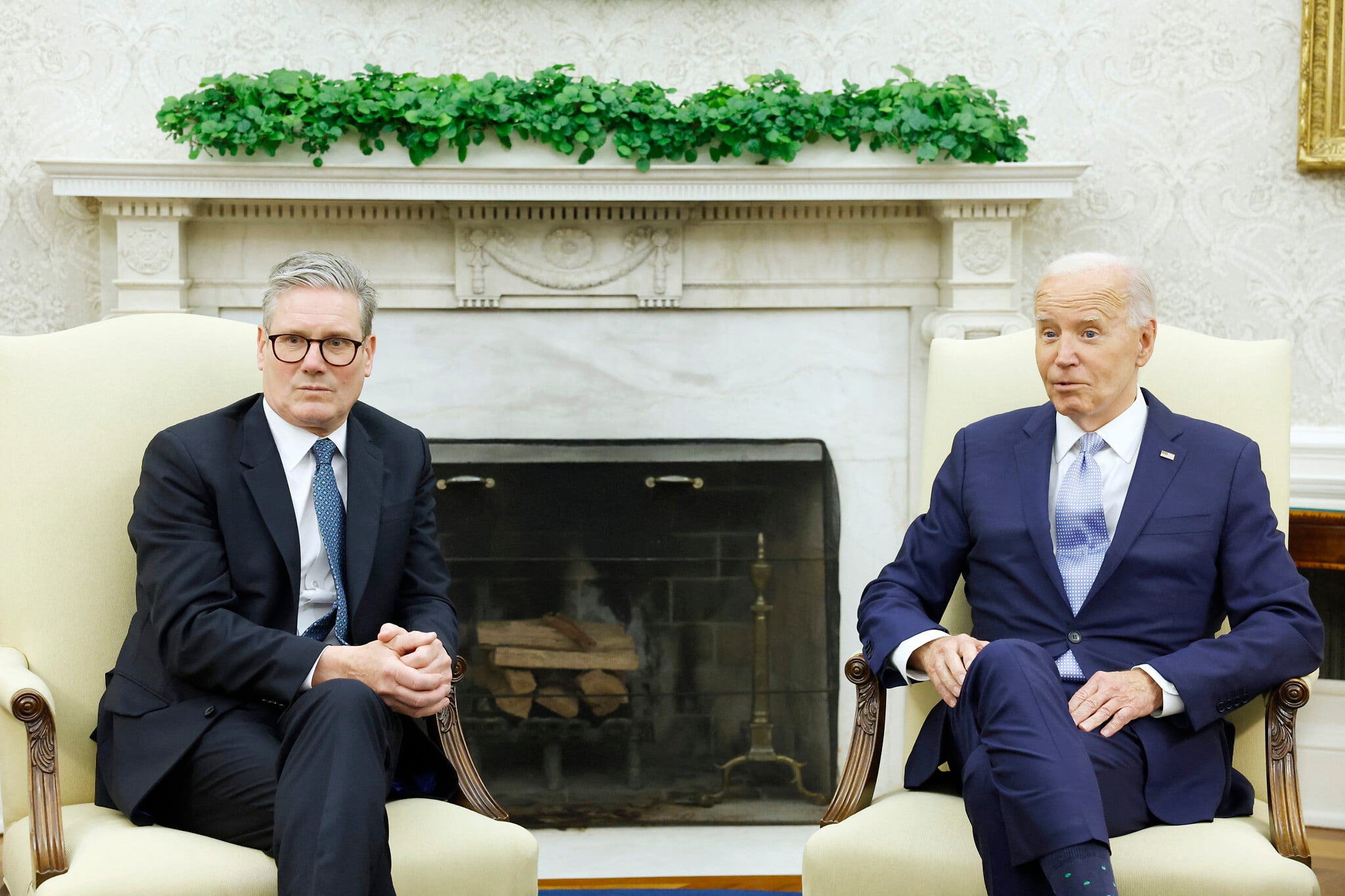
Western leaders on Saturday urged Iran not to respond to Israel’s overnight strikes in its territory, conducted in retaliation for its October 1 missile barrage on the Jewish state.
Meanwhile, Arab and Muslim nations and the Hamas terror group condemned the Israeli assault and warned it was contributing to regional instability.
“We urge Iran to cease its attacks on Israel so that this cycle of fighting can end without further escalation,” US National Security Council spokesman Sean Savett told reporters, in a position echoed by London and Berlin.
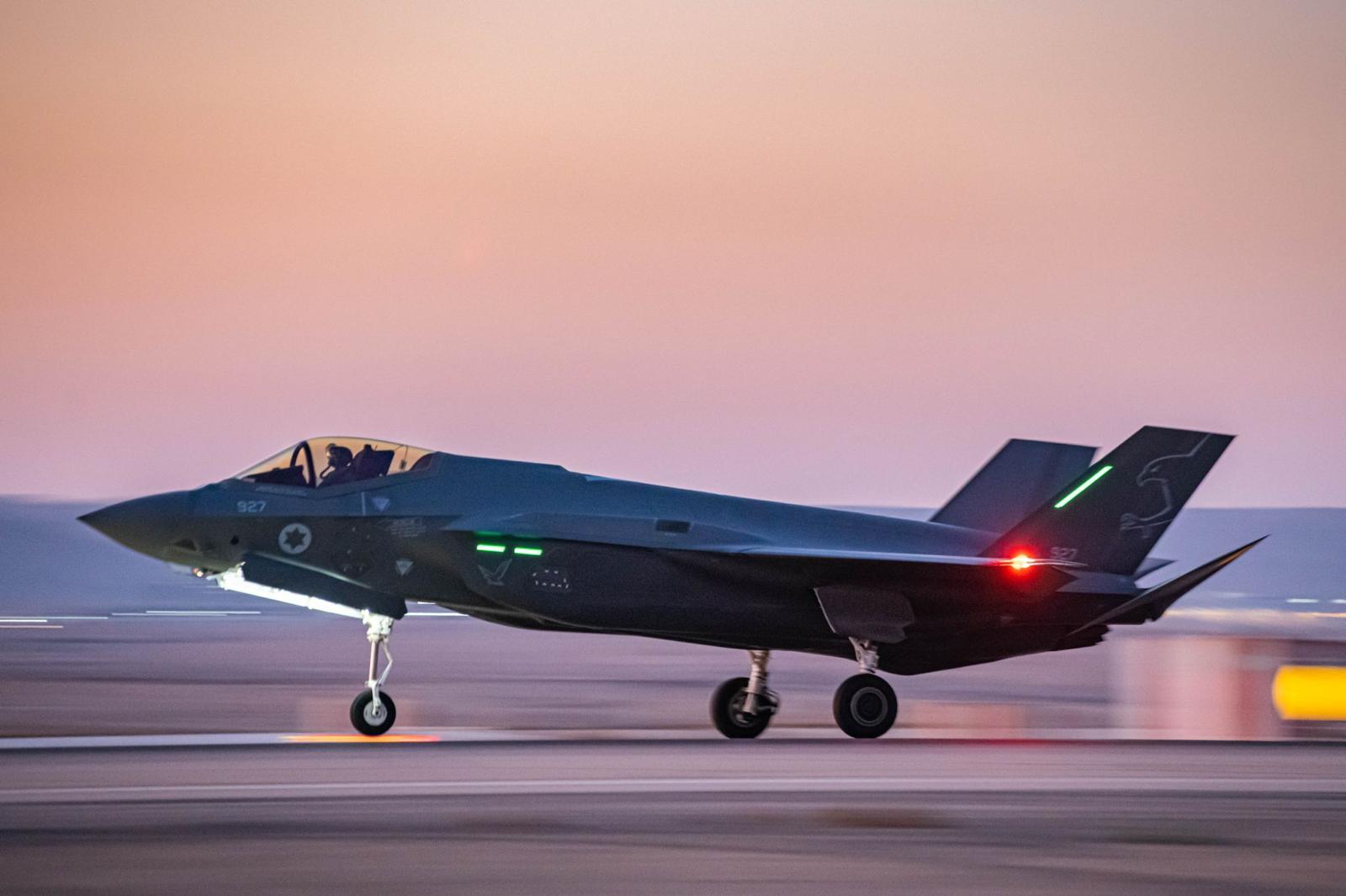
The Israeli military conducted air strikes against Iran early on Saturday, hitting military bases, missile sites, and other systems in several regions.
“Their response was an exercise in self-defense and specifically avoided populated areas and focused solely on military targets, contrary to Iran’s attack against Israel that targeted Israel’s most populous city,” Savett added.
Stressing that the US did not participate in the operation, he said “it is our aim to accelerate diplomacy and de-escalate tensions in the Middle East region.”
A senior administration official signaled approval of Israel’s “targeted and proportional” strikes in a briefing with reporters, saying US President Joe Biden and his national security team have worked with the “Israelis over recent weeks to encourage Israel to conduct a response that was targeted and proportional with low risk of civilian harm.”
“And that appears to have been precisely what transpired this evening,” the official told reporters.
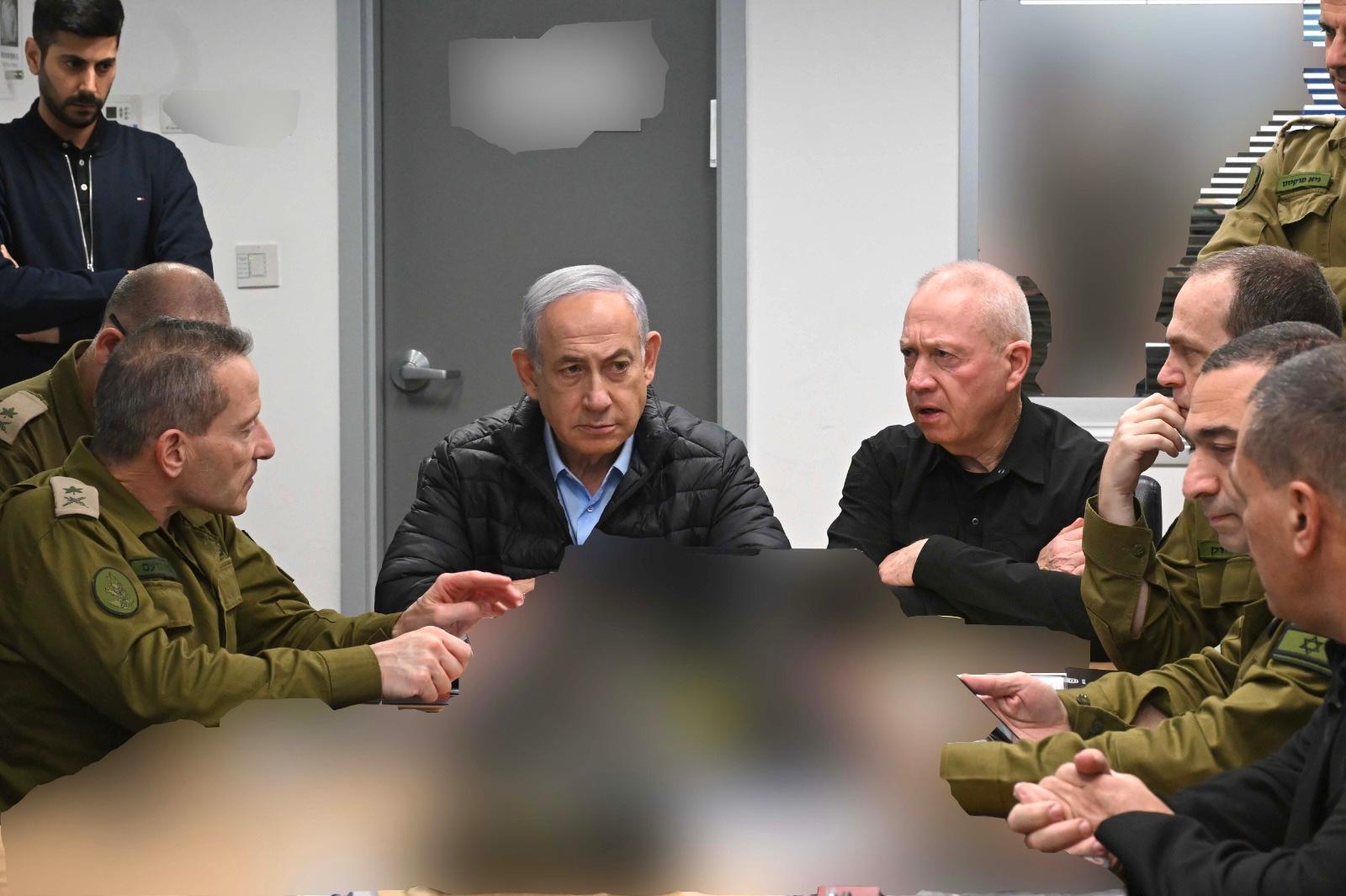
Biden had encouraged Prime Minister Benjamin Netanyahu “to design a response that served to deter further attacks against Israel while reducing risks of further escalation, and that is our objective.”
Meanwhile, British Prime Minister Keir Starmer also said Iran should not respond to the wave of Israeli strikes, urging restraint on all sides.
“I am clear that Israel has the right to defend itself against Iranian aggression. I’m equally clear that we need to avoid further regional escalation and urge all sides to show restraint. Iran should not respond,” he said, speaking at a press conference in Samoa, where he has been attending a Commonwealth Heads of Government Meeting.
Germany’s Chancellor Olaf Scholz warned Iran against any “escalation.”
“My message to Iran is clear: massive escalating reactions must not continue. These must stop immediately. Only then can we open the possibility of a peaceful evolution in the Middle East,” he posted on X.
France, in a more neutral statement said it had “taken note” of Israel’s announcement of strikes, and “urges the parties to refrain from any escalation and action likely to aggravate the context of extreme tension prevailing in the region.”
Russia warned that an “explosive escalation” in hostilities between Iran and Israel risked spiraling out of control. “We urge all parties involved to exercise restraint, stop the violence and prevent events from developing into a catastrophic scenario,” Russian foreign ministry spokeswoman Maria Zakharova said.
The US official said that “should Iran choose to respond, we are fully prepared to once again defend against any attack,” pointing to the recent US deployment of THAAD missile defense batteries to Israel.
“This should be the end of this direct exchange of fire between Israel and Iran,” the US official said, adding that “Israel has made clear to the world that its response is now complete.”
“Accordingly, we will call on all countries of influence to press Iran to stop these attacks against Israel.”
Arab and Muslim condemnations
Egypt said it was “gravely concerned” over the escalation in the Middle East including the Israeli air attack on Iran, and condemned all measures that threaten regional security and stability, the foreign ministry said in a statement.
Jordan said the strikes were “in violation of international law and [Iran’s] sovereignty, and a dangerous escalation that leads to more tension in the region.” Foreign ministry spokesman Sufyan Qudah called on the international community to “assume its responsibilities and take immediate measures to impose a halt to the Israeli aggression on Gaza, the West Bank and Lebanon as a first step towards reducing the escalation.”
Turkey said “Putting an end to the terror created by Israel in the region has become an historic task for the establishment of international peace and security. We condemn in the strongest terms the Israeli attack on Iran. By committing genocide in Gaza, preparing to annex the West Bank and killing civilians every day in Lebanon, Israel has brought our region to the brink of a greater war,” the ministry added.
Saudi Arabia, a regional rival of Iran widely considered an unofficial ally of Israel, particularly on issues pertaining to the Islamic Republic, condemned the Israeli strikes, warning against any further expansion of the conflict in the Middle East.
“The Kingdom of Saudi Arabia expresses its condemnation and denunciation” of the Israeli strikes and emphasizes its “firm position rejecting escalation of the conflict in the region,” which “threatens the security and the stability of countries and peoples” in the Middle East, the foreign ministry said on X.
Israel ally the United Arab Emirates said it “strongly condemns the military targeting of the Islamic Republic of Iran and expresses deep concern over the continued escalation and its impact on regional security and stability.”
The ministry emphasized the “importance of exercising the highest levels of restraint and wisdom to avoid risks and the expansion of conflict.”
Iranian ally Qatar, which has been a key mediator between Israel and Hamas amid the war in Gaza, condemned Israel’s airstrikes and urged restraint and dialogue to avoid regional instability.
Palestinian terror group Hamas, at war with Israel in Gaza, said it strongly condemned “the Zionist aggression against the Islamic Republic of Iran, and the targeting of military sites in several provinces,” which it called “a blatant violation of Iranian sovereignty and an escalation that threatens the security of the region.”
Syria expressed its “solidarity” with Iran. The Syrian foreign ministry said in a statement that it supported “Iran’s legitimate right to defend itself and protect its territory and the lives of its citizens.”
Iraq denounced global inaction against Israel which it accused of expanding conflict in the Middle East.
“The occupying Zionist entity continues its aggressive policies and widening the conflict in the region through blatant attacks that it carries out with impunity,” including against Iranian targets, government spokesman Basim Alawadi said in a statement denouncing “the international community’s silence” on Israeli actions.
And Pakistan said the strikes “undermine [a] path to regional peace and stability and also constitute a dangerous escalation in an already volatile region.”
“Israel bears full responsibility for the current cycle of escalation and expansion of the conflict. We call on the UN Security Council to play its role for the maintenance of international peace and security, and to take immediate steps to bring an end to Israeli recklessness in the region and its criminal behavior.”
Widespread strikes
Israel struck military sites in Iran early on Saturday, saying it had achieved its objectives and warning Iran not to respond. A semi-official Iranian news agency vowed a “proportional reaction” to the Israeli moves against Tehran.
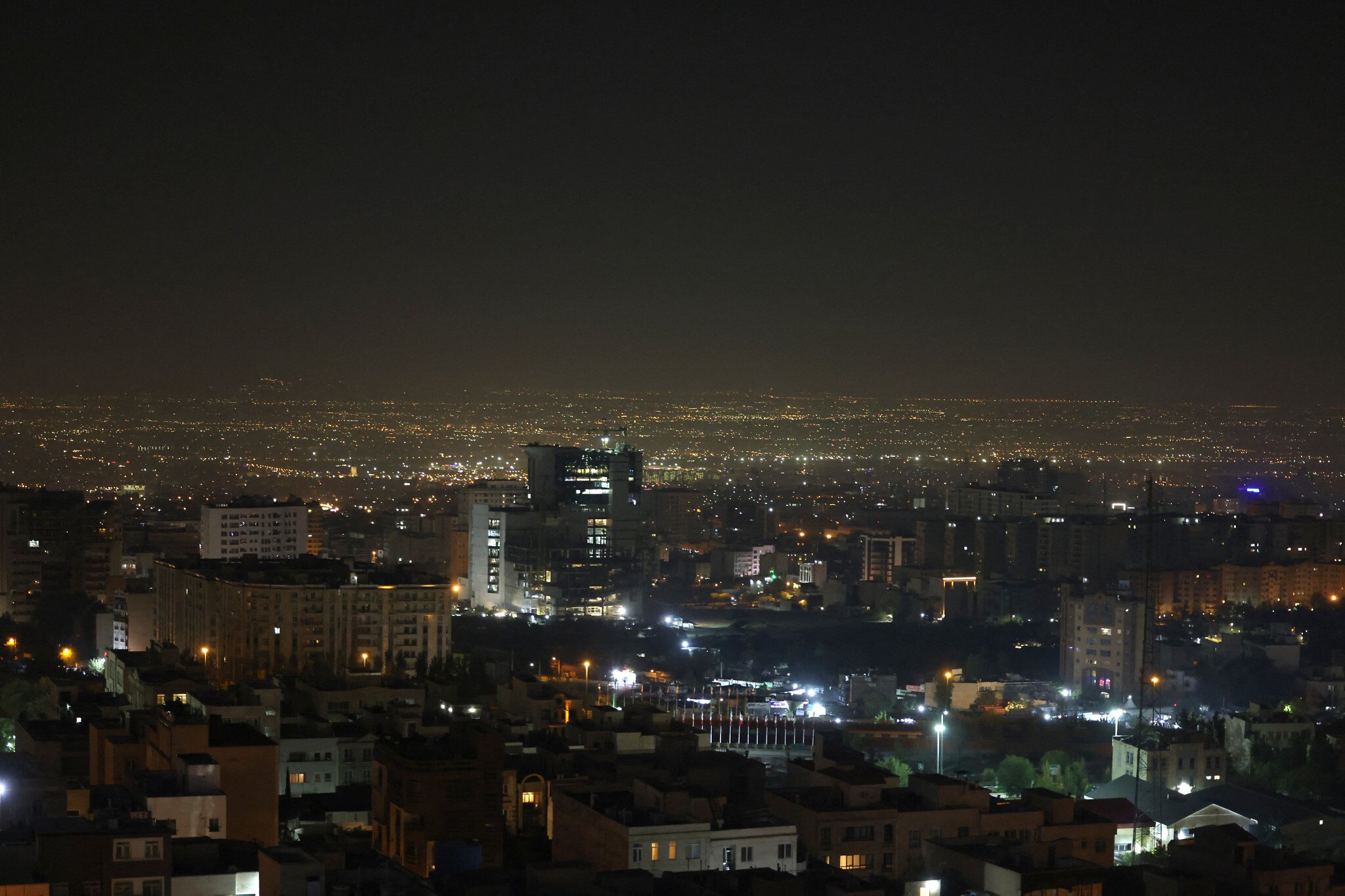
Iranian media reported multiple explosions over several hours in the capital and at nearby military bases, starting shortly after 2 a.m.
The military said later it had completed its “targeted” attacks in Iran, striking missile and drone manufacturing facilities and launch sites as well as surface-to-air missile arrays.
Targets did not include energy infrastructure or Iran’s nuclear facilities.
Iran claimed its air defense systems successfully countered Israel’s attack with “limited damage” to some locations.
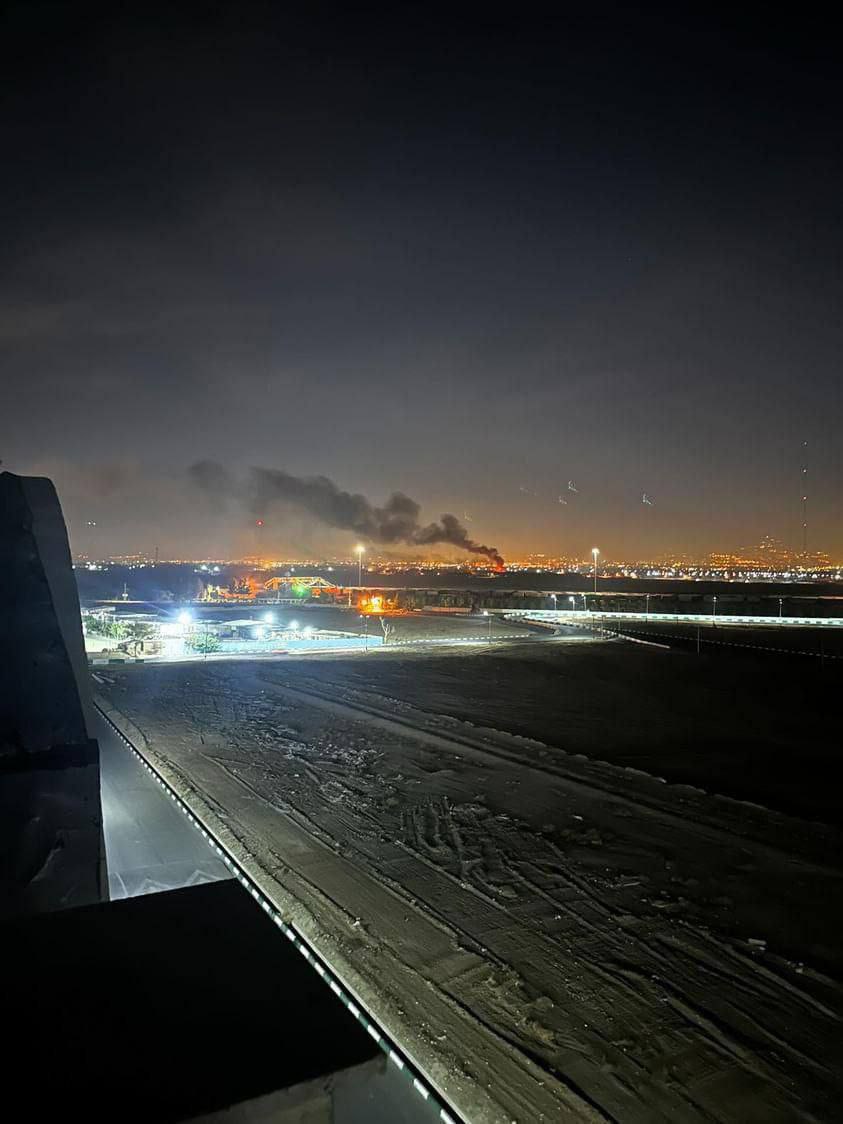
The Middle East has been on edge awaiting Israel’s retaliation for a ballistic missile barrage carried out by Iran on October 1, in which it fired around 200 missiles at Israel, sending millions of Israelis into shelters but killing only one Palestinian in the West Bank, while causing minor damage to air bases.
The rapid escalation of violence has heightened fears across the region and beyond of a wider war, pitting Israel against Iran and the allies it dubs the “axis of resistance” on multiple fronts.
Iran had in recent weeks warned that any attack on its infrastructure would provoke an “even stronger response,” while Revolutionary Guards general Rassul Sanairad said an attack on nuclear or energy sites would cross a red line.







The Times of Israel Community.