

Wartime reserve duty taking heavier toll on economy than expected, Treasury warns
Month of reserve duty costs the state an average NIS 53,000 per soldier and falls mainly on non-Haredi Jewish men aged 25-44, who tend to earn more and have children, report shows
 Add ToI as a Preferred Source on Google
Sharon Wrobel is a tech reporter for The Times of Israel
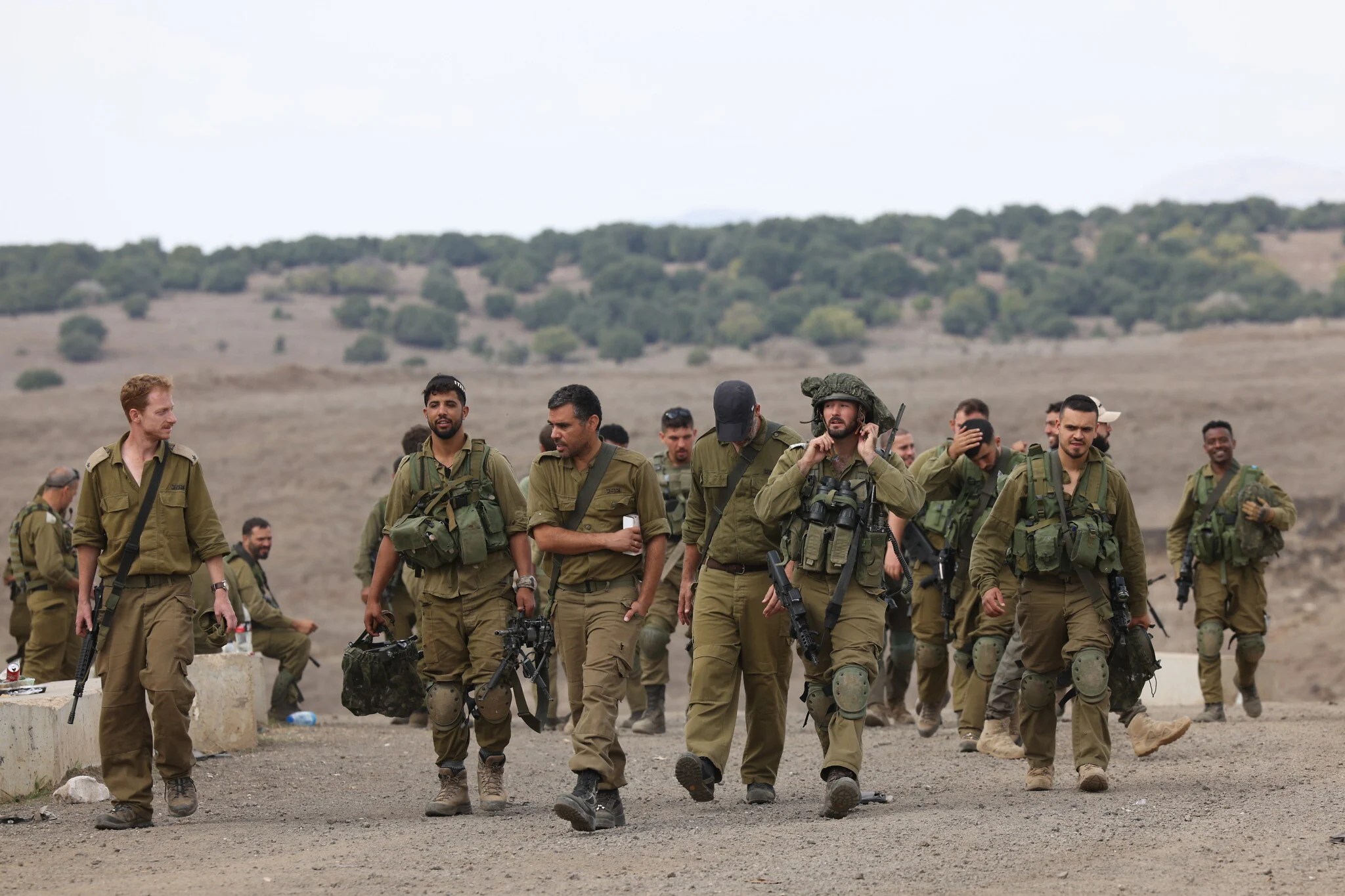
The economic cost of a reservist leaving a job for a month to perform military duty is higher than previously estimated, as the burden falls disproportionately on non-Haredi Jewish men who earn higher salaries, the Finance Ministry warned in a report released on Tuesday.
The average economic cost of a reserve soldier is about NIS 53,000 ($17,790) per month, according to the study by the Finance Ministry’s chief economist’s division. The estimate is about 10 percent higher than the previous estimate from 2024, which was NIS 48,000. The Treasury said it switched from a calculation based on the average wage in the economy to examining the actual employment characteristics and wages of reservists.
The report showed that the burden of reserve duty falls disproportionately on non-ultra-Orthodox Jewish men aged 25 to 44 earning an average monthly salary of NIS 19,000, about 42% higher than similar workers who weren’t absent due to reserve duty.
In the second quarter of 2026, about 75% of employed reservists who were absent from work were aged 25-44, even though this age group only made up about 43% of the workforce, the Finance Ministry said.
A reservist in his 20s costs the state NIS 39,000 per month, up from NIS 33,000 in the previous estimate, while one in his 30s costs about NIS 68,000 versus NIS 54,000, the report showed.
Israel’s multi-front hostilities with the Hamas terror group and Iran and its proxies that began with the devastating Hamas-led attack on October 7, 2023, have ballooned defense costs and the need for military manpower, placing heavy pressure on public debt and finances.
The direct cost of the war has been estimated at more than NIS 250 billion ($84 billion), of which about a third was allocated to funding the mobilization of hundreds of thousands of reservists for extended periods, among them many high-tech employees.
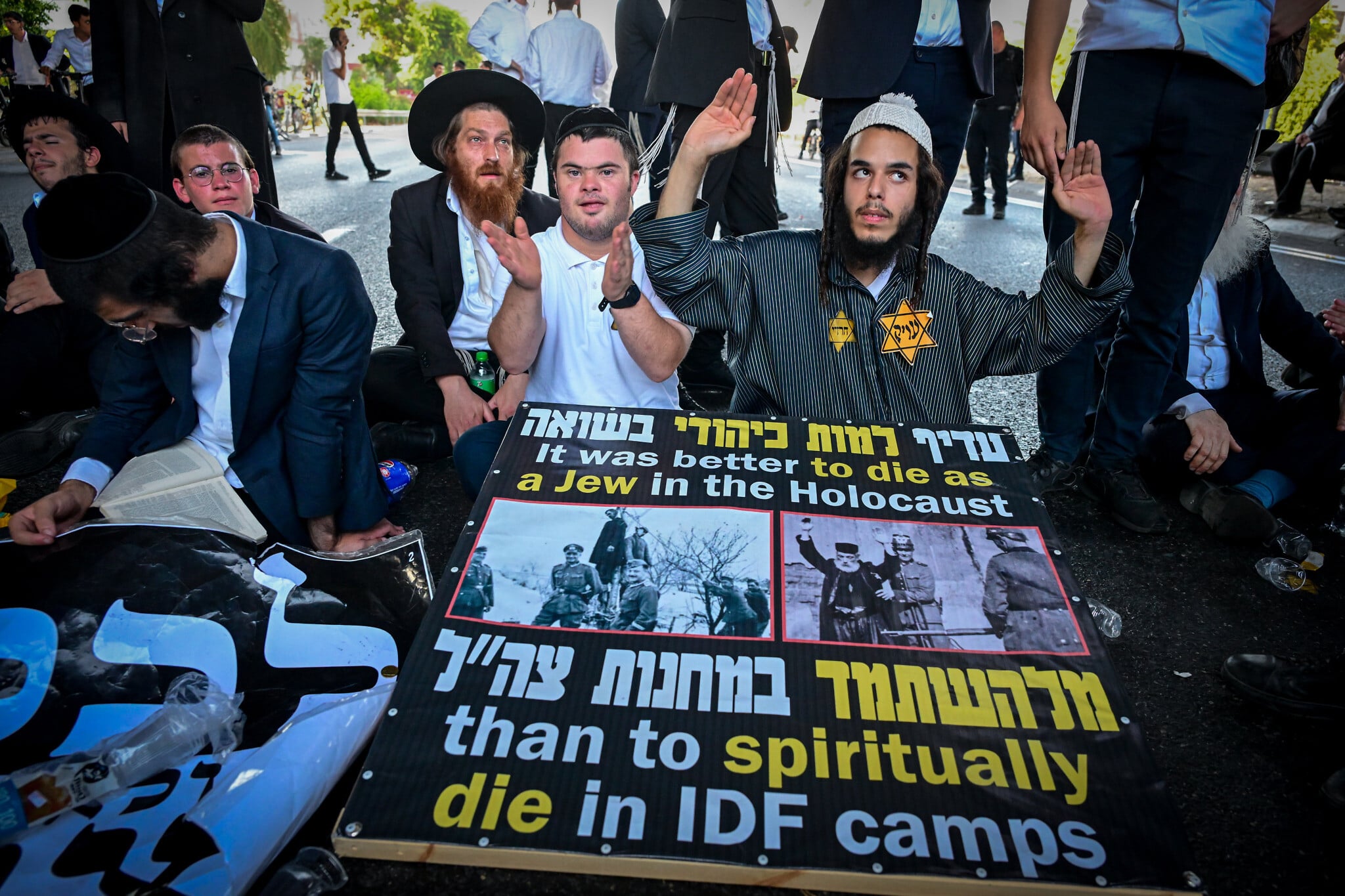
The figures come even as the government has sought to enshrine a blanket exemption from military duty for ultra-Orthodox men and passed a series of laws, which have since been frozen by the courts, that would have temporarily stopped the arrest of ultra-Orthodox draft dodgers.
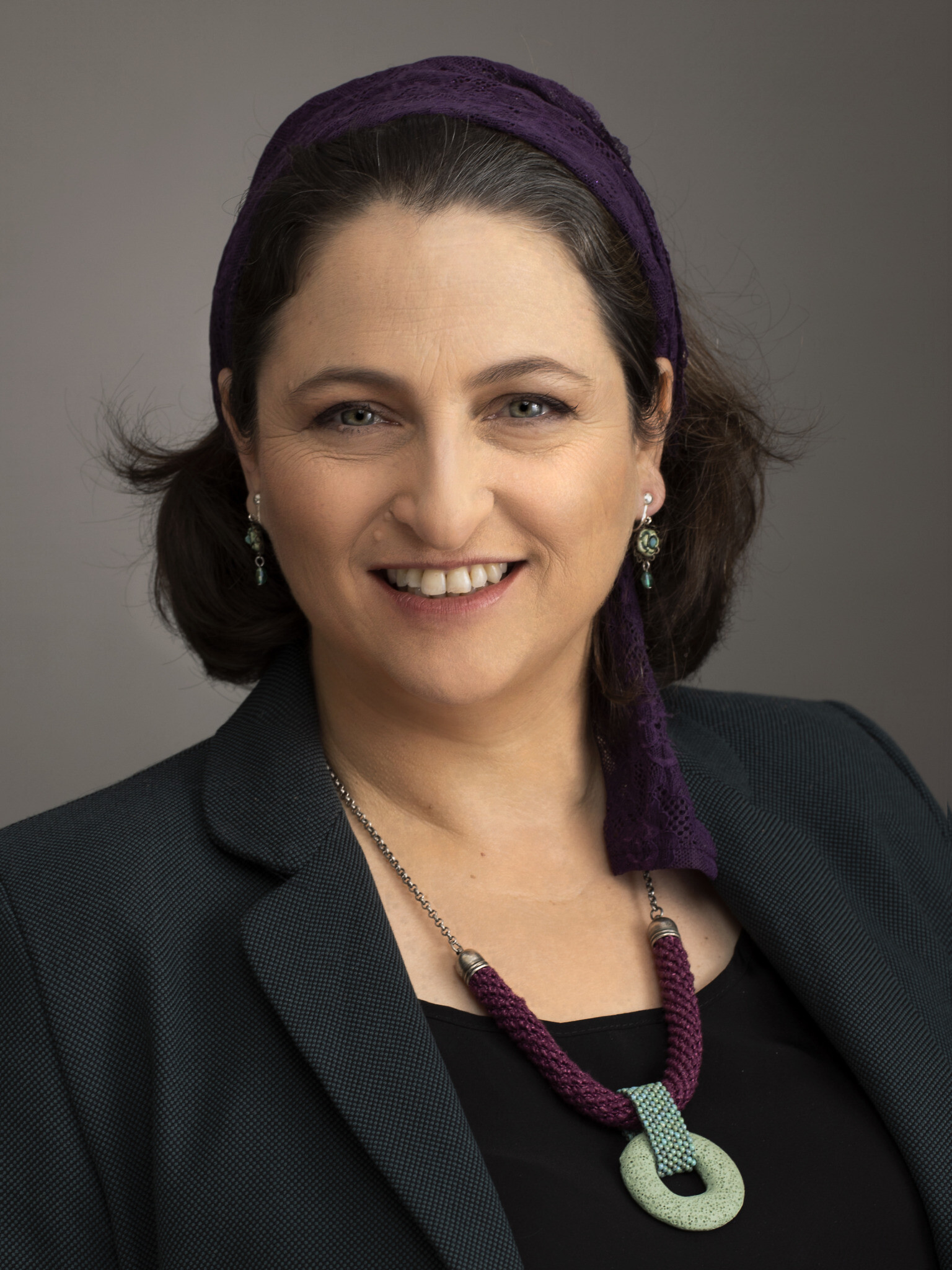
“Non-Haredi Jewish men on reserve duty aren’t from within the lowest socioeconomic strata, and their salaries are high, which is a very heavy burden for the Israeli economy,” Shlomit Ravitsky Tur-Paz, Director of Israel Democracy Institute’s Joan and Irwin Jacobs Center for Shared Society, told The Times of Israel. “But there is an alternative, which is to enlist young ultra-Orthodox men to mandatory military service, who are supposed to join the army.”
At the peak of the war, the IDF activated around 300,000 reservists, and it had previously been expected to call up some 60,000 during 2026 for routine activities. During the first year of the war, combat soldiers served an average of 136 days, and commanders served 168 days. Before the war, reservists would carry out up to 25 days of operational activity every three years.
Earlier this month, a government-requested extension of emergency military mobilization until September 30 was approved. The approval allows the IDF to call up a maximum of 240,000 reservists. Such extensions have been granted every few months since the outbreak of war in Gaza almost three years ago.
The Finance Ministry’s report found that although non-Haredi Jewish men make up only 36% of the country’s workforce, they represented about 83% of the employed who were absent from work due to reserve duty. About 70% of those absent due to reserve service were parents with children.
The report’s findings reinforce repeated calls by the Finance Ministry and the Bank of Israel to draft the ultra-Orthodox population into the military service, to save billions of shekels per year to the state’s war-hit coffers.
Some 72,000 ultra-Orthodox men aged 18 to 24 are currently believed to be eligible for military service, but have not enlisted. The IDF has said repeatedly in recent months that it urgently needs 12,000 new recruits amid the ongoing regional security threats.
“We know the costs of security are only getting higher as Israel is facing conflicts on multiple fronts,” said Ravitsky Tur-Paz. “This is not sustainable and will come at a heavy price for social services including health, welfare and education.”
Ravitsky Tur-Paz noted that a broader enlistment of ultra-Orthodox men could reduce reliance on reserve soldiers, whose cost to the economy is much higher. In contrast, the cost to the economy of drafting young Haredi men for mandatory service is very low, since in most cases the enlistment does not replace participation in the labor market. The enlistment of 7,500 Haredi men per year could generate annual savings of about NIS 9 billion within three years, according to estimates by the Bank of Israel.
“The problem that Haredim are not joining the army is not only about fairness and the fact that it’s not egalitarian,” said Ravitsky Tur-Paz. “It’s not only about military manpower and whether we will be able to meet our defense challenges, but it’s also about whether Israel’s economy will be able to shoulder the high costs in the coming years.”
Times of Israel staff contributed to this report.







The Times of Israel Community.