

Weizmann Institute helps map Moon’s shadowy sources of ice
As Artemis II loops around Earth’s satellite and NASA prioritizes ice sampling for a lunar water supply, Israeli and US scientists are examining poles’ ancient ice traps
 Add ToI as a Preferred Source on Google
Sue Surkes is The Times of Israel's environment reporter
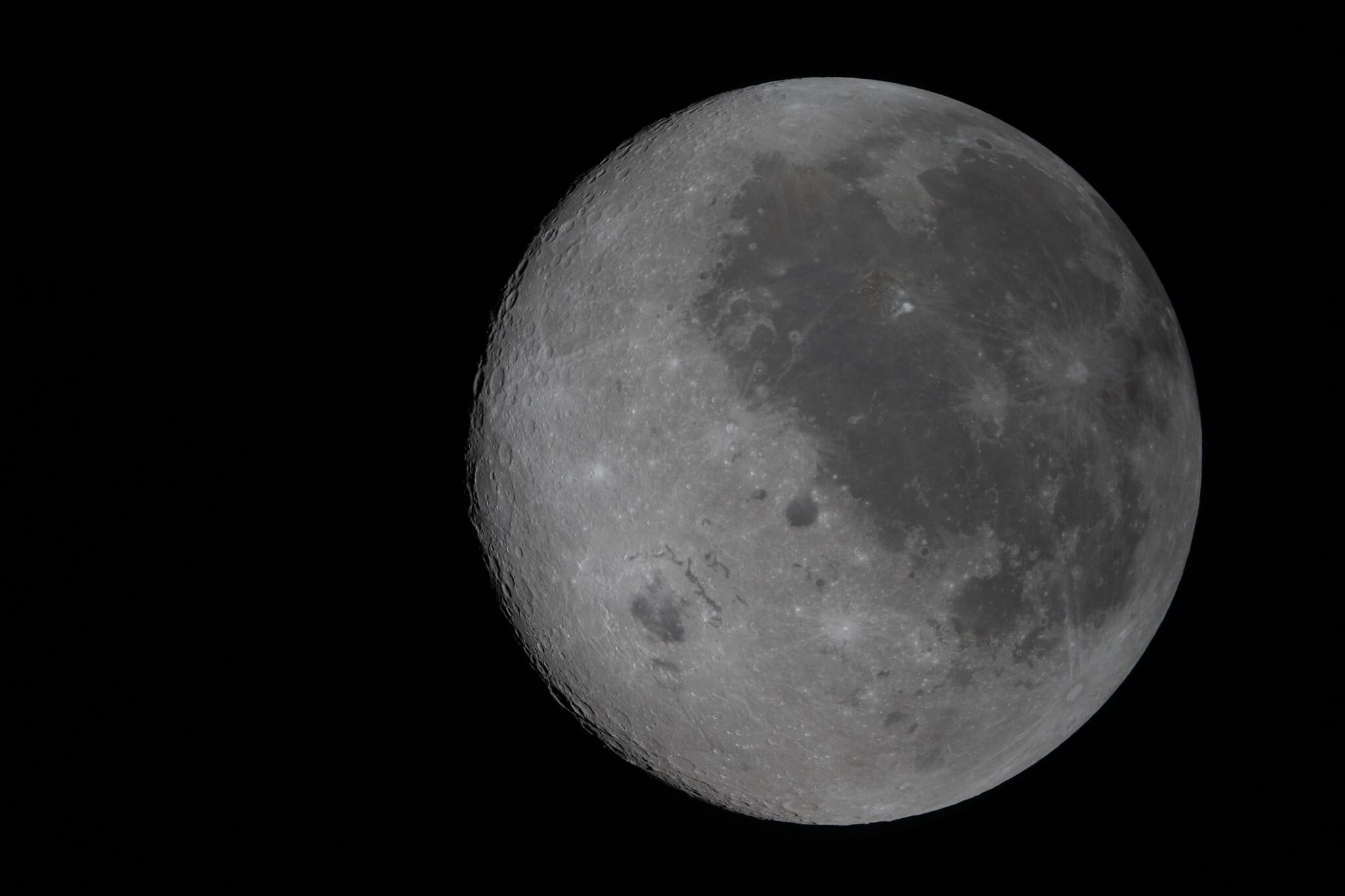
As the Artemis II crew completes its historic lunar flyby and begins its journey back to Earth, a new study is providing a critical roadmap for the next generation of explorers.
Researchers from the Rehovot-based Weizmann Institute of Science, in collaboration with the University of Colorado Boulder and the Planetary Science Institute in Honolulu, have identified ancient “cold traps” at the permanently shadowed lunar poles that have been accumulating ice for billions of years and could, one day, provide a source of water.
The study, published Tuesday in Nature Astronomy, suggests that lunar water is the result of a nearly continuous buildup. It proposes that the source of that water could be volcanic activity, solar wind, or cosmic impacts.
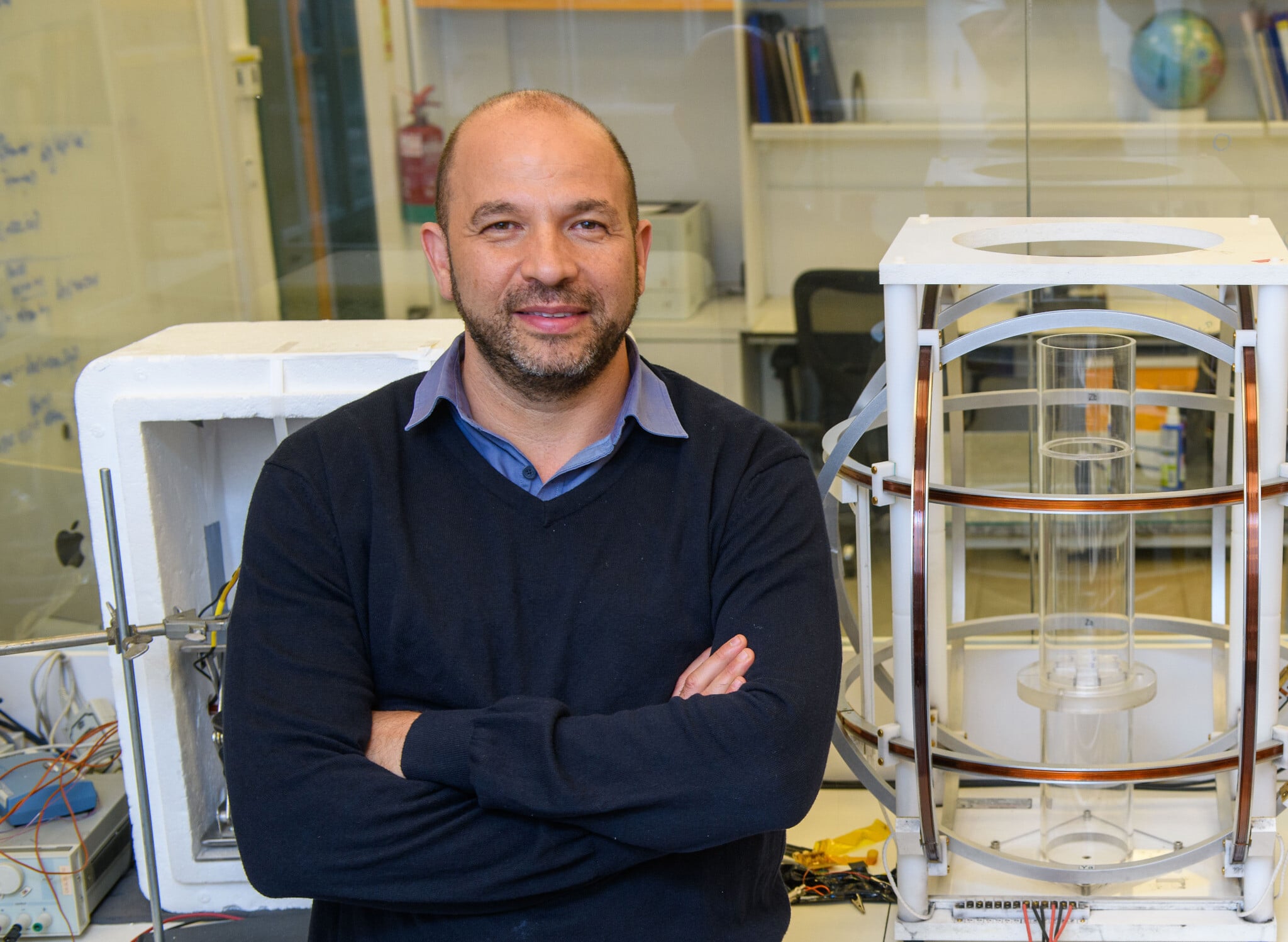
As ice reflects more ultraviolet light at certain wavelengths than the Moon’s rocky surface does, Prof. Oded Aharonson and his collaborators, Prof. Paul Hayne from Boulder and Norbert Schörghofer from Honolulu, used ultraviolet data from NASA’s Lunar Reconnaissance Orbiter to map craters with the most ice.
Data from the orbiter’s Laser Altimeter and the Lyman-Alpha Mapping Project was used to make the animation below, in which the permanently shadowed craters are colored white and light blue and the Moon’s South Pole is indicated by the black arrow.
They then combined the findings with geometric calculations.
While the Earth rotates on a tilted axis and the Sun’s position in the sky changes throughout the year, the Moon has “straightened up” over billions of years, so sunlight cannot reach and warm the deep, steep craters at the lunar poles. They remain in permanent shadow.
“We found that the earlier a region became shadowed, the larger the area that was able to accumulate ice,” said Aharonson. “This trend began at least 1.5 billion years ago and has continued even over the past 100 million years. This suggests that ice has been building up on the Moon from a nearly continuous source – or sources – rather than through a single event such as a large comet impact.”
If harvested, this ice could theoretically be processed into drinking and irrigation water, split into rocket fuel for deep-space travel, and even used to probe the history of celestial bodies.
The discovery will likely further NASA’s goal of creating a permanent manned base on the Moon, and possibly, one day, a transit point to Mars.
Locating and sampling lunar ice is one of the primary goals of NASA’s future crewed Artemis missions, scheduled to land astronauts at the Moon’s South Pole.
The study identifies several high-priority targets near the Moon’s South Pole that are more than 3.3 billion years old. These sites maintain a stable temperature of around -160°C (-256°F), ensuring the ice remains frozen and accessible for future explorers.
The last humans to walk on the Moon did so in 1972 with Apollo 17.










The Times of Israel Community.