

With Meretz wiped out of Knesset, party’s local candidates struggle to raise funds
Left-wing party was a force in municipal elections for decades, but with it now in debt and barred from subsidizing campaigns, some contenders have reluctantly dropped the brand
 Add ToI as a Preferred Source on Google
Tal Schneider is a Political Correspondent at The Times of Israel
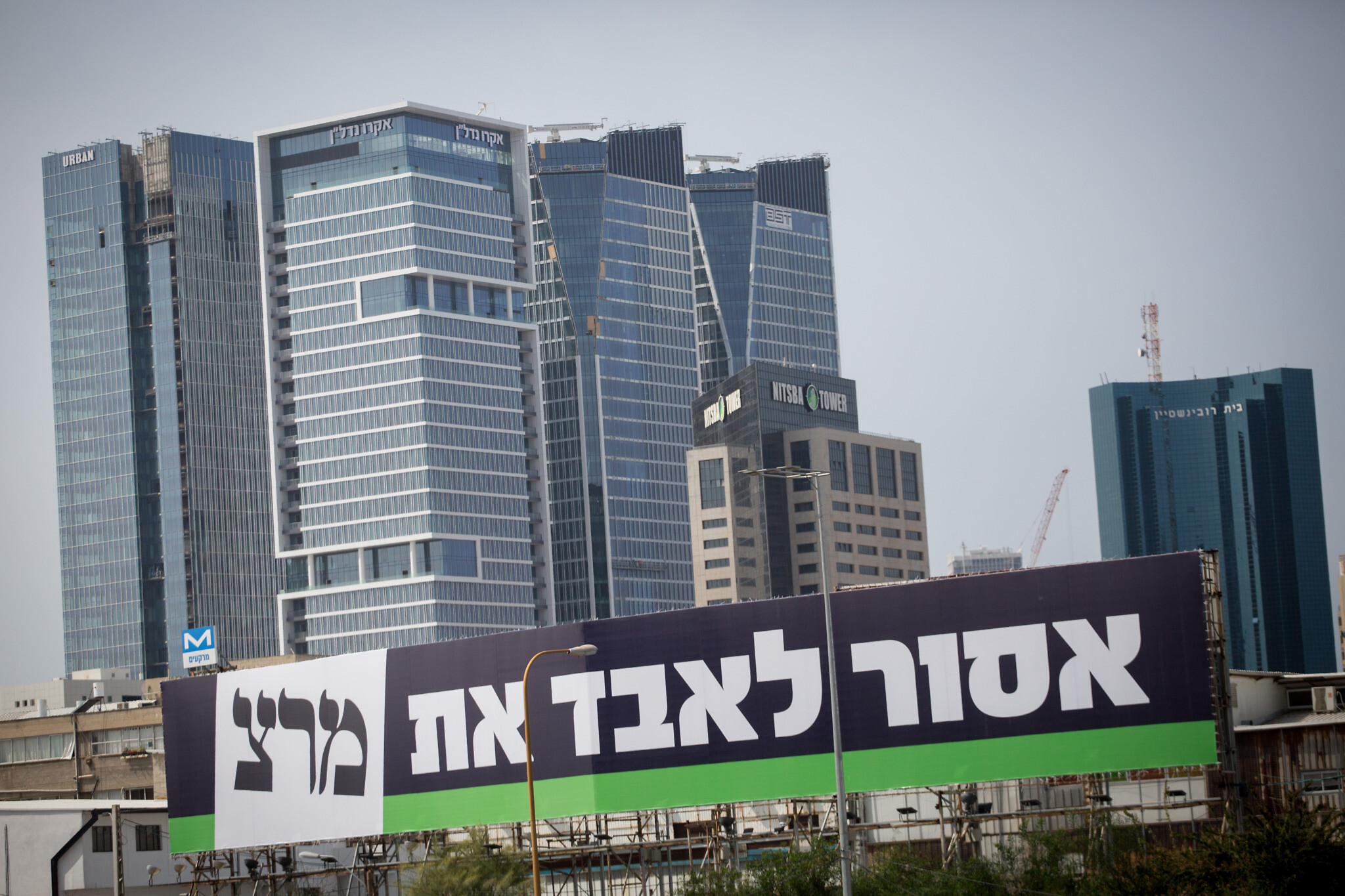
With mass demonstrations roiling the country for nearly eight months, led by activist groups concerned by the possible erosion of liberal values due to the government’s planned judicial overhaul, one would have expected the left-wing Meretz political party to be in the thick of the action.
But one would be wrong. In fact, Meretz — a pioneer on this front for decades — has almost evaporated ahead of the local municipal elections set to be held on October 31.
The judicial overhaul, of which the first piece of legislation was passed in July, has spurred hundreds of thousands of Israelis out to the streets in protest. Alongside huge demonstrations in Tel Aviv and Jerusalem, smaller municipalities have also seen significant community action, even in relatively conservative places like Beersheba.
But even as the protest movement is trying to boost liberal candidates in the mayoral elections, its efforts are hobbled by the dire financial situation of Meretz, which failed to clear the electoral threshold to enter the Knesset in last year’s elections.
After that vote, Meretz was left with a deficit of NIS 16 million ($4.2 million), the repayment of which was made harder by the absence of state funding that is granted to active Knesset parties. Additionally, parties that are not represented in the Knesset are prohibited from funding candidates’ runs for local offices.
Local parties are allowed to use the brand Meretz, but without the financial benefits that came with it in the past.
Meretz doesn’t currently have any incumbent mayors, but it does have 49 council members nationwide, with some liberal cities boasting three or four. Many of those currently running for reelection have opted not to run under a party aegis, instead creating alliances with other liberal or secular local slates or with Labor or Yesh Atid representatives.
Meretz is still allowed to advise the candidates and connect them with local activists, but it cannot give or loan them money.

In Tel Aviv, Meretz representative Meital Lehavi decided to continue to use the party logo in her campaign material. Speaking earlier this month to Zman Yisrael, The Times of Israel’s Hebrew-language sister site, Lehavi said: “In the case of Meretz, the public knows exactly what it’s getting. Everyone understands that under the sea of Israeli flags at Kaplan Square [in the anti-overhaul rallies] stand Meretz’s values.
“I feel a great sense of missed opportunity in Meretz not being in the Knesset, and I hope that we will win seats in liberal cities. We’re heading out without party funding and are working to raise money from the public,” Lehavi said. “Unfortunately, we are all paying a high price for Meretz not being in the current Knesset.”
Lehavi said that in January, she attempted to have all 49 Meretz council members around the country band together and try to jointly raise funds from the public, but that initiative didn’t work out and each candidate is now working independently.
In Jerusalem, veteran councilwoman Laura Wharton is similarly making use of Meretz branding, though the party logo appears only in a small font in her campaign material and she is formally running as part of a new faction called “Democratic Jerusalem.”
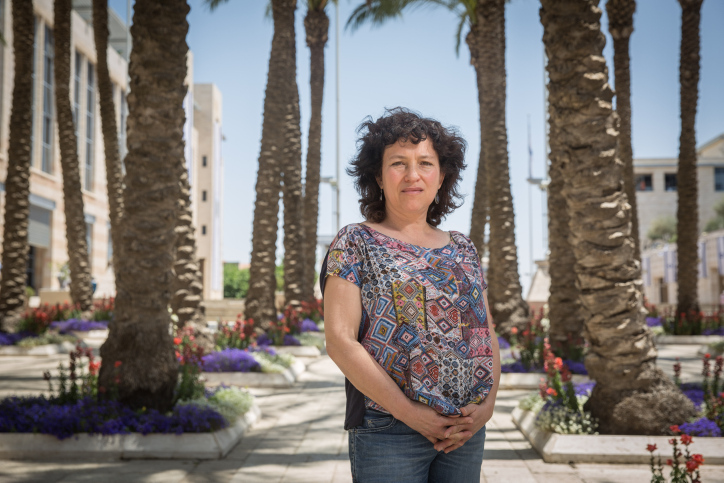
Wharton told Zman that she was optimistic about efforts to unite liberal parties in the capital into a broad bloc. But she added that she was hesitant to run solely under the Meretz name, fearing that the party’s debt could be imposed on her.
Unlike them, Kati Piasecki has dropped the Meretz umbrella in her bid for reelection to the council of the predominantly conservative and right-wing city of Bat Yam.
And Rehovot councilwoman Ital Batzir Alsheh, the former local Meretz chair, has also forgone the brand.
“It’s like opening a new business,” she said. “To my great dismay, Meretz is in major debt and no longer has money. But those who wake up in the morning with Meretz’s values don’t just disappear. I came from a Meretz home and that’s in my DNA, and it’s always with us.”







The Times of Israel Community.