

Yoaz Hendel says his ‘Reservists’ party wants government without Haredi, Arab factions
Former communication minister’s new party previously said it would sit with anyone who accepted its principles, including universal military service
 Add ToI as a Preferred Source on Google
Ariela Karmel is a political correspondent at The Times of Israel. She previously reported for Calcalist and Haaretz. She holds an MA in Middle Eastern and African History from Tel Aviv University and a BA in Political Science from the University of British Columbia.
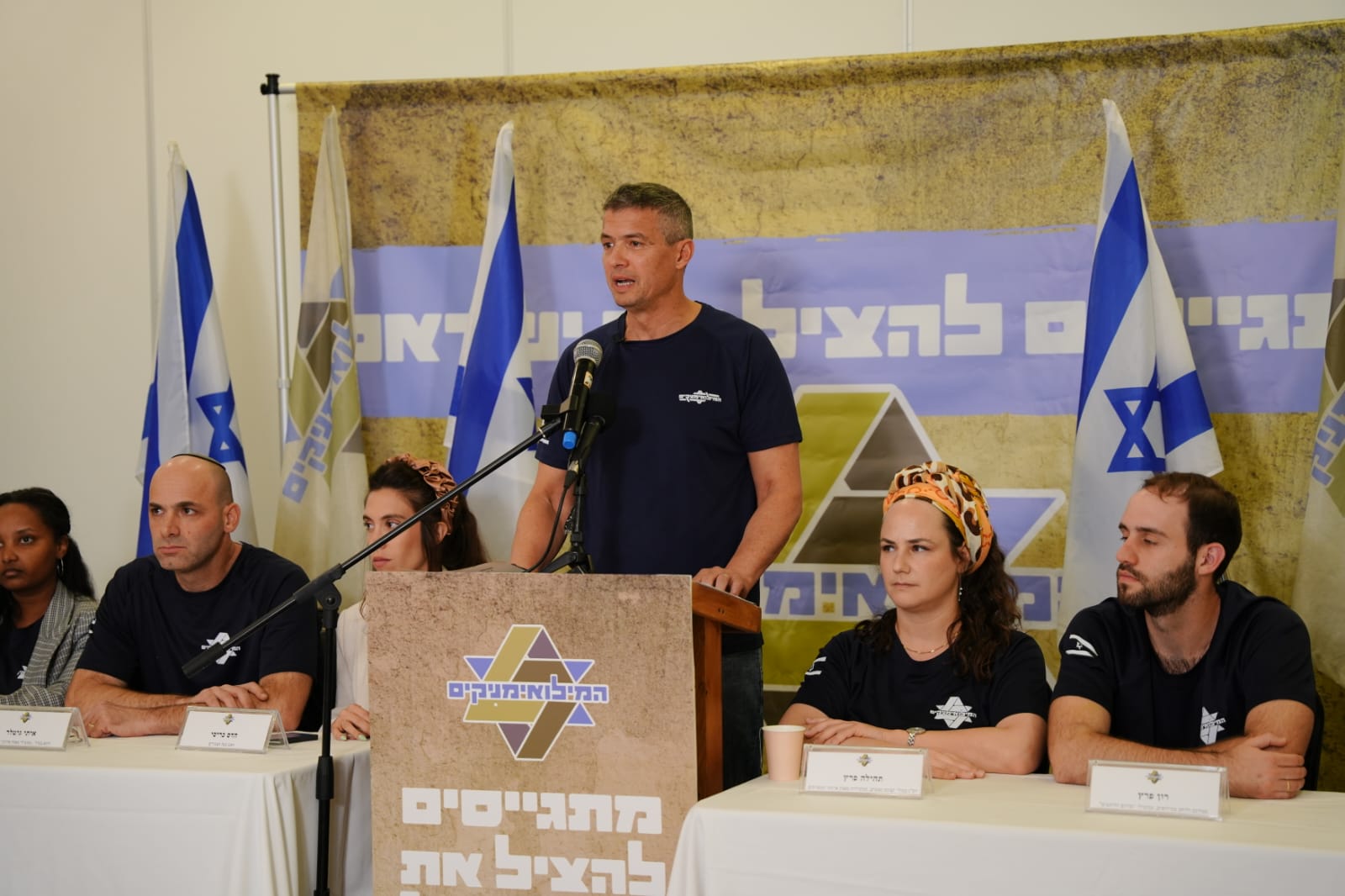
Former communications minister Yoaz Hendel said Wednesday that his new HaMiluimnikim (“The Reservists”) Party will seek to form a government that does not include ultra-Orthodox and Arab parties, marking a shift from earlier statements in which party representatives said they would not rule out sitting with anyone.
Speaking at a press conference to launch the campaign of his party, which he established in September, Hendel presented the party’s core principles, including forming what he called a “Zionist unity government without Arab or Haredi parties.”
One of the party’s founders, Yoav Adumi, told The Times of Israel in September that the party was willing to sit with anybody, from far-right Otzma Yehudit leader Itamar Ben Gvir to the Mansour Abbas-chaired Islamist party United Arab List — if they agreed to support the party’s agenda.
Hendel, who just returned from reserve duty as a battalion commander, reiterated Wednesday that the party’s central rallying cause remains passing a universal draft law, declaring that the party would open a membership drive restricted only to those who have performed military or national service.
“Anyone who chooses not to serve is choosing to be a second-class citizen. They will receive nothing from the state. They will not be allowed to vote or be elected to the Knesset,” he declared.
For the past year, Haredi leaders have sought to pass legislation that would largely exempt their community from military service, following a High Court ruling that the decades-long blanket exemptions for full-time yeshiva students were illegal.
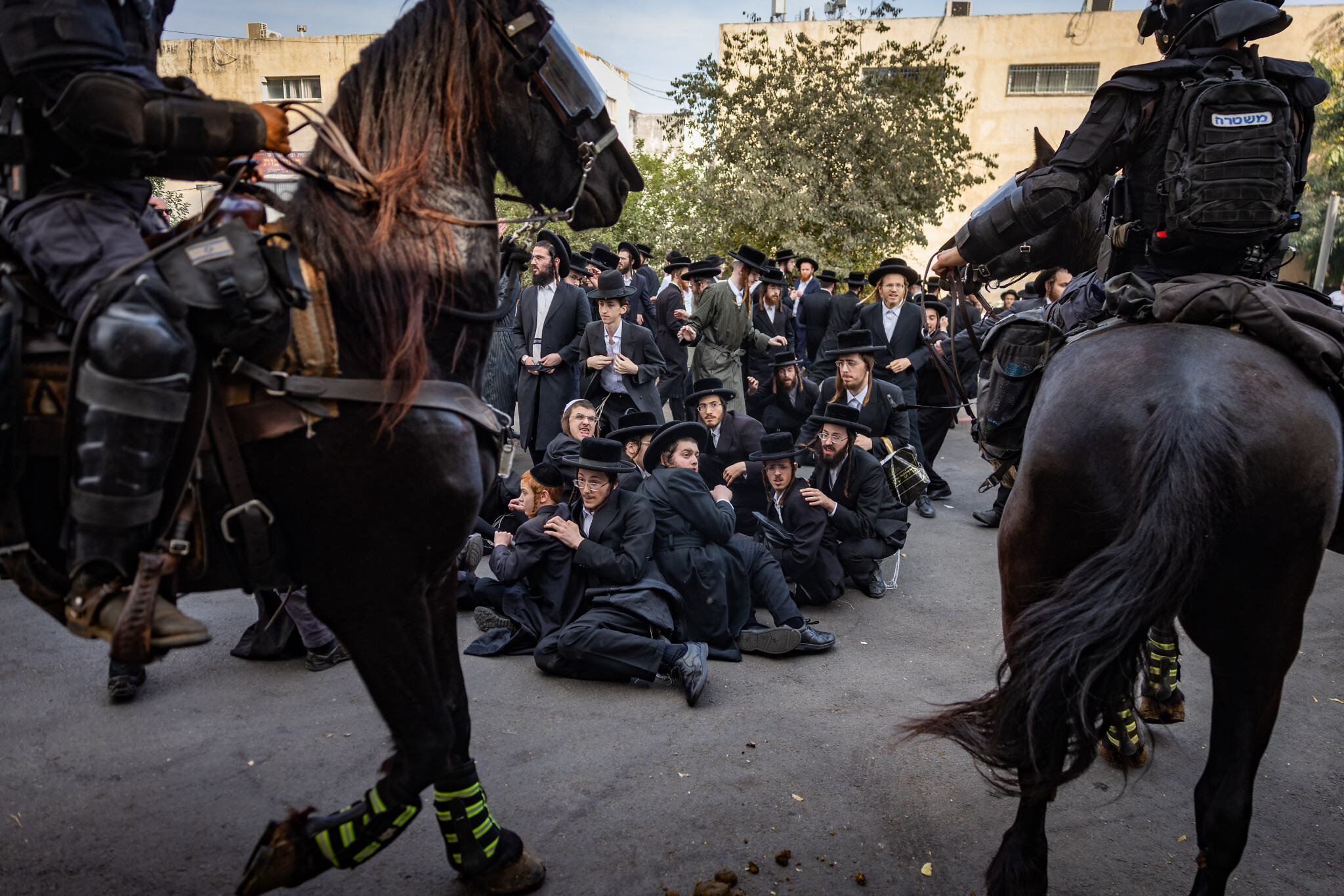
Around 80,000 ultra-Orthodox men aged 18 to 24 are currently eligible for military service but have not enlisted, while the IDF says it urgently needs 12,000 recruits due to strains from the war in Gaza and other military demands.
Hendel, a critic of the government, established his party with the aim of promoting universal military enlistment and harsh penalties for draft evasion.
He was previously affiliated with Likud, entered politics in 2019 as a member of Benny Gantz’s centrist Blue and White party, bounced between a few factions in subsequent years, and served in the cabinet between 2020 and 2022.
Other core planks in Hendel’s party platform include adopting a more aggressive security doctrine and establishing a state commission of inquiry into the October 7 attacks, which Prime Minister Benjamin Netanyahu’s government has long resisted.
Hendel has previously said that he would not rule out a partnership with Netanyahu’s Likud, and that he wished to focus on “principles and not political boycotts.”
However, he also said on Wednesday that those responsible for the October 7 failures should “go home,” and that the “only people he trusts” are those who acted to save lives following the attacks — average citizens and reservists, not political leadership.
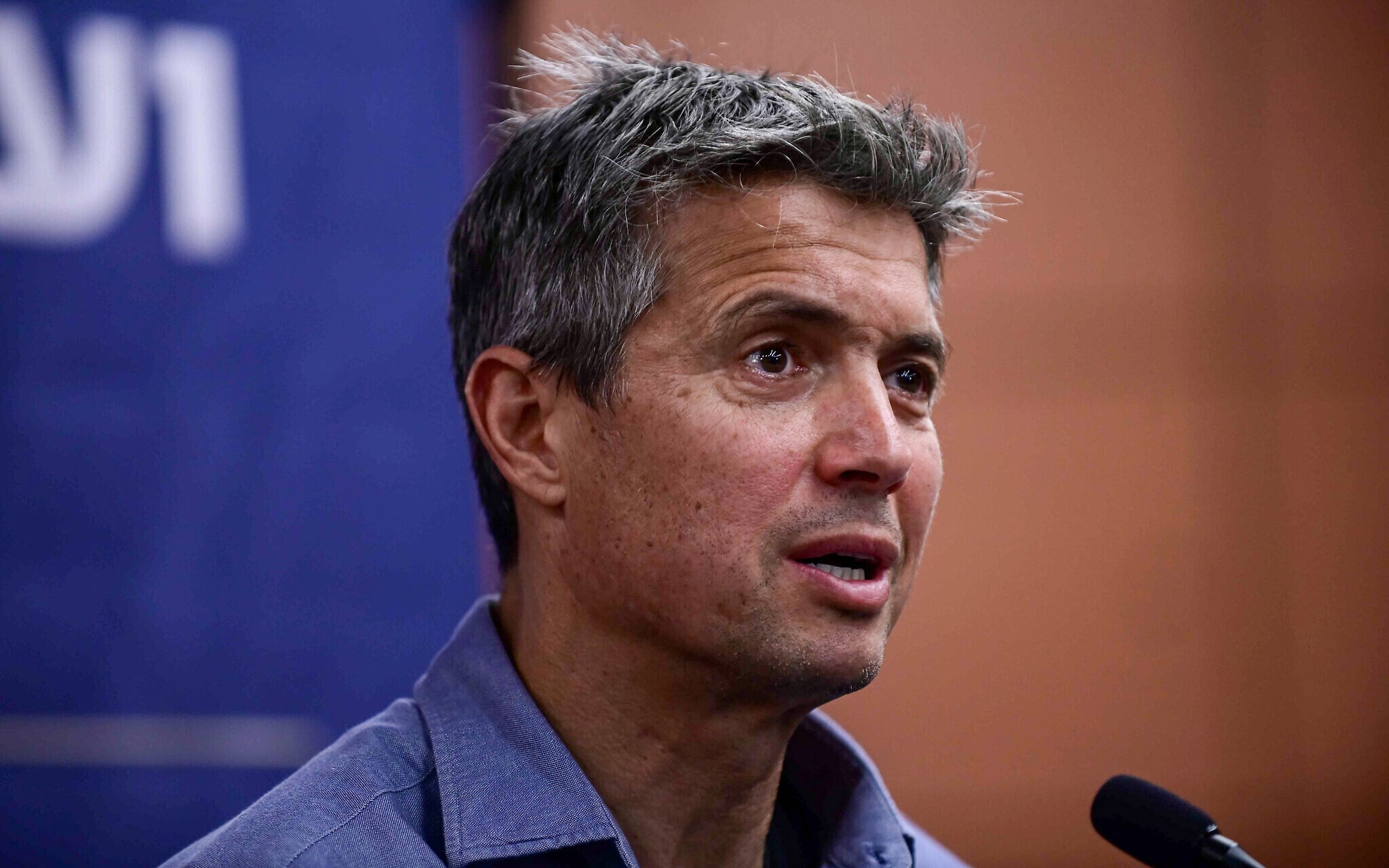
“The leadership that emerged on October 7 and since is what saves the State of Israel,” he said, referring to grassroots organizers.
When the party was launched in September, early polling — including a survey published by The Times of Israel’s sister site Zman Yisrael — projected that the Reservists could win six Knesset seats, positioning it as a potential key player. But a new Zman Yisrael poll conducted last week showed the party falling below the electoral threshold.
It remains unclear whether the Reservists will run independently, merge with another party, or run on a joint list. Hendel said that he aims for the party to “force the political system in the right direction.”
The next election is scheduled for October 2026, but could be moved up.
Sam Sokol contributed to this report.



The Times of Israel Community.