

Election Day is here — for Israelis serving abroad
Israel’s ambassador to New Zealand is first of nearly 5,000 officials overseas voting Thursday; polls close at 8 p.m. in San Francisco
 Add ToI as a Preferred Source on Google
Raphael Ahren is a former diplomatic correspondent at The Times of Israel.
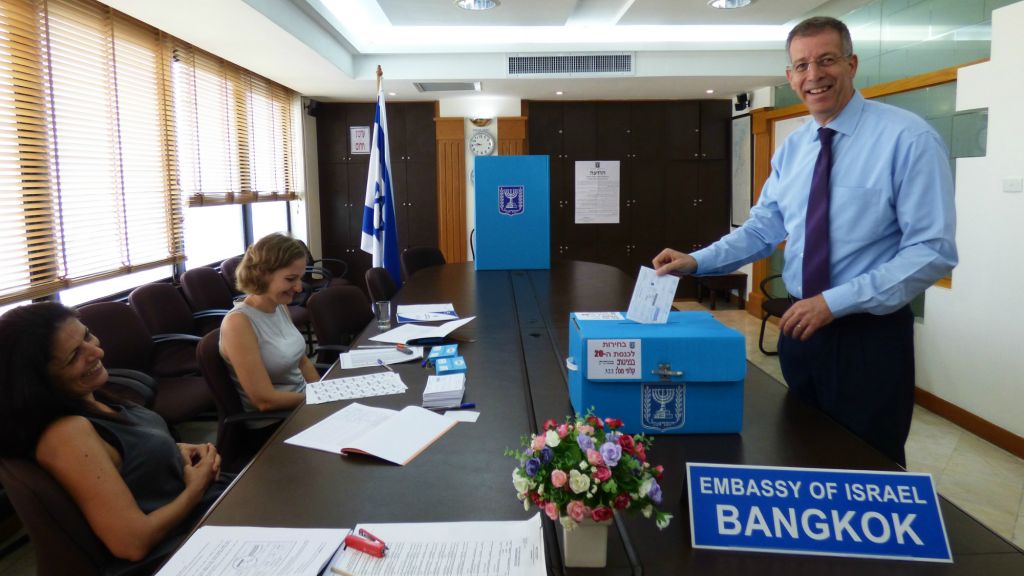
The elections for the 20th Knesset have officially begun for thousands of Israeli diplomats across the globe.
While most Israeli citizens have to wait for March 17, nearly 5,000 Israeli representatives in 96 embassies and consulates from Amman to El Salvador on Thursday had the chance to cast their ballot in time for it to be sent via diplomatic mail to Jerusalem to be counted for Election Day.
The first Israeli to vote was Israel’s ambassador in Wellington Yosef Livne, at 9 a.m. New Zealand time. The last voting station was set to close at 8 p.m. in San Francisco. For the first time, elections also took place in Israel’s new embassy in Vilnius, Lithuania, which opened only about a month ago.
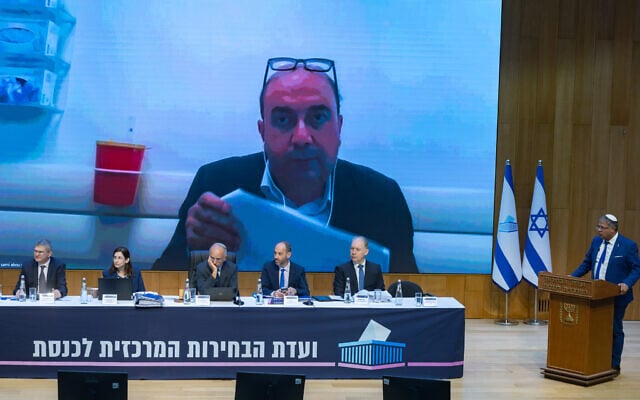
The head of the Central Elections Committee, Supreme Court Justice Salim Joubran, visited the situation room in the Foreign Ministry in Jerusalem Thursday to make sure everything was proceeding according to the rules.
“We have 11 eligible voters in Georgia and are very excited about the task,” Israel’s ambassador in Tbilisi, Yuval Fuchs, told Joubran via video conference. “Already in the morning most of us exercised our democratic right, and we estimate that soon we will reach 100% voter participation.”
Ahead of the 2013 Knesset election, some 4,300 Israeli representatives were eligible to cast their ballots from abroad; voter participation was at 87%.
The average number of ballots from an embassy or a consulate is about 40. The consulate in New York is the largest, with 700 ballots and other, smaller diplomatic offices only have a handful of eligible voters and one ballot.
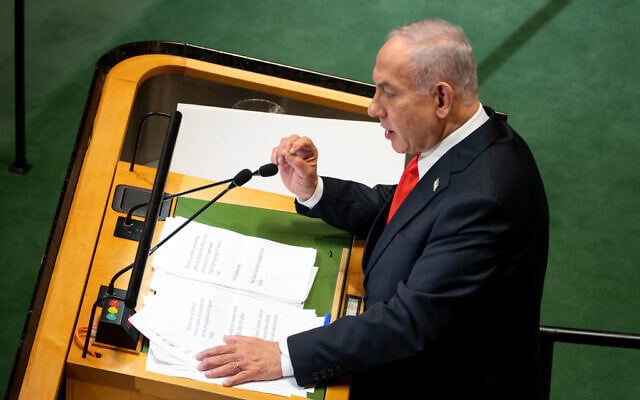
Israeli ambassador to the United Nations Ron Prosor said as he cast his ballot that “in an organization in which democracies are a minority, I am proud to represent the only democracy in the Middle East, and call on the entire Israeli public to carry out its right to vote, in a world in which it’s by no means guaranteed”.
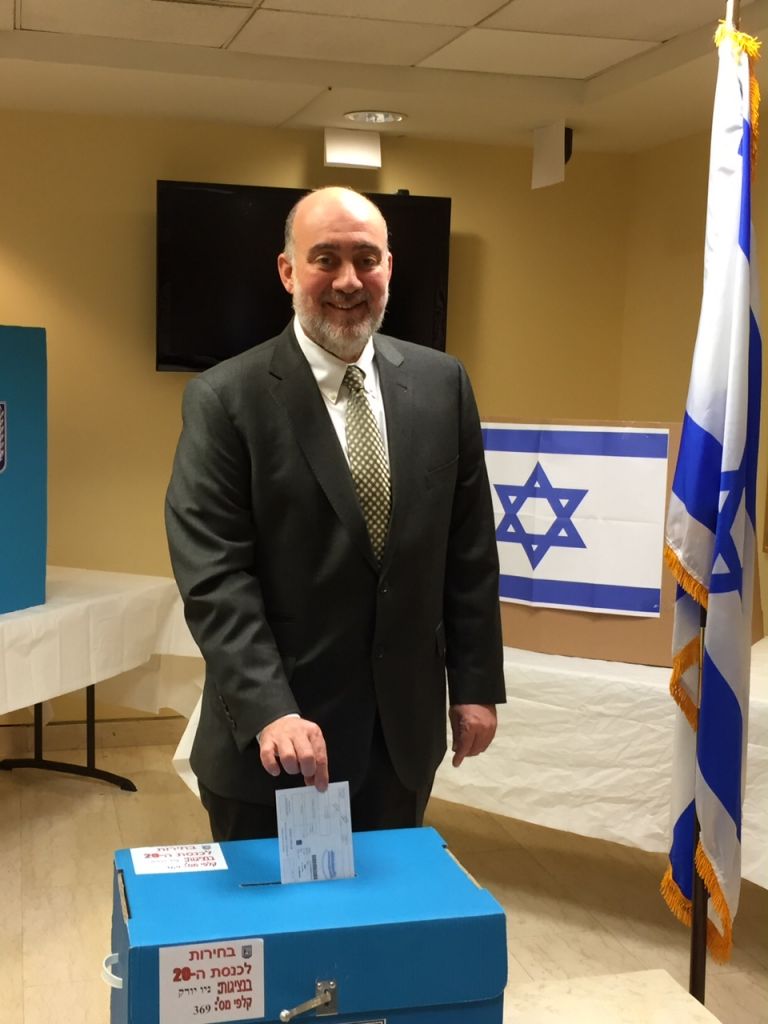
Every embassy has a sort of election committee, which usually consists of the consul and another high-ranking official, preferably not from the Foreign Ministry but a military or cultural attaché. Every voter enters the voting booth and places the ballot of his choice in a sealed envelope. He or she then exits the booth and the envelope is placed in a second envelope with the voter’s name and identity number on it.
At the end of the process, all envelopes are sent to the Knesset in Jerusalem, where they are guarded in a safe until Election Day. Members of the Knesset’s election committee will then look at the names on the envelopes and check back with the polling stations where the citizen is registered to ensure he or she hasn’t voted twice.
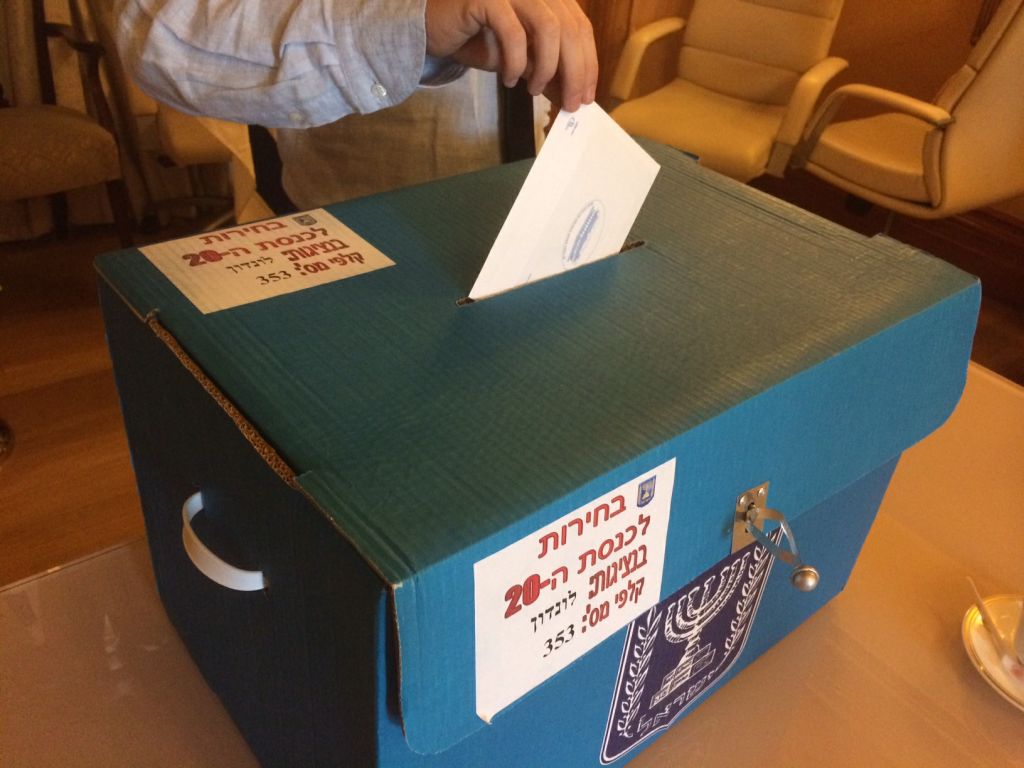
Once it has been ascertained that everything has been done properly, the first sealed envelope containing the voting slip is placed in a special ballot box, together with all the other envelopes from abroad. After the polls close in Israel and the counting starts, the diplomats’ box will be counted as well.
There are four types of “special elections”: those for diplomats and others serving the state abroad; Israeli soldiers on army bases; citizens in prisons; and hospital patients. Israelis who are on duty outside Israel’s borders were the first ones allowed to vote, but only if they were on an official mission for the state (vacation doesn’t count) and if they won’t be back before Election Day. Their spouses and children (aged 18-20) can also cast a ballot abroad.
According to Israeli law, private citizens living abroad cannot vote unless they come to Israel. But the exception made for diplomats also applies to emissaries sent abroad by the Jewish Agency, Keren Kayemet, Keren Hayesod and the World Zionist Organization.




The Times of Israel Community.