

For Israeli women at work, room for improvement
Pregnant women have most complaints about discrimination, according to stats released to mark International Women’s Day
 Add ToI as a Preferred Source on Google
Jessica Steinberg, The Times of Israel's culture and lifestyles editor, covers the Sabra scene from south to north and back to the center
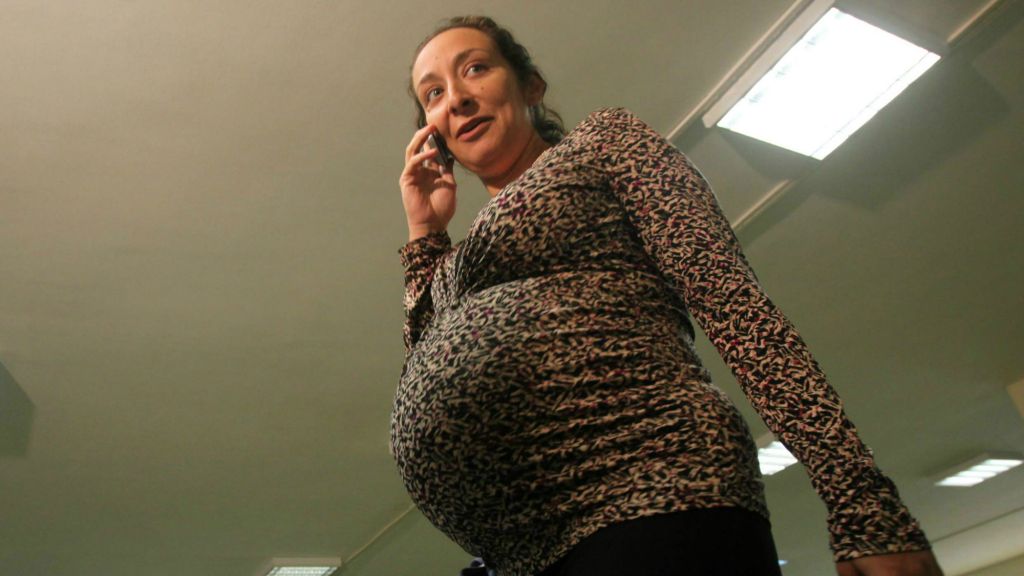
There’s room for improvement for Israeli women on the employment front, according to statistics released by Israel’s Equal Employment Opportunities Commission in honor of International Women’s Day.
Out of 781 complaints registered in 2014, the largest percentage, 33 percent, were regarding pregnancy-related discrimination, said Tziona Koenig-Yair, commissioner for Equal Employment Opportunities.
The commission was established in 2007, and is responsible for collecting information and hearing complaints from Israeli workers regarding issues of sexual harassment or discrimination based on gender, sexual orientation, parenthood, religion and race.
There was a small drop in the number of pregnancy- and parenthood-related complaints, said Koenig-Yair, but noted that that didn’t necessarily testify to a drop in the frequency of such cases.
“The decision by male and female employers to disqualify a potential employee solely because of her pregnancy, attempt to become a parent, or being a parent, conveys a message incompatible with today’s society and the Israeli labor market,” she said.
The complaints that were more characteristic of women were about gender, fertility treatments, parenthood and pregnancy, said Koenig-Yair. Some 73% of the complaints were about firings due to fertility treatments, 64% as a result of pregnancy and 28% because of parenthood. Koenig-Yair said a significant number of complainants (37%) reported discrimination in working conditions due to gender (46%), pregnancy and fertility treatments.
In contrast, most of the complaints made by men were about firings as a result of military reserve duty, race and religion.
There was also a rise in the number of women’s complaints regarding being hired for work, from 11% in 2009 to 18% in 2014, a trend that Koenig-Yair said attests to women’s increasing difficulty of integration into the labor market, because of employers’ concerns about future pregnancies and parenthood issues.
It’s an unacceptable situation, she said.
A more balanced division of parental responsibility could contribute to the reduction of discrimination against women due to bearing and raising children, added Koenig-Yair.










The Times of Israel Community.