

187 years after deadly Iran pogrom, Mashhad crypto-Jews are focus of Jerusalem exhibit
Now at Israel’s National Library, display shows how the Jewish community of Iranian city outwardly acted as Muslims for over a century after a massacre on March 26, 1839
 Add ToI as a Preferred Source on Google
Zev Stub is the Times of Israel's Diaspora Affairs correspondent.
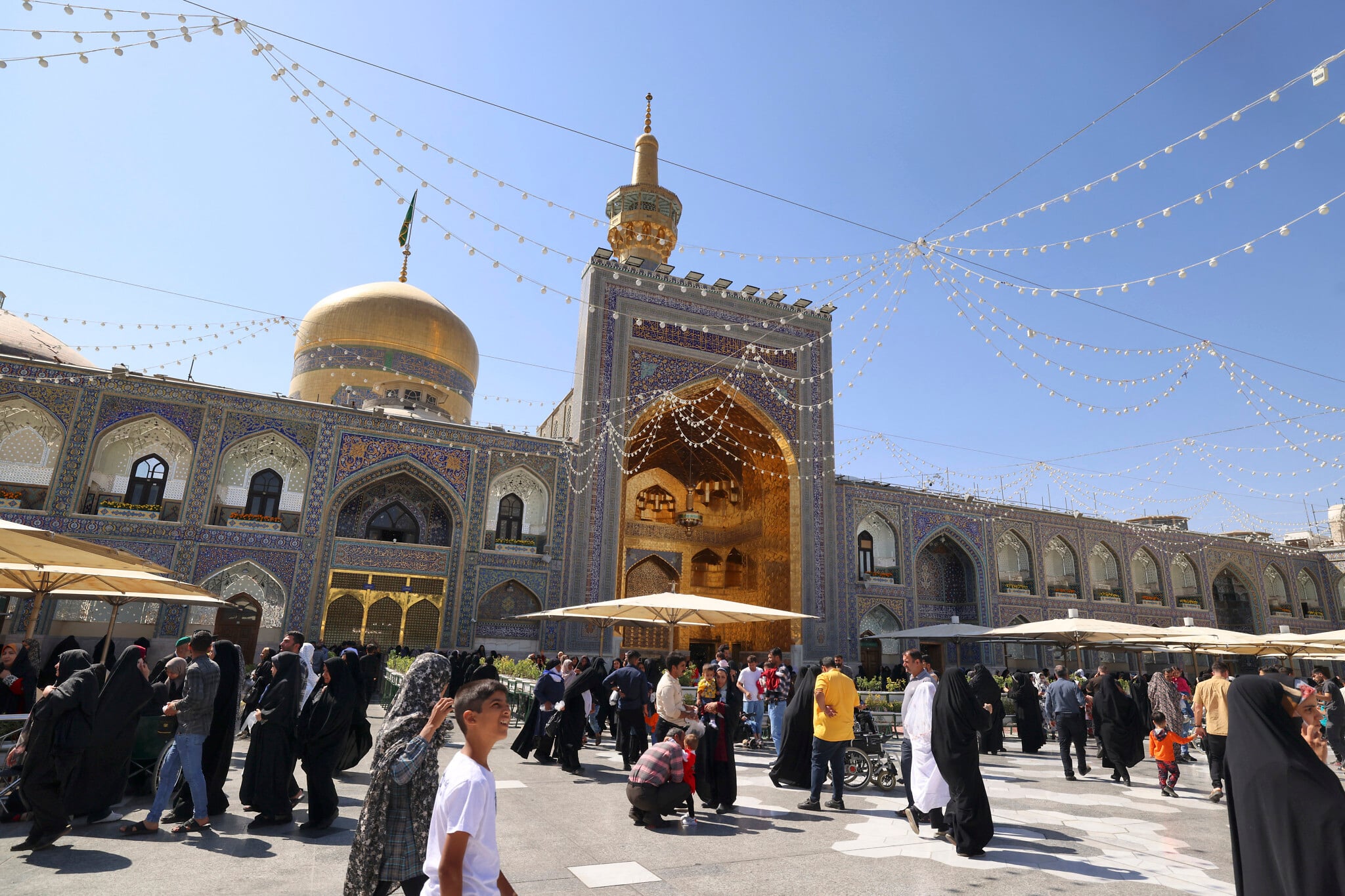
A blood libel and massacre 187 years ago in northern Iran led to the forced conversion of a small Persian-Jewish community to Islam. For more than a century, however, they continued to keep their faith in secret, maintaining the Jewish traditions as crypto-Jews.
The Allahdad pogrom of March 26, 1839, in the city of Mashhad, is the subject of a new collection of historical objects curated at the National Library of Israel. The library is closed to the broader public due to Home Front Command security regulations during the war with Iran, so the artifacts cannot currently be viewed in person.
However, sharing their story is particularly important during Israel’s war with the Islamic Republic, said Chaim Neria, curator of the Haim and Hanna Solomon Judaica Collection at the National Library, who put together the collection.
“Many pogroms against Jews have been recorded in history in Islamic countries — and, of course, Christian countries — but stories of forced conversion are very rare,” Neria said. “Fortunately,” he added, “this tragedy has a sort of happy ending, like the Passover story, with the restoration of Jewish life in the land of Israel.”
The Imam Reza shrine in Mashhad, believed to be the burial place of a descendant of the Islamic prophet Muhammad, is considered a holy site to Shiite Muslims, and Jewish settlement was long forbidden within the city. But in the 18th century, Emperor Nader Shah (1688-1747) sought to turn the city into a commercial hub, and he invited a small Jewish community to live there, according to information provided by the National Library.
He was assassinated shortly afterward, however, and the Jews were permitted to settle only in a small quarter outside the city walls, leading to nearly a century of constant tension.
On March 26, 1839, those tensions erupted into violence. There are different accounts of exactly what sparked the attacks, but they all indicate a misunderstanding regarding the corpse of a dog, considered impure in Islam. (An 1845 travelogue by Anglican missionary Joseph Wolff records that the riots broke out after a doctor advised a woman to heal her sore hand by killing a dog and putting her hand in its blood.)
Whatever the reason, riots escalated quickly, and between 30 and 40 people were murdered, Jewish homes and businesses were looted and burned, and young Jewish girls were forcibly married to Muslims. According to legend, the community’s seven Torah scrolls were seized by Shiite clerics and hidden within the walls of the Imam Reza Shrine, where they remain to this day.
The next day, the remaining members of the community, which Wolff said numbered about 150 families, were given the ultimatum to convert to Islam or die, and they collectively recited the Shahada, the Islamic oath and creed. It is said that some wryly mumbled “Musa” (Moses) in place of “Muhammad” in order to sustain their identities, Neria noted.
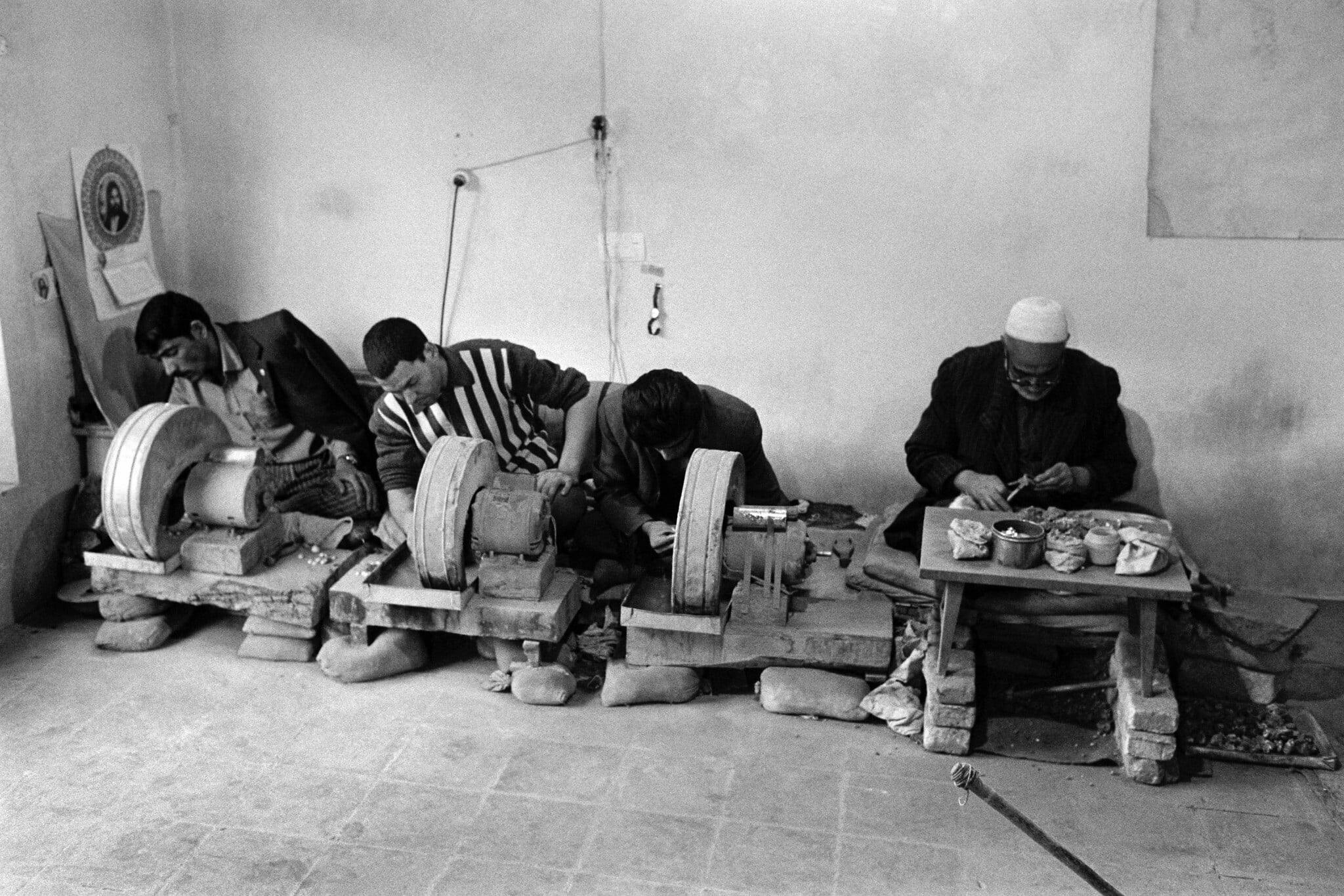
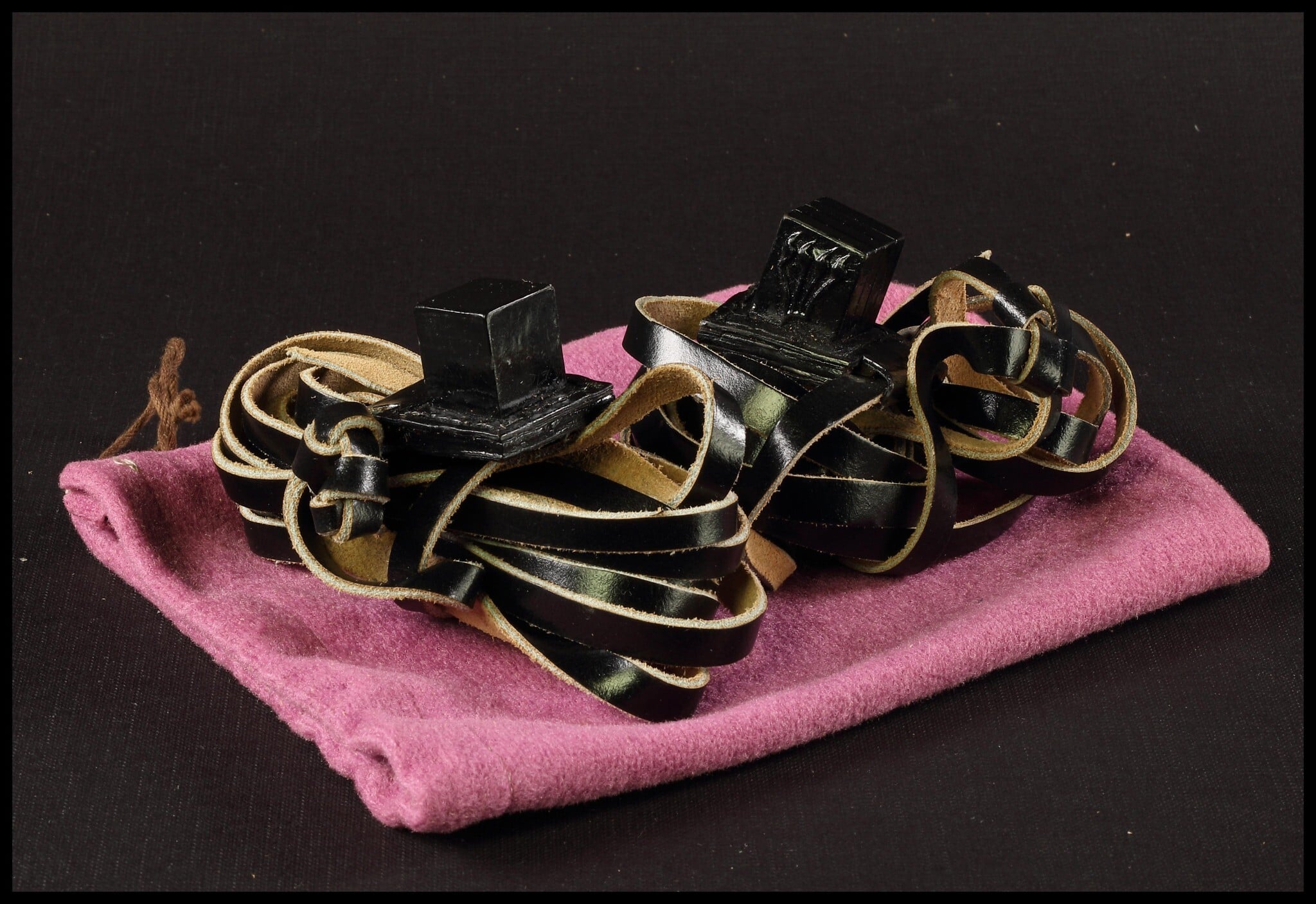
From then on, these Jadid al-Islam (“new Muslims”) led double lives, like the conversos of the Spanish Inquisition, appearing outwardly as devout Muslims but maintaining Jewish traditions in secret, according to information provided by the National Library. Members of the community would fast during Ramadan, attend prayers at the mosque, and dress in traditional Muslim attire. At home, meanwhile, they observed Shabbat, performed clandestine kosher meat slaughter, baked matzah secretly for the Passover holiday, and prayed behind closed doors and shuttered windows.
These crypto-Jews went to surprising lengths to maintain an elaborate deception, Neria said. Often, they would purchase non-kosher meat in public, only to dispose of it later secretly. Business owners would open their shops on Shabbat but avoid handling money, with some even bandaging their hands to claim they were injured.
Women were frequently the primary guardians of Jewish life in Mashhad, ensuring the observance of laws in the house and seeing to the religious education of children, according to information provided by the National Library. Often, they were also called upon to serve as the smugglers of kosher meat or religious items as well.
At birth, children were given two names: an official Muslim name and a secret Jewish one, according to information provided by the National Library. Children were often betrothed to others in the community by age four or five so that, if a Muslim man sought a Jewish girl for marriage, her family could claim she was already engaged.
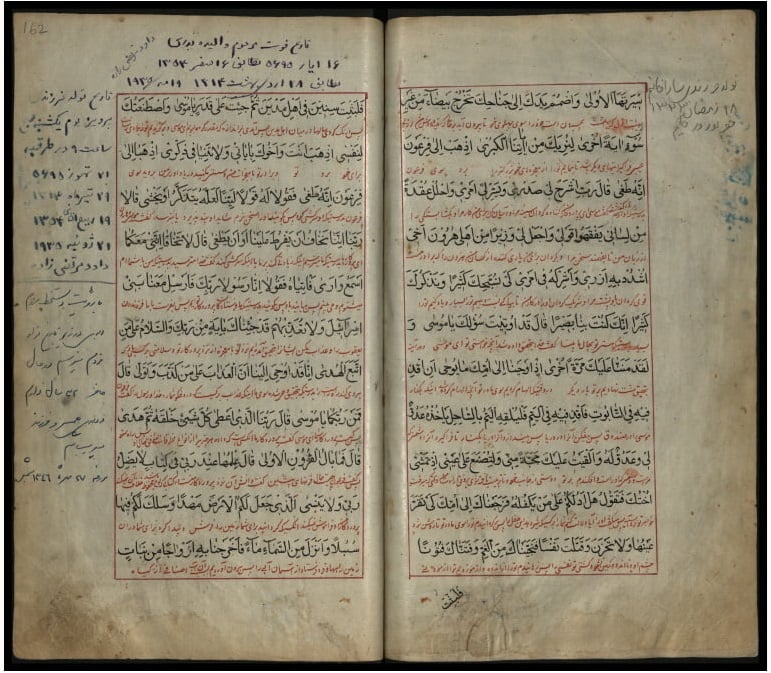
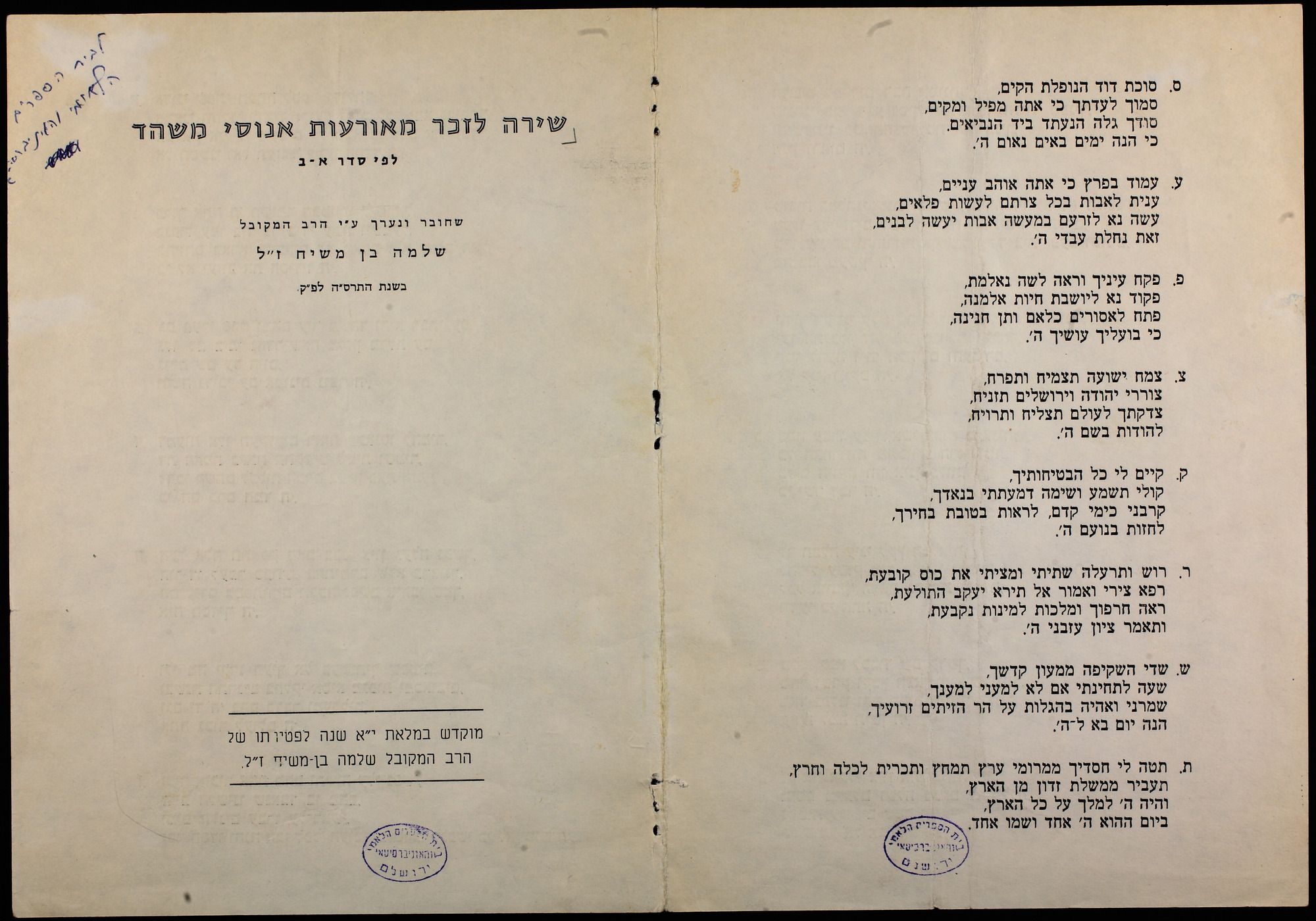
A piyyut, or liturgical poem, telling the story of the Mashhad Jews was written by a member of the community, Rabbi Shlomo Mashiach, when he arrived in Israel in 1906. The poem, included in the prayer book of his teacher Mulla Mordechai Akler, follows the order of the Hebrew alphabet.
With the rise of the more liberal Pahlavi dynasty in 1925, Mashhad’s Jews were able to start practicing their faith more openly, and in the decades following World War II, the last members of the community left the city and emigrated, primarily to Israel and the United States.
When they first arrived, there was some debate as to whether the Mashhadi community should be recognized as Jewish, but they were ultimately accepted, Neria noted. There are currently an estimated 20,000 Mashhadi Jews, of which about half live in Israel, Neria said.
In Jerusalem, the community’s main synagogue was established by Rabbi Adoniyahu HaKohen in 1901, after he came to Jerusalem after making the Hajj pilgrimage to Mecca. In the US, many live in Great Neck, New York.
“This is a fascinating and very important story for all Jews to be aware of, especially at this time,” Luria said. “Most of Iran’s history doesn’t revolve around religious extremism, but it is important to understand that it didn’t just start with the Islamic Revolution.”







The Times of Israel Community.