

A boundary-pushing male model tests gender norms in a changing Saudi Arabia
Ziad al-Mesfer, 25, has millions of Snapchat followers and has captured the attention of luxury brands in the conservative country where dressing as a woman is forbidden
 Add ToI as a Preferred Source on Google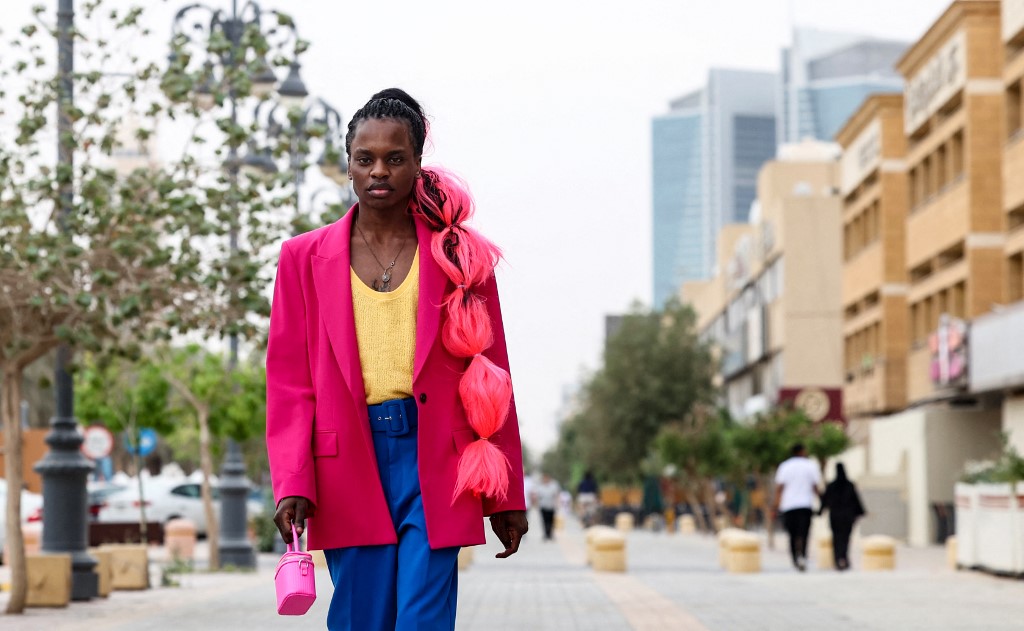
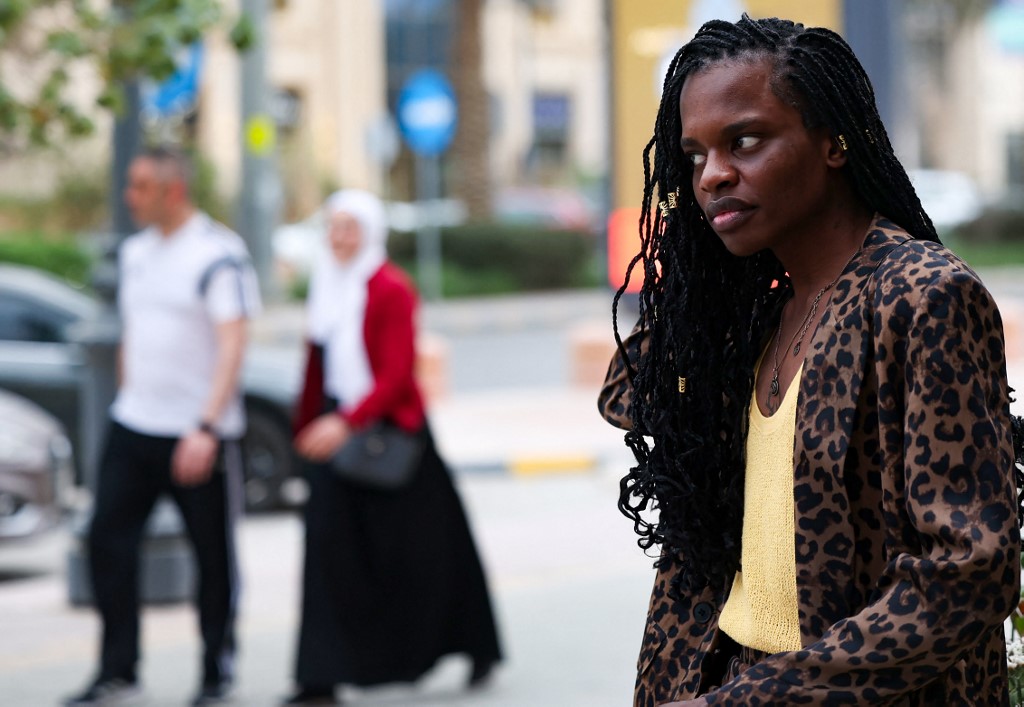
RIYADH, Saudi Arabia (AFP) — With his hot pink hair extensions and leopard print pantsuit, model Ziad al-Mesfer was bound to turn heads during his recent public photo shoot in deeply conservative Saudi Arabia.
Passersby began sneaking pictures on their mobiles merely minutes after Mesfer emerged from his white luxury car onto the cobbled sidewalks of a high-end cafe district in Riyadh, his stylist and photographer in tow.
Such appearances have helped Mesfer, 25, build a massive social media following while blazing a trail for the handful of Saudi male models brave enough to don garments widely seen as appropriate for women only –- thereby pushing the boundaries of their country’s famously rigid gender norms.
In the process, he has endeared himself to expensive brands keen to profit from a spectacle that would have been unthinkable before Saudi Arabia embarked on a whirlwind series of social reforms ushered in by Crown Prince Mohammed bin Salman.
Yet Mesfer’s approach carries considerable risks.
Along with ardent fans — mostly bubbly teenage girls who follow him on Snapchat — the crowd gawking at the recent Riyadh shoot included one irate middle-aged man who got out of his car to denounce Mesfer as “gay,” a potential capital offense in Saudi Arabia.
The desert monarchy also traditionally forbids men who “imitate women” or wear women’s clothing, and vice versa.
Mesfer does not identify as gay — he intends to marry a woman one day — and explains he is simply following global brands’ embrace of androgynous fashion.
And despite occasional harassment in-person and online, he told AFP he has no plan to leave Saudi Arabia or modify his look.
“It is better for me to stay in my country and wear these clothes,” he said, “not wait for a trip abroad to go outside in a bold outfit.”
Born into a Riyadh-based family, the eldest of six children, Mesfer started to develop his sense of style from a young age.
“I used to dress my mom, my aunts and my relatives. I used to love styling them,” he said. “My mom used to consult me regarding these things, so I became more interested in women’s fashion.”
He only dreamed of going public with his talents after Prince Mohammed began trying to soften the kingdom’s image, including by expanding entertainment options and easing rules that required women to wear the abaya, an all-covering robe, and hijab headscarf.
Around two years ago, Mesfer started modeling outfits online using the relatively safe medium of Snapchat, which automatically deletes posts once they are viewed.

Today he boasts more than two million Snapchat followers and another 200,000 on Instagram — the kind of clout that has captured the attention of brands including Prada and Dior.
When Gucci opened a new boutique in Riyadh last month, staff made sure to invite Mesfer to view the inventory, said senior saleswoman Loulwa Mohammed.
“It’s very important to invite him, because when we invite him and take a video or picture of him wearing any item, it sells directly,” Mohammed said. “All Saudis — old women, young girls — all of them, they are watching him.”
Even as other male models and would-be influencers follow his lead, Mesfer remains in a class by himself.
“He is number one,” said a sales associate at Prada who, like others interviewed for this story, declined to be named because of the topic’s sensitivity.
Yet several fashion professionals said Saudi’s limited acceptance of Mesfer should not be misconstrued as a blanket endorsement of his behavior.
Instead, they said Mesfer, who earns money partly through online ads, enjoys protection because he works with luxury brands and mingles with local celebrities who invite him to their events.
“We see him as a model, as a kind of artist, so we can’t judge him,” Gucci’s Mohammed said. But she added: “Sometimes the reaction is negative. Saudi is a Muslim country. I wouldn’t want to see my brother doing the same thing.”
This conflicted perception of Mesfer is on vivid display in the comments on his Instagram page.
In response to a February post in which Mesfer paired a bright red coat with a skin-tight purple turtleneck, one user wrote “may God forgive us” while another wrote, “I am deleting Instagram after seeing this.”
Another user, though, was encouraging: “Ziad, keep going, I love you, take care of yourself for the people who love you and do what you love, and do not care about any words.”









The Times of Israel Community.