

After Venezuela raid, protest-hit Iran wary of possible US plot against its rulers
Expert warns Washington should be careful if thinking to carry out similar attack, with IRGC capable of strong response, and Tehran still in possession of nuclear material
 Add ToI as a Preferred Source on Google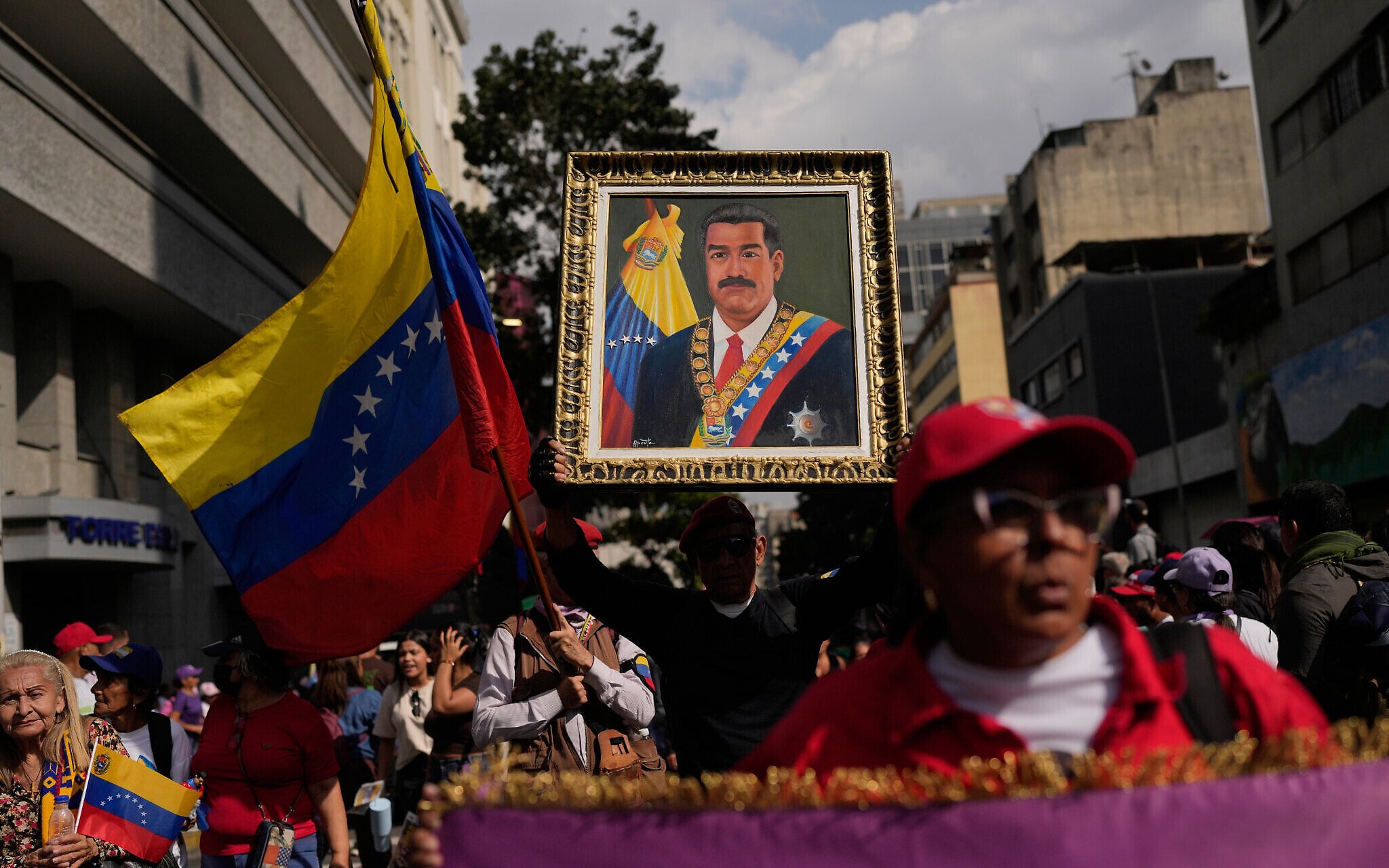
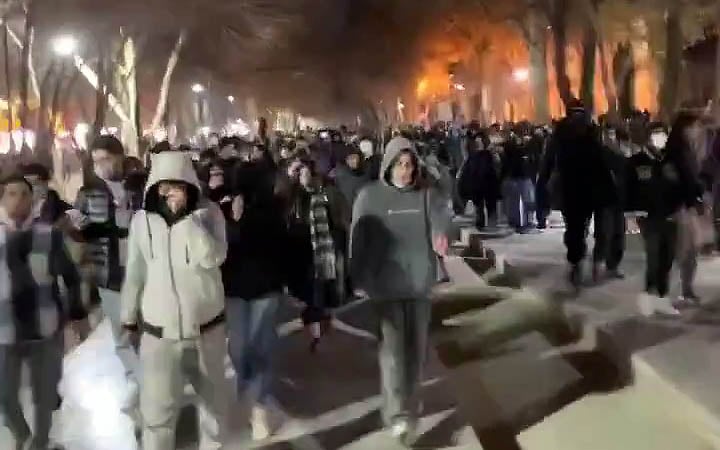
DUBAI, United Arab Emirates (AP) — Iran faces a new round of protests challenging the country’s theocracy, but it seems like the only thing people there want to talk about is half a world away: Venezuela.
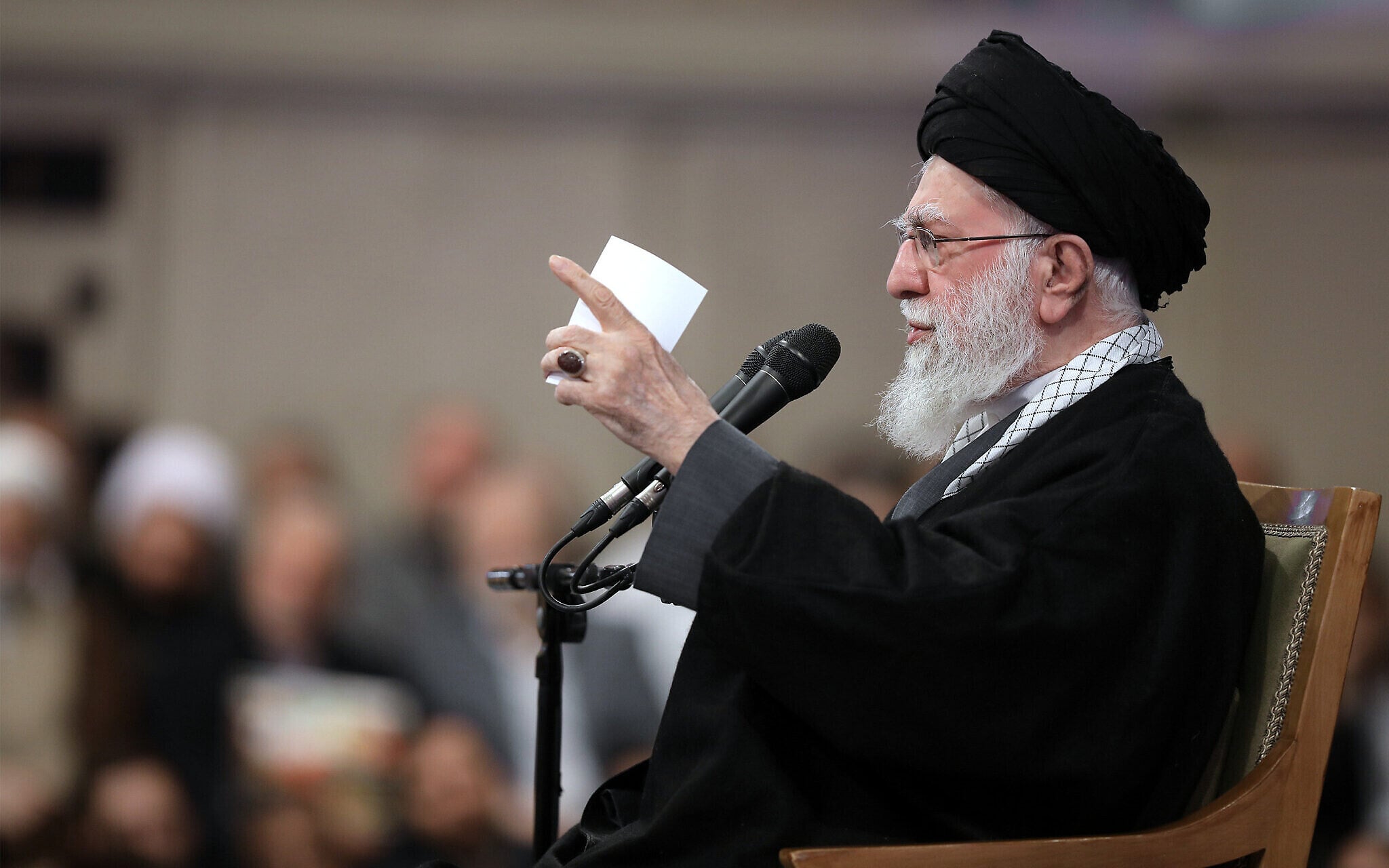
Since the US military seized Venezuelan President Nicolás Maduro, a longtime ally of Tehran, over the weekend, Iranian state media headlines and officials have condemned the operation. In the streets and even in some official conversations, however, there’s a growing question over whether a similar mission could target the Islamic Republic’s top officials, including the supreme leader, 86-year-old Ayatollah Ali Khamenei.
The paranoia feeds into wider worries among Iranians. Many fear that close US ally Israel will target Iran again as it did during the 12-day war it launched against Tehran in June.
Israel said its sweeping assault on Iran’s top military leaders, nuclear scientists, uranium enrichment sites, and ballistic missile program was necessary to prevent the Islamic Republic from realizing its avowed plan to destroy the Jewish state.
Khamenei is believed to have gone into hiding for his protection.
“God bless our leader, we should be careful too,” said Saeed Seyyedi, a 57-year-old teacher in Tehran, worried the US could act as it did in Venezuela.
“The US has always been after plots against Iran, especially when issues like oil, Israel are part of the case. In addition, it can be complicated when it is mixed with the Russia-Ukraine war, the Lebanese (terror group) Hezbollah, and drug accusations.”
The US has long accused the Iranian-backed Hezbollah of running drug-smuggling operations to fund its operations, including in Latin America, which the group denies.
‘Please pray’
Immediately after Maduro’s seizure, an analyst on Iranian state television claimed, without offering evidence, that the US and Israel had plans during the war last year to kidnap Iranian officials with a team of dual-national Iranians. Even for conspiracy-minded Iranian television, airing such a claim is unusual.
Then on Sunday night, the prominent Ayatollah Mohammad Ali Javedan warned an audience at prayers in Tehran University that Khamenei’s life was in danger.
“Someone said he had a bad dream that the leader’s life is in danger,” Javedan said, without elaborating. “Please pray.”
However, Iran is roughly twice the size of Venezuela and has what analysts consider to be a much stronger military and robust security forces. The memory of Operation Eagle Claw, a failed US special forces mission to rescue hostages held after the 1979 US Embassy takeover in Tehran, also haunts Washington.
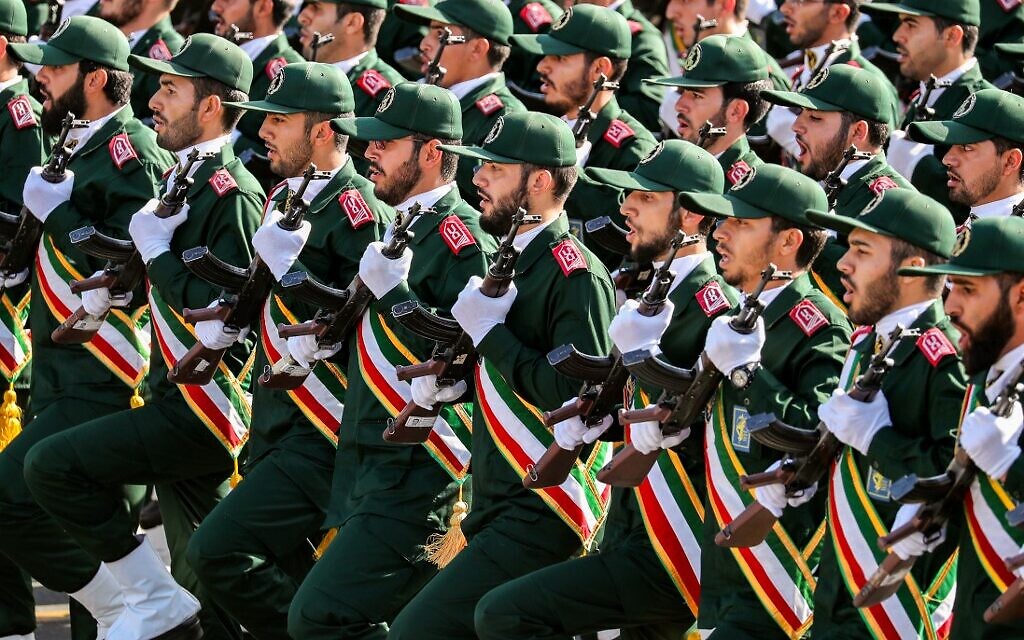
Then there’s the political situation in Iran, with its theocracy protected by hardliners within the paramilitary Islamic Revolutionary Guard Corps, who answer only to Khamenei. They could launch assassinations, cyberattacks, and assaults on shipping in the Mideast, warned Farzin Nadimi, senior fellow at the Washington Institute for Near East Policy who studies Iran’s military.
And crucially, Iran also still has fissile nuclear material.
“In the grand-strategy scheme of things, they need to think about the day after,” Nadimi said of anyone considering a Venezuela-style raid. “Iran is a much more complex political situation. They have to calculate the costs and benefits.”
Not just the Iranians
Others wonder what part of the world the US might take an interest in next, while critics have warned about setting a dangerous precedent.
“The regime in Iran should pay close attention to what is happening in Venezuela,” Israeli Opposition Leader Yair Lapid posted on social media on Saturday.
Israeli Prime Minister Benjamin Netanyahu did not directly link Maduro’s detention to Iran but acknowledged the protests sweeping Tehran and other cities, saying: “It is very possible that we are standing at the moment when the Iranian people are taking their fate into their own hands.”
Hours before the US action in Venezuela, US President Donald Trump warned Iran that if Tehran “violently kills peaceful protesters,” the US “will come to their rescue.”
On Monday, Iranian Foreign Ministry spokesman Esmail Baghaei denounced the comments by Trump and Netanyahu as an “incitement to violence, terrorism and killing.”
US Rep. Marjorie Taylor Greene, a Republican who had been close to Trump but resigned Monday after a falling-out with the president, directly linked the Venezuela operation to Iran.
“The next obvious observation is that by removing Maduro this is a clear move for control over Venezuelan oil supplies that will ensure stability for the next obvious regime change war in Iran,” Greene wrote on social media.
‘Make Iran Great Again’
US Sen. Lindsey Graham, a Republican, put on a “Make Iran Great Again” hat during a Sunday segment on Fox News. He later posted an image showing him and Trump smiling after the president autographed a similar-looking hat.
“I pray and hope that 2026 will be the year that we make Iran great again,” Graham said.
Another great day with @POTUS who has brought America back, stronger than ever, at home and abroad. God bless our Commander in Chief and all of the brave men and women who serve under him.
I’m proud to be an American.
God bless and protect the brave people of Iran who are… pic.twitter.com/V7Y6XsO680
— Lindsey Graham (@LindseyGrahamSC) January 5, 2026
Even Saudi Arabia, Iran’s longtime rival that reached a Chinese-mediated détente with Tehran in 2023, appeared to be thinking about a possible US intervention in Tehran.
“By dragging Maduro before a US court, Trump sent a message more brutal than the massive bombs his aircraft dropped on Iran’s nuclear facilities,” Ghassan Charbel, editor-in-chief of the Saudi-owned, London-published Asharq Al-Awsat newspaper, wrote Sunday.
“How devastating it must be for Iran’s supreme leader to hear of Maduro’s abduction at the hands of American forces.”





The Times of Israel Community.