

All about that base? Trump faces critical decision on Israel’s annexation bid
International community opposes move, but US president’s domestic supporters back it, as he faces plunging polls, multiple crises ahead of election
 Add ToI as a Preferred Source on Google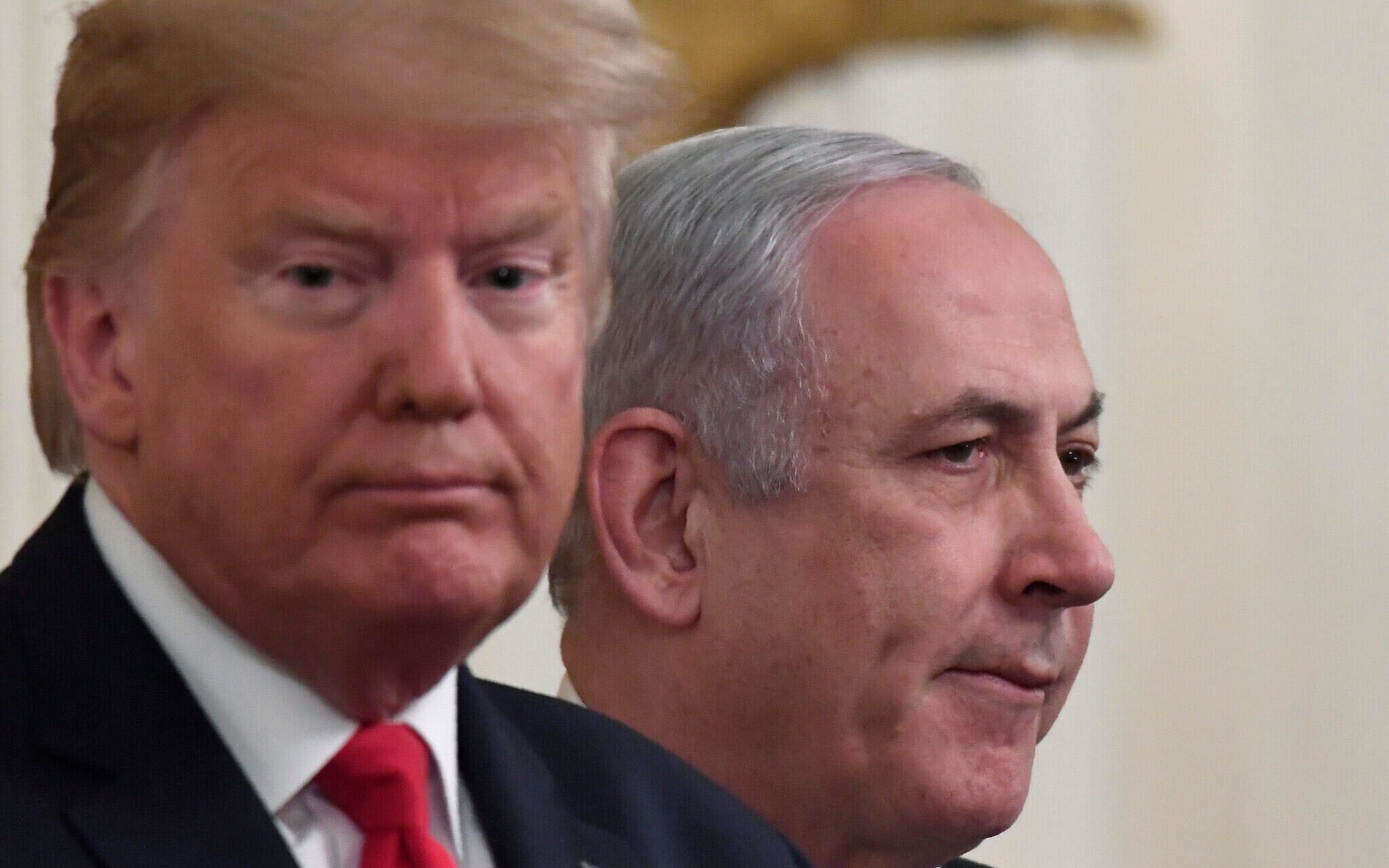
WASHINGTON (AP) — US President Donald Trump is facing a critical decision on Israel that could alter America’s position in the Middle East and may affect his election-year support with a central part of his political base.
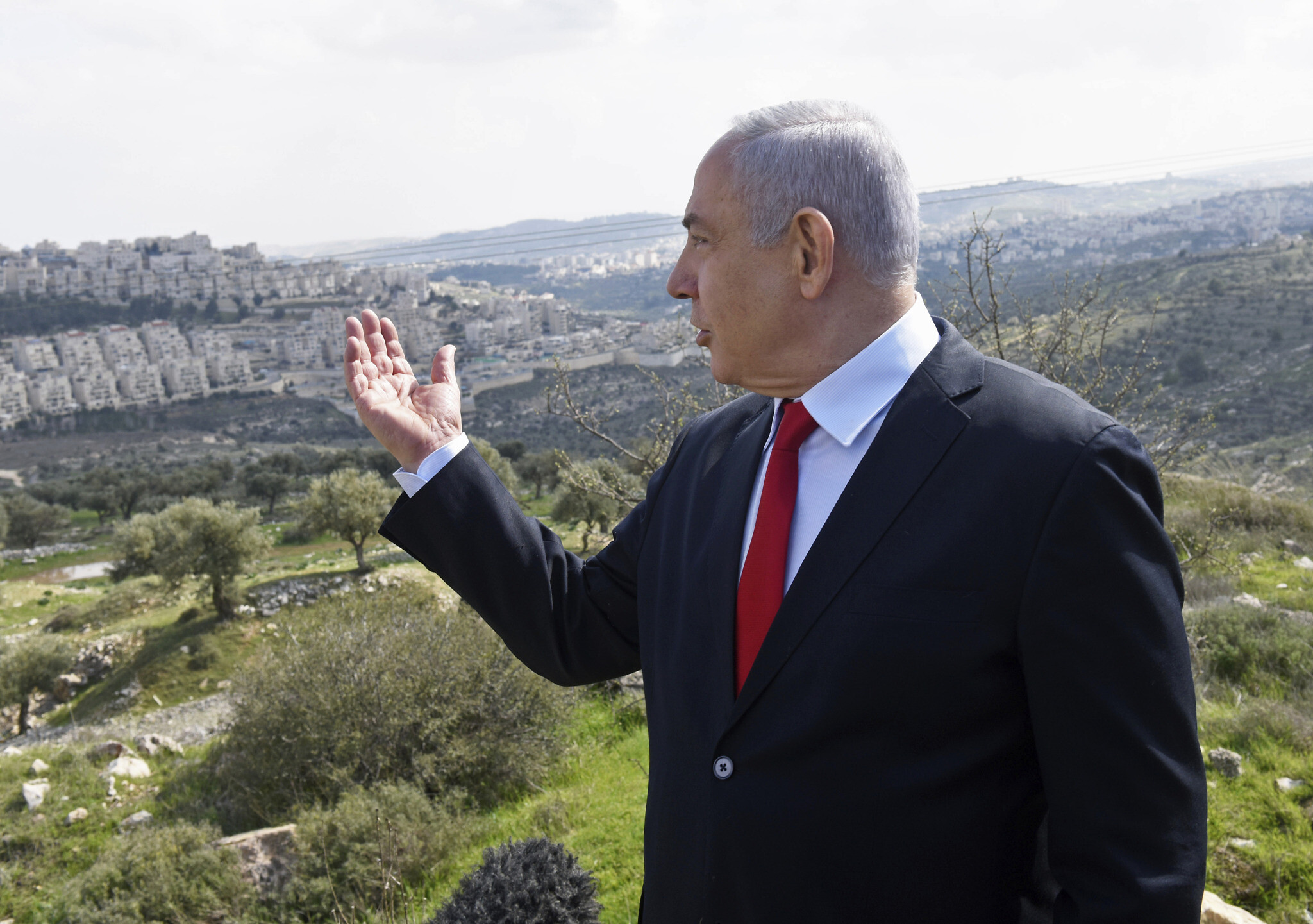
In the coming days, Trump must decide whether to support Prime Minister Benjamin Netanyahu’s plans to annex significant parts of land that the Palestinians claim for a future state in the West Bank. Trump’s national security aides were meeting on Wednesday at the White House to discuss the matter, which is approaching a boil after simmering for months.
Trump could side entirely with Netanyahu, who has vowed to begin the process as early as July 1, or endorse a less comprehensive takeover, or oppose it outright, which is the most unlikely scenario. Even if that date isn’t set in stone, Netanyahu is expected to act before the fall, given uncertainty over Trump’s prospects for winning a second term and presumptive Democratic nominee Joe Biden’s opposition to annexation.
At stake for the United States is its credibility with Arab partners cultivated by Trump and with European nations that he has antagonized on numerous fronts, from climate change to trade to the Iran nuclear deal.
Potentially more persuasive politically for Trump and his team is that his decision will affect his standing with evangelical Christians whose support he needs to win reelection. Virtually the entire international community opposes annexation, but Trump’s domestic supporters enthusiastically back it.
Wednesday’s White House meeting comes as Trump faces plunging polls and persistent questions about his handling of foreign policy.
Among those favoring Netanyahu’s plan are Trump advisers such as US Secretary of State Mike Pompeo, as well as David Friedman, the US ambassador to Israel, and a number of Republicans in Congress. They say annexation, in addition to pleasing Trump’s base, would make a peace deal easier because that step would blunt what they believe are unrealistic Palestinian expectations for a future state, according to officials familiar with the matter. They were not authorized to discuss the matter publicly and spoke on condition of anonymity.
In a letter sent late Tuesday to Trump, seven GOP senators pointed to the president’s own peace plan, rolled out in January, which calls for recognizing Israel’s extension of sovereignty into Palestinian-claimed areas as simple reality.
“Mr. President, there is no other alternative to this fact-based approach, and as long as opponents of Israel and the US-Israel relationship believe otherwise, peace will not be achievable,” wrote the senators, led by pro-Israel stalwarts Ted Cruz of Texas and Tom Cotton of Arkansas.
Others in the administration want to see no, or limited, White House recognition of potential annexation. They include Pentagon officials and Jared Kushner, Trump’s son-in-law and the architect of the administration’s peace plan, which has been roundly rejected by the Palestinians. People on this side of the debate worry that a robust public endorsement would alienate US allies in the Middle East and beyond at a particularly sensitive time in dealing with the coronavirus pandemic and threats posed by Iran.
Jordan, one of only two Arab nations with a peace deal with Israel, and the United Arab Emirates, a key US partner in the Mideast, have come out against annexation and warned of severe consequences for the region if Netanyahu goes ahead. The European Union has voiced strong opposition and UN Secretary-General Antonio Guterres has said he hopes Israel will not proceed.
Apart from the foreign policy considerations, though, Trump must contend with domestic election concerns.
Although his campaign believes evangelical Christians will overwhelmingly side with the incumbent over Biden, the campaign is concerned about a drop-off in enthusiasm and potential participation among a group of voters essential to Trump’s 2016 victory.

The campaign has seen a weakening of intensity across many important voting groups, including evangelicals, during the pandemic, the economic recession and protests against racial injustice.
Trump has tried in recent weeks to find ways to restore that intensity, in large part because his campaign hinges more on maximizing the turnout of his base than winning over a dwindling pool of undecided voters in the center.
Yet it remains unclear how many votes might be swayed by a decision on annexation.
“Ultimately, the American position will be determined by the president himself, and he will certainly view this issue, like all others, through the lens of his reelection campaign. But it is hard to see how Trump can gain much electoral advantage at this stage,” said Jake Walles, a former US diplomat who once served as consul general in Jerusalem.
“While annexation should be popular with Christian evangelicals and the right wing in the American Jewish community, most of those voters are already in his pocket. It seems unlikely that the president’s position would change any votes in the United States,” he said. “In such a situation, with many other problems on his desk, he may prefer a more limited annexation… or perhaps even a deferral of the entire issue.”
Joel Rosenberg, an American-Israeli evangelical author, said the issue “would have great resonance with most evangelicals in the US” under different circumstances, but given other issues dominating the national dialogue, he sees little if any “interest or attention being paid” to annexation “by American evangelicals at the grassroots level.”
Annexation “could actually backfire among the evangelicals that are sort of struggling with Trump right now” if it sparks new tensions in the region, Rosenberg said.
Texas megachurch pastor and longtime Trump ally Robert Jeffress said that annexation on its own is “too in the weeds for most evangelicals” to be following closely. But he said the president’s strong pro-Israel credentials overall gives his administration “wide latitude with evangelicals” in terms of its ultimate decision on the matter.





The Times of Israel Community.