

An off-the-grid hippie hamlet in Israel’s north struggles for survival under rocket fire
With half the residents gone and most businesses closed, residents of the alternative community Klil work hard to maintain their laid-back lifestyle under almost daily Hezbollah attacks
 Add ToI as a Preferred Source on Google
Reporter at The Times of Israel
KLIL — It isn’t unusual to be jumpy when sirens signal incoming rockets. But an unintentional byproduct of living in an off-the-grid town in Israel’s war-torn north is no sirens, which require electricity to sound — and arguably create a more charged environment.
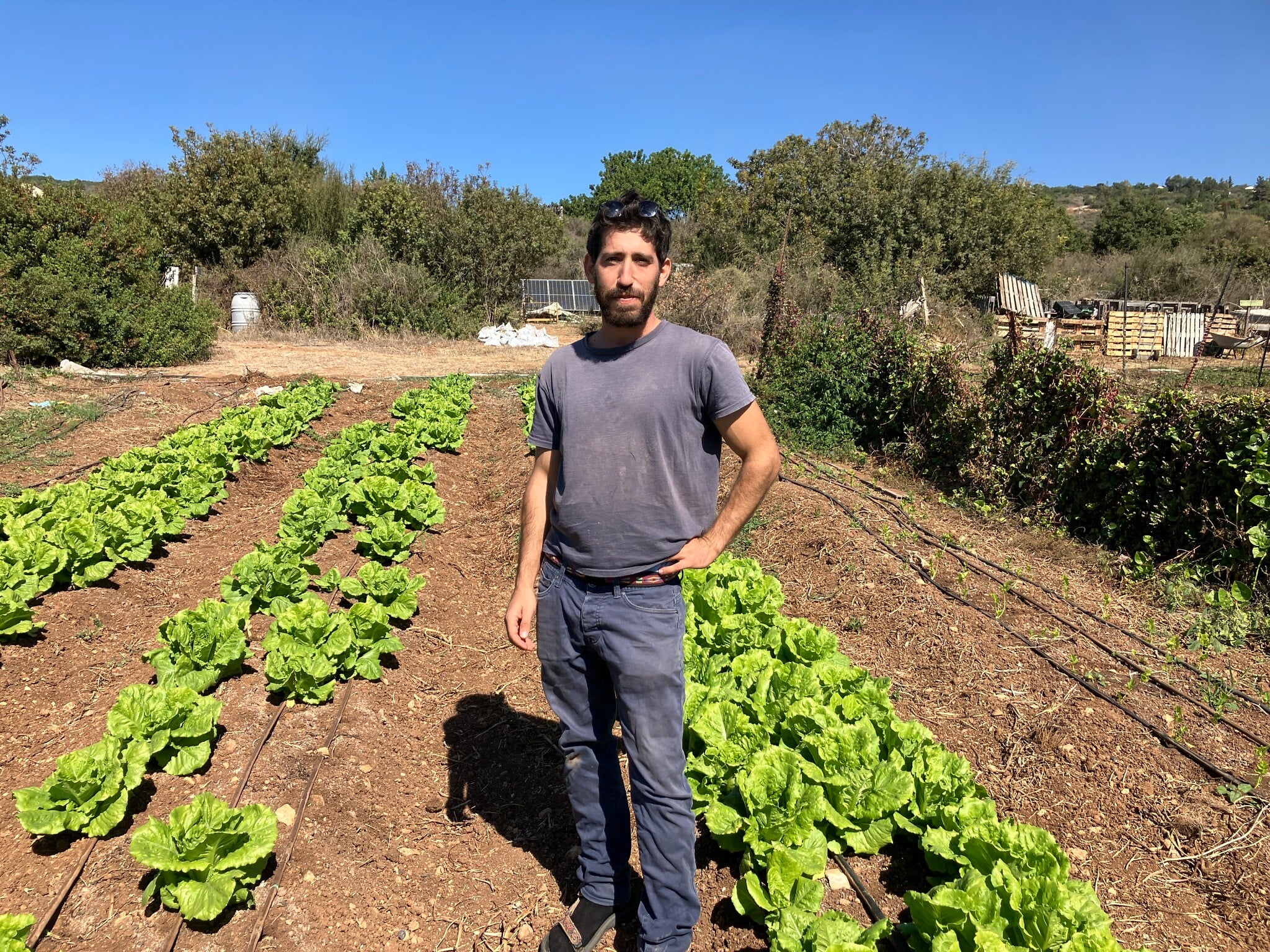
So when Raanan Ram, owner of the Organic Farm in Klil, an ecological village in Western Galilee, received an alert from the Home Front Command on his telephone on Monday, he and some of his employees streamed gracefully through the quiet into the pantry in the back of the shop.
It was the safest place, Ram said because the ceiling was made of thicker wood than the bamboo covering over the cafe.
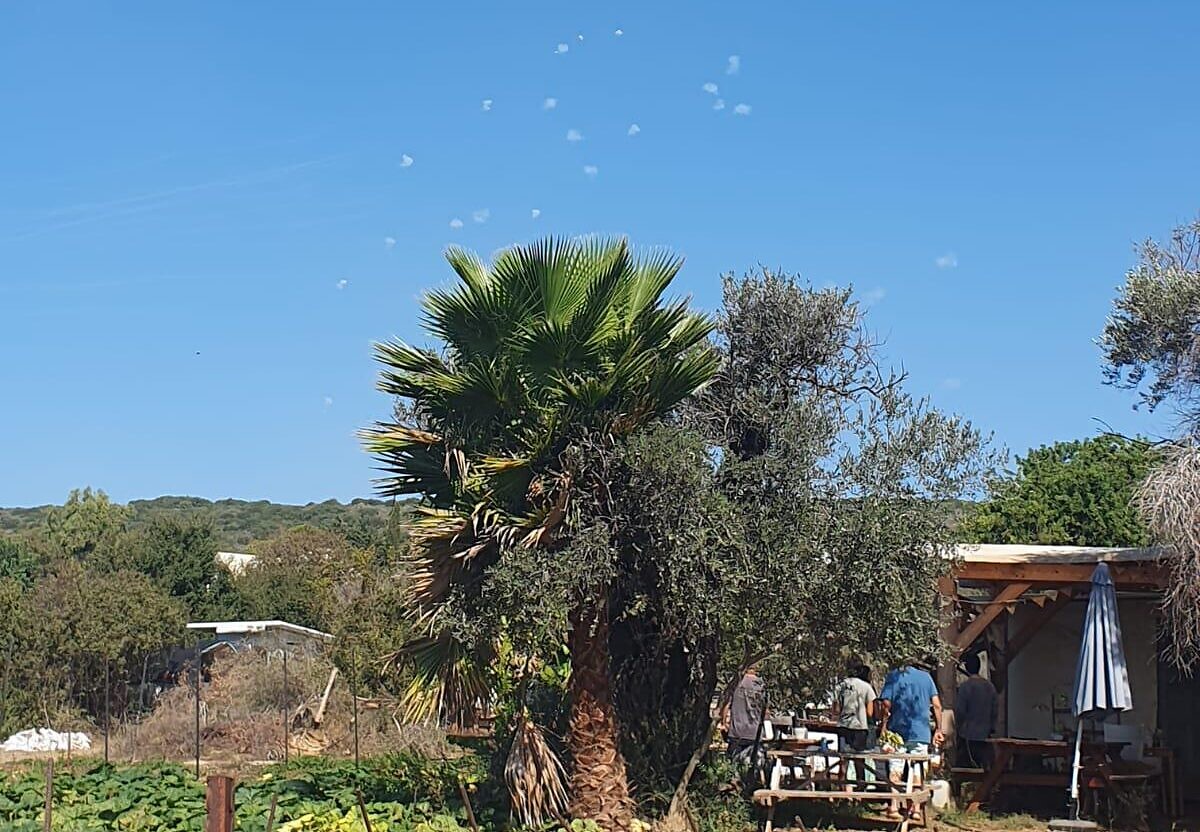
After a few minutes, this reporter stepped out of the pantry and continued her conversation with Ram, who seemed unruffled by the barrage of some 60 rockets being fired at northern Israel from Lebanon that day.
In fact, with gentle music playing on the loudspeaker of the store, where Ram sells products made by Klil residents along with his organic pumpkins, beets, and lettuce, one could almost forget there was a war going on.
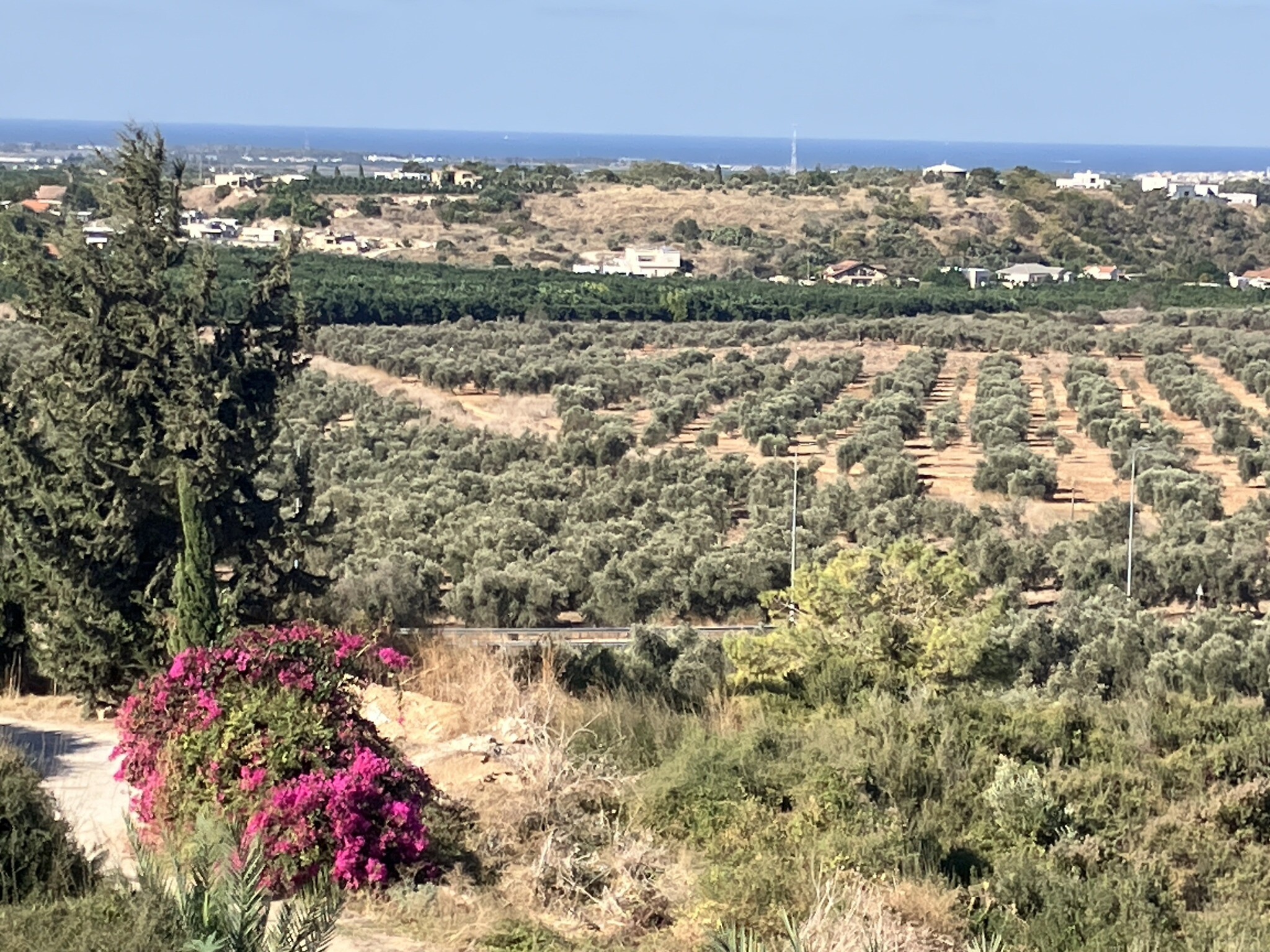
Klil is known as a hippie hamlet, an alternative village with houses scattered unobtrusively over the hills; it is about eight miles southeast of Nahariya and about 12 miles from the Lebanese border. The village of some 1,200 residents is run on solar-run energy – although some residents have generators – and many have built their houses with sustainable materials.
Since last October 8, Hezbollah-led forces have attacked Israeli communities and military posts along the border on a near-daily basis, with the group saying it is doing so to support Gaza during the war against Hamas there. So far, the war has resulted in 29 civilian deaths on the Israeli side, as well as the deaths of 43 IDF soldiers and reservists.
There are now two temporary shelters on the main road decorated with flowers, but most of the houses, made of sustainable materials like mud, earth, and recycled bricks, weren’t built for protection from rockets. Life in Klil still seems other-worldly and calm, yet it is marked by explosions, both incoming and outgoing. Its gentle approach to life has crashed into the rocketing realities of war.
About half of the residents have remained, but many of the businesses that dot the landscape have closed. This used to be the go-to place in the north for visits to a Native American sweat lodge, stays in a teepee, and vegan cooking workshops. But now, the local wineries, guesthouses, and cafes are shuttered.
‘Everything has broken down’
Tens of thousands of Israelis have been displaced from their homes in areas closer to the border for more than a year.
In Klil, just south of the evacuated zone, Puah Lasry Peleg and her husband, Doron Peleg, and their two daughters live in a yurt.
The yurt is set on a rugged hill, with a view of the fields below and beyond them, the Mediterranean Sea.
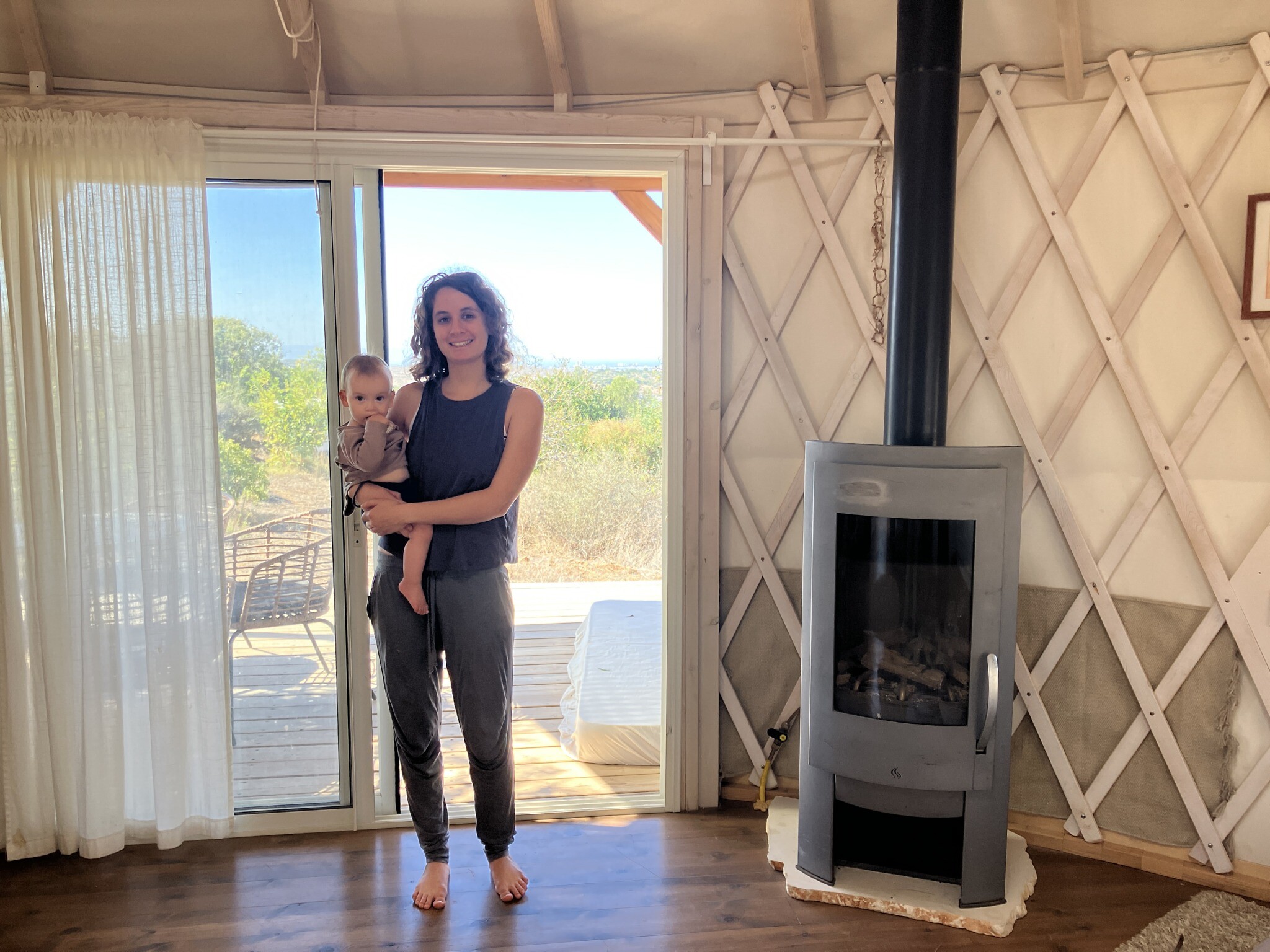
The couple bought the yurt and then built more rooms themselves, using ecological building material made out of hemp. Next to their yurt, they built another yurt which they named Orchard Yurt Klil that was fully booked until October 7, 2023, when Hamas-led terrorists stormed into southern Israel, slaughtered some 1,200 people, and abducted 251 people to Gaza.
That was the end of people coming to visit Klil, Lasry Peleg said. The government doesn’t help the couple, she said, because they’re not in an evacuated zone, but they’ve lost all their income from their guesthouse business.
“Everything has broken down,” she said. Although there is a protected room in the nursery school, the Home Front Command has ordered all schools closed so her 3-year-old daughter stays home.
“If we knew how long things would last, then we would start organizing something among the parents,” Lasry Peleg said. “It’s the uncertainty that is the most difficult.”
“We feel the war a lot,” she said as she sat at the table in their cozy yurt, feeding her 10-month-old baby. “The rockets aren’t directed at us, but we hear them.”
She said that immediately after the war began, there was a wave of people who left and then trickled back to Klil slowly over the year. Schools reopened on September 1, and everyone was just getting back into a routine, she said, when Israel launched a major offensive against Hezbollah in September and then a ground offensive in southern Lebanon to dismantle the terror group’s infrastructure.
The family doesn’t have a protected room, so when there are incoming rockets, they go into the center of the house where there are no windows.
It is ironic, she said, because they had made sure to build everything ecologically, and now they have invested “thousands of shekels” in a shelter with “massive” concrete walls where they — and future guests in the yurt — can go in case of rocket attacks.
Despite the fact they’re building the shelter, she said they’re still optimistic that things will be okay.
“We’ve put so much into the houses and the property, and we want to stay,” she said.
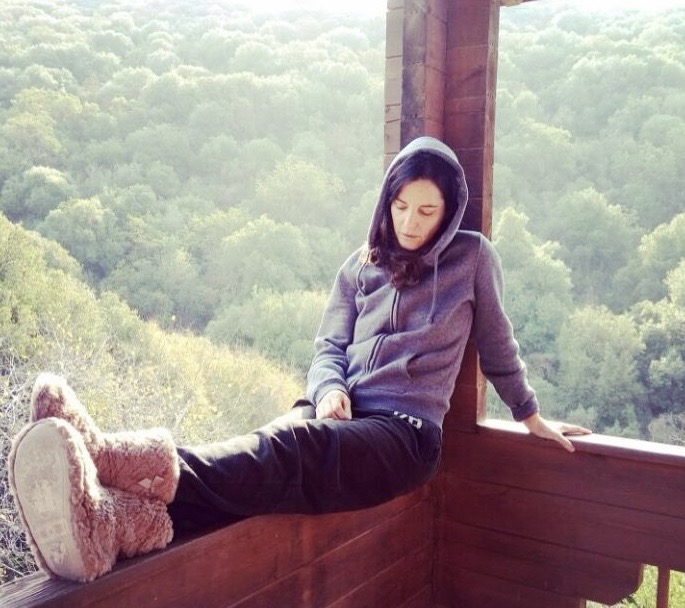
Others feel differently, however. Adi Hagar built a house on the edge of the wadi on the “last row of houses in Klil.” She offered picnic baskets filled with her home-grown vegetables and homemade jams to visitors in her guesthouse.
But the village went from “the garden of Eden to hell” as soon as the war began last year.
Since she has no shelter in her house, she left.
“It is suicide to be there alone,” she said. “But when the war ends, I’ll go back.”
Making art during the war
Susan and Jack Jano raised some of their eight children on a hilltop in Klil. Twenty-nine families founded the ecological village in 1978, and the Janos were the thirtieth.
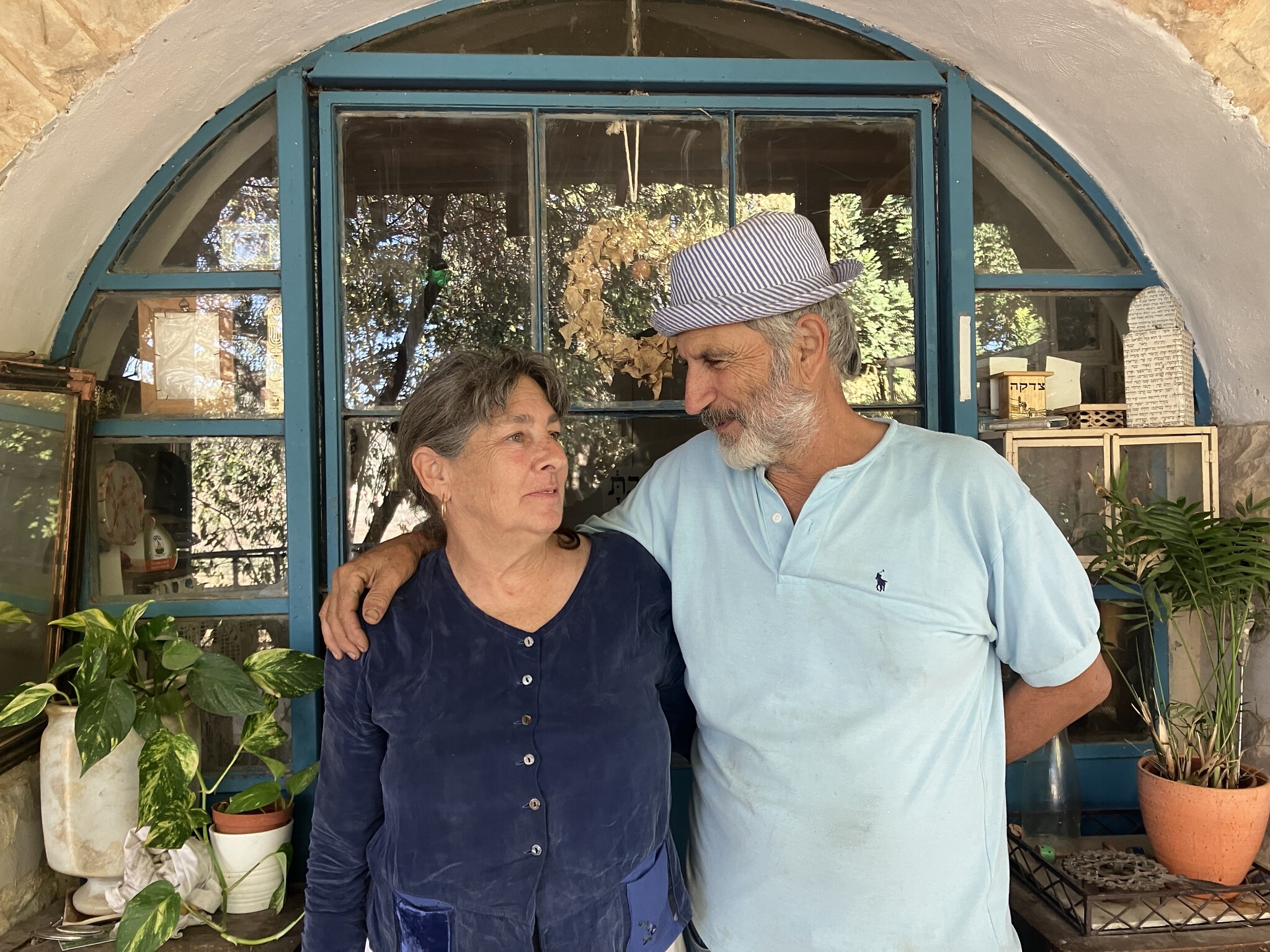
She said she doesn’t count her age – “it keeps changing” – or the number of grandchildren she has because that keeps changing, too.
Jano, an artist whose work has been exhibited in the Israel Museum and around the world, works with recycled materials. He’s built everything in the house himself, often with materials he finds or buys second-hand. His studio resembles a junkyard cluttered with scraps of metal, old books, canvases, and doors. He said he sometimes makes something beautiful, and then he takes it apart “because maybe the next time it will turn out more beautiful.”
Yet the war has taken a toll on his creativity, he said.
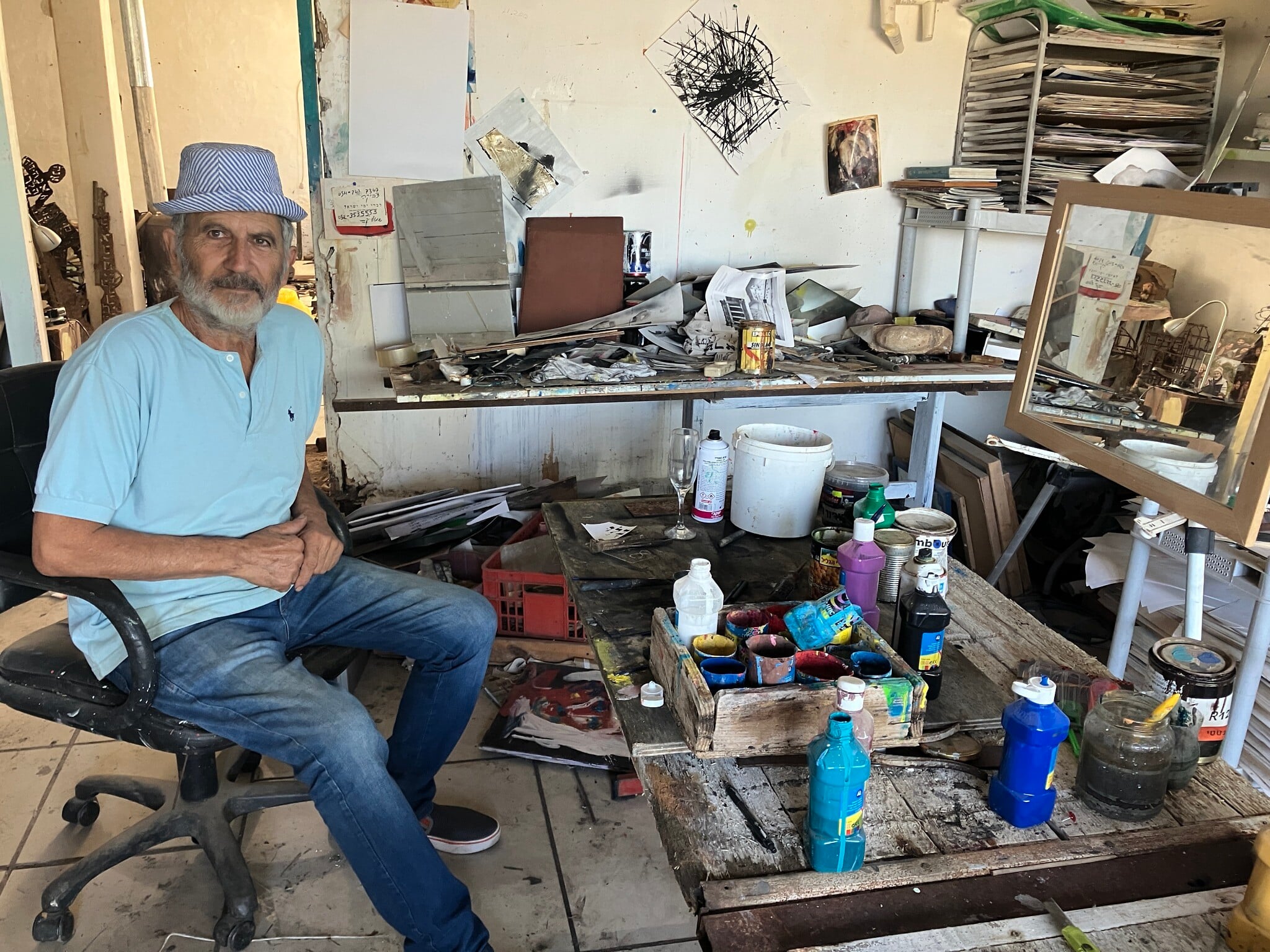
“I want to do something more truthful,” he said. “How can I make my art more concentrated to understand life?”
He took this reporter to tour a new house he is building by himself. He had already finished building the outdoor stairs. He likes mixing the cement, he said, because it takes his mind off the war. At the same time, he made a small shelter for some of his children “to hide from the rockets.”
He used to have tour groups come to visit his house, where he’d explain about his art and how he lives. Nobody comes anymore, he said.
“But we live here,” he said. “Everyday life continues. We still have to breathe.”
‘This is a war of our existence’
The roads through Klil can be difficult to navigate. They are narrow and wind through olive groves where families are starting to harvest olives. Over a bumpy unpaved road lives Tamar Cohen, a photographer and former event planner.
“Everyone’s in a war,” she said while sitting on her porch. “This is a war for our existence.” A native of Antwerp, Belgium, she said that it’s a “privilege to go off and fight and protect the country.”
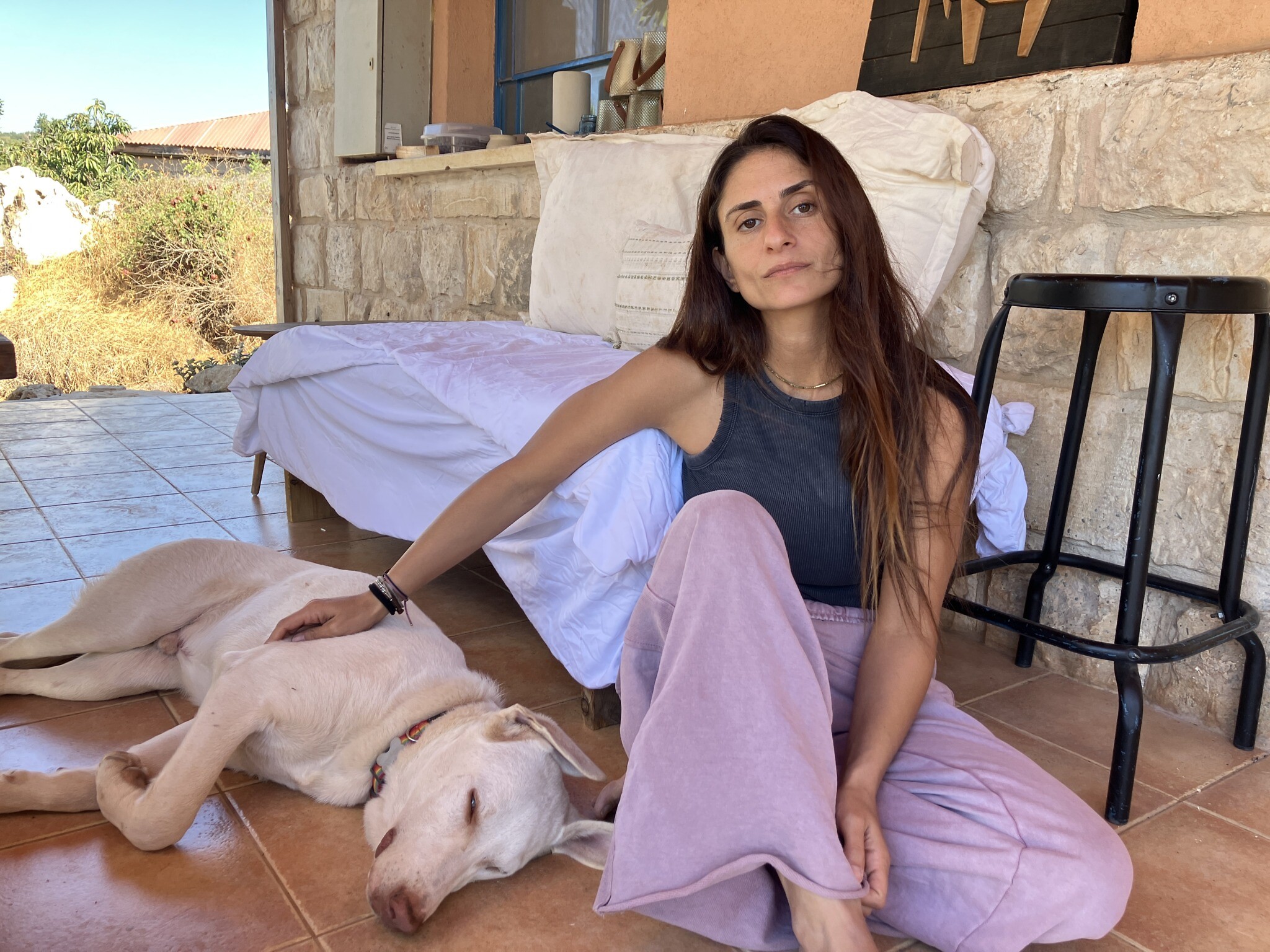
Cohen was supposed to go to the Nova music festival with her friends, including Noa Englander and Noam Efraim, but she had to stay with her 9-year-old son.
Englander and Efraim were both murdered by Hamas. Since then, Cohen has organized several parties for some of her other friends so they don’t get too sad.
“All over the country, people want to dance more than ever,” she said.
Since the war began, she said people always feel like “they’ve just escaped something.”
“I feel like a hero,” she said. “Just living life these days is hard enough.”
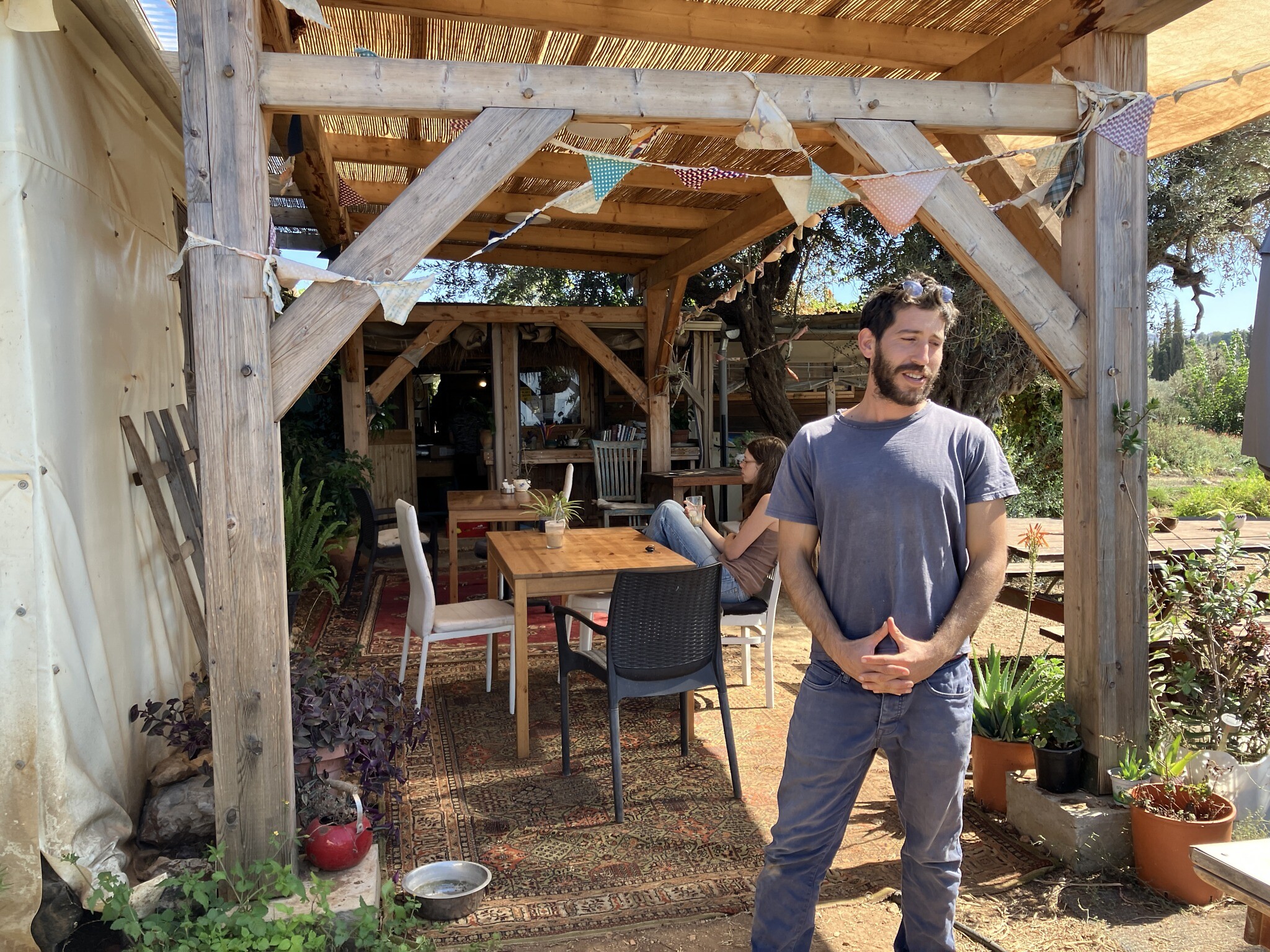
Nearby at the farm, Ram tended to his garden. He has lived in Klil for 10 years and keeps the cafe and store open. People in the community thank him, he said, because it’s one of the few places that has stayed open and it’s become a place to gather.
“It was always my dream to move up north and start a farm,” he said.









The Times of Israel Community.