

Are Shas and UTJ poised to collapse Netanyahu’s government?
With both ultra-Orthodox parties apparently on the way out, the PM could soon be heading an unstable minority government, but that does not mean elections are around the corner

 Add ToI as a Preferred Source on Google
Ariela Karmel is a political correspondent at The Times of Israel. She previously reported for Calcalist and Haaretz. She holds an MA in Middle Eastern and African History from Tel Aviv University and a BA in Political Science from the University of British Columbia.
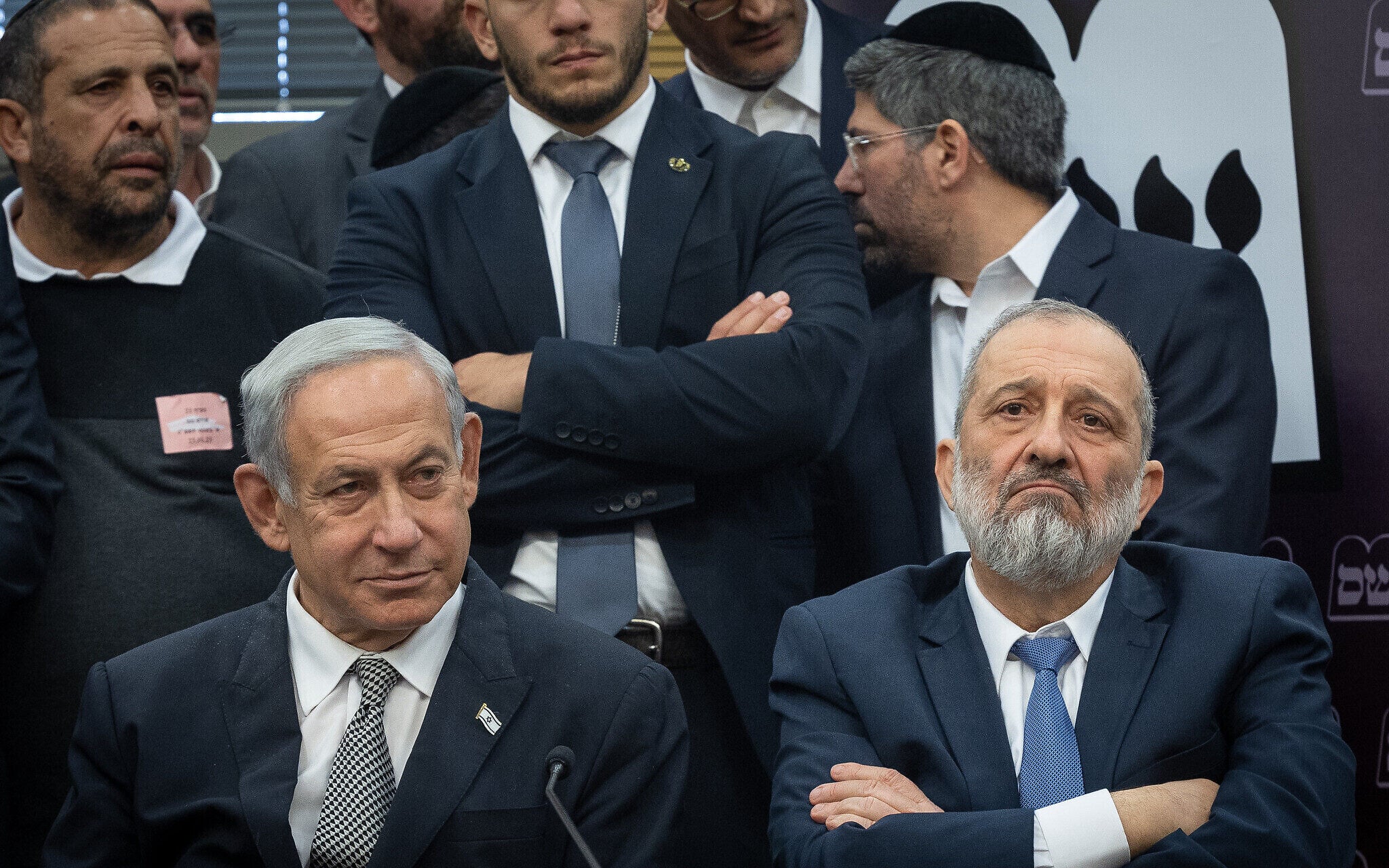
With Israel’s two ultra-Orthodox parties — United Torah Judaism and Shas — on the verge of quitting the government, the future of Prime Minister Benjamin Netanyahu’s coalition appears increasingly uncertain. UTJ’s legislators on Monday submitted their resignations, set to take effect within 48 hours, while Shas is now openly threatening to follow suit.
But while the potential exit of both Haredi factions would strip Netanyahu’s coalition of its parliamentary majority, it would not automatically trigger new elections — and it’s far from clear that either party actually wants to bring the government down.
With only seven seats, Ashkenazi ultra-Orthodox party UTJ is not large enough to topple the government on its own. And while the threatened withdrawal by 11-seat Shas would cost Netanyahu his majority, the government could technically limp on as a minority, at least for a while.
The timing may work in Netanyahu’s favor. The Knesset is set to recess on July 27 for a three-month break, giving the prime minister time to try to resolve the crisis behind closed doors.
During that period, the government could continue to function in a reduced capacity without facing immediate legislative challenges or no-confidence votes. For now, both UTJ and Shas appear to be using the threat of exit as leverage, not necessarily as a prelude to collapse.
Still, their grievances are deeply felt. The coalition’s failure to advance a law enshrining blanket draft exemptions for yeshiva students has placed immense pressure on the Haredi parties from their rabbinic leadership. Over the past several weeks, ultra-Orthodox rabbis have become more vocal and uncompromising, pushing their political representatives to take a stand.
Shas, however, faces a more complex political calculus than does UTJ. While it, too, is under pressure from its rabbis, it is reluctant to relinquish its ministerial portfolios, which enable it to make rabbinical appointments nationwide and are crucial to its long-term political infrastructure.
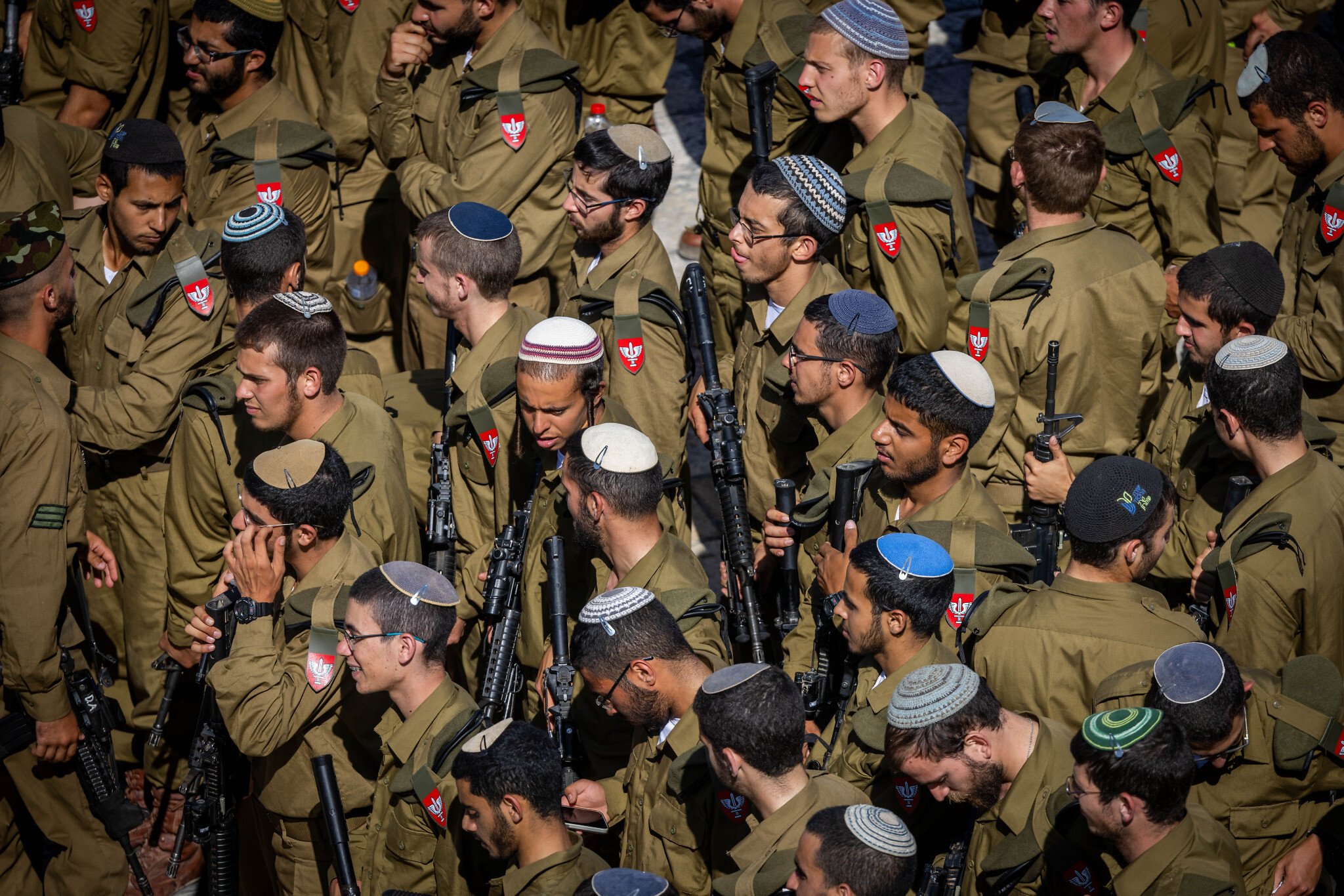
What’s more, Shas’s voter base is more ideologically mixed than UTJ’s. In addition to its Haredi supporters, Shas attracts many traditional and even secular voters, particularly from Israel’s geographic periphery, who serve in the army and are far less likely to support triggering early elections over the yeshiva draft issue, especially when the standing and reservist forces are under unprecedented strain after 21 months of war against Hamas and the IDF is crying out for recruits.
The party has little incentive to fully exit the coalition, despite its public threats, and many of its supporters would not easily forgive it for bringing down a right-wing coalition.
Shas leader Aryeh Deri is one of Netanyahu’s closest allies, and helped ensure the coalition held together when this crisis last reached boiling point before the Iran war. But he is said to feel let down by Likud’s Yuli Edelstein, whose Foreign Affairs and Defense Committee is meant to be drafting the legislation that would regulate Haredi military conscription — which is why some reports Tuesday night said Netanyahu has suggested pushing a draft law more acceptable to the Haredim via a committee other than Edelstein’s.
Were Shas to decide to leave, it might still vote with the coalition on some issues, and Netanyahu would likely appoint caretaker ministers to fill its portfolios in the hope that the dispute could yet be resolved and Shas returned to the fold.
Netanyahu’s gamble, the Haredi bluff
For Netanyahu, the Haredi threat is serious — but it’s not the only one. Should he prove willing to finalize a hostage-ceasefire deal in Gaza, he risks losing the support of his far-right coalition partners, Bezalel Smotrich’s Religious Zionism party and Itamar Ben Gvir’s Otzma Yehudit, which have long threatened to exit should the war against Hamas be brought to an end.
If they walk, Netanyahu and his Likud would be left with only the ultra-Orthodox parties, or, in their absence, possibly no partners at all — an untenable scenario. That has fueled speculation that the prime minister may seek to proactively time elections for early next year, hoping to control the narrative rather than face a slow-motion collapse.
For now, though, neither UTJ nor Shas seems intent on forcing that outcome. Their current strategy appears to be one of escalation without detonation — increasing pressure while keeping open the option of continued cooperation. But if negotiations stall and no legislative solution emerges by the fall, Netanyahu could face a push for dissolution and elections — with far less room to maneuver.
According to a coalition insider, Shas is unlikely to make any final move before Thursday, after its senior rabbis convene to decide the party’s course of action. And while UTJ has already submitted its resignations, there is ongoing back-channel coordination between Likud and Degel HaTorah — UTJ’s dominant faction — aimed at potentially walking back UTJ’s departure before it takes effect Wednesday night.
If UTJ can be coaxed back into the coalition, Shas is expected to do the same. “Shas never initiates — it follows,” the insider noted.
Coalition officials are bracing for a potentially pivotal few days. Wednesday is the last opportunity to introduce bills for all readings before the recess, making it a strategic deadline for moves to dissolve the Knesset or revive stalled legislation. However, under Israeli law, a dissolution bill cannot be passed within six months of a previous effort, and an opposition-backed bill to disperse the Knesset and call early elections failed to advance last month. Any attempt to dissolve the Knesset now, therefore, would require careful legal and political maneuvering, adding another layer of complexity to the crisis.
Next Monday could bring a no-confidence vote — a theoretical opening for opposition parties to present an alternate government. But such a scenario would require the Haredi parties to break ranks, abandon the draft bill they’ve fought for, and align with the opposition — a highly unlikely scenario, according to the source.
“We’re working under the assumption that [UTJ and Shas] understand that they don’t have an alternate coalition and have no interest in going to another election,” the source said. “It’s possible, but not probable.”
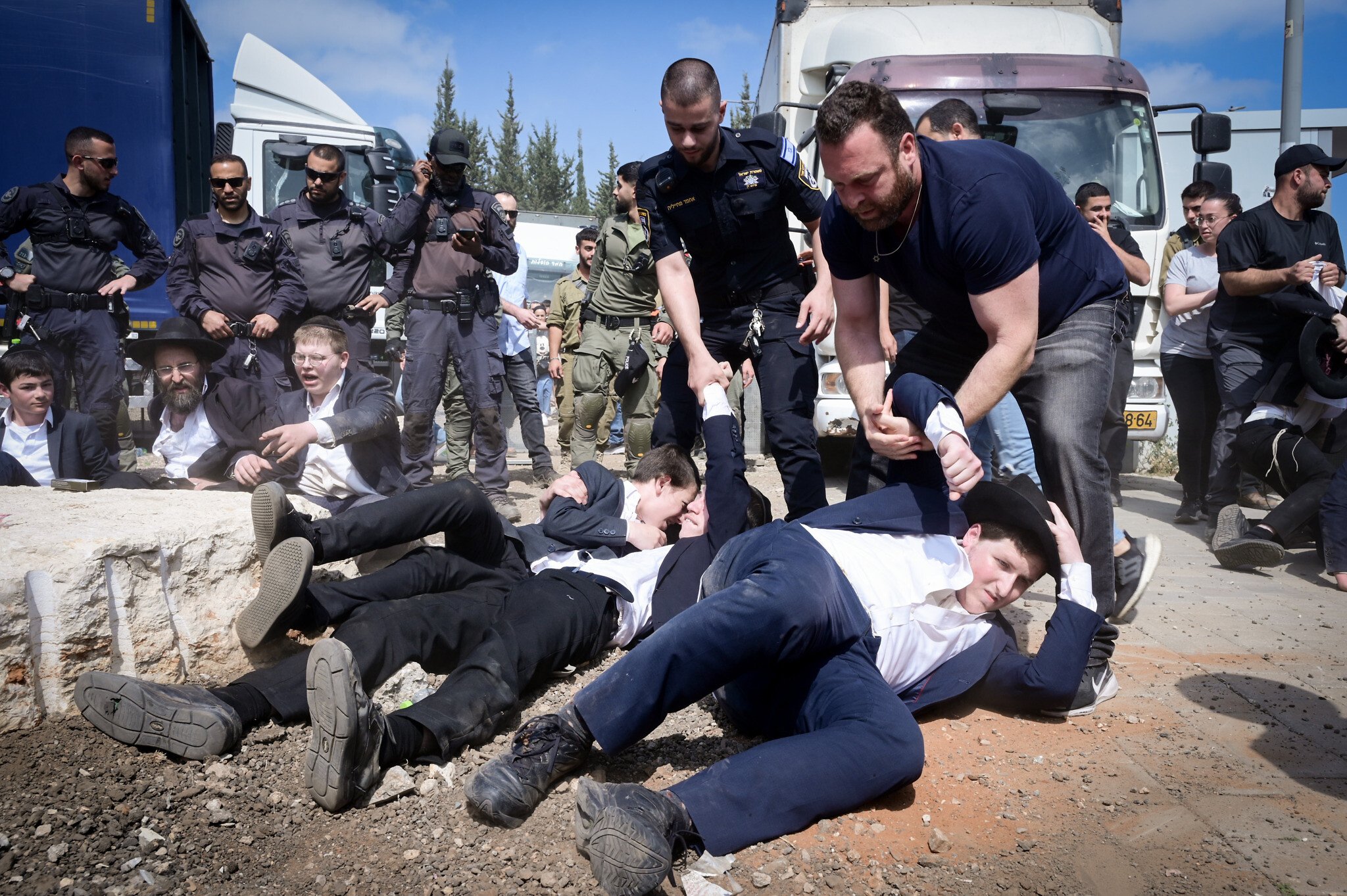
Adding further pressure to the already fragile situation is the looming Bein Hazmanim yeshiva break, set to begin in two and a half weeks. In previous years, this vacation period has seen yeshiva students — many of whom take the opportunity to travel or work — detained by military police for draft violations.
Now, with large numbers of ultra-Orthodox men officially listed as draft dodgers due to the expiration of the exemption framework, arrests are expected to spike. A Shas source told the Haaretz daily on Tuesday that if detentions begin in earnest, “there will be blood, fire, and smoke,” predicting mass protests that could be led by senior rabbis.
The source added that if no agreement on a new draft law is reached by the start of the Knesset’s winter session in October, the ultra-Orthodox parties will move to dissolve the Knesset, with or without Netanyahu’s consent. While they prefer to coordinate an election date with the prime minister, said the source, they are prepared to force the issue if needed.







The Times of Israel Community.