

As dueling political camps harden, electoral deadlock heaves back into view
Polls show neither the pro-Netanyahu bloc nor parties allied against him have a clear path to forming the next government, with little chance of wooing support from the other side
 Add ToI as a Preferred Source on Google
Shalom Yerushalmi is the political analyst for Zman Israel, The Times of Israel’s Hebrew current affairs website
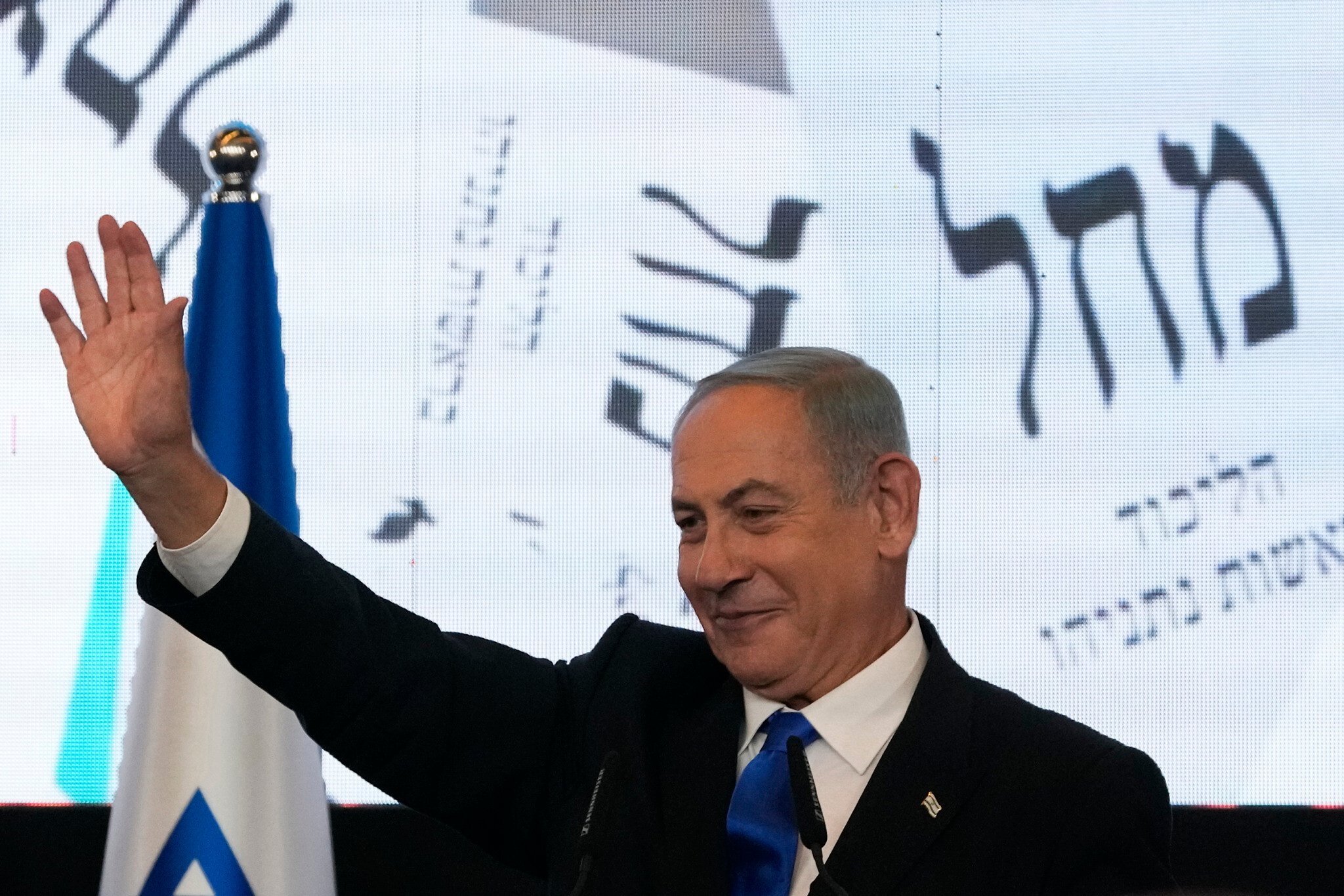
The political arena in Israel is increasingly settling into an election campaign defined by two blocs, with almost no crossover between them. One bloc, currently in power, is comprised of right-wing and religious parties aligned behind Prime Minister Benjamin Netanyahu. The other is made up of a disparate array of Zionist parties chiefly united by the desire to replace the prime minister — essentially the “change bloc” that held power under former prime minister Naftali Bennett and current Opposition Leader Yair Lapid from 2021 to 2022.
Dogmatism, stubbornness and radicalization have driven most parties to ensconce themselves in one of the two camps, fueling mutual aversion to interaction. What room there is for power shifts or political horse trading is within the blocs rather than between them.
Weekly polls reflect this stagnation repeatedly, along with the notion that both camps are roughly evenly matched, meaning neither side can hope to woo support from across the aisle to break the deadlock and find enough seats to form a governing coalition after the next election, currently scheduled for October.
A deadlock would allow Netanyahu to remain in office even after the elections – heading an interim government through successive rounds of votes until one side or the other finds a way to break through.
Israel is a long way from the early 1990s, when self-declared Likud supporters broke ranks to vote for Yitzhak Rabin, helping his Labor party scoop up 44 Knesset seats. Nowadays, Likud supporters looking to escape Netanyahu will still remain within the right-religious bloc; otherwise, the polls would show the center-left rising to 61 seats and more.
The blocs are consolidating within themselves. No right-wing figure will join the change bloc alongside left-wing figures such as The Democrats leader Yair Golan and potential partner MK Mansour Abbas, the Islamist Ra’am leader whose willingness to play coalition politics made him a lightning rod.
And no one from the center-left will start joining hands with Netanyahu loyalists or be willing to support far-right National Religious party leader Bezalel Smotrich.
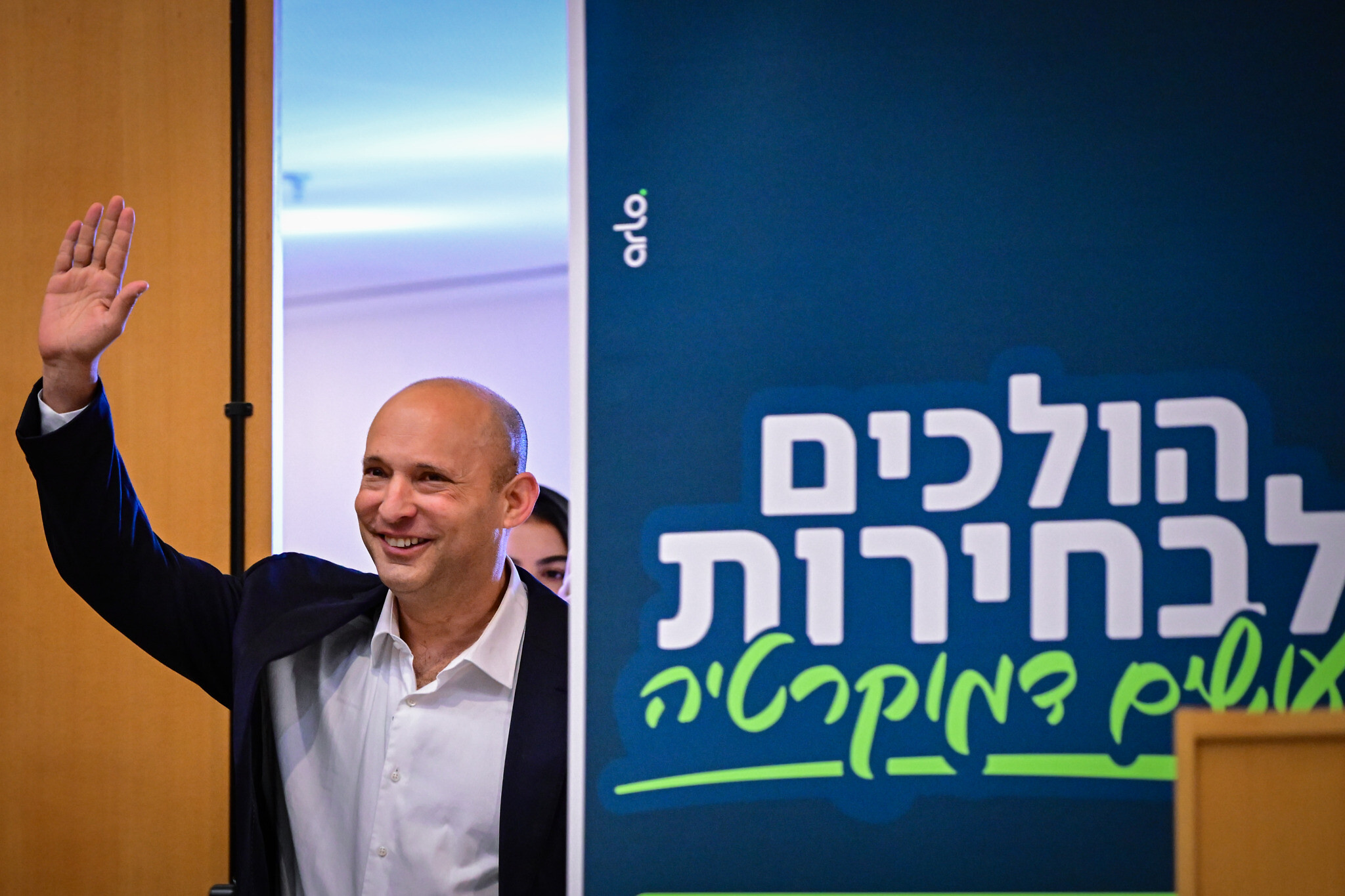
There is one wildcard: former prime minister Naftali Bennett, who has formed a new party to stage a political comeback. Polls show him getting over 20 seats, enough to lead the charge against Netanyahu. But at least some of those backing him now are likely just idling undecideds who have yet to figure out where they actually want to park their vote.
I do not see many Likud supporters who have moved over, or who will remain, with Bennett, even if they are angry at Netanyahu. The one-time right-wing stalwart’s decision to join forces with Lapid and the center-left to form a government in 2021 makes such a vote difficult for them.
Ditto the religious Zionists currently lined up behind Bennett, who are unlikely to stay there as they search for something better.
A report last week from the Kan public broadcaster indicates that Netanyahu is hoping to capitalize on the political homelessness of the religious Zionists, not by swinging them to Likud but instead by backing the formation of a new political party they can get behind. The new moderate right-wing party would be a kind of second coming of the old National Religious Party, or Mafdal, which was the historic home of religious Zionist politics before it splintered.
Such a new party, per Netanyahu’s logic, would position itself between the two blocs, scooping up votes from Bennett, who has positioned himself as an alternative to Netanyahu rather than an ally, and from Smotrich, who polls show is at risk of falling below the minimum support threshold required to enter the Knesset, a prospect that would render any votes for him wasted and worthless.
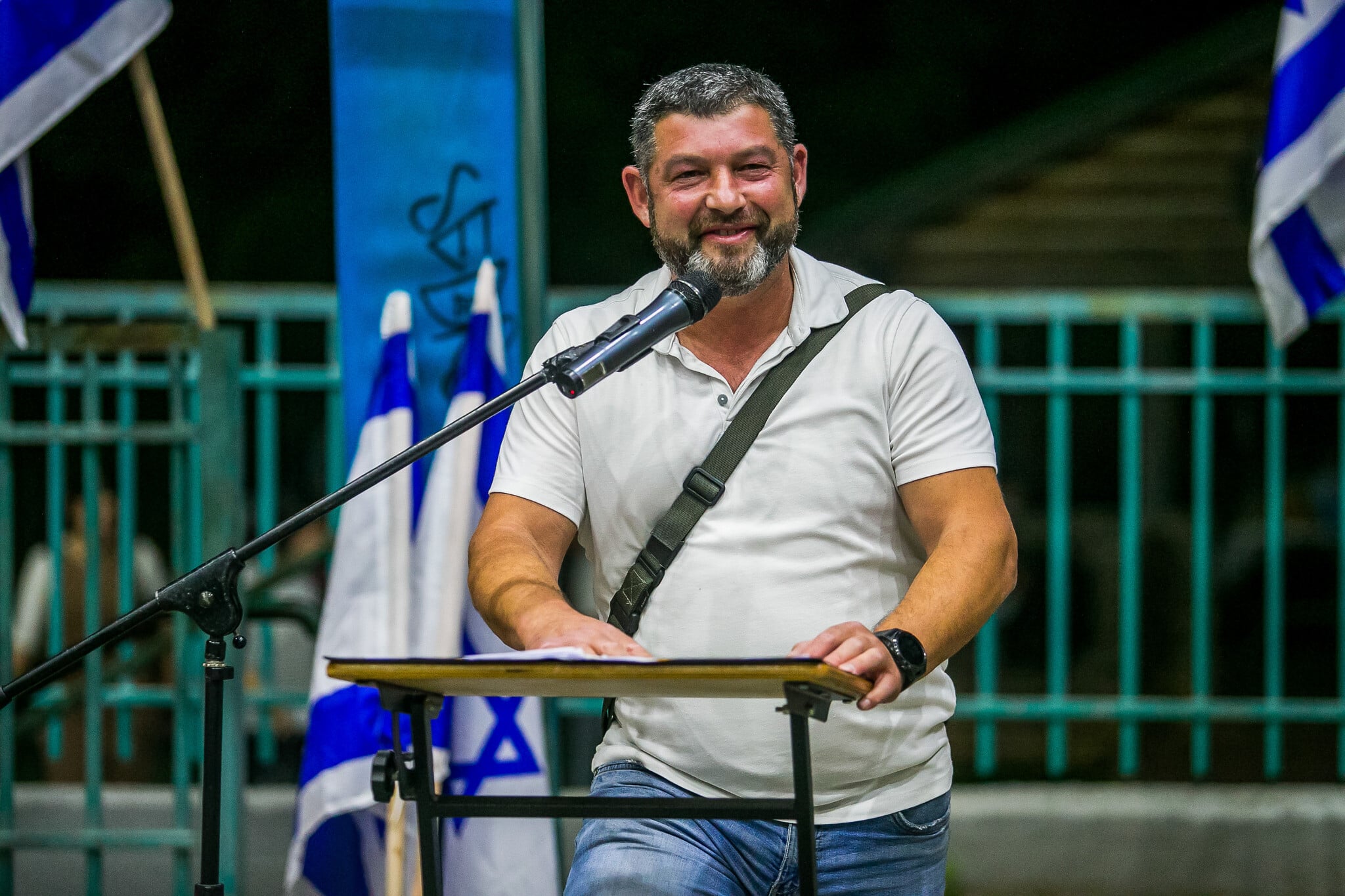
According to the report, Netanyahu intends to place Brig. Gen. (res.) Ofer Winter, a prominent religious Zionist military figure, at the head of the list, and it would include figures such as Dedy Simhi – former head of Israel’s fire and rescue services, whose son Guy was killed during Hamas’s October 7 onslaught; former minister Yoaz Hendel; or former minister Moshe Kahlon. These are all familiar and respected figures from Israel’s center-right.
A poll conducted last week by Zman Israel – The Times of Israel’s Hebrew sister website – showed support for a single amalgamated right-wing party aside from Likud. In constellations where Smotrich and Itamar Ben Gvir of Otzma Yehudit join forces again, a Winter-led party would fall below the threshold. Should Winter and Smotrich join together, they would enter the Knesset and Ben Gvir would be out. And if Ben Gvir runs alone, then he would make it in, while Smotrich would fall out.
In any case, Natan Eshel, one of Netanyahu’s longtime political confidants, denies the premier is working on setting up such a party.
“Netanyahu isn’t establishing any party – not Arab, not right-wing, not religious, and not left-wing. It would only harm the right-wing bloc and Likud, which are on the way to 61 seats,” he told The Times of Israel.
For now, Bennett is drawing support in the polls from voters who previously backed Lapid’s Yesh Atid and Benny Gantz’s Blue and White, alongside new voters. Bennett will try to preserve that situation to remain the largest party in his bloc and lead his allies.
But Bennett’s chance of setting up a new government would only be feasible through some form of partnership with an Arab party – whether by bringing Arab parties into a coalition or relying on them from the outside. Despite working with Ra’am in his last government, Bennett says he is unwilling to govern with Arab backing, and he’s not alone.
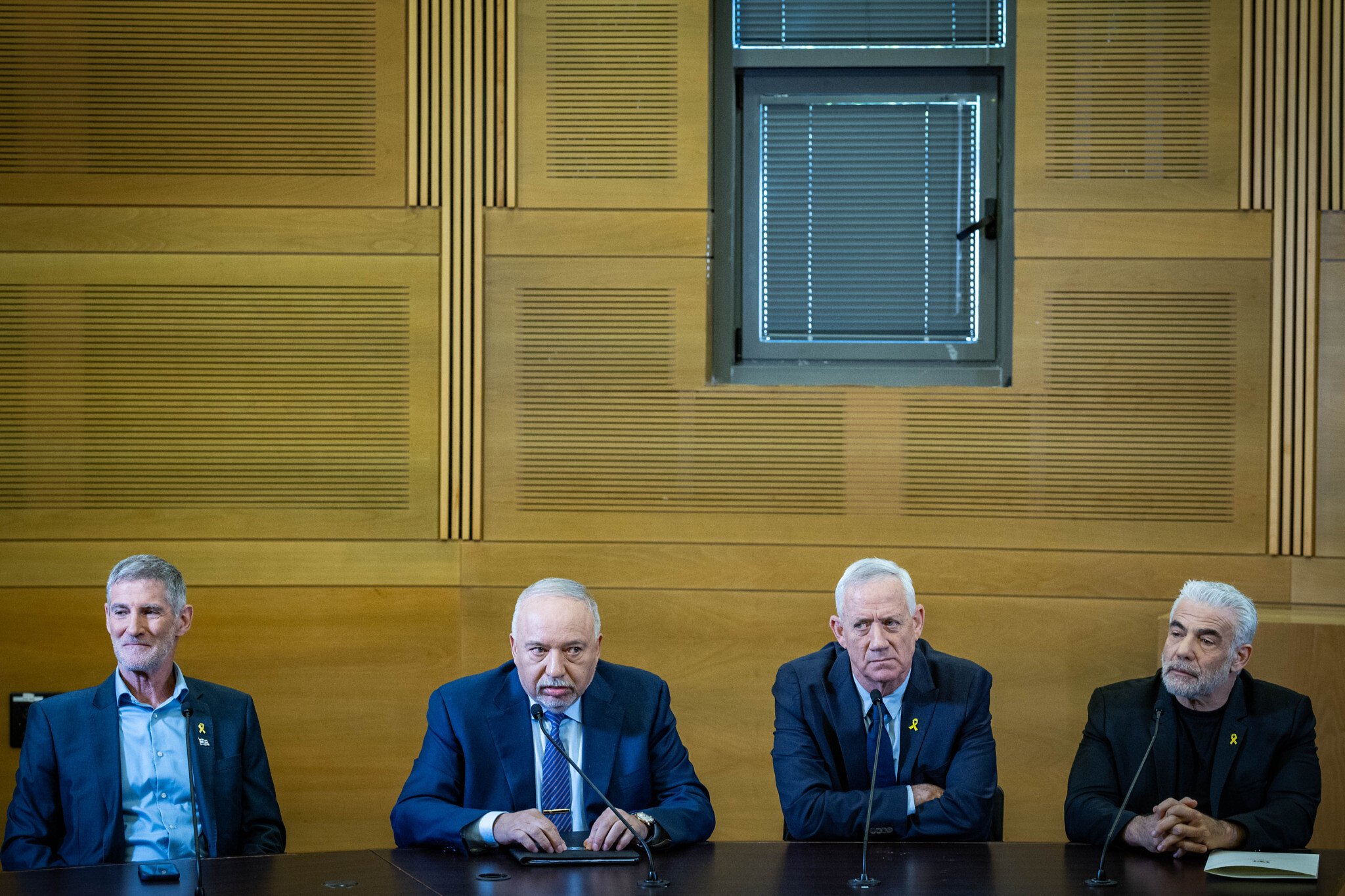
Yisrael Beytenu chair Avigdor Liberman, a vital proponent of the “change” bloc, has announced that he will not sit in a coalition together with ultra-Orthodox parties or with Arab parties he defines as non-Zionist.
Former IDF chief of staff Gadi Eisenkot and Yair Golan are willing, at least in principle, to rely on Arab parties to secure a governing majority, but that is not enough. If this situation does not change, and if there is no surprising cross-bloc shift, there is almost no feasibility for a political shake-up.
As elections approach – they are currently set for the end of October but could take place as early as June – each party is trying to craft a clear identity for itself, which at times sharpens, or encourages, internal movement.
This week, Golan brought several prominent anti-government protest leaders into his Democrats party, which is a joint venture of the center-left Labor and left-wing Meretz parties.
The move has angered Labor veterans, who were already hesitant to join forces with Meretz — a smaller, more explicitly left-wing Zionist party. They are also angry at Golan over his penchant for making radical statements and confrontational style.
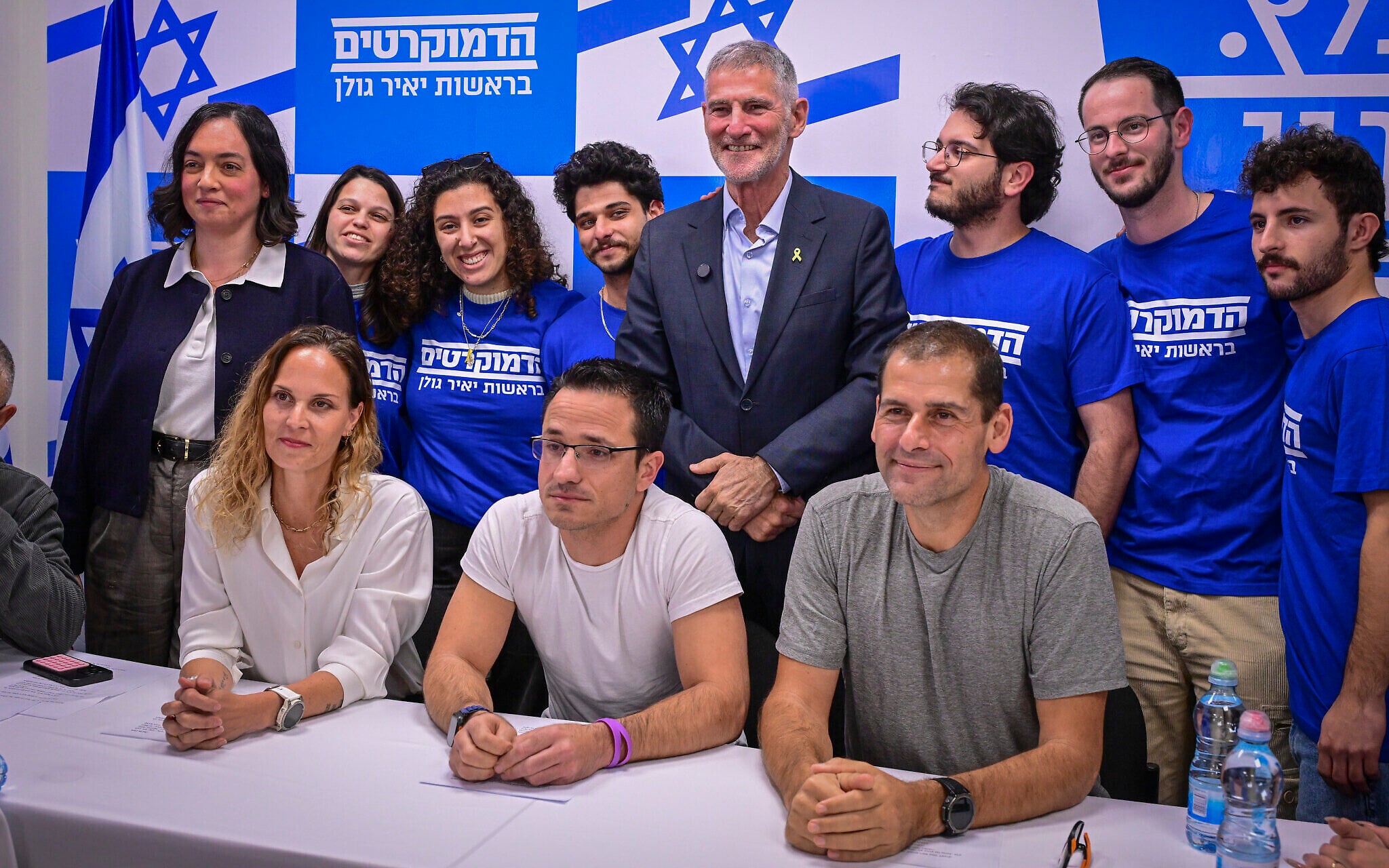
The parties only came together after the last election saw Labor barely squeak in with four seats and Meretz fall out of the Knesset altogether, helping Netanyahu retake power. Now, many of these old-line Labor supporters are moving to former chief of staff Gadi Eisenkot’s Yashar! party.
Just as Labor is being dragged to the left, Likud is being pulled further right, from its attitude toward the judicial system – the fault line at the heart of Israel’s recent constitutional crisis – to the explosive question of ultra-Orthodox conscription.
Ben Gvir is meanwhile running wild, breaking every rule, but Netanyahu, who once was embarrassed even to be photographed in Ben Gvir’s company, now praises all the national security minister’s exploits and hopes to play matchmaker between him and Smotrich.
However, within the ultra-Orthodox parties, the hardline camps mobilizing against any change to the longstanding draft exemptions have had little success in pushing the Haredi mainstream to the edge along with them.
In these days of deep political and social rupture – when even bereaved families are being categorized as “right” or “left” – the political chasm only keeps widening.
Anyone who tries to suggest unity between the blocs – Blue and White leader Gantz, for example – is brushed aside with contempt. Each side hardens its position and digs in, and a decisive outcome drifts further away.
And the only one who stands to benefit from this is, of course, Benjamin Netanyahu.







The Times of Israel Community.