

As Israel-Hamas war intensifies, schools move to remote learning on Sunday
Educators hope experience during COVID will make this round easier, as system grapples with traumatized students and staff called up for reserve duty
 Add ToI as a Preferred Source on Google
Gavriel Fiske is a reporter at The Times of Israel
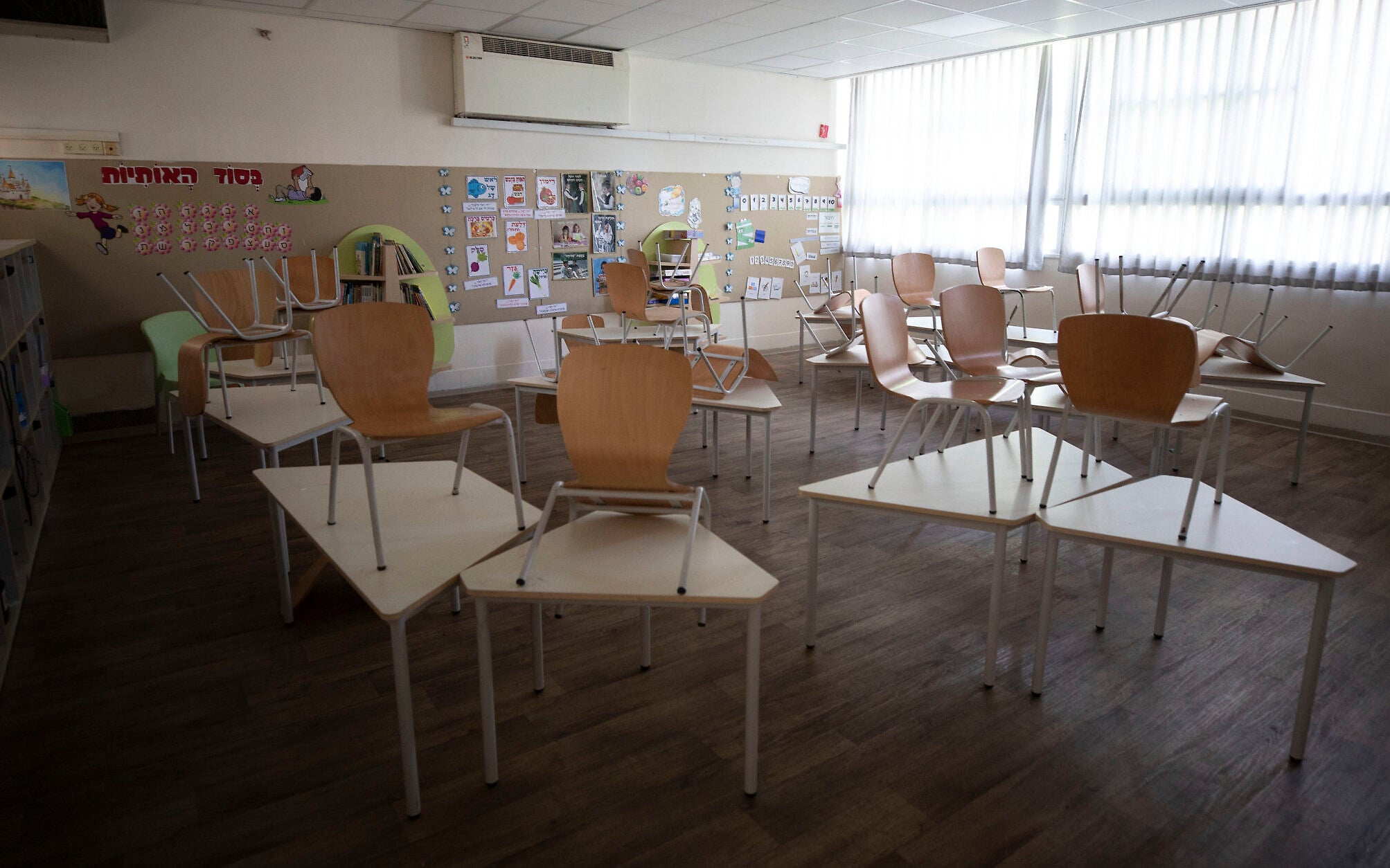
As Israel intensifies its war footing, teachers are also being called up to their own reserve duty — on Zoom. That’s how Hagit Babad, principal of Yehuda Halevy Elementary School in Jerusalem, described the current situation of online teaching facing the school system on Sunday.
“We need to be there for the students and community. We are trying to give all that we can, and we have a community of parents who give a lot of support,” said Babad.
With many of the pupils’ parents called up for the massive deployment of IDF forces currently underway, school teachers, counselors and staff are a critical component in helping Israel’s children navigate these trying days, Babad explained to The Times of Israel.
That task is compounded by a huge change in the format, as the Education Ministry has tasked K-12 schools with a return to distance learning, similar to what was in place during the COVID lockdowns of 2020-21. In a series of directives sent out during the week after the war began, schools received instructions to begin distance learning on Sunday. Some schools already began holding classes or meetings online last week.
The ministry also issued a directive allowing for schools to have some in-person classes or activities starting on Monday, depending on location, security situation and subject to approval by the ministry, the school’s local council, and Home Front Command.
Under this system, the country is divided into three colors: red, the areas adjacent to Gaza, along the central coast (including Ashkelon, Ashdod and Tel Aviv), and along Israel’s northern border, including the Golan, where in-person learning is not allowed at all; yellow, most of the areas in the center/north of the country including Jerusalem, Haifa and West Bank settlements, where in-person learning will be allowed if certain security conditions are met; and green, areas in the far south and southeast (Eilat, the Arava, southern Negev and southern Dead Sea), where in-person learning can be held without restriction.
In a separate statement on Saturday, the Education Ministry announced a month-long delay in the schedule of matriculation exams, which 11th and 12th graders take as part of the graduation process.
It is unclear how long this round of remote learning will last, but for Babab, it means forgetting about traditional academic progress.
“We aren’t expecting the students to advance with educational material,” Babab said, explaining that her priorities were creating a new, daily schedule of activities that would give students a sense of security.
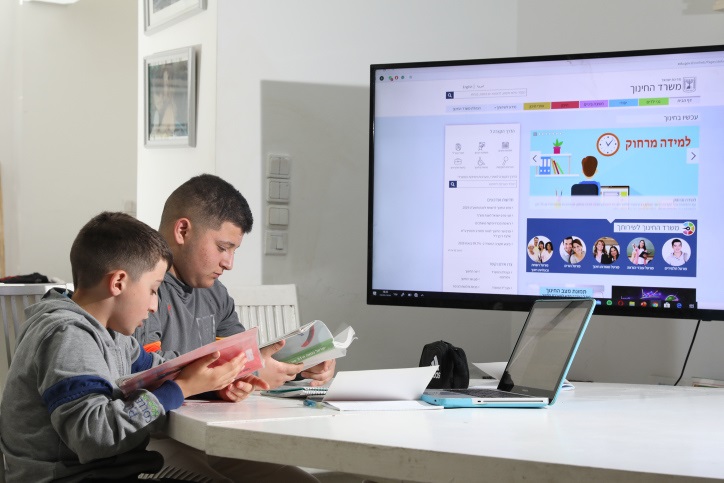
As the war progresses, that may be increasingly problematic. Many of the students in her elementary school have been exposed to graphic images from the war online, Babab said.
”They are on Facebook, TikTok, the news, all the things they overhear from their parents… we want to be their address for what they need, we want to be there for them,” she said.
The system also has to absorb the students and families evacuated from Gaza-adjacent communities. These families, whose exact number is uncertain, are scattered around the country, some staying in hotels, some with relatives, and some with others who have opened their homes. Many of them experienced deeply traumatic events during the initial Hamas assault and massacres.
Lack of computers stymies communities
The Education Ministry has released a series of guidelines to help teachers and staff cope with this influx, along with a 24/7 mental health hotline (*6552). The response, a ministry official told The Times of Israel, has been “overwhelming.”
“We are dealing with a very difficult situation, and many have parents who are now taking part in the fighting. The truth is they are in chaos,” the official said. In many cases, the evacuees don’t have enough computers, so distance learning plans can’t be implemented yet for those families.
The state’s ultra-Orthodox and Arabic populations, who both have separate, state-sponsored schools, face similar issues in returning to distance learning, in that both populations have challenges in accessing enough computers for all students at home. This is especially acute for the ultra-Orthodox, many of whom do not use computers in their daily lives.
Still, the school system’s experience during COVID makes the transition now much easier, the educators interviewed for this article all said, as the administrations and teachers in most cases already have practical experience.
“We already have everything in place for it to happen, which is critical,” educator Yehuda Rothner said. “Last time it took a period of time to get it up and running… I think that we have learned a lot from our mistakes.”

Rothner is the principal of Kol Tzofayich, an experimental religious high school in Kfar Hasidim, near Haifa, and is a veteran of the US Jewish education and summer camp world.
He is “not a fan” of remote education, which has “huge problems because the classroom dynamic is completely absent,” Rothner readily admitted. He said that it’s “still important to make connections, and we have the technology to be able to do that.”
“The most important issue is to have face time with your students, to be able to offer them a situation where they are learning and growing and to deal with the emotional issues they are going through. They need to know that their teachers know them and are thinking of them,” he said.
Change is hard
The transition can cause particular issues for students who are just beginning first grade or entering middle school, said Dr. Naama Gershy, a clinical psychologist and assistant professor at the Hebrew University School of Education.
After COVID, “for kids that were just entering elementary school, we saw the worst outcomes in reading, writing and math skills,” she explained. For older students starting middle or high school, “there were social issues. For each age, there are different effects.”
“Remote learning isn’t just a Zoom class. That’s a narrow approach, and not all kids are able to do that or concentrate without a personal bond with a teacher,” she continued. (The ministry recommends using Google Meet, Microsoft Teams or Zoom for conducting online classes.)
The Education Ministry has “gone through a lot of changes and instability the past year,” Gershy explained, referring to several resignations of high-level officials and the appointment of Yoav Kisch of the Likud party as education minister, under Prime Minister Benjamin Netanyahu’s far-right coalition government.
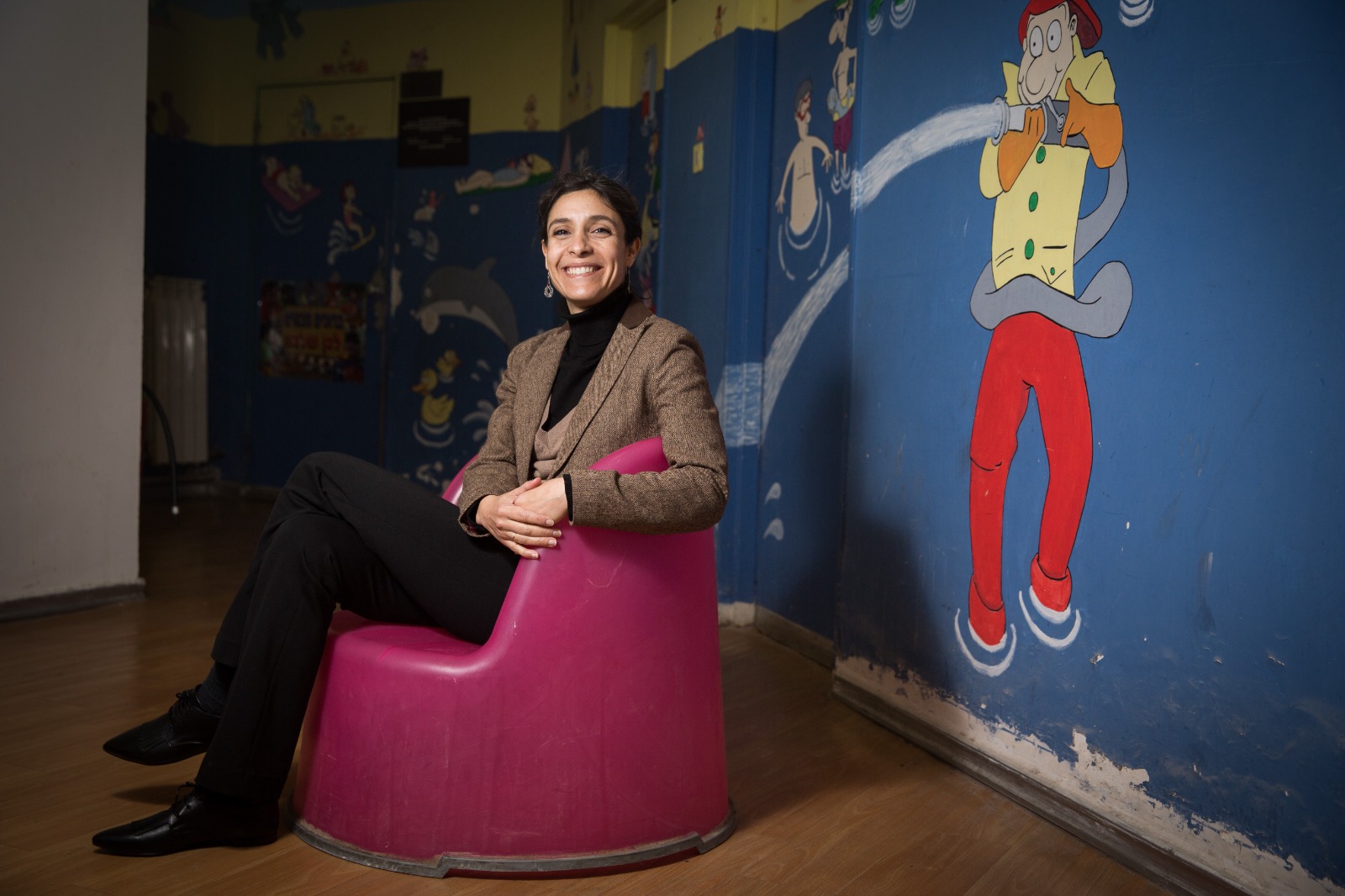
“In the southern district, the education system doesn’t exist and kids are highly traumatized, and I am not sure how much academic learning can take place. It will be impossible with [strict] top-down guidelines… I think that’s what the ministry learned. They have to let go of some of the controls. There were lots of talks about more autonomy post-COVID, and if they are able to do it, there will be more progress. If principals have autonomy, they will be able to approach learning given the unique circumstances of each community,” the professor said.
It does appear that the Education Ministry has tried to learn from the COVID period, as its announcements include “suggestions for activities in all areas of knowledge, intended for all different age groups,” but no hard pedagogical directives. In addition, multiple messages sent to administrators and staff stressed the social and psychological aspects of the program.
“Returning to a learning routine in an emergency is key to strengthening national resilience, and is essential for the population of students, who need a clear framework with a generous, anchoring teacher and meetings with classmates (even if the meeting is digital),” said the ministry in one of its announcements.
Returning to a learning routine in an emergency is key to strengthening national resilience
Some aren’t sanguine about returning to the format.
“I have PTSD from teaching on Zoom during COVID,” said Leah Gottlieb, an art teacher and a mother of four. “The format itself isn’t conducive to learning – it’s a colossal waste of time,” she added.
Her eldest child, who is now in 8th grade, “learned nothing” during COVID, she stressed.
“I did not have a positive experience with it back then, and I feel that it’s going back to that situation, but it’s worse because now there’s war. During COVID, you could lock yourself into your house and feel safe, but now… there’s a feeling of vulnerability. And to sit and teach in that context, with your kids home, it’s too much to ask from anybody, ” Gottlieb said.
Rothner, the principal in Kfar Hassidim, remains upbeat, however.
“I think that we are doing the best that we can in an awful situation. I just hope that this time it won’t last for any more than a week or two,” he said.





The Times of Israel Community.