

As yet another wartime summer affects travel to Israel, Jewish youth programs are pivoting
Visits to the Holy Land can be a formative experience for Diaspora Jews, but constant travel impediments in the turbulent region force trip leaders to innovate – or go elsewhere
 Add ToI as a Preferred Source on Google
Zev Stub is the Times of Israel's Diaspora Affairs correspondent.
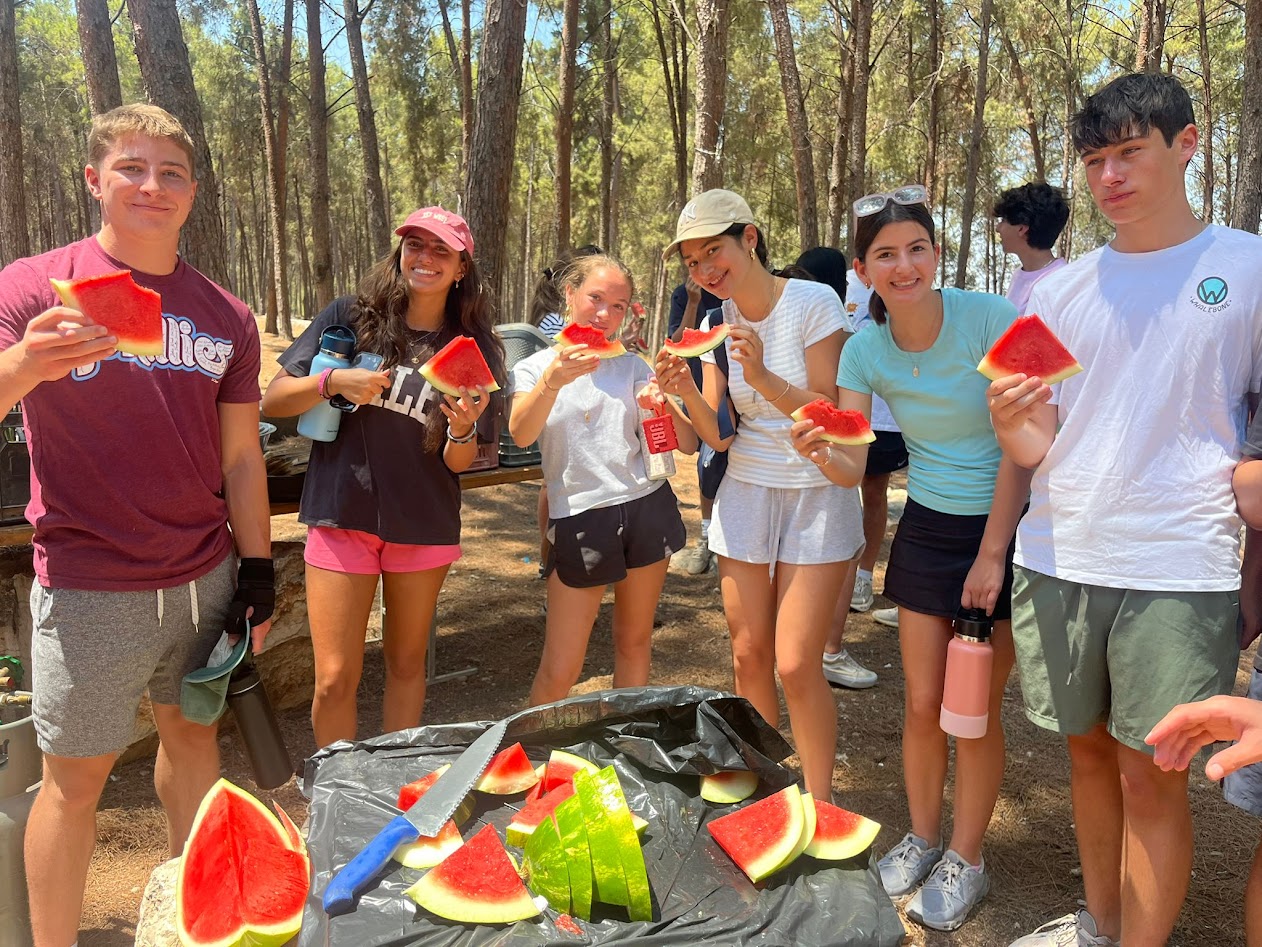
When Israel began its strikes against Iranian nuclear and military targets on June 13, Talia Reidler, the New Jersey-based CEO of the Kol HaNearim summer program in Israel, promised that she wouldn’t allow the war to interfere with the camp for the 420 participants who had signed up.
“We bring kids to volunteer at orphanages and children’s homes across Israel, and dozens of homes are counting on our programming and the donations we’ve raised. So I said, unless they cancel our flight, there’s no way we’re not going,” Reidler recalled, adding that several of the homes are run by the religious Zionist women’s organization Emunah. “And then, a week before we were scheduled to fly, El Al canceled all flights.”
Heartbroken, Reidler told participants’ families that the program would be canceled. When the war ended 12 days later, Reidler was hopeful the program could be salvaged — but found that about half of the participants had already made other plans. Meanwhile, a sudden spike in air travel demand made it seem unlikely the program would be able to secure tickets in any case.
It’s a story that has become common for Israel trip organizers this summer.
Israel’s 12-day Operation Rising Lion against Iran’s nuclear and ballistic missile programs wreaked havoc on summer plans for untold numbers of travelers, including thousands of youth registered for educational programs in Israel.
As many as half of all participants in such programs may have postponed or canceled their visits, tourism professionals have estimated.
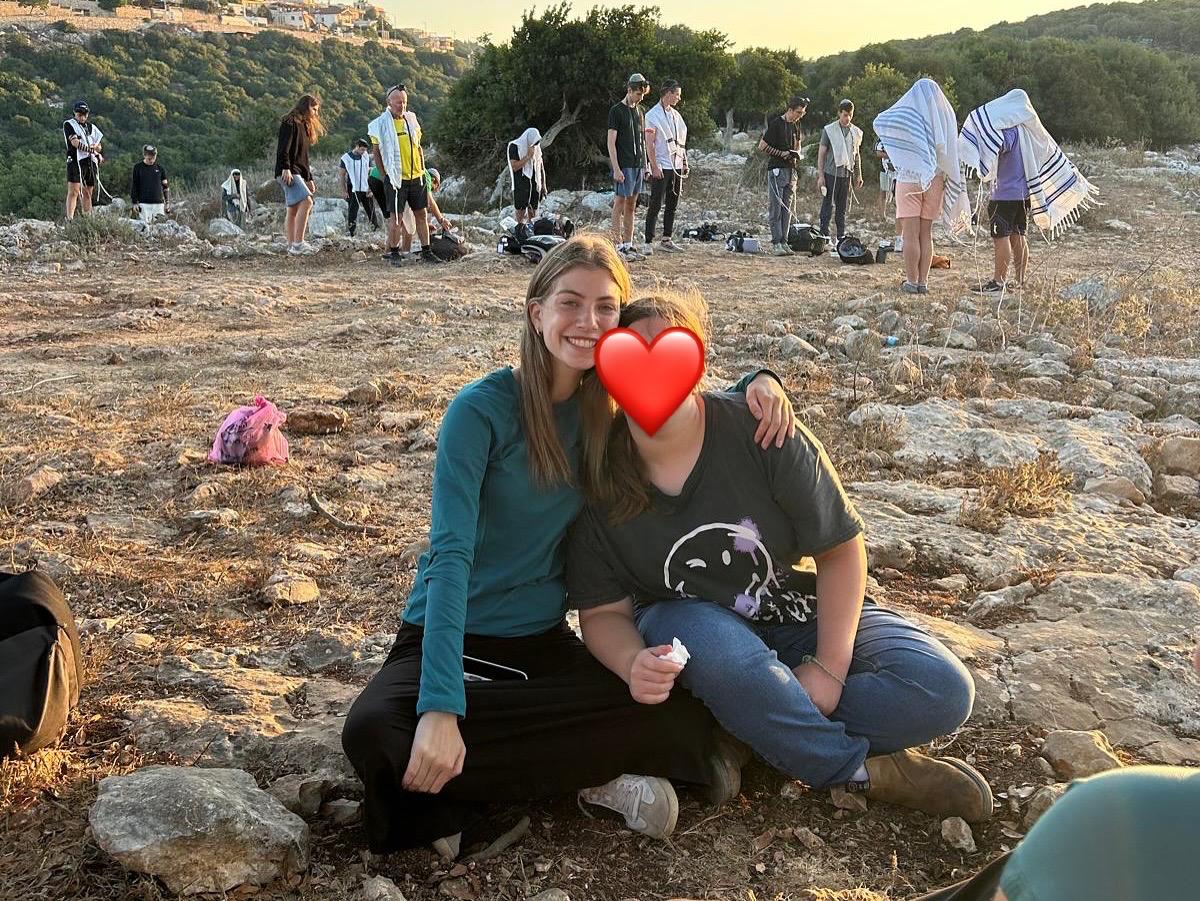
But unlike many others, the Kol HaNearim program managed to overcome the complications caused by the conflict, thanks to Reidler’s perseverance.
“I wrote an email about the importance of our program and sent it to everyone I knew, asking for help,” Reidler said.
Through a series of connections with El Al Airlines arranged by campers’ parents, including a personal meeting with vice chairman Darryl Hagler at a synagogue dinner in Englewood, New Jersey, the camp was eventually able to book 200 participants on a flight and start the program on June 29, just a few days after the original start date.
“El Al understood how important our program is, and they bent over backwards to help us,” Reidler said. “They were simply amazing.”
El Al director of international affairs Stanley Morais confirmed the story, saying that [Reidler] “did everything possible to find a way to get those kids on an El Al flight, and we were able to make it happen.”
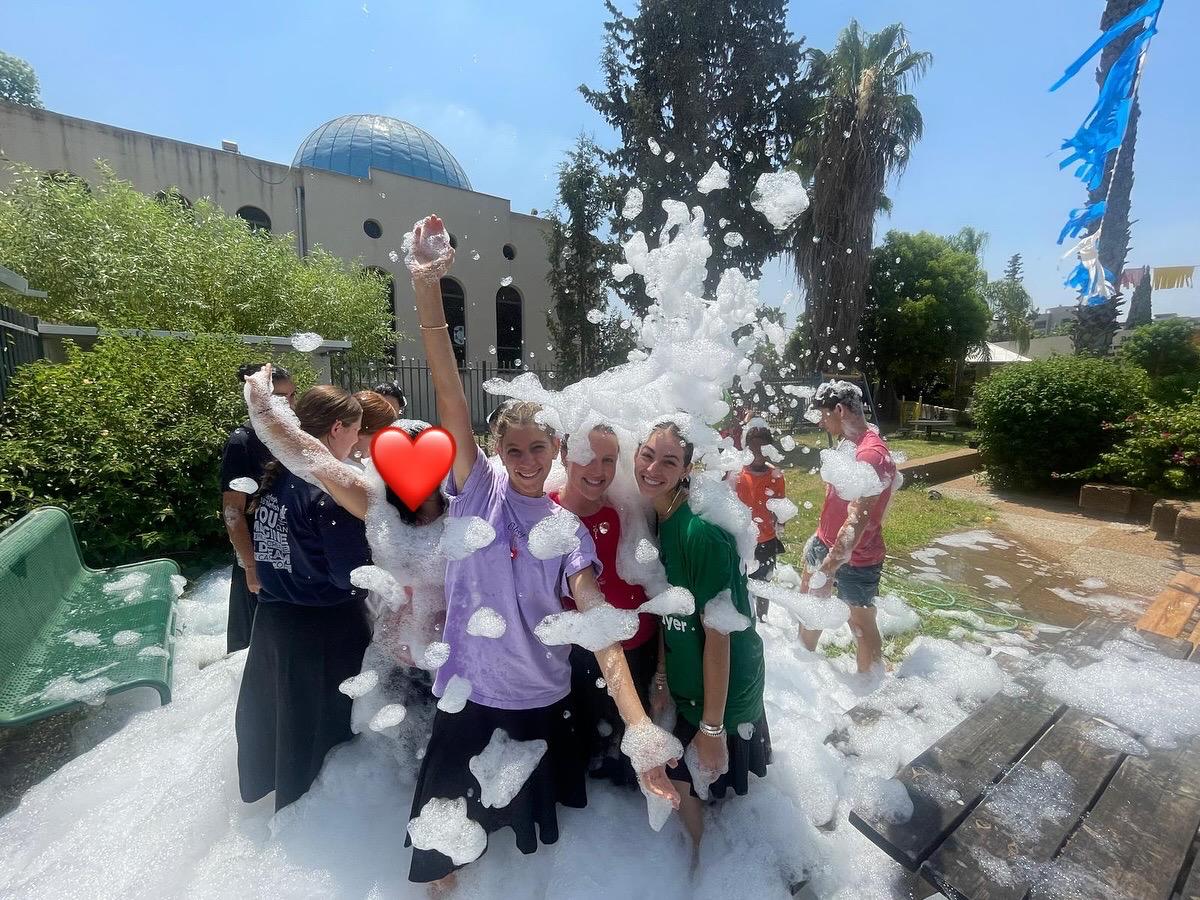
Travel disappointment
At the beginning of 2025, it looked like summer programs in Israel would see a marked recovery after the bloody Hamas-led invasion of October 7, 2023, and subsequent war in Gaza had battered the local tourism industry.
Israel trip organizers were previously expecting 60,000 participants in 2025, after only 35,000 came between the October 7 atrocities and the end of 2024, said Anna Langer, executive director of the Israel Educational Travel Alliance (IETA), which represents 140 such programs.
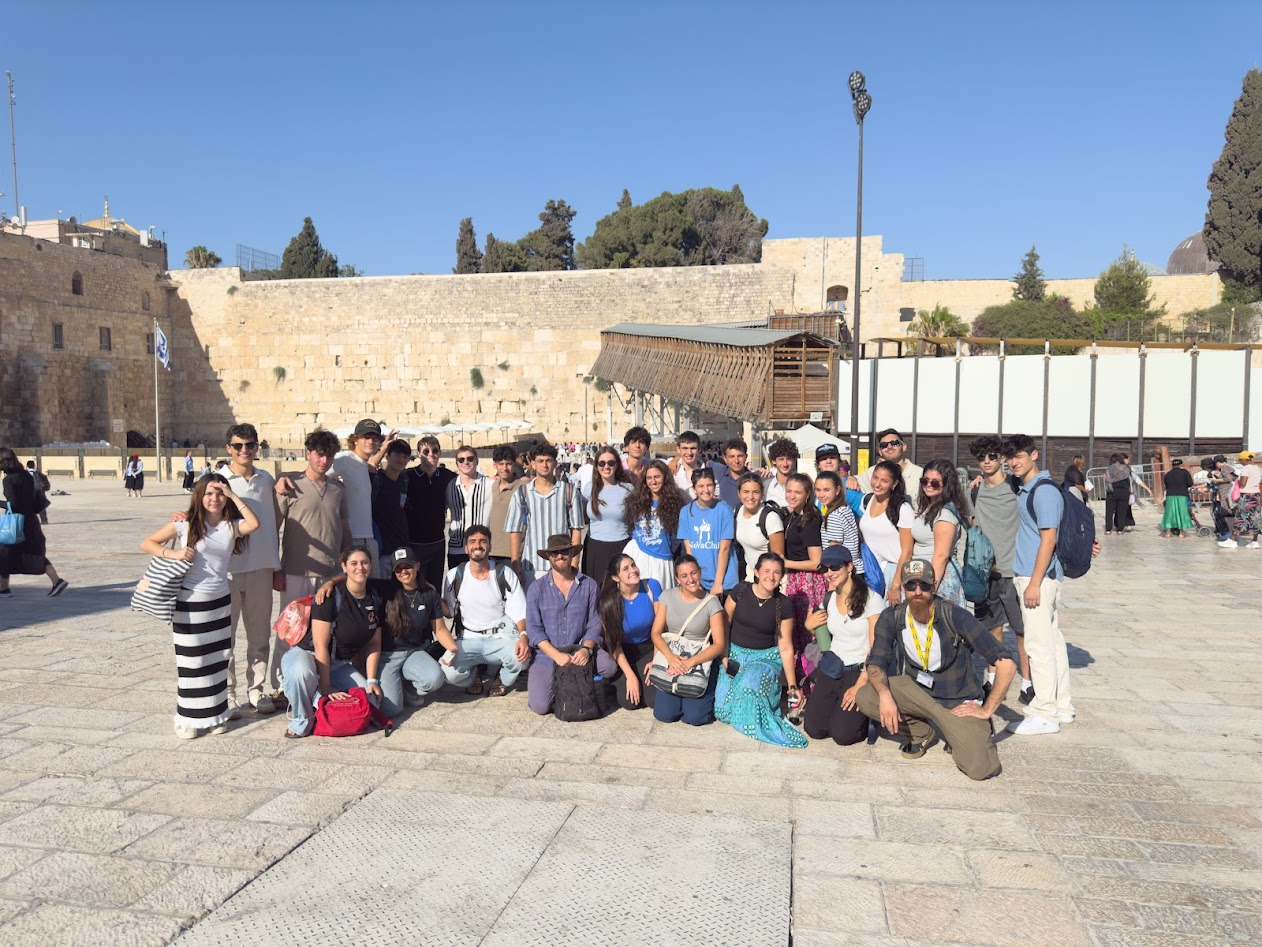
After the Iran war, however, only 30,000 are expected to come this year, including 25,000 scheduled to arrive during the summer, she said.
That’s not all due to fear, Langer stressed. Many of those who canceled still wanted to come, but were unable to reschedule their trips after their itineraries changed, she noted.
Nonetheless, before COVID, about 80,000 people came every year to participate in Jewish educational trips, including Birthright Israel and Honeymoon Israel, Christian programs such as Passages and Christians United for Israel, and other educational tours, Langer said.

The travel alliance was founded in 2020, shortly after the COVID-19 pandemic upended travel around the world.
“It started with the leaders of several large organizations WhatsApping each other about how to handle the new COVID developments,” Langer said.
The alliance, managed by Langer and just one employee, now operates under the auspices of the Jewish Federations of North America and conducts research, shares best practices and advocates for the travel sector on behalf of 140 organizations.
When Israel launched its strikes on Iranian targets, IETA’s partners had 7,500 participants on the ground in Israel. Birthright Israel programs had a further 2,800 participants, for whom Birthright managed arrangements on its own.

Once Israel and Iran reached a ceasefire on June 24, IETA helped prepare the ground for program participants to begin as early as July 1, the first day commercial flights to Israel were available to the general public, Langer noted.
Birthright evacuated participants on a cruise ship to Cyprus several days after the war started. It restarted its summer programming on July 7.
Langer noted that the timing of the war, at the end of the school year for many US students, was fortunate for program organizers, including those of the now-postponed Maccabiah Games, which were scheduled to begin July 8.
“That was a bit of a Godsend, because if it had been a week later, we would have had a lot more people stuck on the ground here,” she said.

In recent months, IETA has begun working directly with El Al and Arkia Israel Airlines, which began international flights earlier this year, to collectively negotiate better rates, priority booking, and more flexible terms for its 140 affiliated organizations, Langer said.
For the first time, IETA will coordinate between airlines and tour organizers to arrange bulk prices, coordinate flight schedules during high-traffic periods, and improve numerous other aspects of group travel, she added.
Minor adjustments
For the groups that arrived in Israel, many were able to run as planned with only slight modifications. Bnei Akiva’s Mach Hach Ba’aretz program only had six cancellations due to the uncertainty of the war out of 570 registered participants, according to the program’s director, Rabbi Dan Katz.
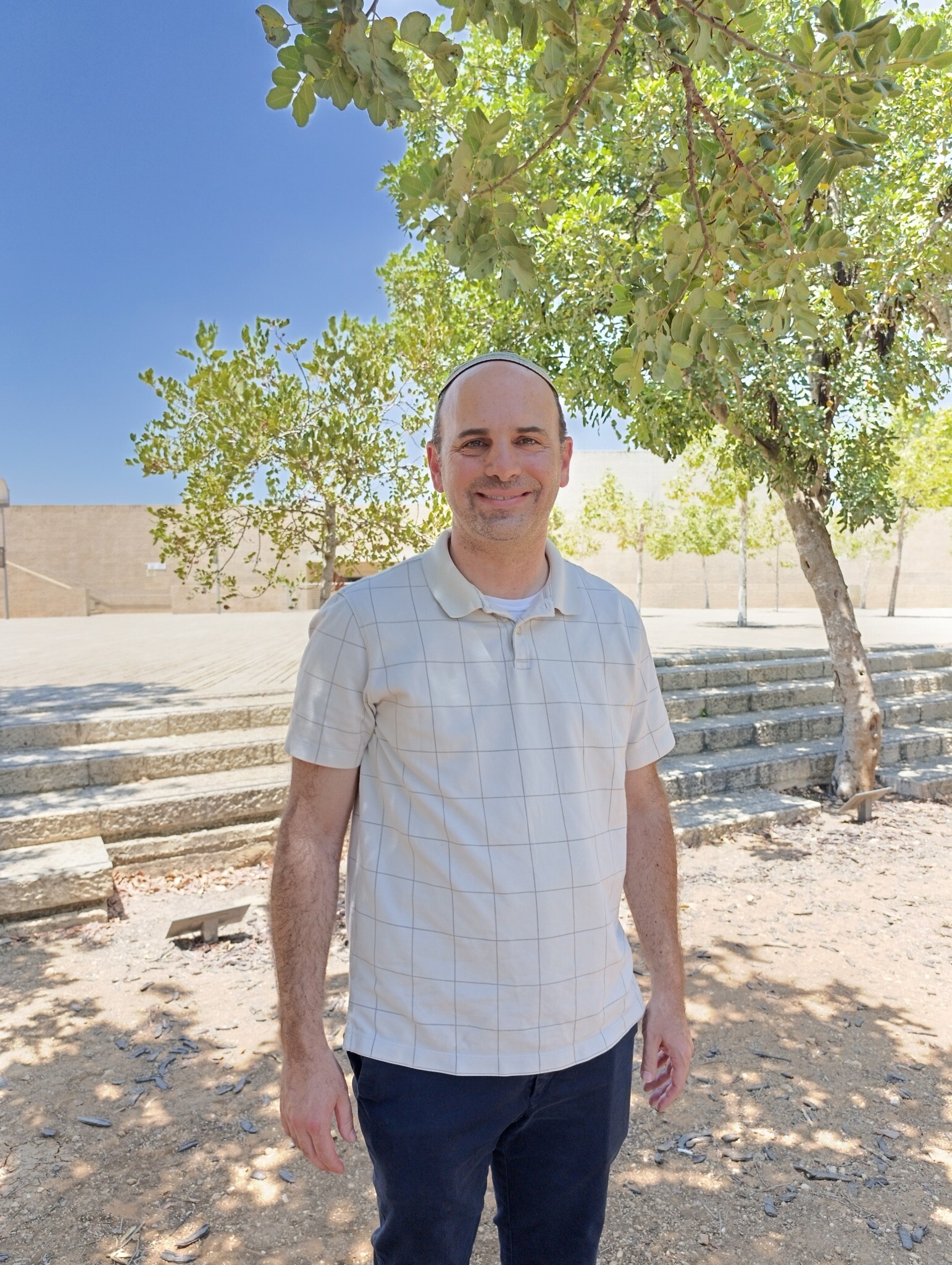
Katz spoke with The Times of Israel while sitting in one of the gardens at the Yad Vashem Holocaust memorial and museum in Jerusalem. Participants on his program, a staple of the Bnei Akiva Zionist youth movement for decades, spend a month touring Israel from north to south, and that day, Katz had brought 14 buses of North American high school students to visit the memorial.
“On the second Monday of the war, we sent parents an email outlining several possible plans in case we were unable to get flights to Israel,” Katz said, sitting in the shade of a tree next to the Warsaw Ghetto monument as his group took a break in the heat. “But a half hour after we sent it, Donald Trump posted on social media that there would be a ceasefire, and everything changed. We still weren’t totally sure what would happen, but by Wednesday, we were able to tell parents that we would run as scheduled. Some had security concerns, but 99% remained committed to the program.”
This year’s group is the largest ever for Bnei Akiva, according to Sharon Shlomo, CEO of The Israel Experience, the tour operator managing the tour.
The uncertainty beforehand was excruciating for some participants.
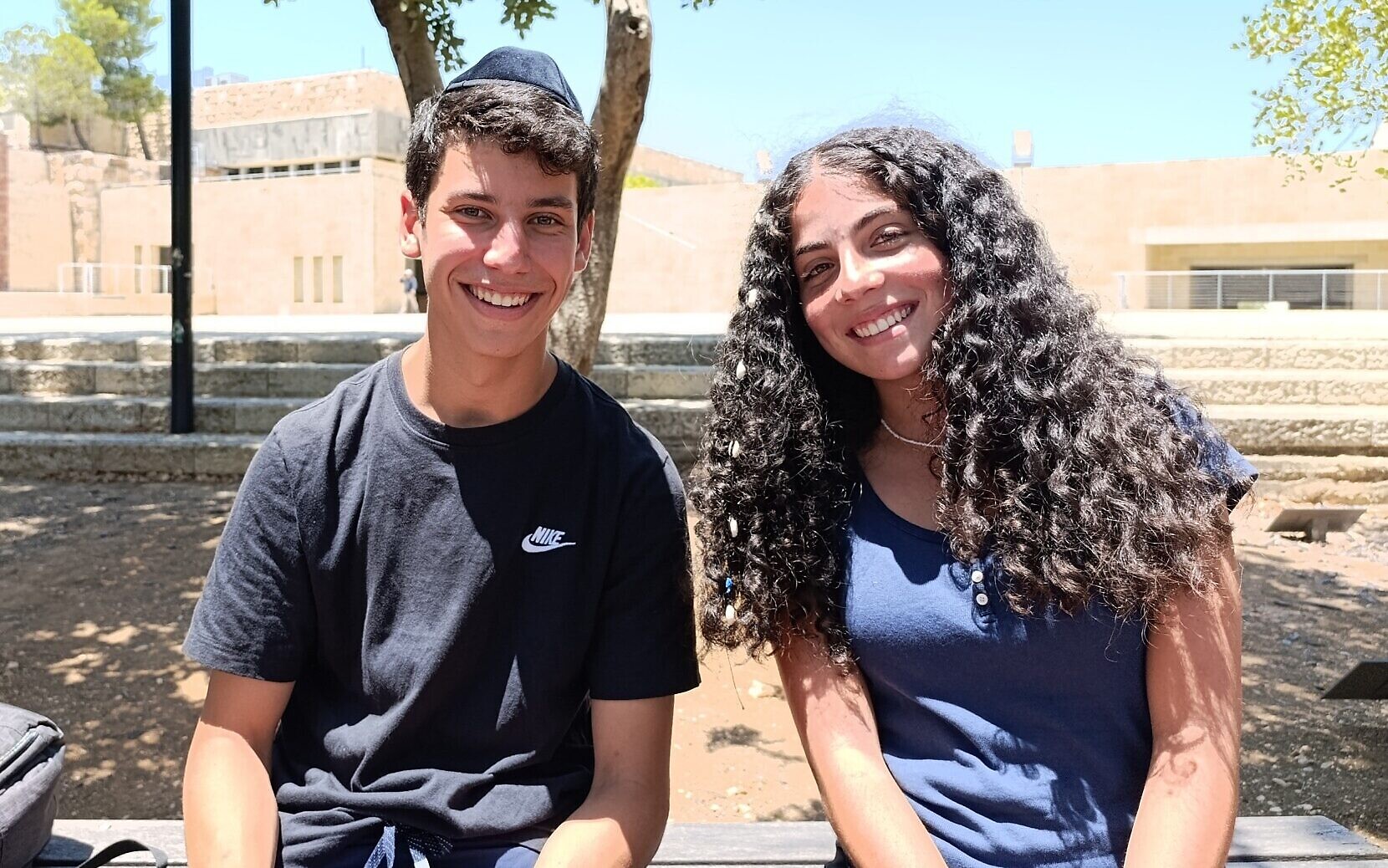
“I thought it wasn’t going to happen, and I was kind of bummed out that my summer would be ruined,” recalled Bina Khodorkovsky, a 16-year-old girl from Brooklyn, New York. “I didn’t go shopping for any of the things I would need for the trip until a week before the group flight.”
Another 16-year-old, Shmuly Nerenberg of Riverdale, New York, also felt stuck during the war.
“My original plan was to go to Paris for a week and spend some time in Jerusalem with my sister before Mach Hach started, but once the war started, I thought I wouldn’t be able to get to Israel,” he said. “In the end, we had to reschedule my flight, but it worked out okay.”
Katz, who has served as director of the program since 2012, has more experience with uncertainty.
“This is my third war summer, and we’ve also had COVID summers,” he said. “This summer has been different because most of the chaos was before we arrived. We’ve also adjusted the itinerary to add more meaningful stops related to the situation, like visiting the Gaza border communities and making barbecues for IDF soldiers. But since we started, it has actually felt more peaceful than usual.”
Pivoting outside Israel
For RootOne, a non-profit formed in 2020 to help make Israel trips more affordable and accessible for teens, the past few months have been a bit more complicated.
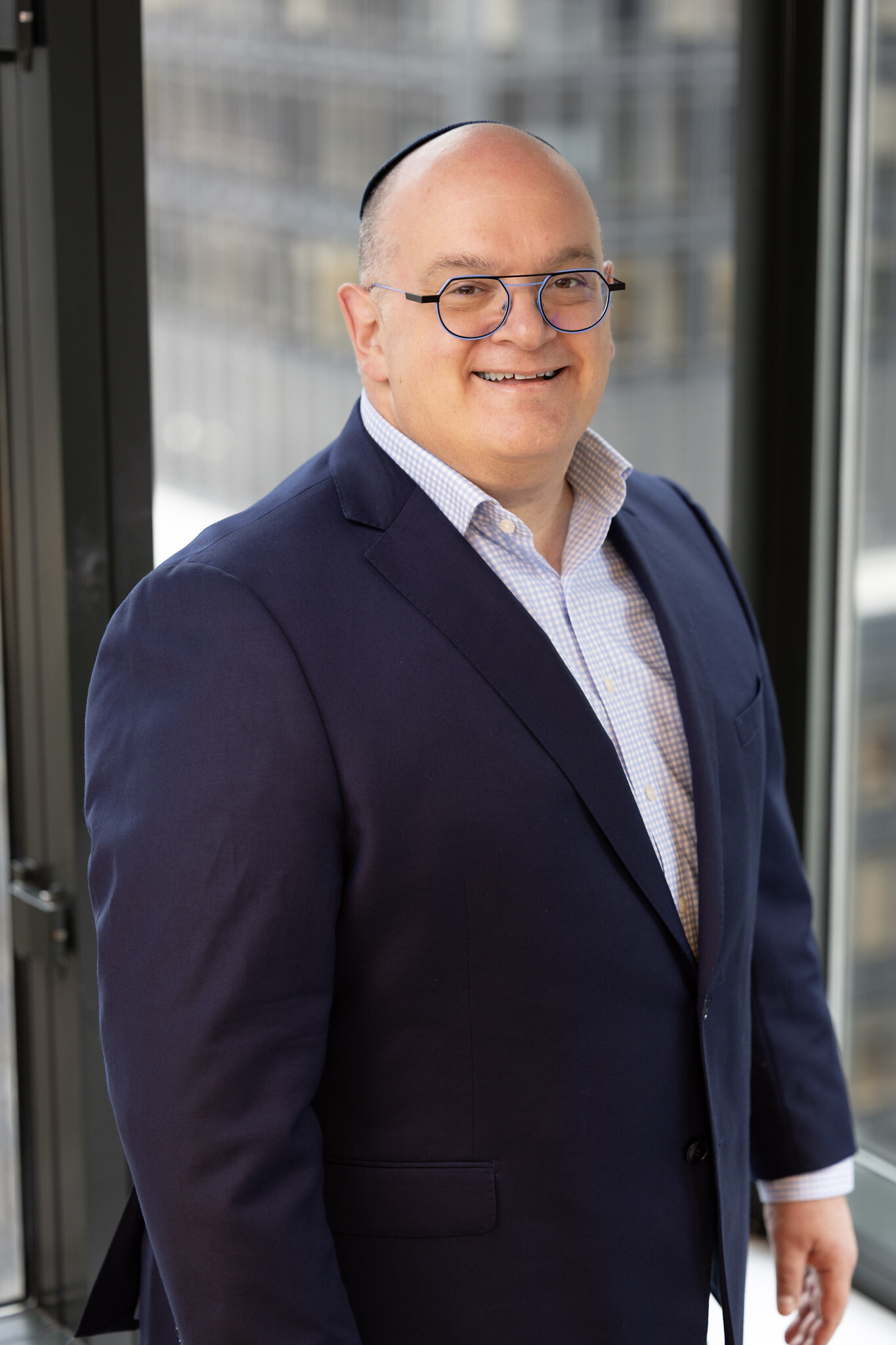
“Israel travel has been a wild card for at least three of the last five years, and some of our funders have been asking, ‘Is this ever going to stop?'” said Simon Amiel, RootOne’s executive director. “There’s nothing that can compare to an educational program in Israel, but this year, as a temporary measure, we have also begun working with several Jewish educational programs outside of Israel.”
RootOne was founded by the late Jewish philanthropist Bernie Marcus, a passionate Zionist who made his fortune as the co-founder of Home Depot.
“Bernie prided himself on his ability to see around corners, and he saw 10 years ago that US college campuses would be at the epicenter of battles over antisemitism and anti-Zionism. The idea of RootOne is to make it easier to bring Jewish youth to Israel before college.”
That’s different from Birthright Israel, which has brought more than 900,000 young adults aged 18-26 to Israel on its flagship 10-day tour since 1999.
“Birthright is fantastic, but our goal is to prepare them before they step foot on a college campus,” Amiel said.
RootOne provides vouchers of about $3,000 for high school students to attend Jewish educational programs that normally cost upwards of $7,000 for the summer.
“That still doesn’t make these programs cheap, but it can move the needle for many families,” Amiel said.
Before RootOne was founded, fewer than 2,500 students attended Israel programs affiliated with non-Orthodox movements each summer, Amiel said. By 2023, that number had jumped to 5,500, and Amiel wants to eventually reach 15,000 a year.
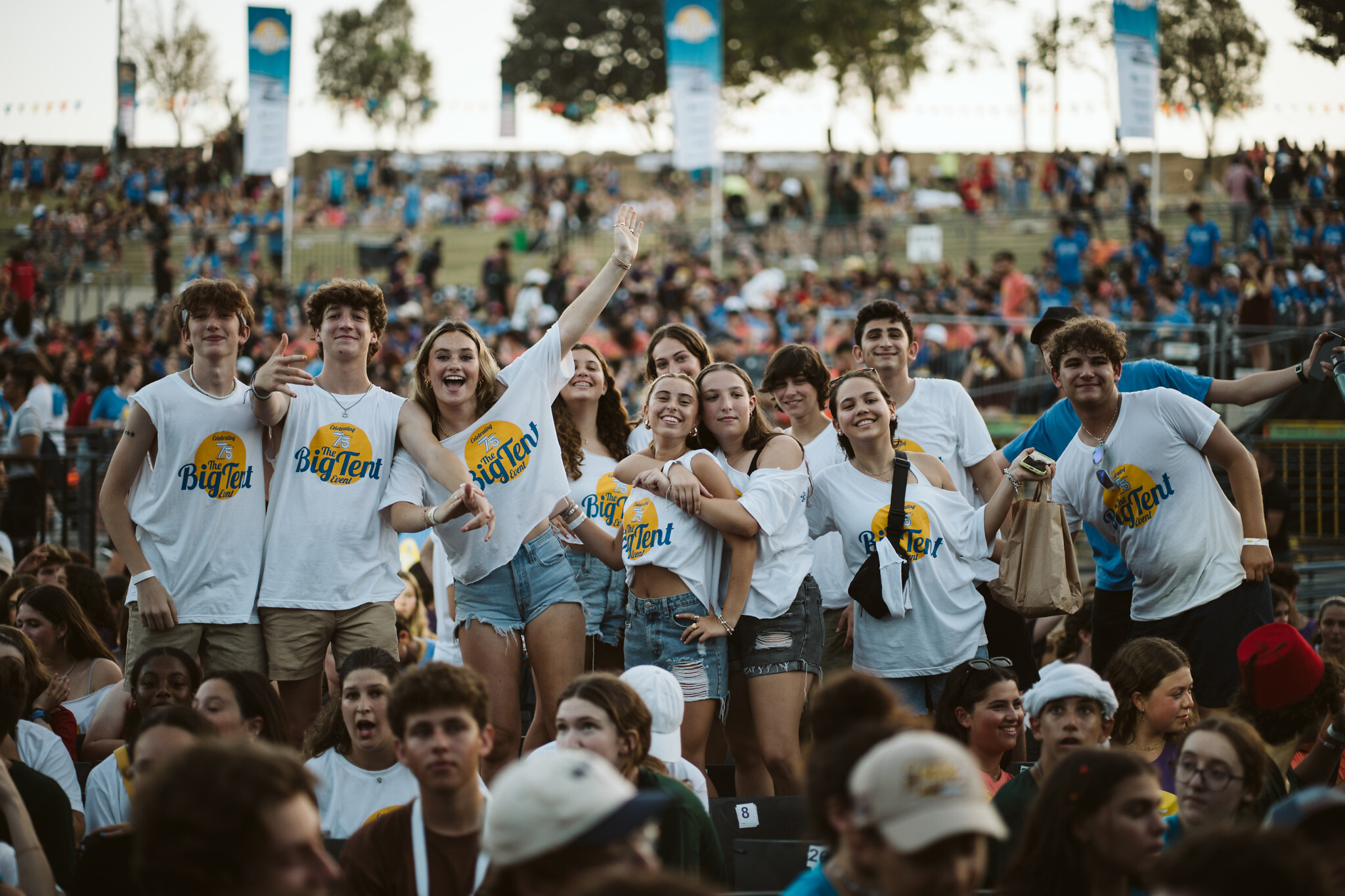
But geopolitical events haven’t cooperated. In the summer of 2024, the first after the October 7 massacres, only 800 teens came to Israel with the help of RootOne, Amiel said. This year, RootOne provided vouchers for 4,000 students to participate in 43 different trips from 16 different trip providers, but about 1,500 canceled due to the Iran war.
Meanwhile, about 900 participated in more than a dozen Jewish-themed tours outside Israel, including 500 who had switched tracks after the war erupted, Amiel said.
“When the war with Iran started, we were able to move a bunch of them over to alternative trips in places like Prague and Paris and London,” Amiel said. “There is value in the immersive nature of spending time with influential Jewish figures on buses and in hotels, even if it’s far less than what you can accomplish in Israel. This is a pivot that reflects the reality we live in.”






The Times of Israel Community.