

Asked if he’ll attack North Korea, Trump says, ‘We’ll see’
After Pyongyang claims ‘perfect success’ in its most powerful nuclear test yet, US president threatens to stop all trade with regime’s partners
 Add ToI as a Preferred Source on Google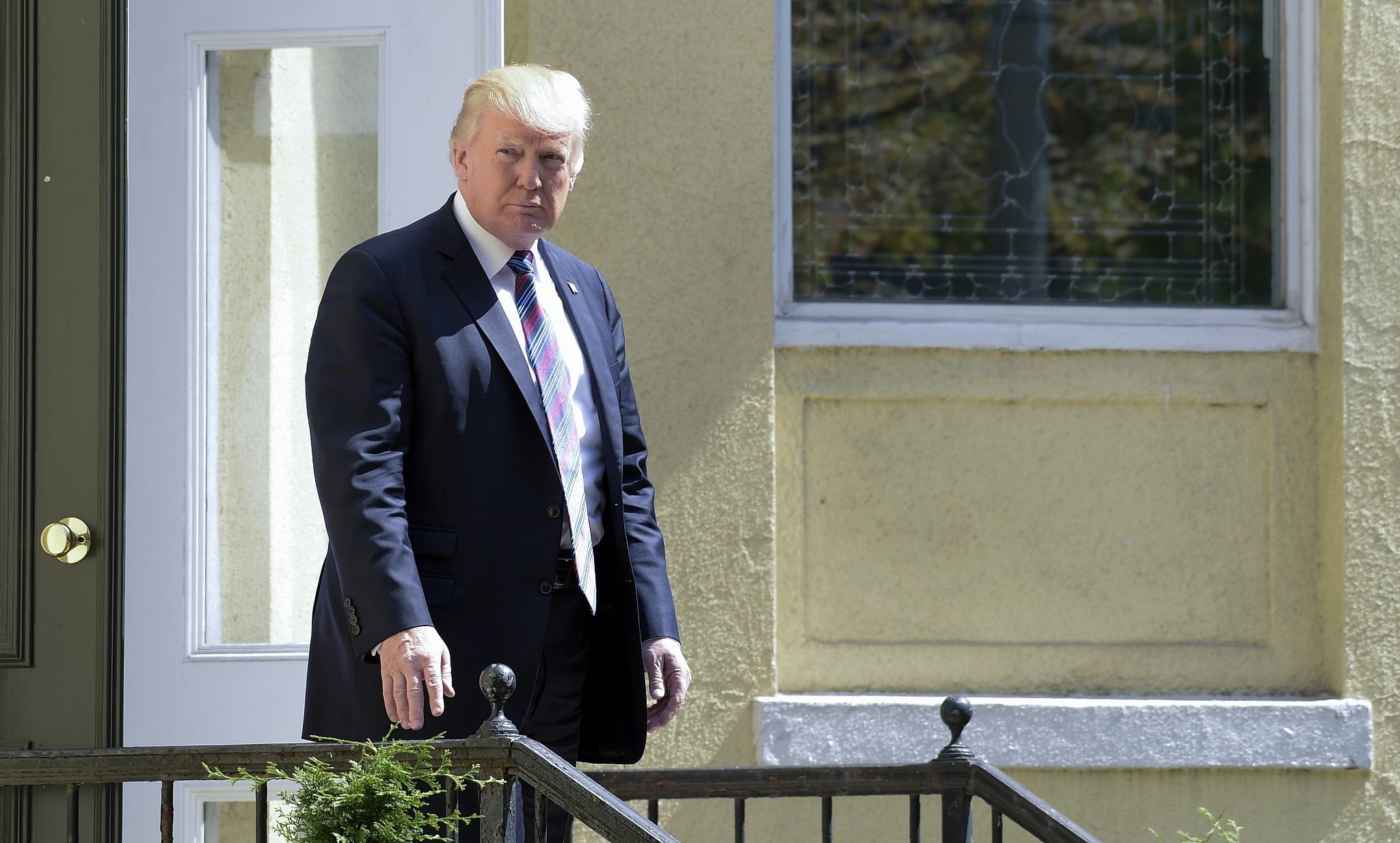
WASHINGTON (AP) — North Korea on Sunday claimed a “perfect success” for its most powerful nuclear test so far, a further step in the development of weapons capable of striking anywhere in the United States. US President Donald Trump, asked if he would attack the North, said, “We’ll see.”
He also suggested squeezing China, the North’s patron for many decades and a vital US trading partner, on the economic front, in hopes of persuading Beijing to exert leverage on its neighbor. Trump tweeted that the US is considering “stopping all trade with any country doing business with North Korea.”
The United States is considering, in addition to other options, stopping all trade with any country doing business with North Korea.
— Donald J. Trump (@realDonaldTrump) September 3, 2017
The latest military provocation from the isolated communist country reinforces the danger facing America, Trump said earlier in a series of tweets, adding that “talk of appeasement” is pointless.
“They only understand one thing!” Trump wrote, without elaboration, as he prepared to meet later with his national security team, which he said would include John Kelly, his chief of staff, as well as Defense Secretary Jim Mattis “and other military leaders.”
South Korea is finding, as I have told them, that their talk of appeasement with North Korea will not work, they only understand one thing!
— Donald J. Trump (@realDonaldTrump) September 3, 2017
Sunday’s detonation by North Korea was the first nuclear test since Trump took office in January.
After attending church near the White House, Trump made his “We’ll see” comment in response to a question from reporters.
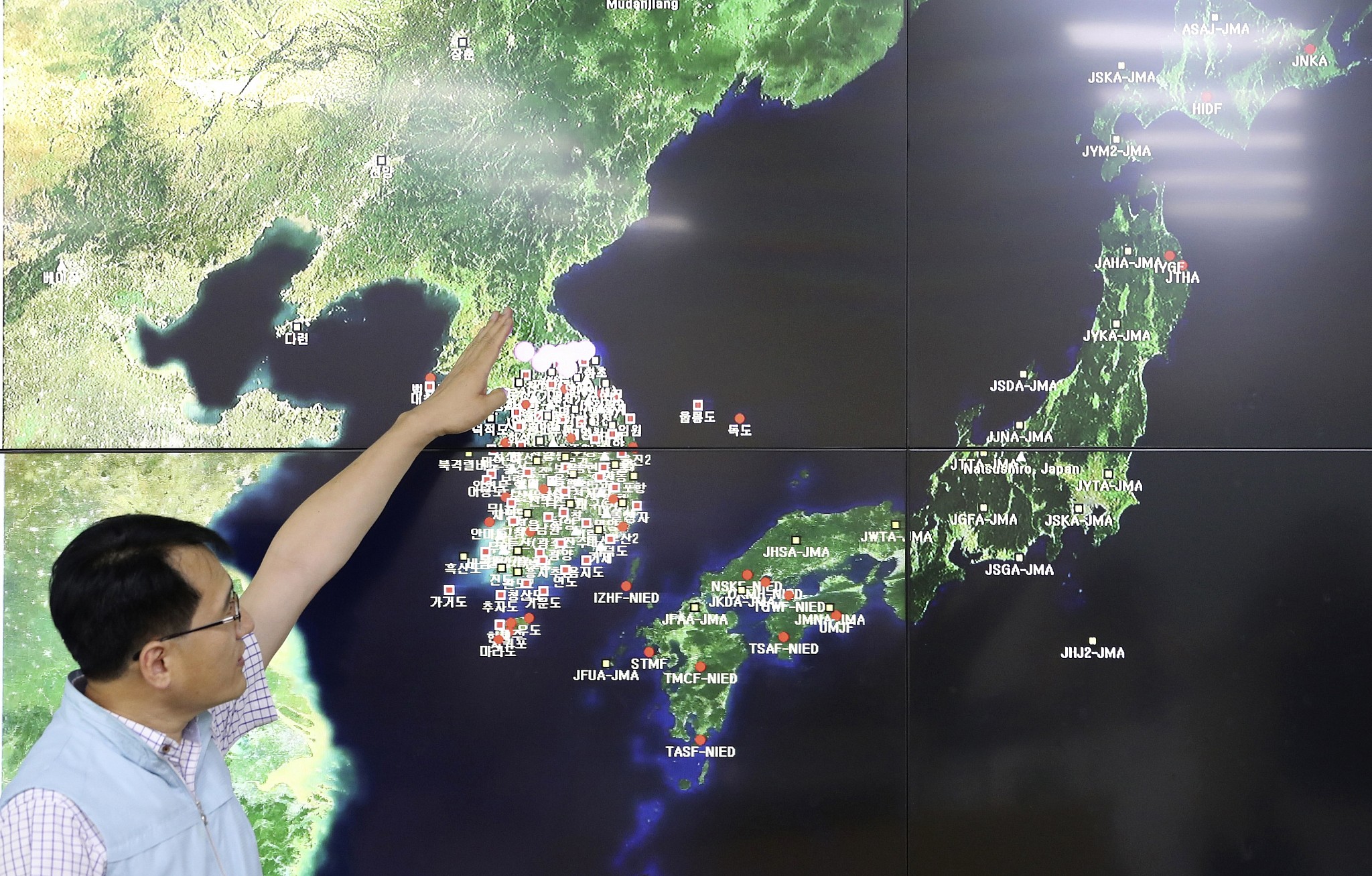
The precise strength of the explosion, described by state-controlled media in North Korea as a hydrogen bomb, has yet to be determined. South Korea’s weather agency said the artificial earthquake caused by the explosion was five times to six times stronger than tremors generated by the North’s previous five such tests. The impact reportedly shook buildings in China and in Russia.
Secretary of State Rex Tillerson was calling counterparts in Asia, and Trump’s treasury secretary, Steven Mnuchin, said he was putting together proposed new sanctions for Trump to consider that would seek to cut off trade with North Korea.
The action suggested in Trump’s trade tweet would be radical: The US imports about $40 billion in goods a month from China, North Korea’s main commercial partner.
It’s unclear what kind of penalties might make a difference. Lassina Zerbo, head of the UN test ban treaty organization, said sanctions already imposed against North Korea aren’t working.
Trump warned last month that the US military was “locked and loaded, should North Korea act unwisely” and that the US would unleash “fire and fury” on the North if it continued to threaten America. The bellicose words followed threats from North Korea to launch ballistic missiles toward the US Pacific territory of Guam, intending to create “enveloping fire” near the military hub that’s home to US bombers.
The North’s latest test was carried out at 12:29 p.m. local time at the Punggye-ri site where it has conducted past nuclear tests. Officials in Seoul put the magnitude at 5.7; the US Geological Survey said it was a magnitude 6.3. The strongest artificial quake from previous tests was a magnitude 5.3.
“North Korea has conducted a major Nuclear Test. Their words and actions continue to be very hostile and dangerous to the United States,” Trump said in the first of a series of tweets.
He branded North Korea “a rogue nation which has become a great threat and embarrassment to China, which is trying to help but with little success.”
Yet Trump appeared to be more critical of South Korean President Moon Jae-in, who has attempted to reach out to the North.
“South Korea is finding, as I have told them, that their talk of appeasement with North Korea will not work, they only understand one thing!” Trump said.
China’s official Xinhua News Agency said President Xi Jinping and Russian leader Vladimir Putin, meeting on the sidelines of a Beijing-led economic summit, agreed “to adhere to the goal of the denuclearization of the Korean Peninsula, have close communication and coordination and properly respond” to the test.
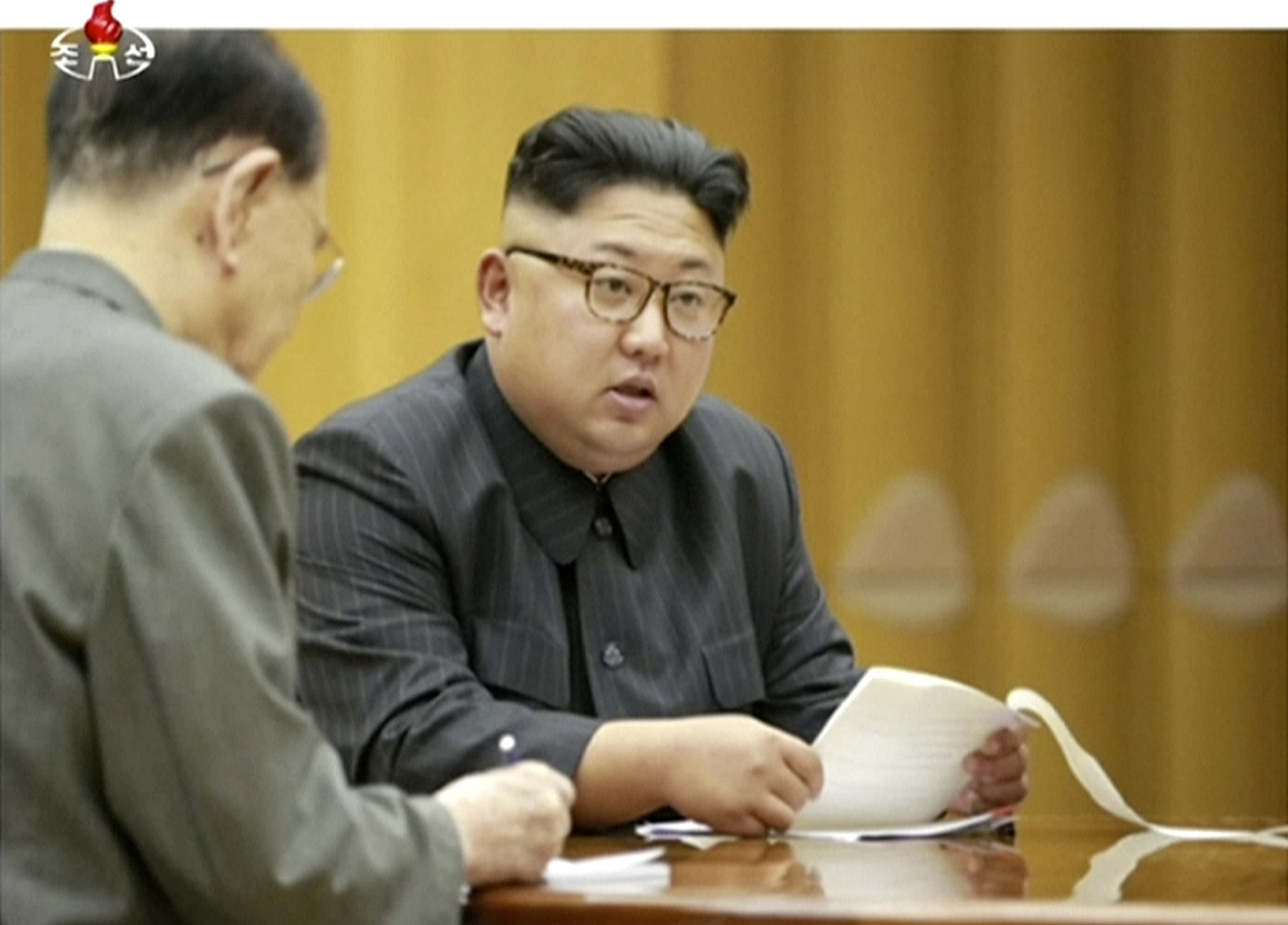
North Korea’s state-run television broadcast a special bulletin to announce the test and said leader Kim Jong Un attended a meeting of the ruling party’s presidium and signed the go-ahead order. Earlier, the party’s newspaper ran a front-page story showing photos of Kim examining what it said was a nuclear warhead being fitted onto the nose of an intercontinental ballistic missile.
Sunday’s detonation builds on recent North Korean advances that include test launches in July of two ICBMs that are believed to be capable of reaching the mainland US The North says its missile development is part of a defensive effort to build a viable nuclear deterrent that can target US cities.
The North claimed the device it tested was a thermonuclear weapon — commonly called a hydrogen bomb. That could be hard to independently confirm. It said the underground test site did not leak radioactive materials, which would make such a determination even harder.
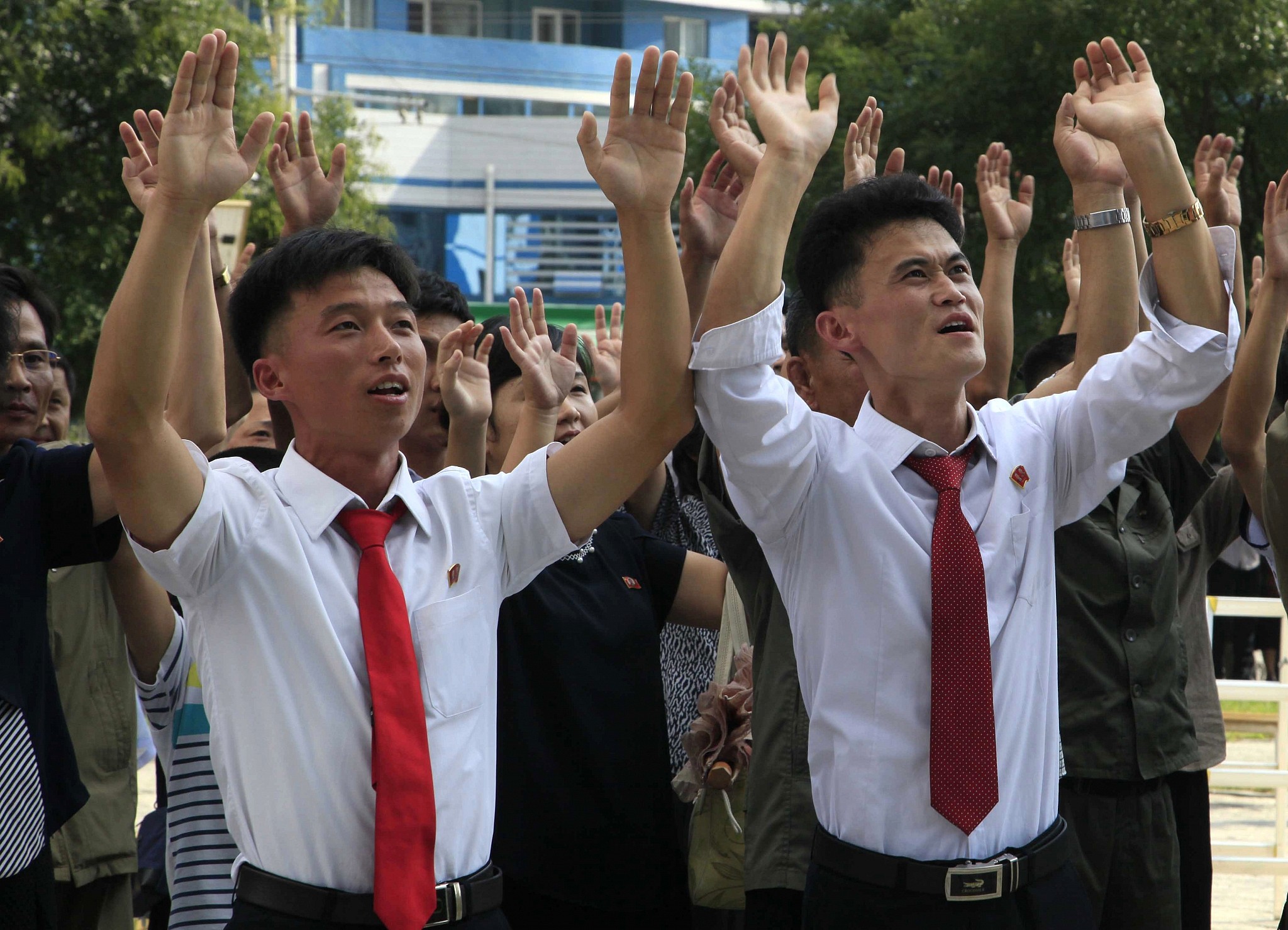
At the same time, the simple power of the blast was convincing. Japan’s Defense Minister Itsunori Onodera said it might have been as powerful as 70 kilotons. North Korea’s previous largest was thought to be anywhere from 10 to 30 kilotons.
“We cannot deny it was an H-bomb test,” Onodera said.
North Korea conducted two nuclear tests last year and has been launching missiles at a record pace this year. It fired a potentially nuclear-capable midrange missile over northern Japan last week in response to ongoing US-South Korea military exercises.
It said that launch was the “curtain raiser” for more activity to come.
Just before Sunday’s test, according to state media, Kim and the other senior leaders at the party presidium meeting discussed “detailed ways and measures for containing the US and other hostile forces’ vicious moves for sanctions.”
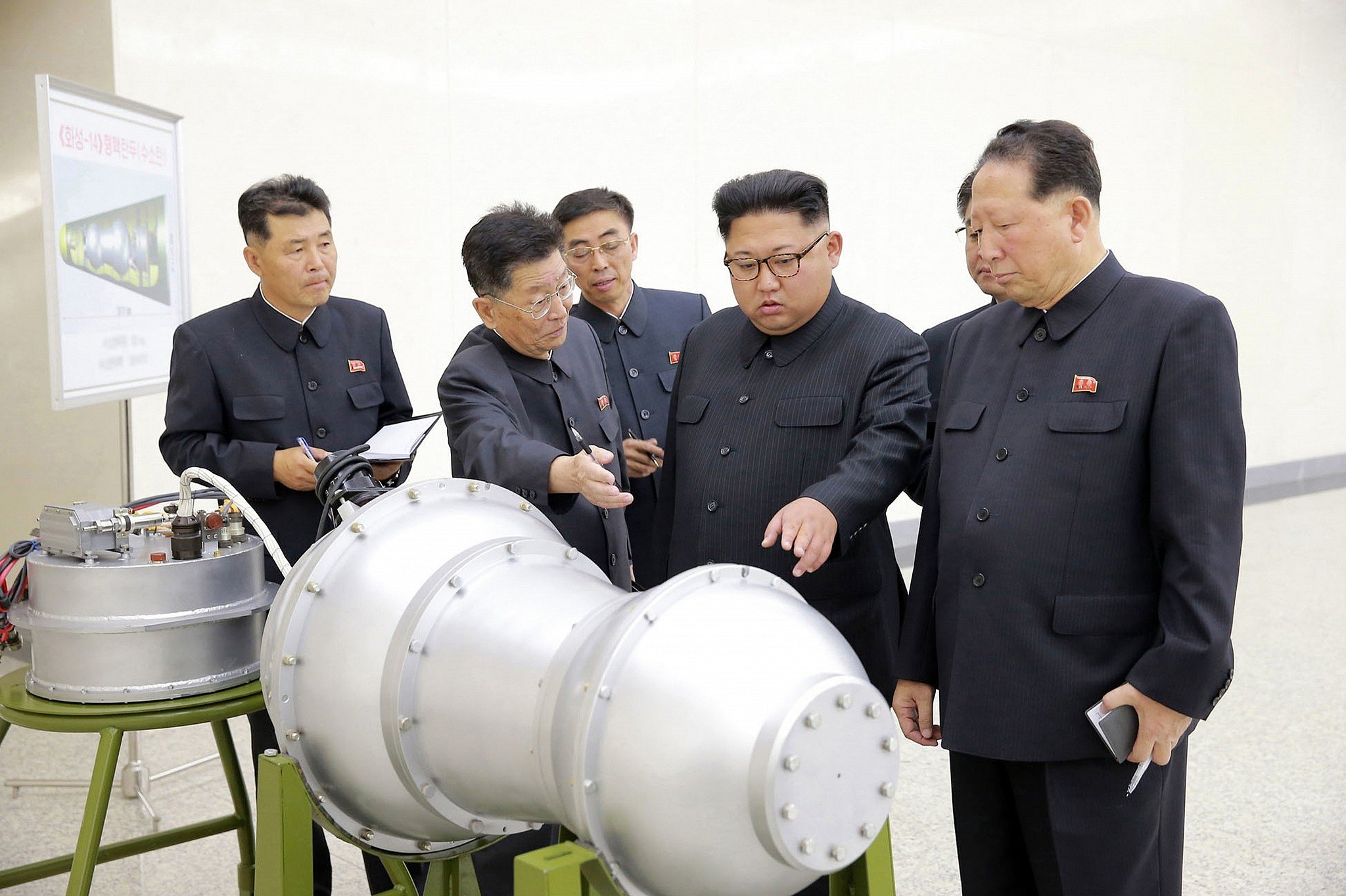
The photos released earlier showed Kim talking with his lieutenants as he observed a silver, peanut-shaped device that the state-run media said was designed to be mounted on the North’s “Hwasong-14” ICBM.
The North claims the device was made domestically and has explosive power that can range from tens to hundreds of kilotons. For context, the bomb dropped on Hiroshima by the US had a 15-kiloton yield.
North Korea’s recent activity has been especially bold.
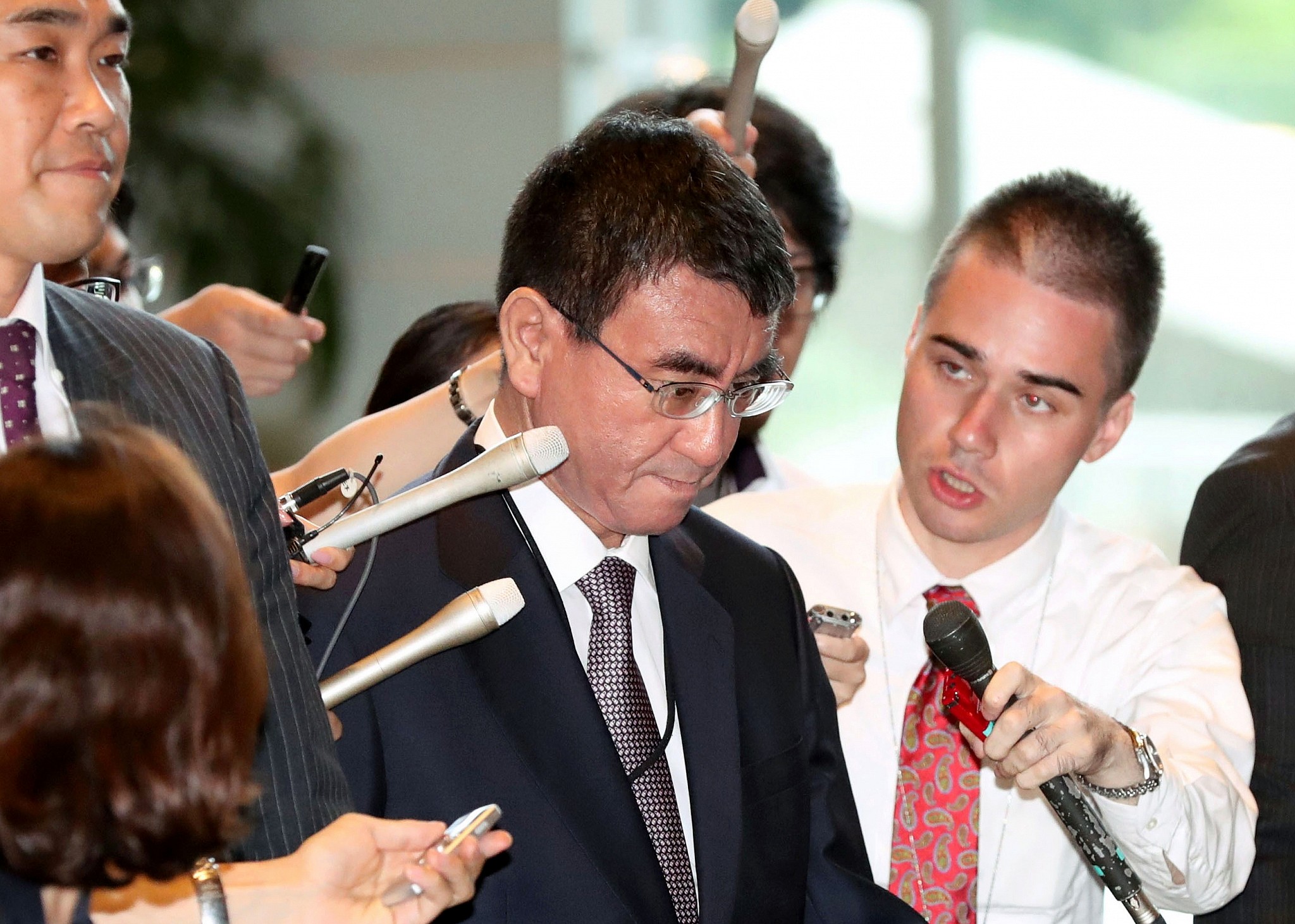
The North followed its two ICBM tests by announcing a plan to fire intermediate range missiles toward Guam. Kim signed off on the plan, but is watching the moves by the US before deciding when or whether to carry it out.
Guam is a sore point for the North because it is home to a squadron of B-1B bombers that the North fears could be used to attack their country. The US on Thursday had sent the bombers and F-35 stealth fighters to the sky over South Korea in a show of force — and North Korea strongly protested.
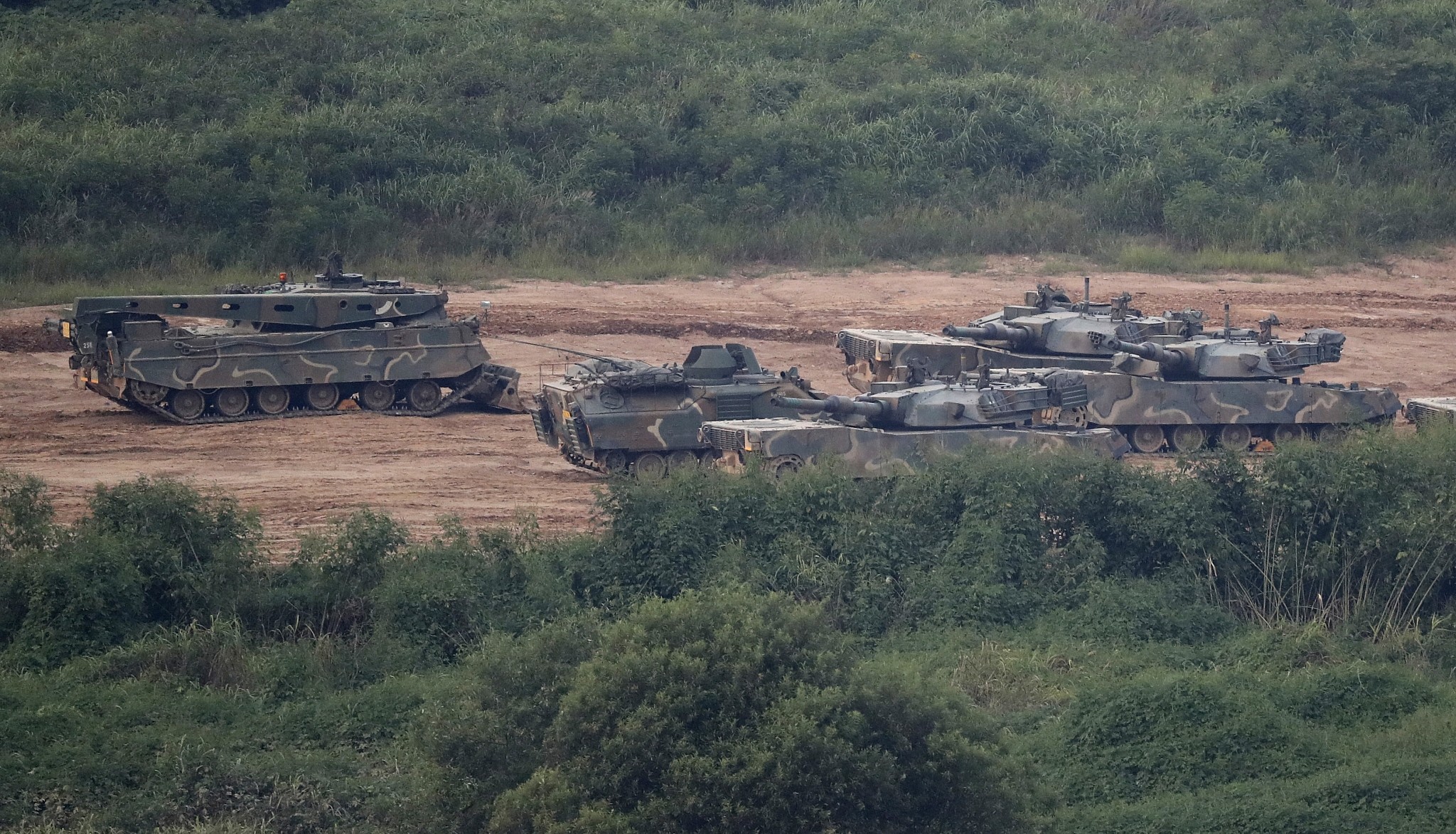
The two Koreas have shared the world’s most heavily fortified border since their war in the early 1950s ended with an armistice, not a peace treaty. About 28,500 American troops are deployed in South Korea as deterrence against North Korea.


The Times of Israel Community.