

At Israel’s northern tip, pre-state history meets winter fun
In between hitting the slopes of Mt. Hermon, tourists can enjoy plenty of educational, family-friendly activities around nearby Kfar Giladi
 Add ToI as a Preferred Source on Google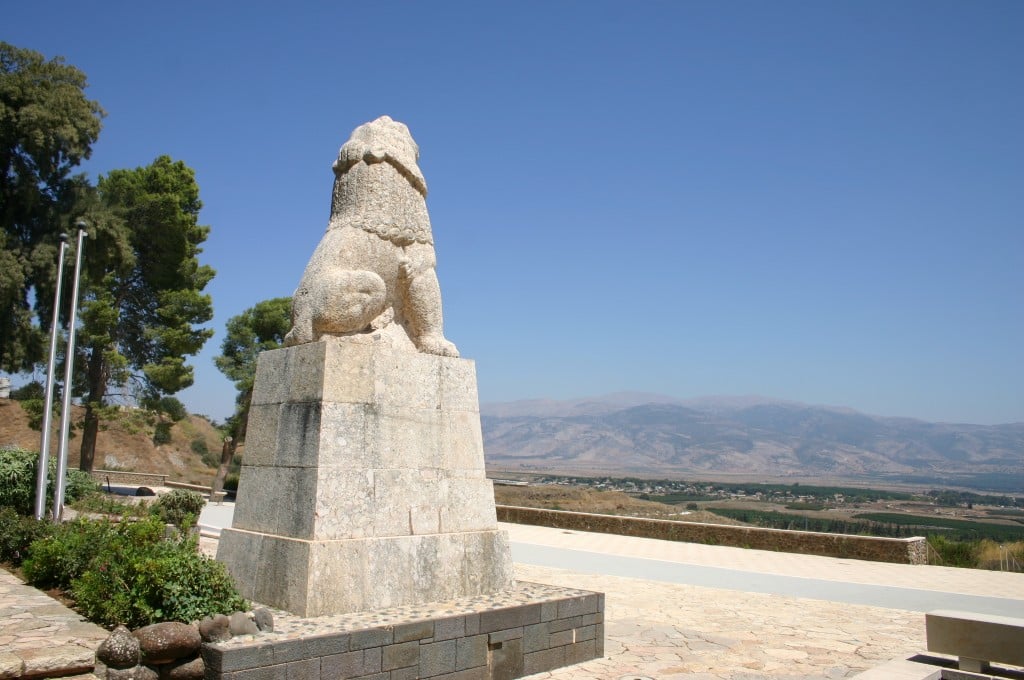
One of the most popular summertime destinations in Israel is the Galilee Panhandle, the northernmost tip of the country, with its wealth of waterways, rich history and an array of family-friendly attractions. However, its proximity to the snowy slopes of Mount Hermon also make it a great place to stay in the winter, and you can enjoy many of the same attractions while avoiding the blistering heat and the crowds.
In the summer, visitors often choose to pitch tents in the many camping grounds between Kiryat Shmona and the foothills of the Hermon. Obviously, in the colder months that isn’t an option for most, and you’d be better advised to stay at one of the hotels in the area.
One solid lodging option is the Kfar Giladi Hotel, which is located a mere 20 minutes from the Hermon in an idyllic kibbutz that’s intricately linked to one of the most famous foundational stories of the State of Israel. During the winter, the hotel offers a special children’s breakfast that takes place while parents are munching away in an adjacent dining room or doing other grown-up things, and includes video games and movies. A heated indoor pool is another nice wintertime touch.
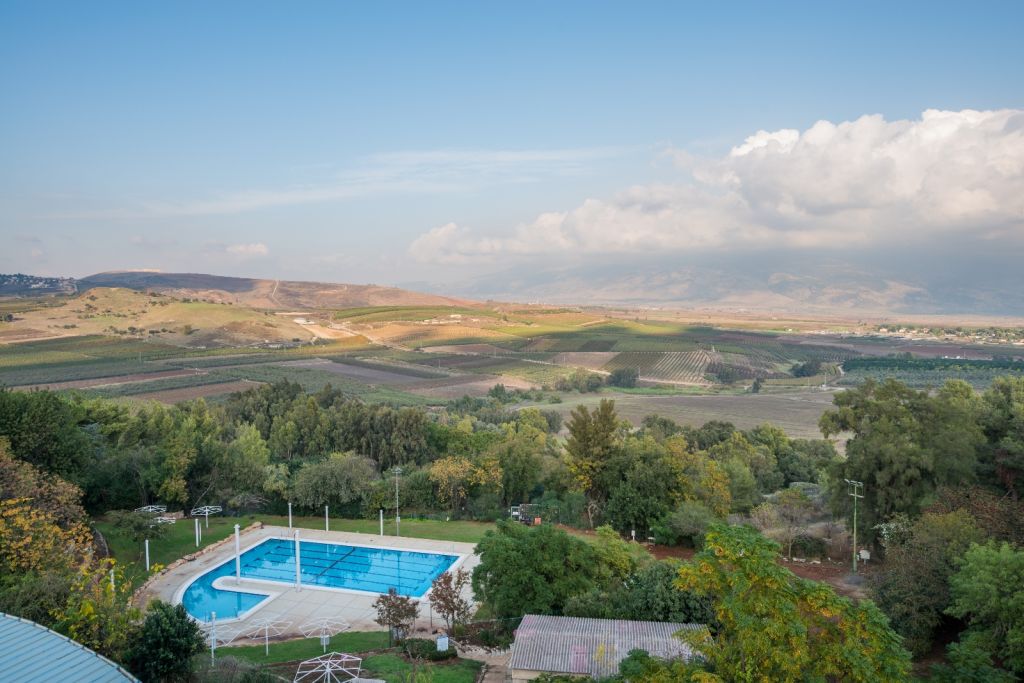
Chances are you’ll be approaching the area – which is about a two-and-a-half-hour drive form Tel Aviv; a bit longer from Jerusalem – from the south, in which case you may want to stop on the way in for a few hours at one of several parks that take advantage of the area’s geographical features to offer unique experiences.
One such attraction is the Indi Park in Yesud Hama’ala, alongside one of the tributaries of the Jordan River. The park includes a variety of “Indian-related” – feathers, not dots – such as canoe and kayak rides, a zip line, a climbing wall, bows and arrows, and arts and crafts activities. It’s cultural appropriation at its funnest.
Another option is the Manara Cliff park, overlooking the fertile Hula Valley, where you can partake in a range of “extreme” activities, including rappelling, climbing walls, a zip line, and a cable car. The site has recently reopened its 1,200-meter alpine slide, and also offers a lodge to spend the night. Just be sure to call ahead if you go during the winter – the site is sometimes closed due to the weather and on some days is only open to groups.
In between pounding the powdered slopes on nearby Mt. Hermon, there are a lot of family-friendly activities in and around Kfar Giladi itself, including sites that can transport you back in time to the trying pre-state years after the turn of the twentieth century, when the fledgling community’s very existence was under constant threat.
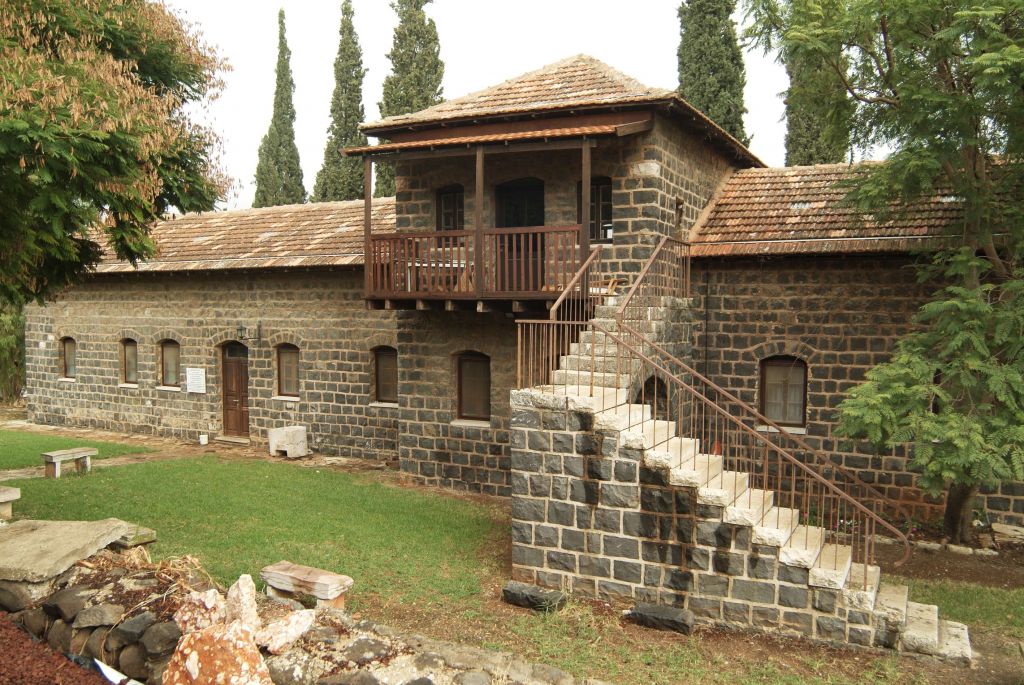
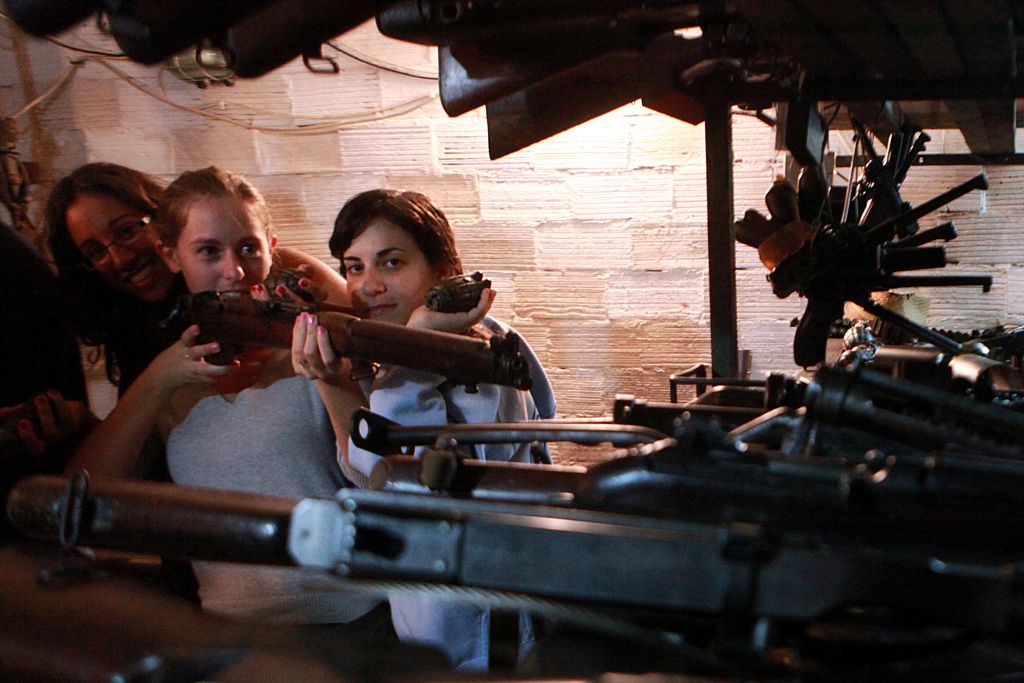
One such site, outside the kibbutz’s Hashomer Museum, is the hidden armory, known in Hebrew as a slik, which was built in 1922 some five meters underground and whose location was such a closely guarded secret that few kibbutz members knew of it before it was revealed in 1983. The tiny (3-square-meter) armory, accessed via a ladder in a barn, is filled with dozens of now-antique guns, grenades and other weapons, which were used by the Jewish underground in battles with Arab militias and British Mandate forces. Many believe there are more slikim on the kibbutz, just waiting to be discovered.
Another nearby piece of history is the reconstructed courtyard of Tel Hai, a museum that brings to life one of the most iconic, and tragic, Jewish settlements to precede the founding of the State of Israel. A tiny agricultural community founded in 1907, Tel Hai was under constant threat almost from the outset. In 1919, the Hashomer Jewish defense organization sent the decorated, and famously one-armed, Russian war hero Joseph Trumpeldor to the courtyard, but his presence wasn’t enough to save it from ruin: On January 3, 1920, Tel Hai was sacked by Beduoin attackers and burned to the ground. Trumpeldor was among the dead.
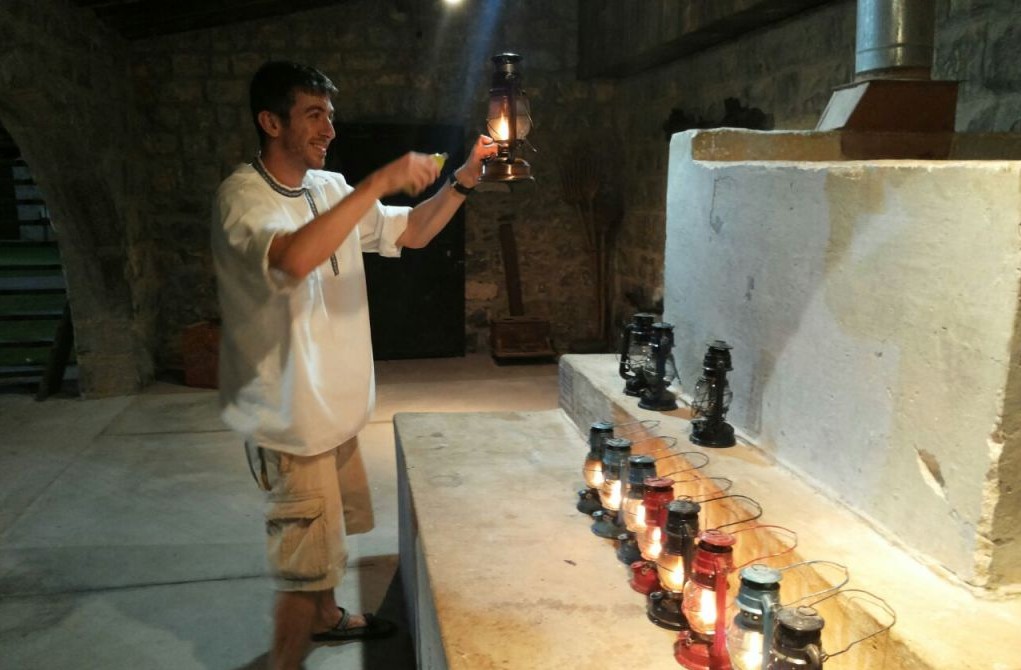
The injured in the battle that day were taken by their comrades on foot from Tel Hai to Kfar Giladi, which is nowadays about a 15-minute walk through the woods. One of the best times to experience the site is at night, when visitors can light oil lamps and reenact the walk back to Tel Hai along what’s come to be known as “the path of the wounded.” The guided tour ends at the cemetery of the kibbutz, where the valor of Trumpeldor and the other seven fighters killed in Tel Hai was famously commemorated in 1934 with a massive stone statue of a roaring lion.










The Times of Israel Community.