

Biden wraps up Mideast tour without any significant diplomatic breakthroughs
There’s little question the moves announced during Biden’s trip were ‘modest,’ but some represent ‘positive signs of perhaps something bigger to come,’ says one analyst
 Add ToI as a Preferred Source on Google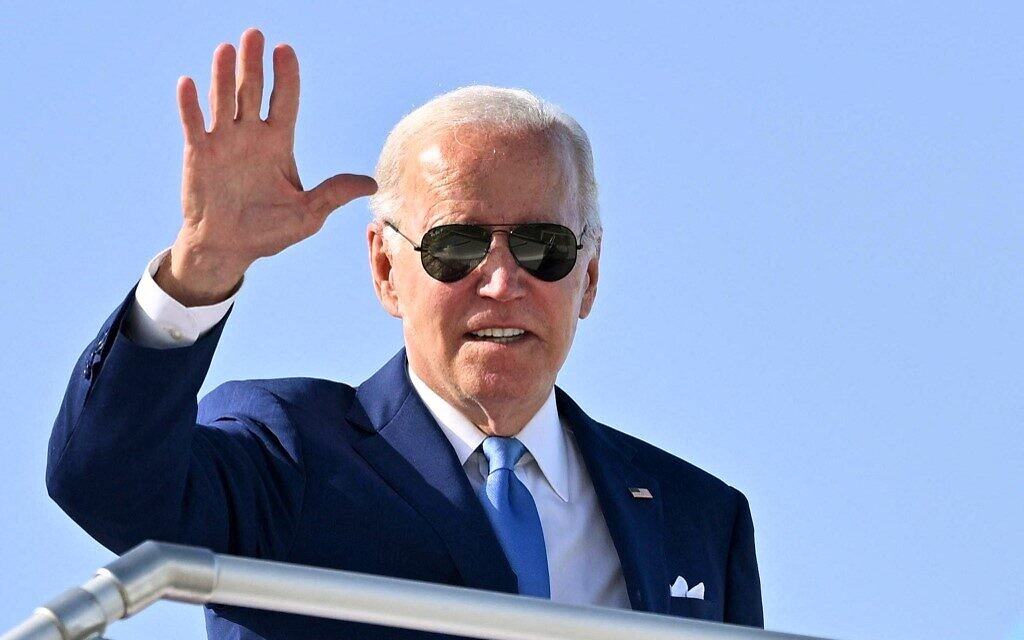
JEDDAH, Saudi Arabia (AFP) — US President Joe Biden sought to use his first Middle East tour in office to reassert Washington’s influence but emerged without a single diplomatic breakthrough, an outcome analysts said was no surprise.
On issues ranging from energy prices to human rights and Israel’s role in the region, Biden could point only to small — if any — gains after four whirlwind days of meetings and speeches.
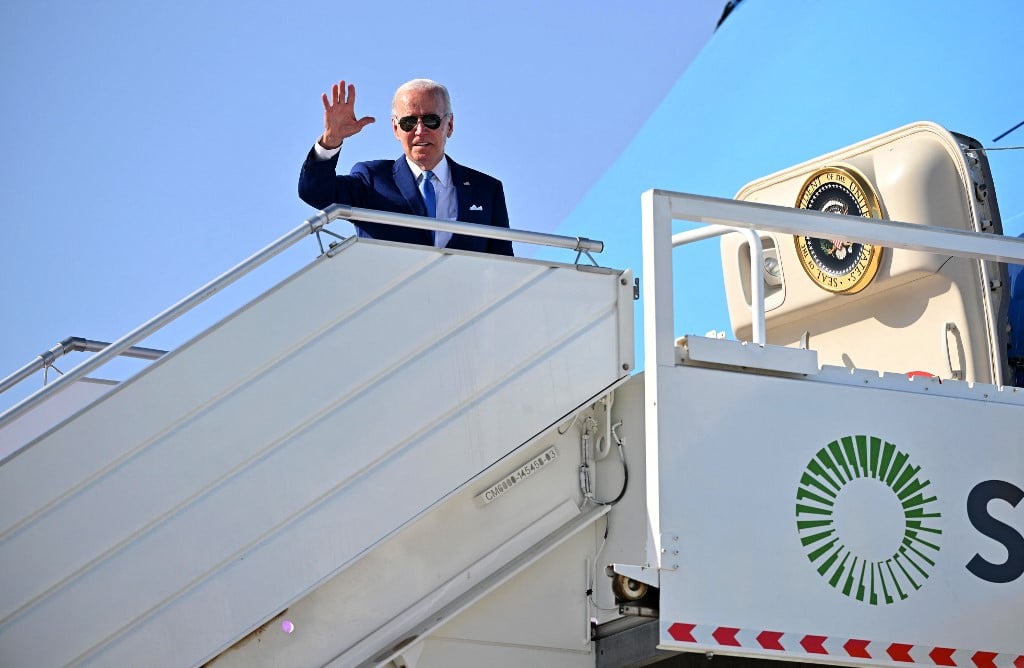
Driving the point home, as Air Force One flew back to Washington Saturday evening, Biden’s Saudi hosts downplayed one of the trip’s few concrete announcements: their lifting of airspace restrictions on flights to and from Israel, which Biden himself had earlier hailed as “a big deal.”
There’s little question the moves announced during Biden’s trip were “modest,” as Brian Katulis of the Middle East Institute in Washington put it, though he added that some represent “positive signs of perhaps something bigger to come.”
“They won’t remake the region overnight, and there is so much more work ahead by actors in the region to achieve the full potential of these first steps,” Katulis said.
Far harsher reviews came from human rights activists aghast at Biden’s final stop in Saudi Arabia, a country he once vowed to make a “pariah” over abuses like the 2018 killing of journalist Jamal Khashoggi.
No oil boost
Saudi Arabia was always going to be the most fraught piece of the itinerary, but Biden came under intense pressure to court Riyadh after Russia’s invasion of Ukraine sent energy costs soaring.
Washington has been eager for the kingdom, the world’s biggest crude exporter, to help bring down rising gas prices that threaten Democratic chances in November US mid-term elections.
After his bilateral meetings with Saudi leaders on Friday, Biden said he was “doing all I can” to increase the oil supply but added that concrete results would not be seen “for another couple weeks” — and it was unclear what those might be.
His national security adviser, Jake Sullivan, also tamped down expectations, telling reporters that any action “will be done in the context of OPEC+,” the exporting bloc.
The following day, at a summit of the six-member Gulf Cooperation Council plus Egypt, Iraq and Jordan, oil “wasn’t really a subject,” Saudi Foreign Minister Prince Faisal bin Farhan told a press conference.
Saudi Crown Prince Mohammed bin Salman’s pledge to boost production capacity to 13 million barrels per day was actually first announced in May, and is not meant to become reality until 2027.
Israel walk-back
On the issue of boosting ties between Israel and Arab countries, Riyadh appeared to hand Biden a victory — at least at first.
Despite growing behind-the-scenes business and security contacts, the kingdom has never recognized Israel and refused to join the US-brokered Abraham Accords in 2020 that allowed Israel to normalize relations with neighboring Bahrain and the United Arab Emirates.
But early Friday, the Saudi aviation authority announced it was lifting overflight restrictions on “all carriers,” paving the way for Israeli planes to use Saudi airspace.
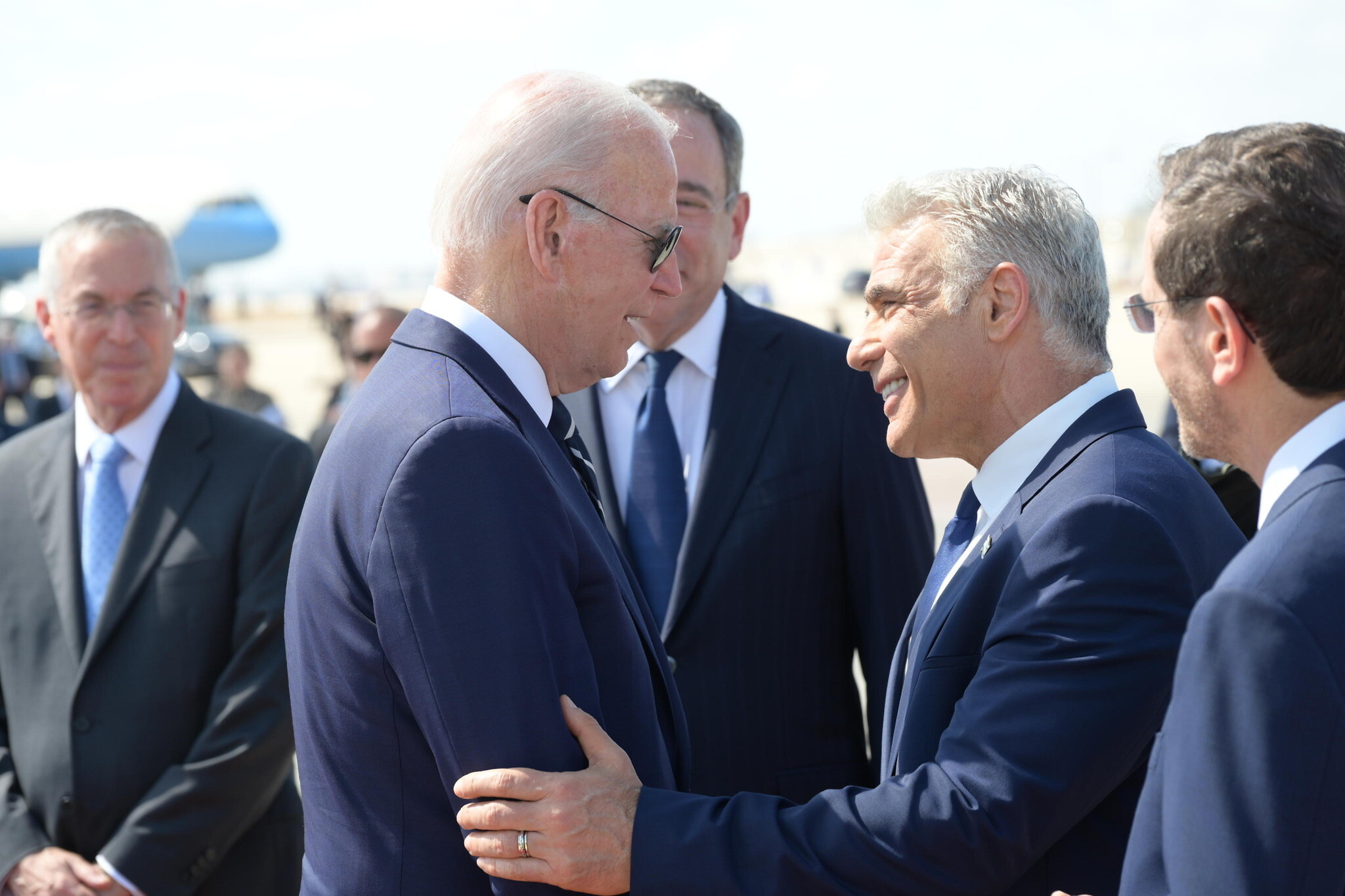
Prime Minister Yair Lapid claimed it was “the first official step in normalization with Saudi Arabia.” Prince Faisal, however, dismissed that idea out of hand Saturday, saying the move had “nothing to do” with Israel and was “not in any way a precursor to any further steps.”
During Biden’s earlier stop in Israel and the Palestinian Authority, there was no progress at all when it came to long-moribund peace negotiations, leaving Biden to focus instead on economic measures including 4G internet for Palestinians.
Rights ‘setback’
Biden and Lapid signed a new security pact that commits the US to never allow Iran to acquire a nuclear weapon.
But the pact did not mask differences in approach between the two. Lapid explicitly said the use of force needed to be an option as diplomacy and talk are inadequate, whereas Biden had reaffirmed he still wanted to give diplomacy a chance, calling force a “last resort.”
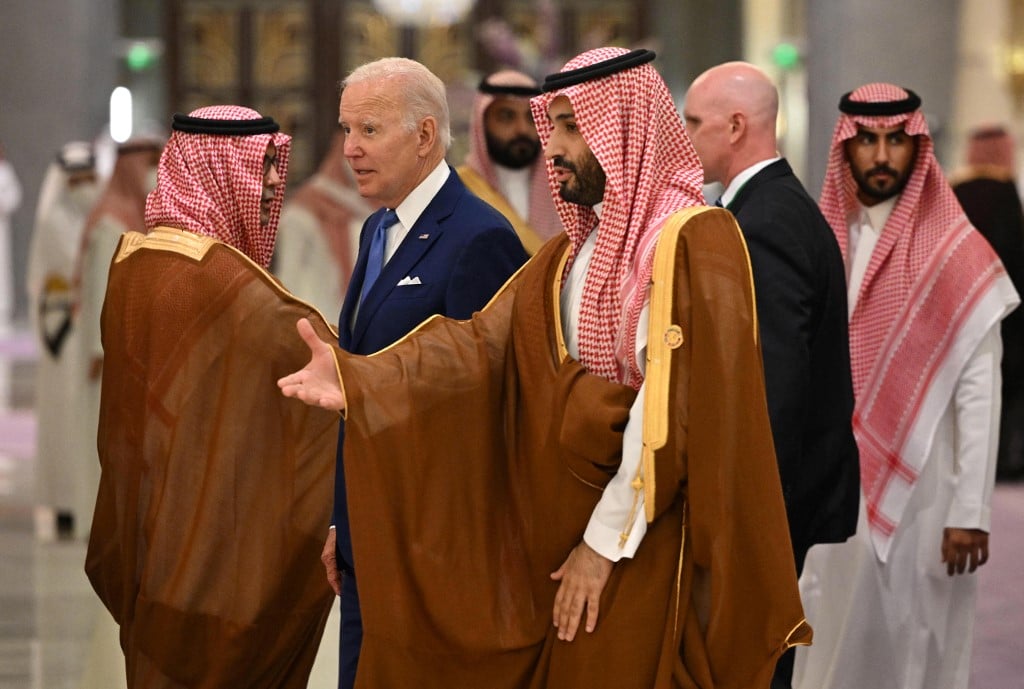
The roughest pushback Biden got so far over the trip stems from his meeting with Prince Mohammed, who US intelligence agencies concluded “approved” the operation that led to Khashoggi’s killing and dismemberment.
Friday’s fist bump between Biden and Prince Mohammed, often referred to by his initials MBS, graced the front page of The Washington Post, where Khashoggi was a contributing columnist and whose CEO called it “shameful.”
In a desperate attempt to avoid shaking MBS’s hand in Saudi Arabia, Joe Biden went with the fist bump instead. pic.twitter.com/TAIIUQ6RsM
— Clay Travis (@ClayTravis) July 15, 2022
“The greeting between President Biden and MBS is painful as a visual representation of our inability to achieve accountability,” said Kristin Diwan of the Arab Gulf States Institute in Washington.
“It represents a huge setback,” said Abdullah Alaoudh, a US-based government critic whose father, a prominent cleric, has been held since 2017 as part of what critics describe as a far-reaching crackdown on dissent.
Yet as on other issues, immediate concessions from the Saudis on human rights were always unlikely, and some experts said that in itself doesn’t make the trip a failure.
“The visit itself is an achievement, especially for the Saudis and above all for MBS,” said analyst Hussein Ibish.
For Biden, he added, the visit aimed to repair personal and political ties between his administration and the Saudis.
“That appears to have been accomplished,” Ibish said.


The Times of Israel Community.