

Boutique hotels dare to reopen, welcoming Israeli guests… for now
With fewer rooms and smaller staff, several local hotels have taken the plunge and reopened, wearing masks and trying to social distance
 Add ToI as a Preferred Source on Google
Jessica Steinberg, The Times of Israel's culture and lifestyles editor, covers the Sabra scene from south to north and back to the center
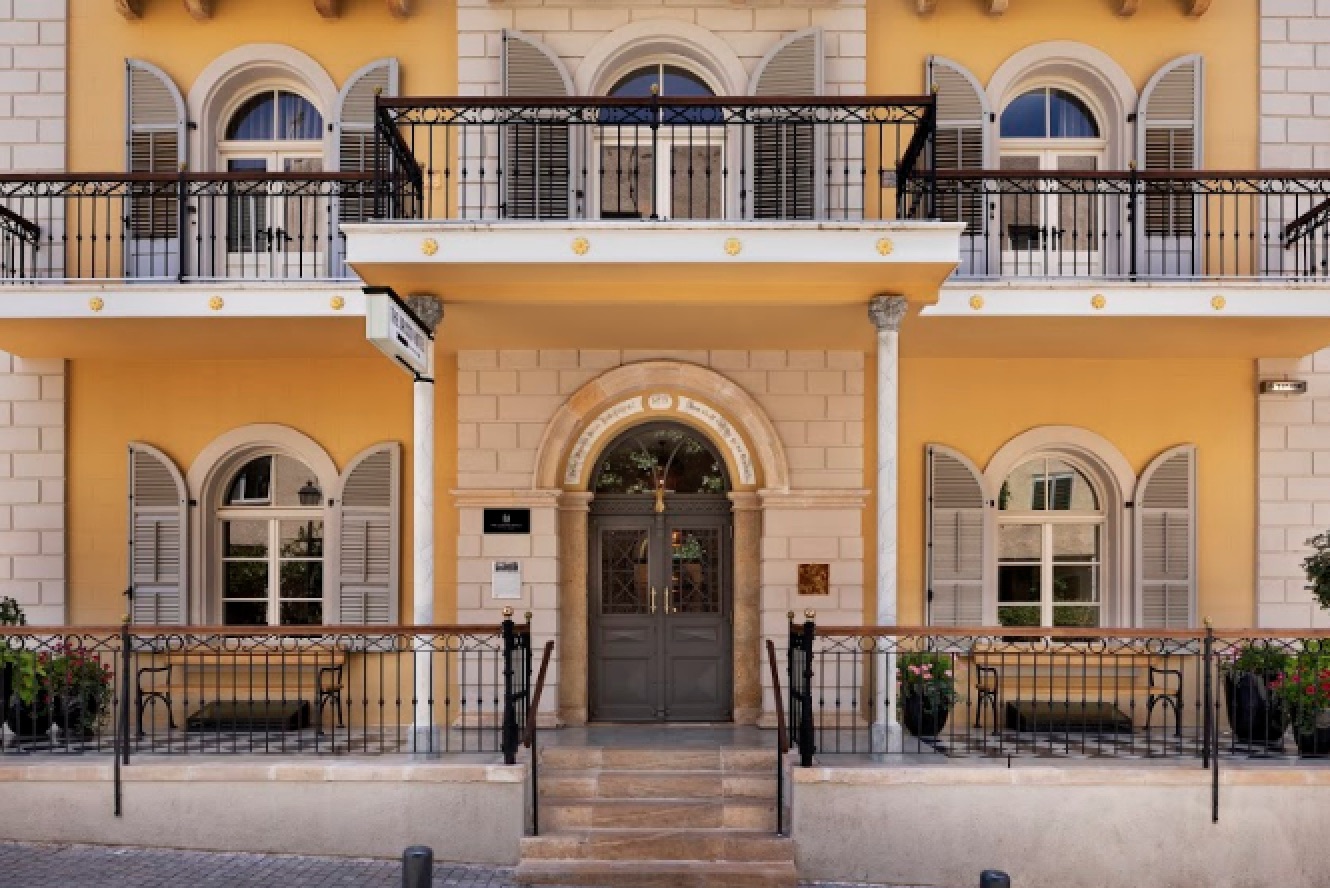
There may never be a better time to stay at an Israeli boutique hotel than right now.
When COVID-19 seemed to be under control in early May, several high-end boutique accommodations took the plunge and opened their doors again, just as the economy was reopening.
Those hotels have remained open for now and for Israelis, it’s an opportunity to take advantage of lower prices at some of the country’s swankiest spots, offering local getaways in a summer of stay-at-home options.
While many of Israel’s larger hotel chains haven’t yet reopened, it’s the smaller, boutique hotels that found it slightly easier to welcome guests again, given the fewer number of rooms and spaces to prepare.
The Drisco, a five-star Leading Hotels of the World hotel in Jaffa’s historic American Colony neighborhood that was opened after a substantial renovation in 2018, reopened its doors on May 21 and has been almost full ever since.
“It’s really an opportunity for the Israeli public to take advantage of,” said Avi Zak, a managing partner of the Drisco Hotel. “We’re not making money off of this. But it’s an opportunity to introduce ourselves to a wider audience and bring our staff back.”
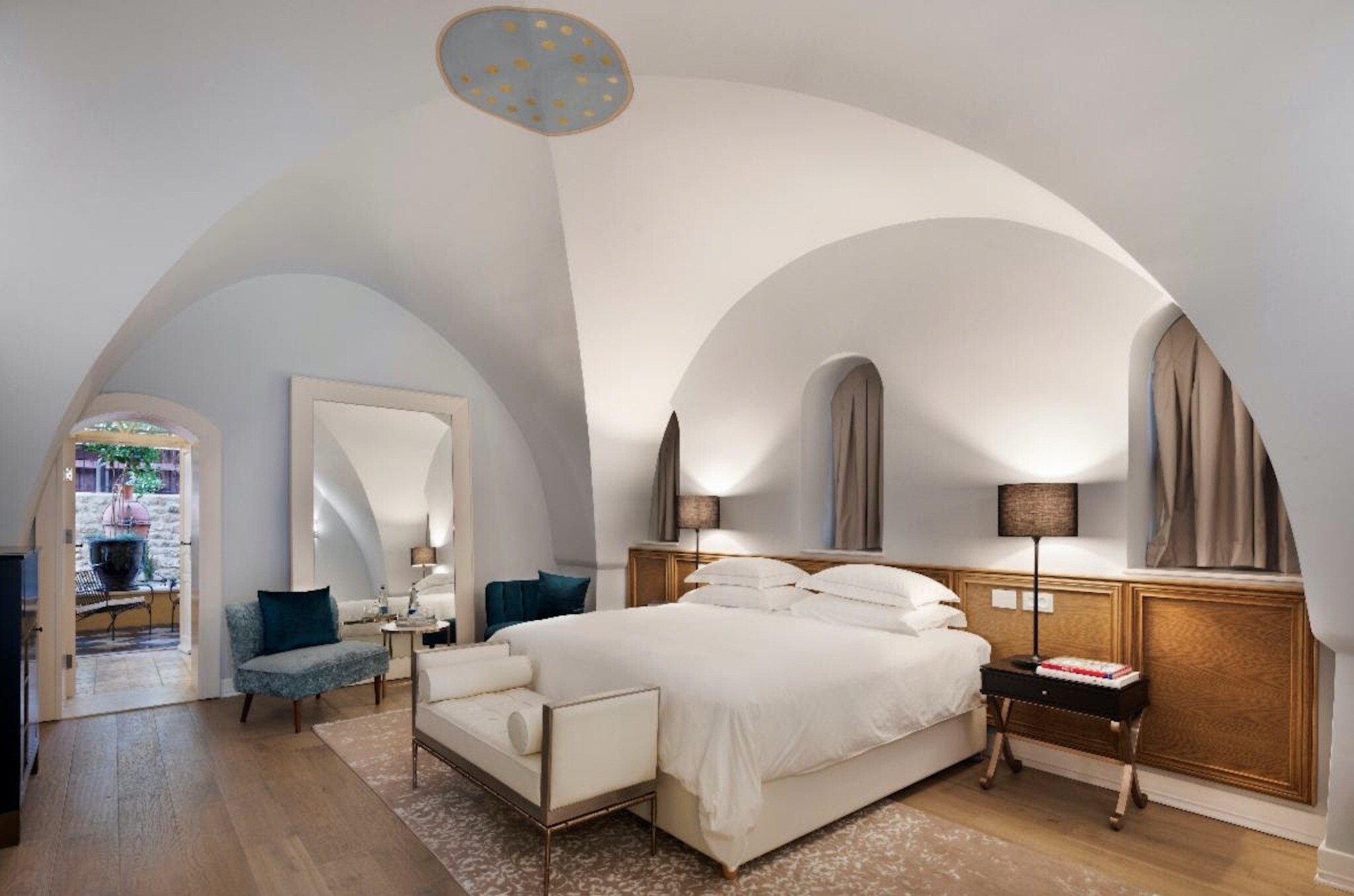
This jewel of a boutique hotel, a restored version of what was once the Hardegg Jerusalem Hotel, a luxury hotel built in the mid-19th century by American brothers John and George Drisco, has 42 rooms that were painstakingly recreated during an extensive $35 million, 10-year renovation.
With views of the Mediterranean Sea, and its location in the American Colony, a neighborhood founded in the 19th century by German Christians and American Protestants from Maine, there is a feel of New England and Europe in this picturesque corner of Jaffa, where timber-sided houses with wooden fences line the nearby streets.
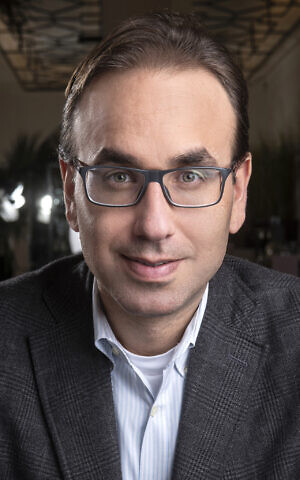
Right now, guests are coming from all over Israel, said Zak. Even so, it’s the toughest time he’s ever experienced in the hotel industry, harder than the sirens and rockets of 2014.
“Where there’s a war, you know it’s over after a month,” he said. “Someone will come, the UN or Americans, and says ‘Enough.’ But here, you have no idea what will happen.”
Still, the hotel is filled through July and part of August, and is offering packages, said Zak, for overnight stays with dinner at the George & John restaurant or with a spa treatment. Current prices are 40% less than usual, at around NIS 799 ($230) a night.
They need full occupancy and careful spending in order to even break even, said Zak, the active third partner who runs the hotel.
“That will be a big accomplishment during this period,” he said.
He’s persevering, however. Guests don’t feel the change in atmosphere in the rooms, where carved wooden headboards and carefully restored stencils and ceilings, high-thread count sheets, and white and black tiled bathrooms with plush Turkish towels and marble countertops offer a cushy, cozy respite from life of late.
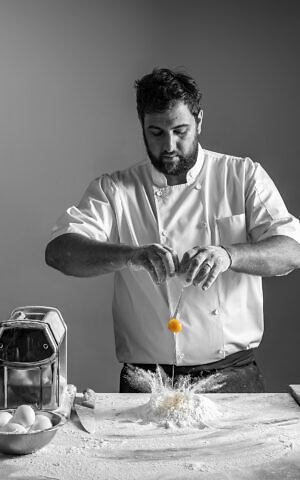
Even downstairs, in the (non-kosher) George & John restaurant, where chef Tomer Tal continues serving his charcoal-grilled, carmelized kohlrabi and durum pasta filled with charred onion and Swiss chard, along with other tastes of the Mediterranean, servers and hotel staff wear masks and meals are served at a careful social distance.
At breakfast, a sumptuous array of salads, spreads and baked goods are served on a three-tiered tray — avoiding the typical Israeli breakfast buffet — while eggs and drinks are ordered à la carte.
“People feel like they aren’t in Israel when they’re here,” said Zak. “It’s a kind of escape, it’s not the busy Tel Aviv.”
When the hotel had to officially close on March 15, it had already experienced a month of cancellations. While Zak had to put most of his 100-person staff on furlough, he kept a skeleton staff, including his office staff who were handling the dozens of cancellations through the end of 2020.
“It’s very hard,” he said. “Even with rockets and sirens, it wasn’t like this. It’s a one-time event that’s never happened before.”
Zak rallied quickly, creating a Headstart crowdfunding venture for the hotel, offering vouchers for the hotel and restaurant for whenever they would eventually reopen. New and regular customers spent half a million shekels on the vouchers, and now some are cashing them in while others may wait for calmer times.
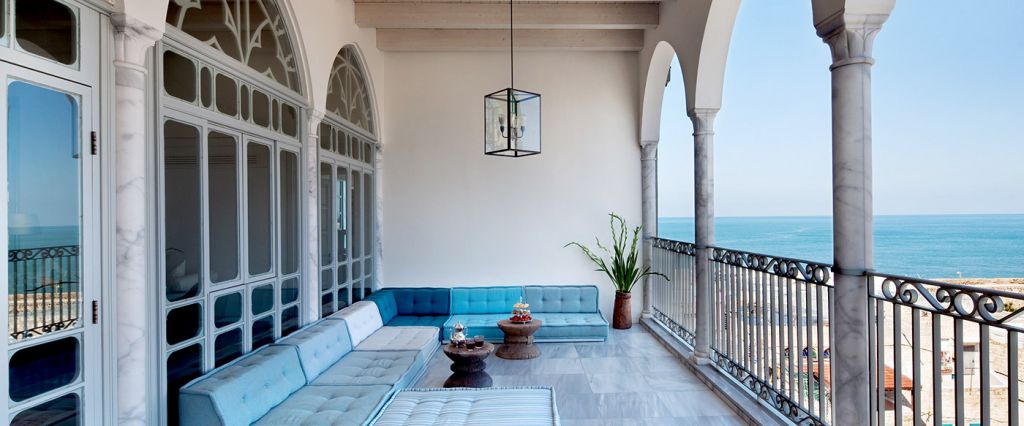
Further up the coast from Tel Aviv in Acre, it’s easy to spread out at the Efendi, a historic boutique hotel owned by restauranteur Uri Jeremias, which reopened on May 20.
“It’s like being at home,” said Jeremias. “There’s plenty of room for social distancing.”
While the Efendi hasn’t filled up all that quickly, Jeremias said he was still sleeping at night, having put some money away in recent years to ride out this particular storm.
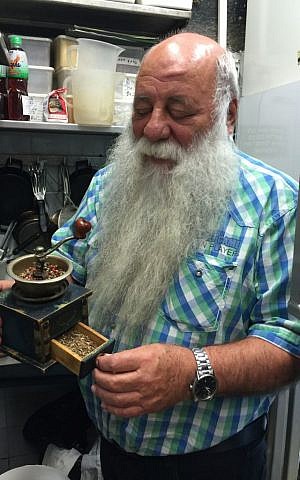
“You have ups and downs in life and go through all kinds of crises, wars and Katyusha rockets and now corona,” said Jeremias, who was able to hold on to his staff. “You don’t buy new cars and you don’t give dividends, there are no extra financial adventures and so you can pull through it. If there’s an apocalypse, then no one knows what will be.”
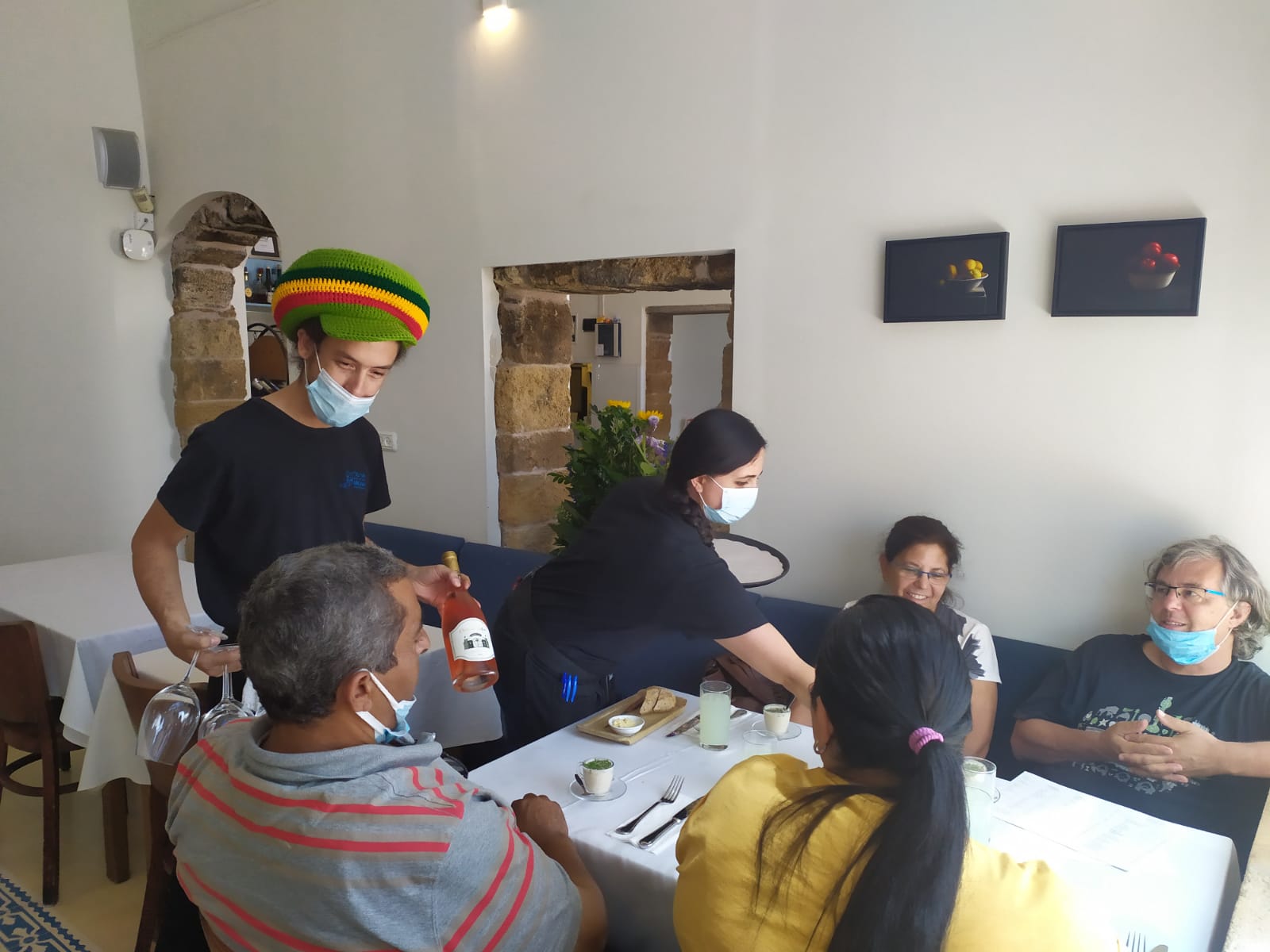
Jeremias was also able to reopen Uri Buri, his renowned fish restaurant just down the street in Acre’s Old City from Efendi, where customers usually have to reserve weeks in advance.
Reservations are easier to come by this July, and Jeremias is thankful to have customers.
“I have to check that we have enough alco-gel santizer and keep tables free for social distancing, but it works,” said Jeremias.
As for the Efendi, he’s waiting to be able to serve breakfast at the oversized dining room table that’s big enough for more than a dozen people and can easily accommodate two meal seatings.
Zak said he’s in contact with other hoteliers, some of whom are using the time to clean and renovate their buildings.
Some of Israel’s swankiest boutique hotels, such as The Norman in Tel Aviv, the Setai Tel Aviv and The American Colony in Jerusalem, which has a history similar to The Drisco, haven’t yet reopened. The American Colony isn’t reopening until September 30.
“Some are scared to reopen and then face another closure,” said Zak. “And no one will have any tourists from abroad, not for a long time.”



The Times of Israel Community.