

British Library publishes treasure trove of Hebrew manuscripts
New online collection is venerable library’s first bilingual online project, letting users search among 1,300 items in English and Hebrew
 Add ToI as a Preferred Source on Google
Raphael Ahren is a former diplomatic correspondent at The Times of Israel.
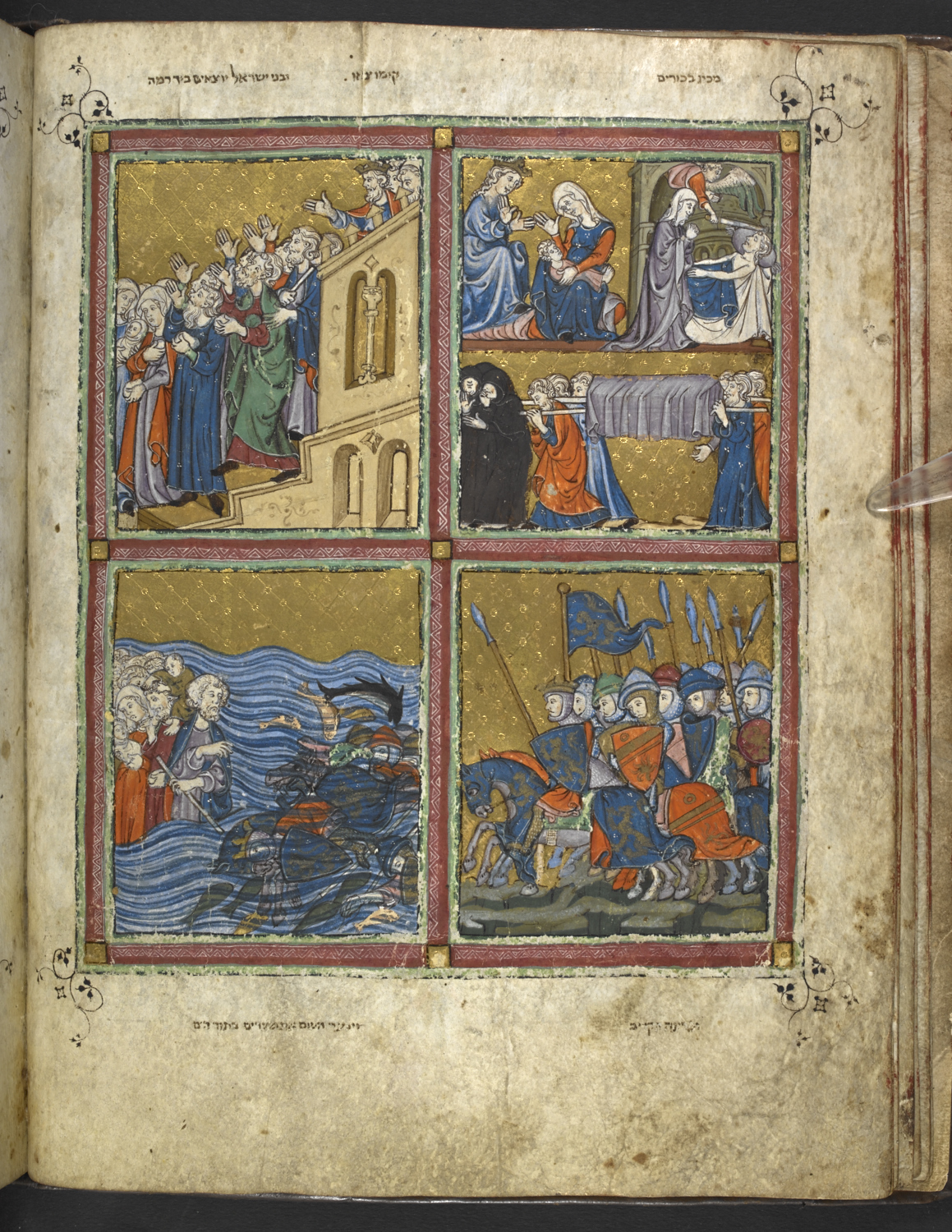
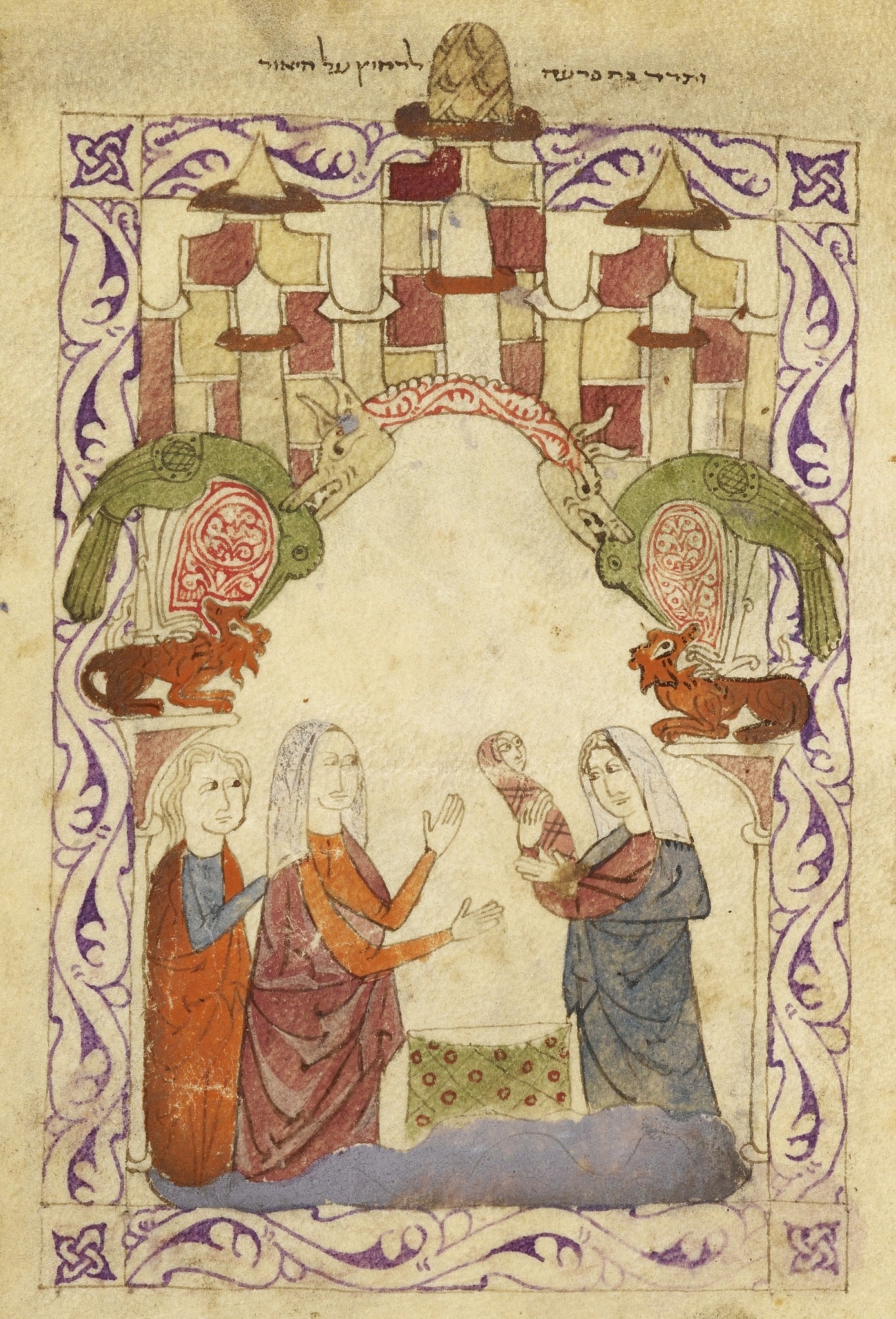
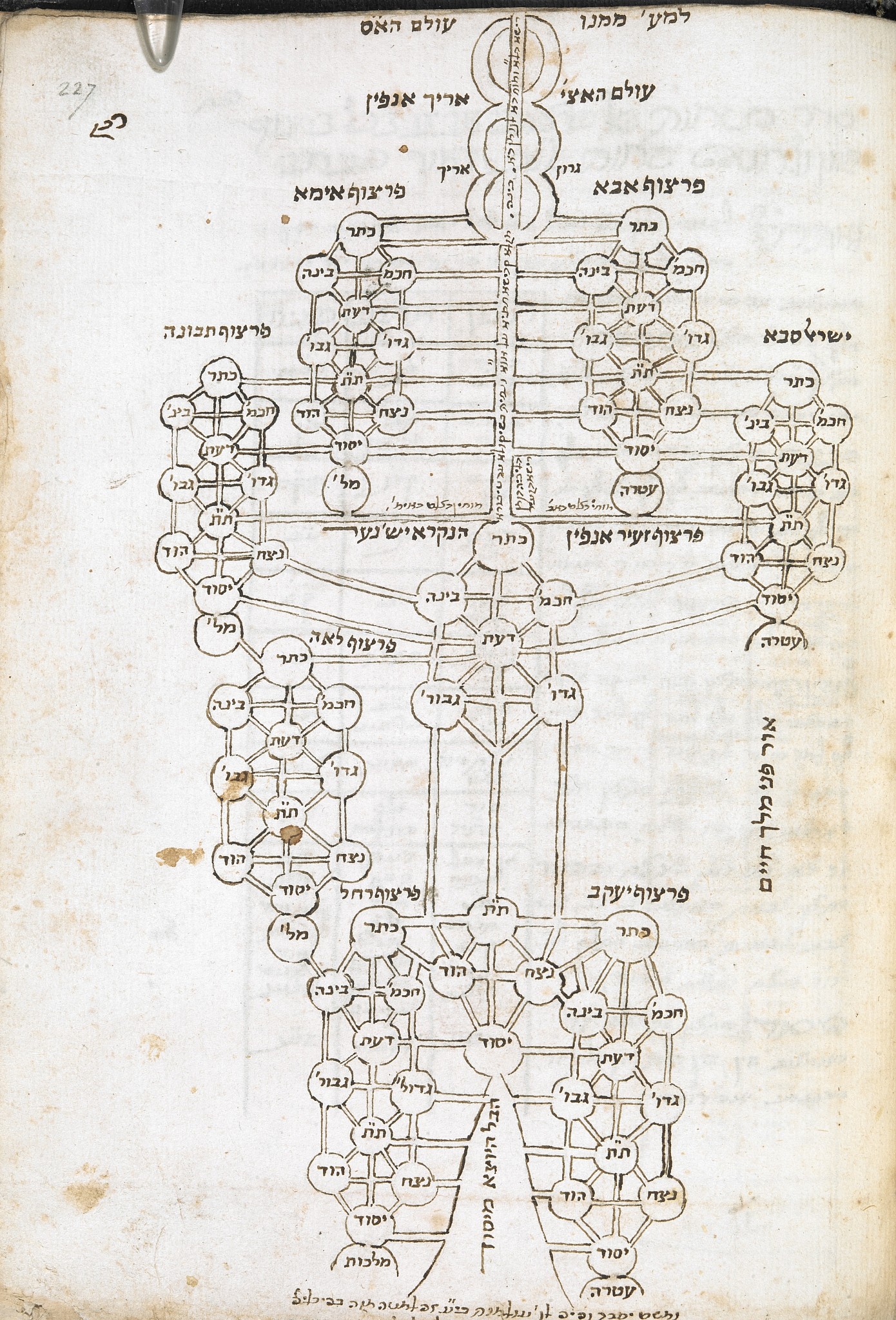
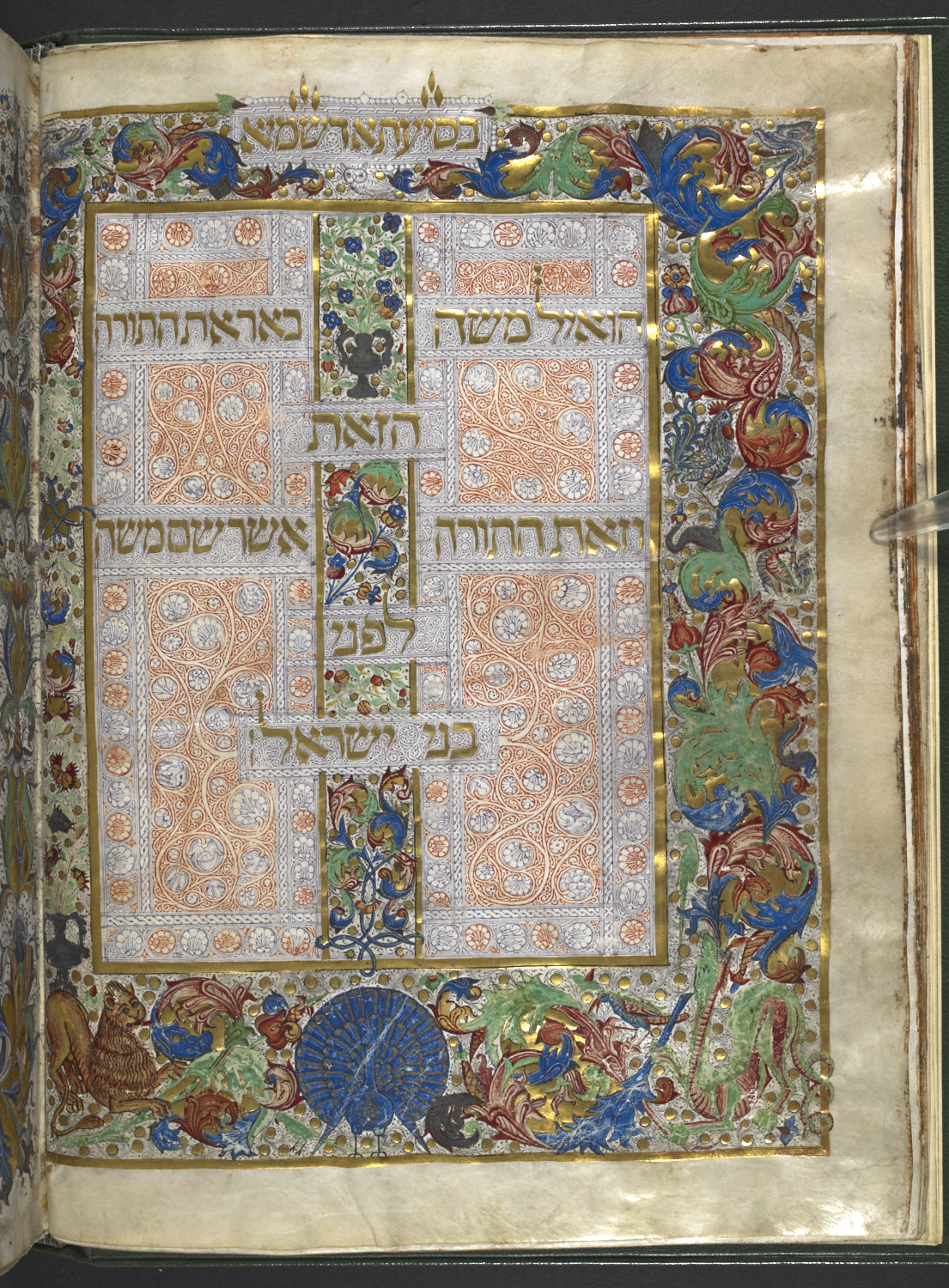
The British Library last week launched a new website showcasing 1,300 Hebrew manuscripts, ranging from ancient Torah scrolls and prayer books to philosophical, theological and scientific works.
The new site is the library’s first bilingual online collection, allowing users to search for scans of the manuscripts in Hebrew and English.
“The British Library holds one of the world’s greatest collections of Hebrew manuscripts,” said Ilana Tahan, lead curator of the library’s Hebrew and Christian Orient Collections.
“Digitizing and making these beautiful and very important items available online is a huge step forward in opening them up to international scholars and a wider public audience. We hope that, by providing access to the articles and collection highlights in Hebrew as well as English, we will make them accessible to even more people, allowing them to learn more about our incredible collection of Hebrew manuscripts.”
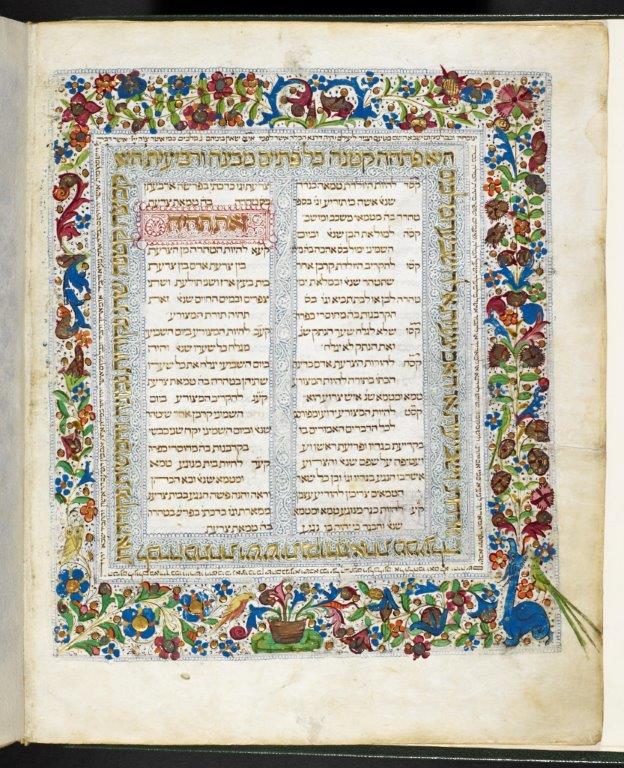
The works searchable on the site include the Hispano-Moresque Haggadah from 13th century Spain, an illustrated edition of Maimonides’ Code of Law from 15th century Portugal, and the Lisbon Bible from 1482, 14 years before the Portuguese Jews were expelled from their homeland.
“It is considered to be the most accomplished dated manuscript of the Portuguese school of medieval Hebrew illumination,” Tahan said of the three-volume bible.
The London-based library has been digitizing its collection of its approximately 3,000 Hebrew manuscripts, which dates back to the library’s establishment in the 18th century, since 2013. So far, about half are available for online viewing on the website, Tahan told The Times of Israel on Monday.
In addition to scans of the original manuscripts, the Polonsky Foundation Catalogue of Digitised Hebrew Manuscripts also includes several scholarly articles related to the documents, dealing with manuscript art, Jewish liturgy, digital research, Kabbalah and mysticism and other topics. The articles were commissioned and authored especially for this project.
“We presently have 17 articles and 39 collection items on the English platform and 11 articles and 30 collection items on the Hebrew platform. We are in the process of translating into Hebrew the outstanding articles and collection items,” Tahan said.
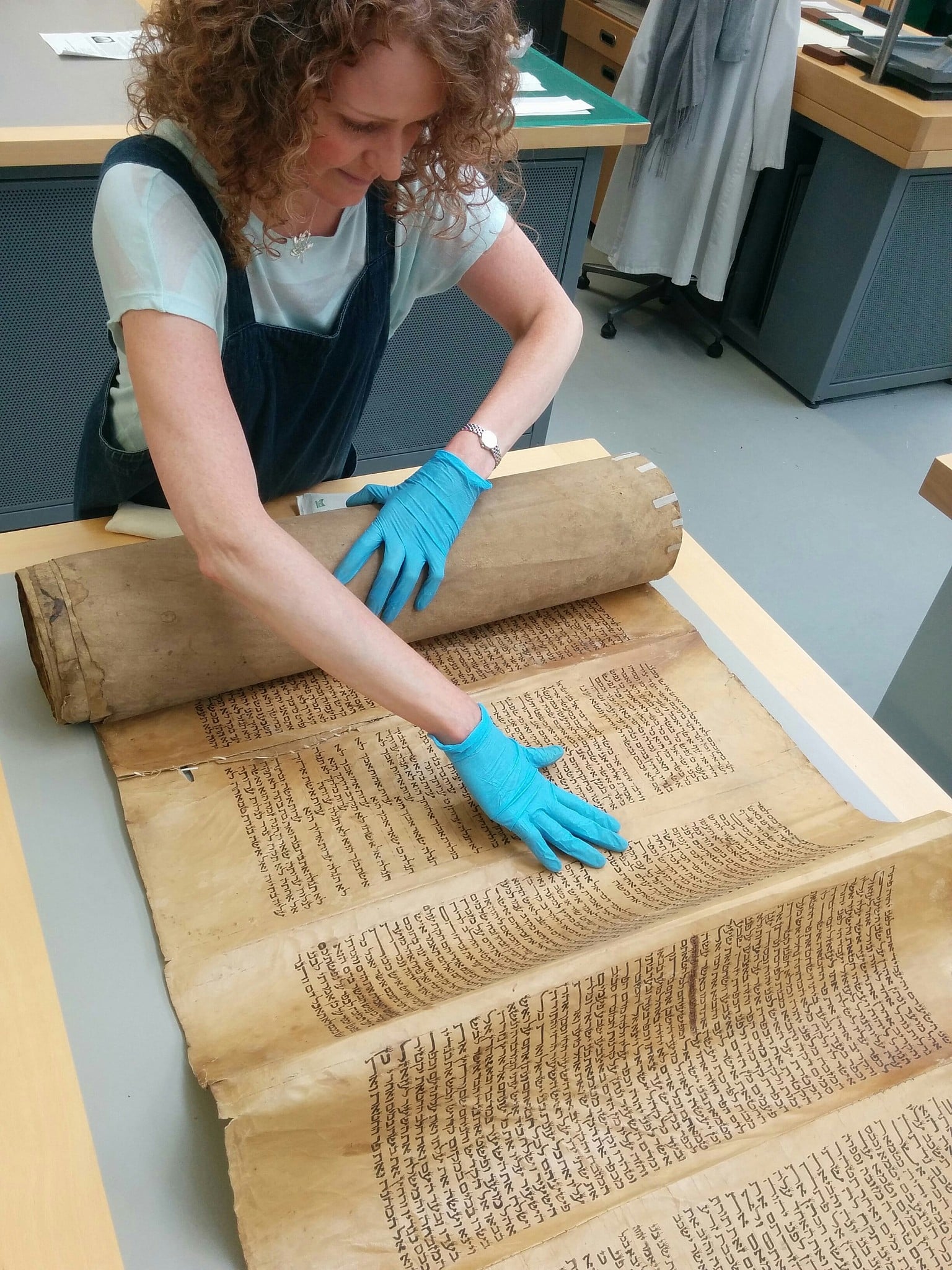
“The project’s website acts as a showcase for the collection, with images of highlight items and interpretive and contextual articles on subjects including Kaballah and mysticism, Hebrew bibles, Jewish communities in the Middle Ages and the process of conserving embroidered Torah mantles,” the British Library said in a press release.
“Video clips include time-lapse footage showing the meticulous work involved in digitizing fragile scrolls, as well as presentations from the November 2016 conference on Hebrew manuscript digitization by experts from the British Library, the John Rylands Library and the National Library of Israel.”
Every year, some 10 million people visit the British Library website, where they can view more than 40 million pages from four million digitized collection items.










The Times of Israel Community.