

Canada orders review of Paris synagogue bombing suspect’s extradition
Hassan Diab claims officials suppressed evidence that may have helped clear him of 1980 terror attack that killed four people
 Add ToI as a Preferred Source on Google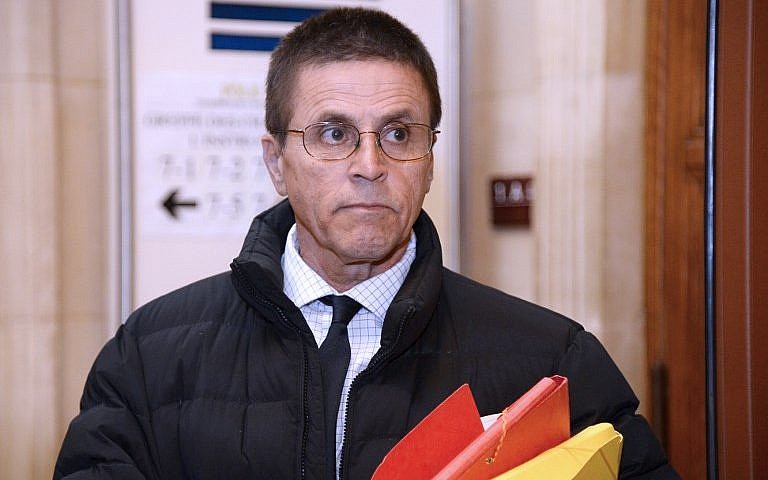
OTTAWA, Canada — Canada’s justice minister on Wednesday ordered an independent review of the extradition of a Lebanese-Canadian academic to France where he was wanted in a deadly 1980 Paris synagogue bombing.
Hassan Diab was extradited from Canada in 2014 to face prosecution in France but French magistrates leading the investigation in January dismissed the case for lack of evidence and ordered his release.
By then, Diab had spent a decade in jail or under strict bail conditions, most of it in Canada as authorities mulled whether to extradite him.
In a letter, Justice Minister Jody Wilson-Raybould said Diab “was afforded all of the procedural safeguards” provided under Canadian extradition law.
Nonetheless, she has asked for an “independent external review” of the matter, she said.
With the backing of civil rights groups, Diab had asked for a public inquiry into the role of Canadian justice officials in his “wrongful extradition.”
Diab and his supporters allege that Canadian officials intervened “to patch up the (French) case to ensure (his) extradition,” misled the extradition hearing and suppressed fingerprint analysis that may have helped clear him.
Diab’s “ten-year ordeal was the direct consequence of actions of senior officials of the Canadian Department of Justice,” said the group, which includes Amnesty International and the British Columbia Civil Liberties Association.
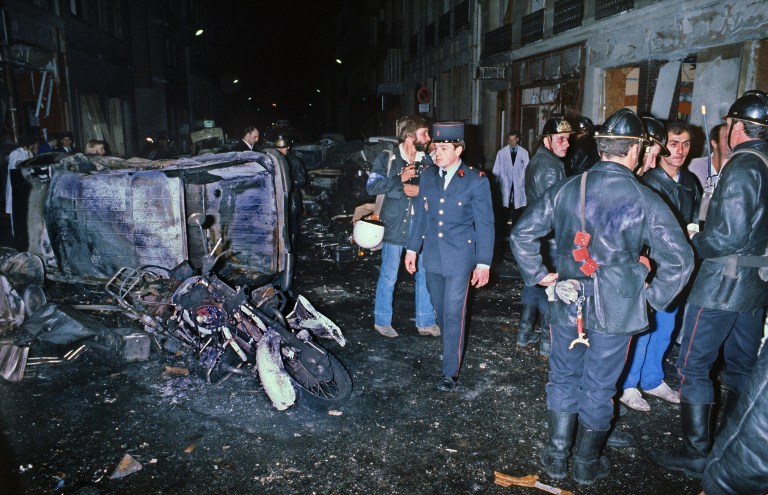
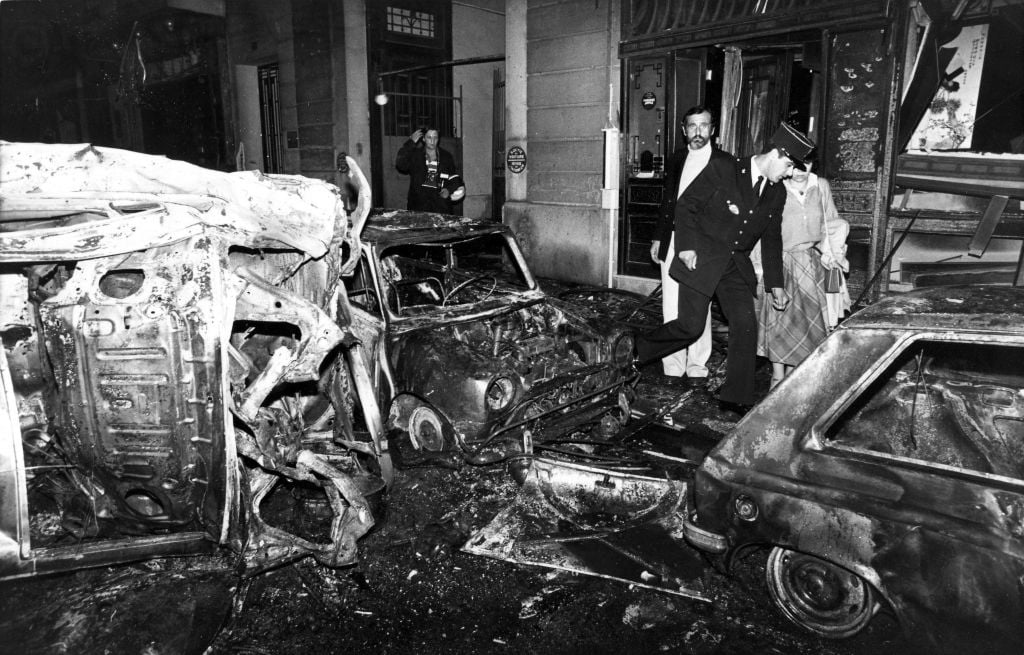
The October 3, 1980, bombing of a synagogue on Rue Copernic in Paris, which killed four people and injured about 40, was the first fatal attack against Jews in France since the Nazi occupation in World War II.
Diab was accused of planting the bomb inside the saddle bag of a motorbike parked outside the packed synagogue near the Champs-Elysees, where hundreds of people had gathered for Sabbath prayers.
The only suspect in the case, Diab was arrested at his home in an Ottawa suburb in 2008 at the request of French authorities who alleged he was a member of the Popular Front for the Liberation of Palestine (PFLP).
He has insisted that he was in Beirut at the time of the attack to take university exams, which witnesses have corroborated.
French prosecutors, meanwhile, have appealed Diab’s discharge. A decision is expected on July 6.







The Times of Israel Community.