

Ceasefire nation: Caught between war and peace, can Israelis move forward?
Day to day, most Israelis aren’t living in wartime, but with shaky truces on 3 fronts and the possibility of conflict around the corner, psychologists say that isn’t enough to heal

 Add ToI as a Preferred Source on Google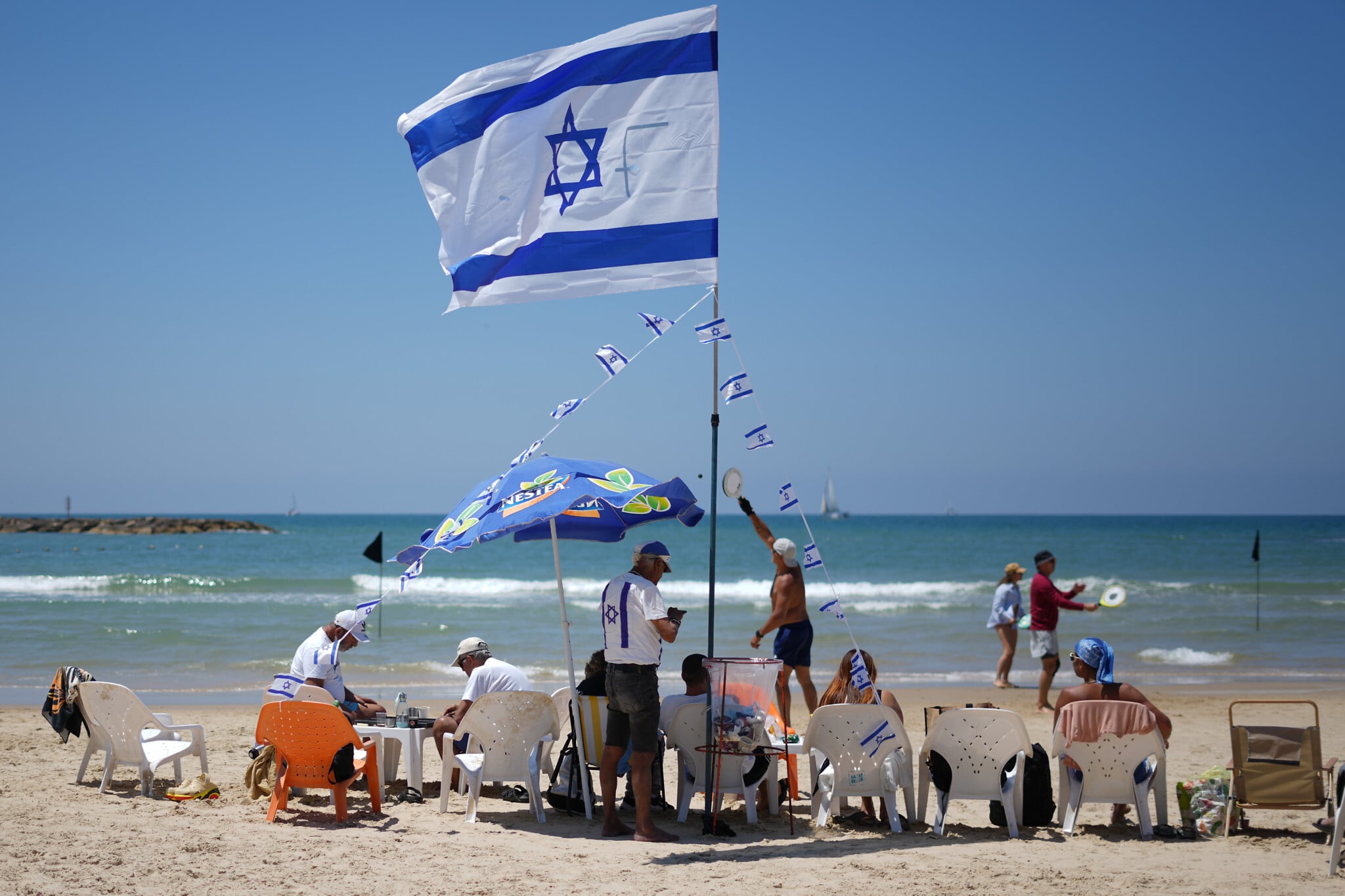
How do you react to the sound of a motorcycle revving?
If you’ve lived in Israel since October 7, 2023, you might feel a jolt of anxiety, a quickening of the pulse, until, half a second later, it clicks that what you just heard was not, in fact, the beginning of a siren warning of an incoming missile attack. It just so happens that those two things — motorcycles and sirens — sound very similar.
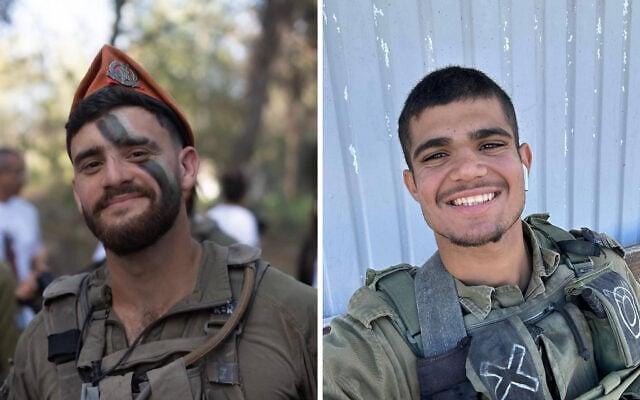
Or maybe you’re out at dinner, or taking a train, or relaxing on a park bench enjoying a sunny day, when you glance around and notice that where you’re sitting — the park bench, the restaurant window, a concrete column on the train platform — is covered in bumper stickers emblazoned with the faces of some of the 2,000 Israelis who have been killed since October 7.
Almost all of them are smiling, and, if you’re an adult, almost all of them are younger than you. You were once their age. They will never be your age.
And yet, there is no war, at least not right now, at least not for most. A ceasefire has been in place in Gaza for more than six months, in Iran for more than a month.
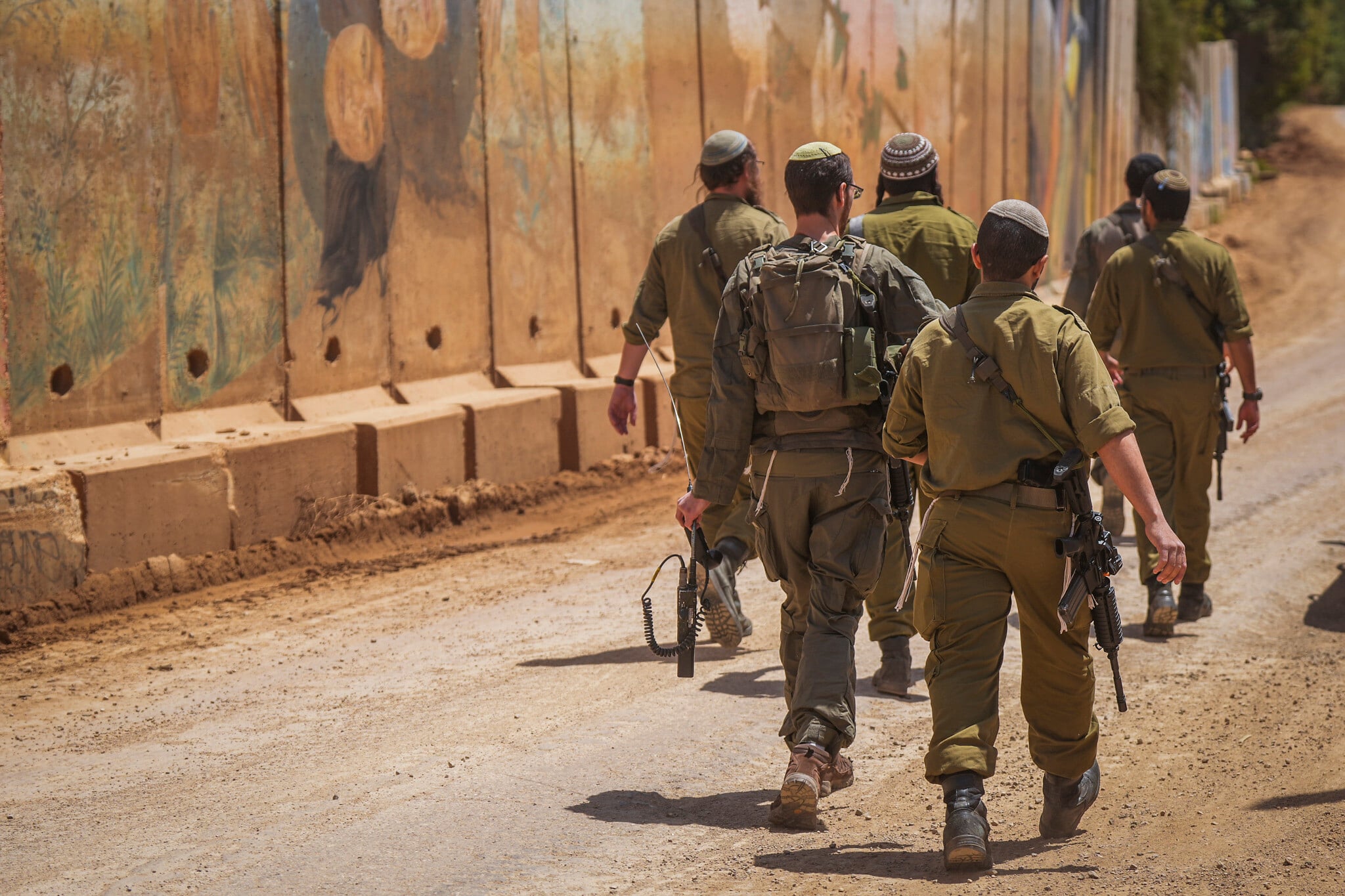
A third ceasefire, in the north, has unraveled, and residents of the embattled border towns remain very much at risk. You read about it in the headlines. You know people serving in Lebanon, in Syria, or maybe Rafah in Gaza, or Tulkarem in the West Bank. They are all sons, daughters, fathers, brothers, friends. You see the pictures of the fallen soldiers, the ones on their fifth or sixth round of reserve duty, and you know the danger is real. You know the borderland isn’t safe.
But you don’t go there, and it all feels very far away.
In post-October 7 Israel, is this peacetime? Naftali Bennett, the man promising a fresh start if he is elected prime minister, was once fond of saying that “peace in the Middle East is a lack of war.” And while there is conflict in Lebanon and the West Bank, for you, as for many Israelis, “lack of war” seems very apt.
But those who specialize in trauma say it is not enough. Merav Roth, a clinical psychologist and trauma expert at the University of Haifa, said that Israelis living in the purgatory of a ceasefire, with no guarantee that the war is over, have not been given the space or closure to begin healing from nearly three years of conflict.
The whole population has been in a situation of continuous collective trauma
“The truth is that the whole population has been in a situation of continuous collective trauma. It’s been more than two-and-a-half years that you’ve been in an on-and-off war,” said Roth, who is a co-founder of First Line Med, a group providing mental health care to victims of the October 7 attack. (She is also the sister of Yair Lapid, the Knesset’s opposition leader.)
“Lots and lots of our mental energy is going to waste just hanging on,” she added. “Hanging on in a life-and-death situation, a life-and-death threat that hasn’t stopped hanging over our heads. And you’re like a marionette, where they say, ‘Now you’re in mortal danger.’ ‘Now you’re not.’ ‘Now you are.’ ‘Now you’re not.’
Israel has confronted situations like this before. The Second Intifada died down by 2005 or so, but while there were diplomatic efforts at de-escalation, it’s not as if Israel signed a peace agreement with the suicide bombers or the terror groups directing them. Even the period after the 1967 Six-Day War, remembered as a time of national euphoria, was mostly taken up by the War of Attrition on the Egyptian border in which hundreds of Israelis were killed. The shattering debacle of the Yom Kippur War came not far behind.
But just as October 7 was unprecedented, so too is the national limbo that has followed.
Two years after the Hamas-led attack, a poll showed that most Israeli Jews felt the country’s security standing was the same or better than it had been on October 6, 2023. In other words, most do not seem to feel that the country is in danger of imminent destruction.
War, however, still feels constantly just beyond the horizon, for Israelis as well as for those on the barrel end of Israel’s silenced guns. Hamas, meant to be defeated in the post-October 7 war, still controls half the territory and most of the people in Gaza, who themselves are crowded into tent cities and ruins, unable to truly rebuild. Reports of Hezbollah’s defeat in Lebanon also turned out to have been greatly exaggerated, leaving the villages of southern Lebanon desolate, as Israel battles that terror group’s efforts to regain strength.
And few people can really say whether or when the Iran war will restart. Our culture of 24-hour news, incessant push alerts, and a US president who conducts diplomacy via social media bombast surely has not helped a sense of postwar normalcy take hold.
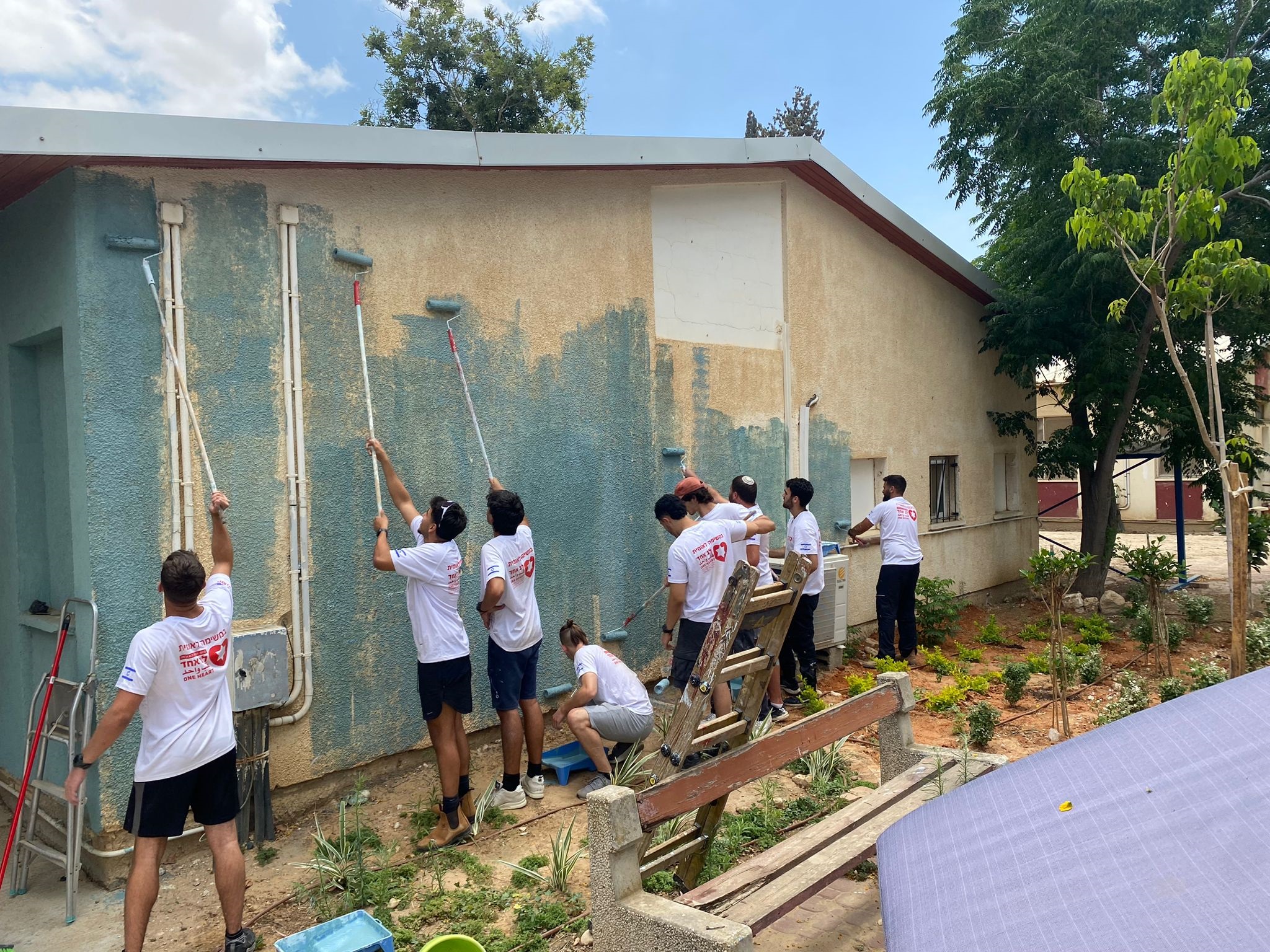
If this isn’t exactly war, it also isn’t peace. The national adrenaline that fueled a mass mobilization of reserve troops and volunteer efforts in the weeks after the October 7 attack has since cooled off. But the fighting that was unleashed is still on a low burn.
“I don’t think anyone here would say, you know, you shouldn’t be jumping if you hear a sound that sounds like a siren, because actually, we’re not able to guarantee, or even close to guarantee, that these sirens and these threats and the rockets aren’t going to start up again,” said Anna Harwood-Gross, a senior researcher at METIV Israel Psychotrauma Center and Ariel University’s psychology department.
Harwood-Gross described “a sense of hopelessness, a sense of emotional exhaustion — and that we saw go up after the initial attacks of October 7 and remain elevated throughout the period.”
The ‘life instinct’
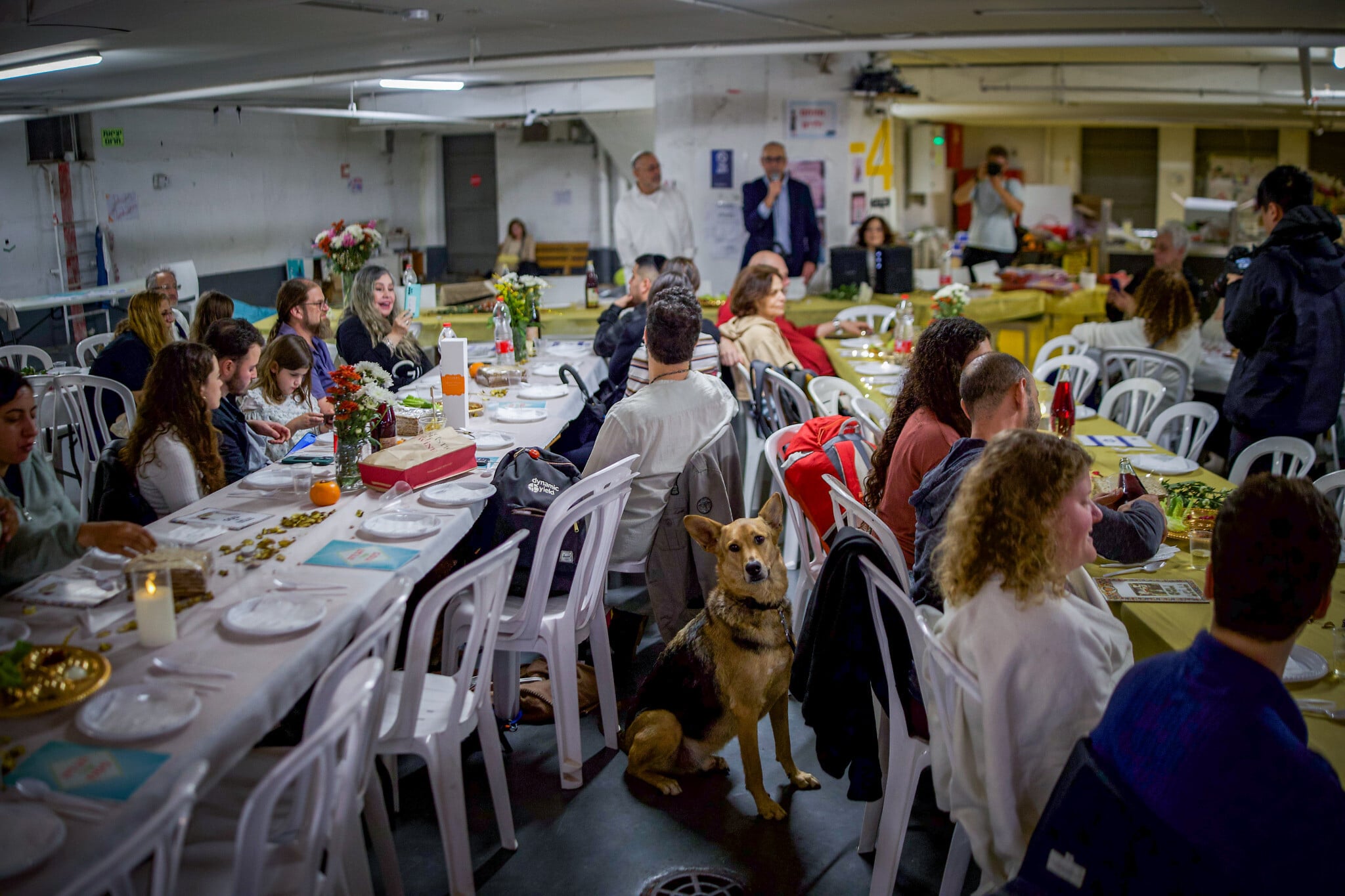
There are, of course, moments of relief and joy. Israelis’ long, grassroots struggle to return the hostages taken by Hamas-led terrorists on October 7 achieved its goal, albeit belatedly, and after much pain, death, and anguish. Since US President Donald Trump hit pause on the Iran war, the rhythms of day-to-day life in most of Israel have resumed. Schools and workplaces are open. So is the airport — at least for Israeli carriers and, soon, some others. Birthright trips are back.
Heading into the summer, Israelis appear to be grabbing the opportunity to enjoy life when they can, the core of the country’s vaunted ethos of resilience. Roth said that’s a manifestation of what Sigmund Freud called the “life instinct.” But she said that while it is heartening, it is also troubling.
“It’s not supposed to feel like a miracle that you’re going out to dinner with your family,” she said. “It’s supposed to feel, actually, like something normal, but it doesn’t.”
She added, however, “It’s profound, and you can see it very clearly, that people… every moment you give them and every chance you give them, they’ll take it to do good, and to live well.”
How will this finally end? An agreement may eventually be reached in Iran, though Israel has been shut out of the negotiations. In Lebanon, even as talks continue, Hezbollah has vowed to resist any diktat to give up its arms. Ditto Hamas in Gaza, where the situation remains tenuous and the path forward uncertain.
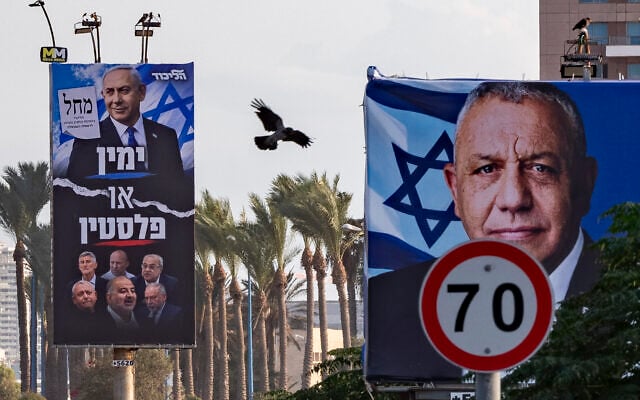
Nor do elections later in the year promise an end to the tension. Israelis are split ahead of the vote, and, no matter who wins, half the country will feel disaffected, if not disenfranchised, when the next government takes shape.
The best chance Israelis have at thriving during this geopolitical drama with global consequences, both Roth and Harwood-Gross said, is not to dissociate from what’s happening to the country, but to nurture support structures closer to home: their neighborhoods, communities, and families.
“When everything seems out of control and it’s very unclear psychologically where we’re going to be from one day to the next, having a strong sense of home base and having a sense of connection to what’s going on, and obviously connection to people around us — those are things that create a sense of grounding and strength,” Harwood-Gross said.
Roth, in an essay published last month amid the fighting in Iran, made what seems like a radical suggestion in an age when the news feels inescapable and essential: “to lower our eyes from the images of war on all the networks, 24/7.”
“Without noticing it, we have allowed war to defeat the most important thing of all — our spirit,” she wrote. “This is the defeat to which we must not consent. Every small movement in the direction of light makes a difference — turning the world, if only slightly, back toward the light.”







The Times of Israel Community.