

China rejects UN report citing potential crimes against humanity on Uighurs
Long-delayed report drawn in part from interviews with former detainees calls for urgent action; makes no mention of genocide that some countries have accused China of committing
 Add ToI as a Preferred Source on Google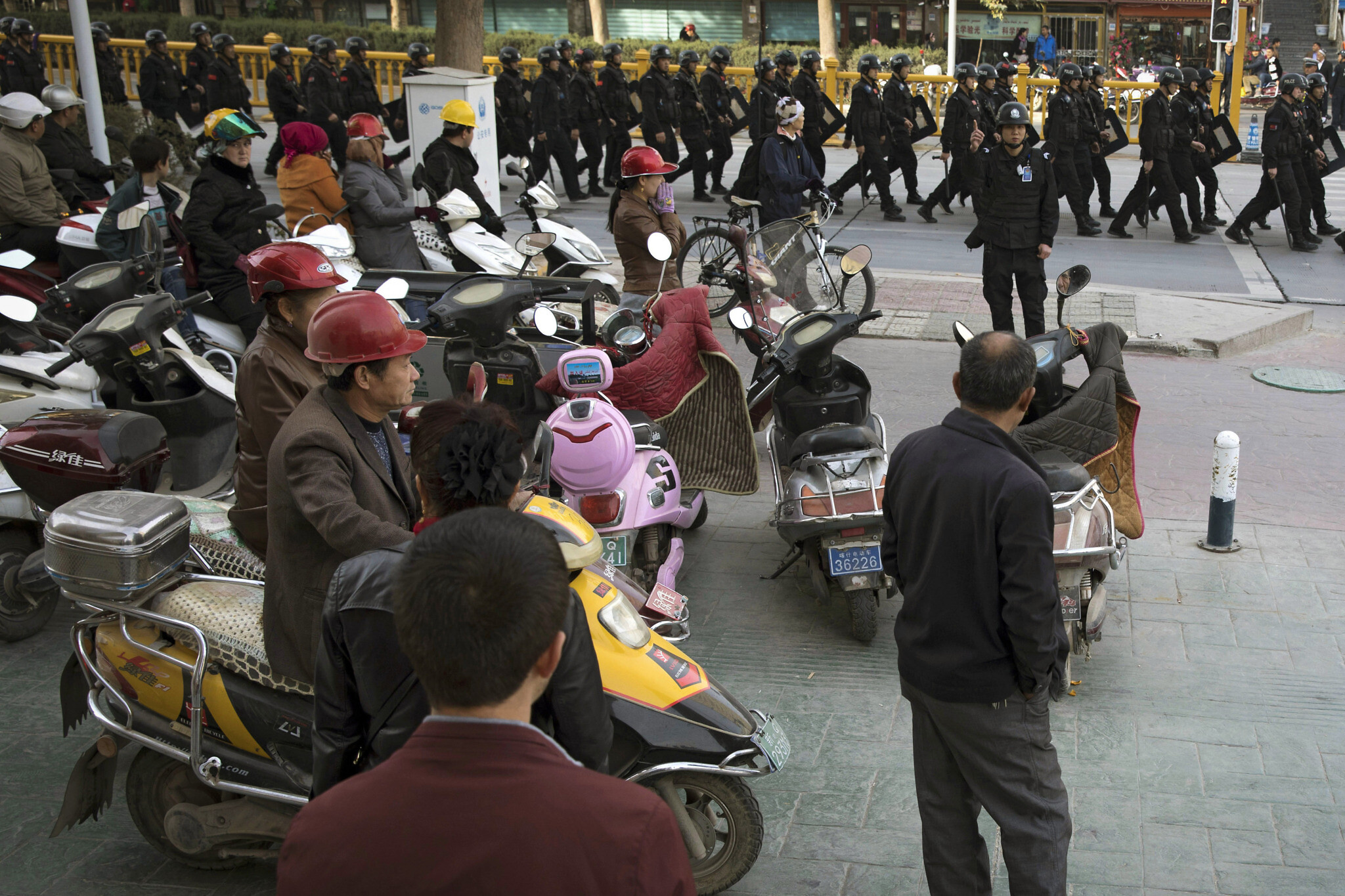
BEIJING (AP) — China has denounced a long-delayed UN report that was released over its protest that says the government’s arbitrary detention of Uyghurs and other mostly Muslim ethnic groups in the western region of Xinjiang may constitute crimes against humanity.
Human rights groups and the Japanese government welcomed the report, which had become caught up in a tug-of-war between China and those who were critical of the delay and lobbying for its release.
The assessment released late Wednesday by the UN human rights office in Geneva concluded that China has committed serious human rights violations under its anti-terrorism and anti-extremism policies and calls for “urgent attention” from the UN, the world community and China itself to address them.
The report largely corroborates earlier reporting by researchers, advocacy groups and the news media, while carefully steering away from estimates and other findings that cannot be definitively proven. It adds the weight of the UN to the conclusions, though China showed no sign of backing off its blanket denials and portraying the criticism as a politicized Western smear campaign.
In a sternly worded protest that the UN posted with its report, China’s diplomatic mission in Geneva said it firmly opposed the release of the UN assessment, which it said ignores human rights achievements made in Xinjiang and the damage caused by terrorism and extremism to the population.
“Based on the disinformation and lies fabricated by anti-China forces and out of presumption of guilt, the so-called ‘assessment’ distorts China’s laws, wantonly smears and slanders China, and interferes in China’s internal affairs,” the protest read in part.
Japan was one of the first foreign governments to comment on the report, which was released early Thursday morning in Asia. Its top government spokesperson urged China to improve transparency and human rights conditions in the Xinjiang region.
“Japan is highly concerned about human rights conditions in Xinjiang, and we believe that it is important that universal values such as freedom, basic human rights and rule of law are also guaranteed in China,” Chief Cabinet Secretary Hirokazu Matsuno said.
Human Rights Watch and Amnesty International called on the UN and governments to set up an independent investigation into the human rights abuses.
“Never has it been so important for the UN system to stand up to Beijing, and to stand with victims,” said John Fisher, the deputy director of global advocacy for the group.
The UN report made no mention of genocide, which some countries, including the United States, have accused China of committing in Xinjiang.
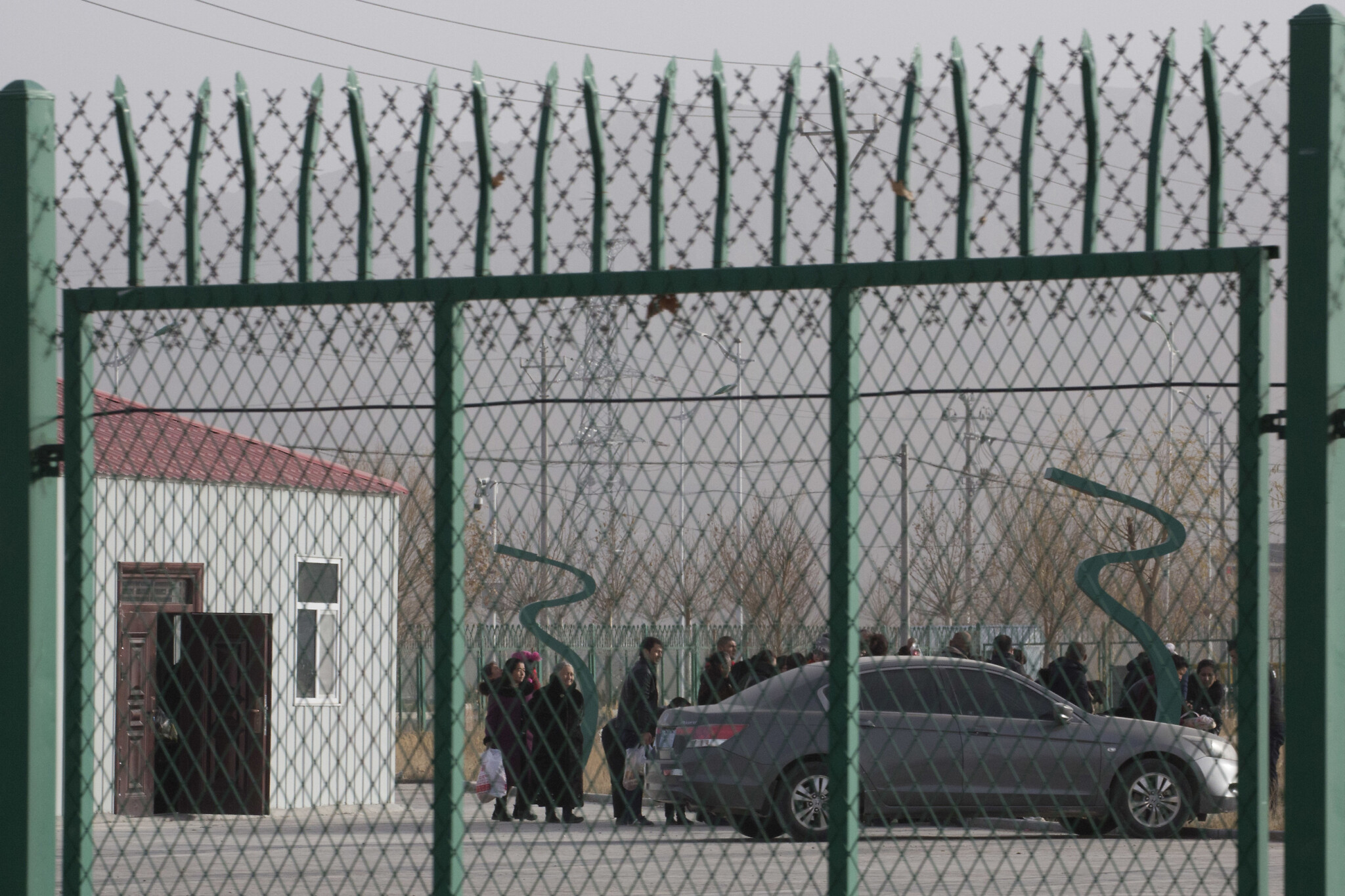
The report was drawn in part from interviews with former detainees and others familiar with conditions at eight detention centers.
It said that descriptions of the detentions were marked by patterns of torture and other cruel and inhuman treatment and said that allegations of rape and other sexual violence appear credible.
“The extent of arbitrary and discriminatory detention of members of Uyghur and other predominantly Muslim groups… in (the) context of restrictions and deprivation more generally of fundamental rights… may constitute international crimes, in particular crimes against humanity,” the report said.
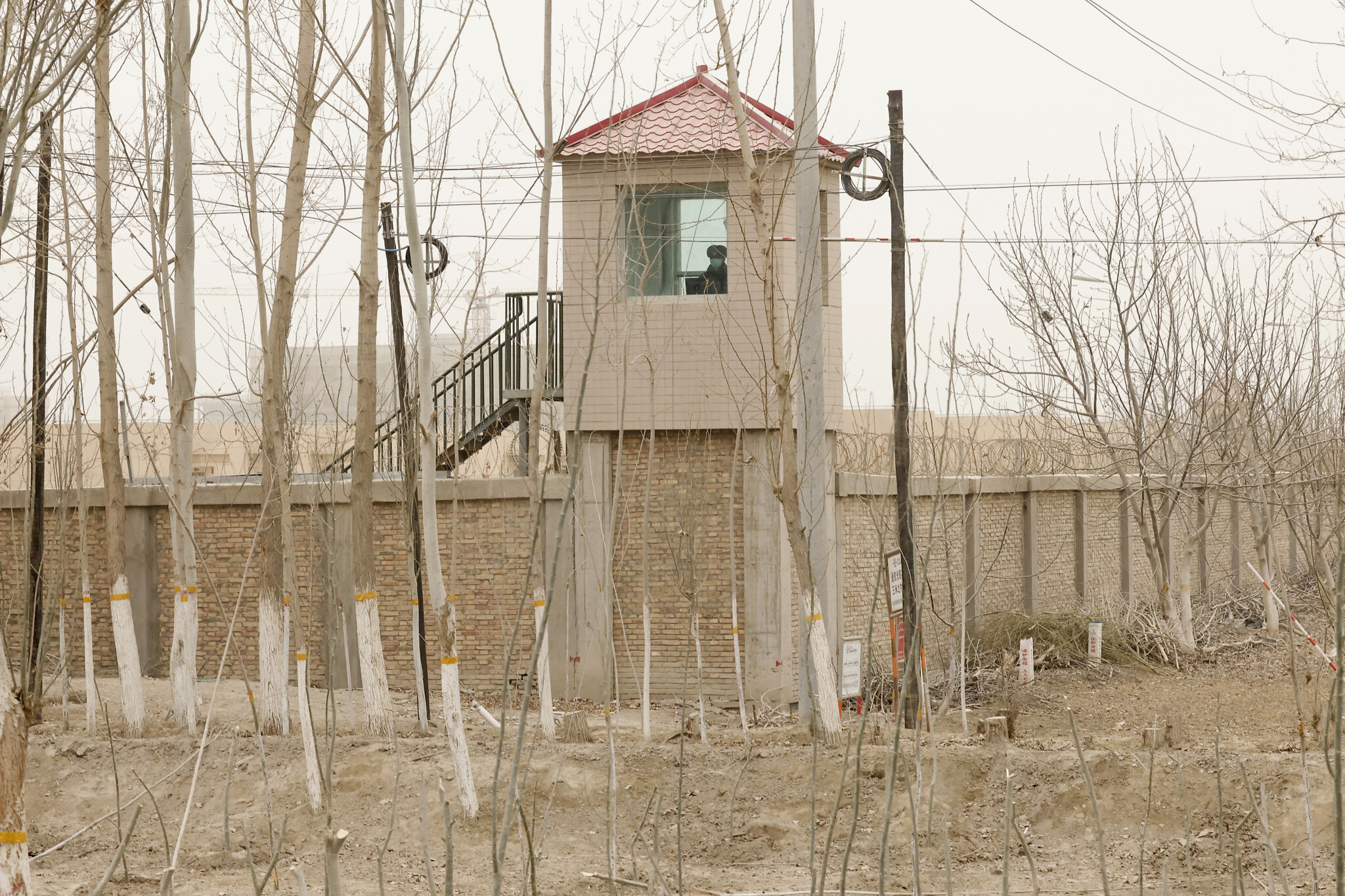
The rights office said it could not confirm estimates that a million or more people were detained in the internment camps in Xinjiang, but added it was “reasonable to conclude that a pattern of large-scale arbitrary detention occurred” at least between 2017 and 2019.
Beijing has closed many of the camps, which it called vocational training and education centers, but hundreds of thousands of people continue to languish in prison, many on vague, secret charges.
The UN assessment said that reports of sharp increases in arrests and lengthy prison sentences in the region strongly suggested a shift toward formal incarceration instead of the use of the camps.
The report called on China to release all individuals arbitrarily detained and to clarify the whereabouts of those who have disappeared and whose families are seeking information about them.
That the report was released was in some ways as important as its contents.
UN High Commissioner for Human Rights Michelle Bachelet said she received pressure from both sides to publish — or not publish — and resisted it all, while noting her experience with political squeeze during her two terms as president of Chile.
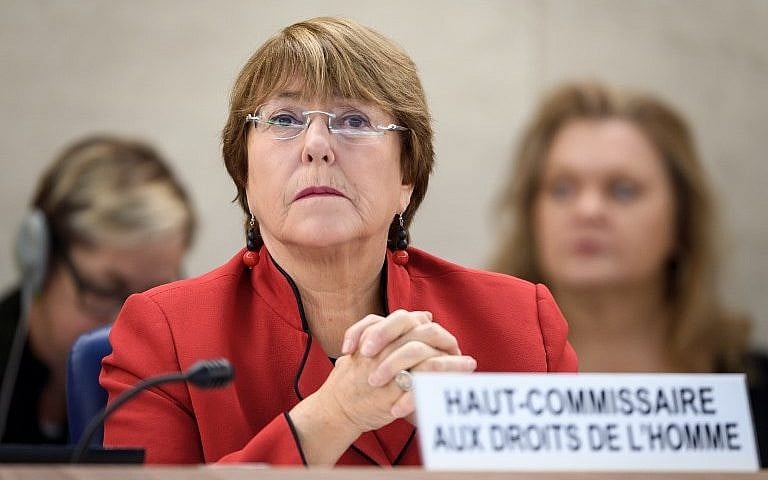
Her announcement in June that the report would be released by end of her 4-year term on Aug. 31 triggered a swell in back-channel campaigns — including letters from civil society, civilians and governments on both sides of the issue.
“To be perfectly honest, the politicization of these serious human rights issues by some states did not help,” said Bachelet, who early on staked out a desire to cooperate with governments.
Critics had said a failure to publish the report would have been a glaring black mark on her tenure.
Agnès Callamard, the secretary general of Amnesty International, said, “The inexcusable delay in releasing this report casts a stain” on the record of the UN human rights office, “but this should not deflect from its significance.”








The Times of Israel Community.