

Crisis defused, panel to take second crack at new Haredi draft rules
Peri Committee will meet on Wednesday to pass ultra-Orthodox conscription proposal, after PM tells defense minister to back off opposition
 Add ToI as a Preferred Source on Google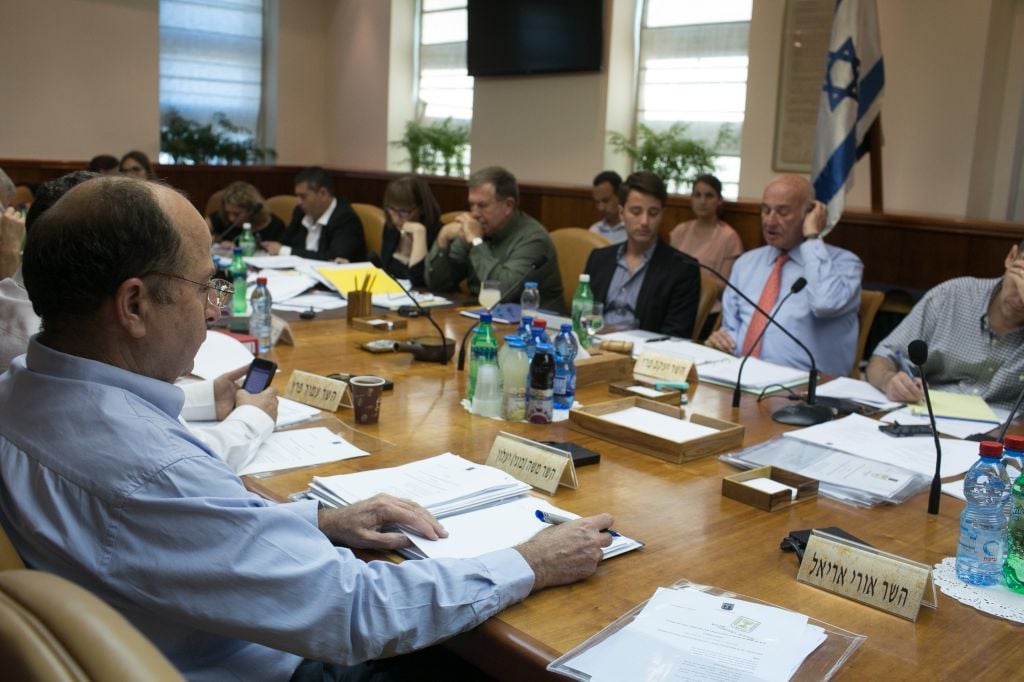
The committee tasked with drafting new rules for ultra-Orthodox military service will attempt to finish its work Wednesday, two days after a disagreement within the panel briefly threatened to fell the government coalition.
The Peri Committee will look to approve a bill proposal that would see thousands of ultra-Orthodox young men drafted into military or national service, as well as other reforms of the country’s universal conscription rules.
The last meeting of the group fell apart early Monday as the sides failed to come together on how to prosecute draft-dodgers from the ultra-Orthodox community, which has traditionally enjoyed wide-ranging exemptions from military service.
Defense Minister Moshe Ya’alon refused to agree to automatic criminal penalties for those who fail to report to the draft, a clause which panel head Minister Yaakov Peri and his Yesh Atid party had considered central to the bill.
Yesh Atid, the second largest faction in the Knesset, threatened to pull out of the coalition, which would have effectively collapsed the government.
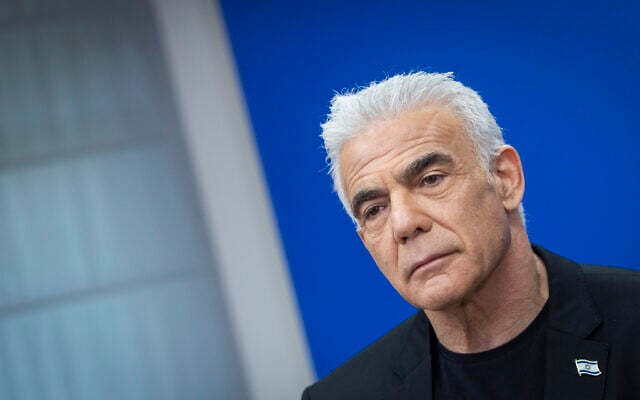
“There will be an equal burden, or this government will fall to pieces,” party head Yair Lapid said during a Yesh Atid meeting at the Knesset on Monday. “Every effort to appease the ultra-Orthodox will destroy the coalition
However on Monday evening Prime Minister Benjamin Netanyahu told Ya’alon to drop his opposition, ending the coalition crisis and paving the way for Wednesday’s meeting.
“If need be, we’ll discuss that clause further on down the road,” Netanyahu said, according to media reports. “It wouldn’t be right to hinder the bill now.”
In the disputed clause of the draft proposal, individuals who do not register for the draft would be subject to criminal prosecution, as would yeshiva heads whose institutions do not comply with the new law. The bill also mandates incentives and penalties for yeshivas according to their compliance with the registration rules.
The committee has already approved several other points from the draft proposal. On Wednesday, it will attempt to pass the rest and send the bill to the Knesset for passage into law.
According to the draft proposal, 18-year-old yeshiva students engaged in full-time Torah study would be allowed to defer service until age 21, at which point they would have to choose either to enlist in the IDF or register for national or civil service. Those who defer their service would have to be registered at yeshivas whose student bodies are subject to regular government auditing. Yeshivas that receive state funding and register their students for service deferment would also be required to introduce vocational training into their curriculum.
The bill allows for 1,800 top Torah scholars to be entirely exempted from service per year, far below the estimated 7,000-8,000 ultra-Orthodox 18-year-olds who do not currently register each year.
The proposed legislation also features changes to the general conscription framework, including a shortening of service for all males from 36 to 32 months, and an extension of service for females to 28 months, up from 24.
Most of the changes would roll out in 2016, including the criminal prosecution of individuals who do not register for the draft, allowing for a transitional period in which to build up the bureaucratic and logistical infrastructure needed to implement the changes.
The bill sets gradual, increasing recruitment goals for the ultra-Orthodox, beginning this year with the goal of 2,000 registrations for the IDF and another 1,300 for national and civil service. It also sets a 6,000-per-year recruitment goal for Israeli Arabs into national service.






The Times of Israel Community.